Color recognition Vocabulary Coloring Pages Worksheets for Ages 3-6
8 filtered results
-
From - To
Discover our engaging Color Recognition Vocabulary Coloring Pages Worksheets, designed specifically for children aged 3-6! These fun and interactive worksheets help young learners develop essential color recognition skills while nurturing their creativity. Each page features vibrant illustrations paired with simple vocabulary words, allowing kids to explore and master colors through enjoyable coloring activities. Ideal for homeschooling, preschool, or enrichment programs, these resources promote fine motor skills and vocabulary growth. Watch as your child engages in hands-on learning and gains confidence with each stroke of their crayon. Start a colorful journey of education today with our delightful coloring pages!
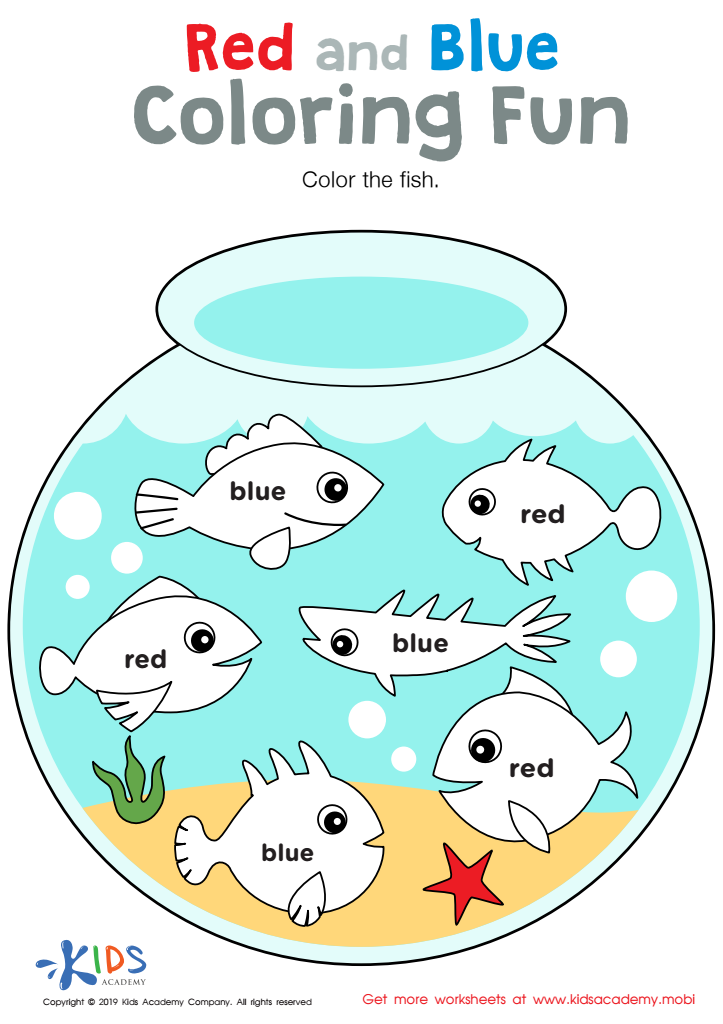
Red and Blue Coloring Fun Worksheet
 Assign to My Students
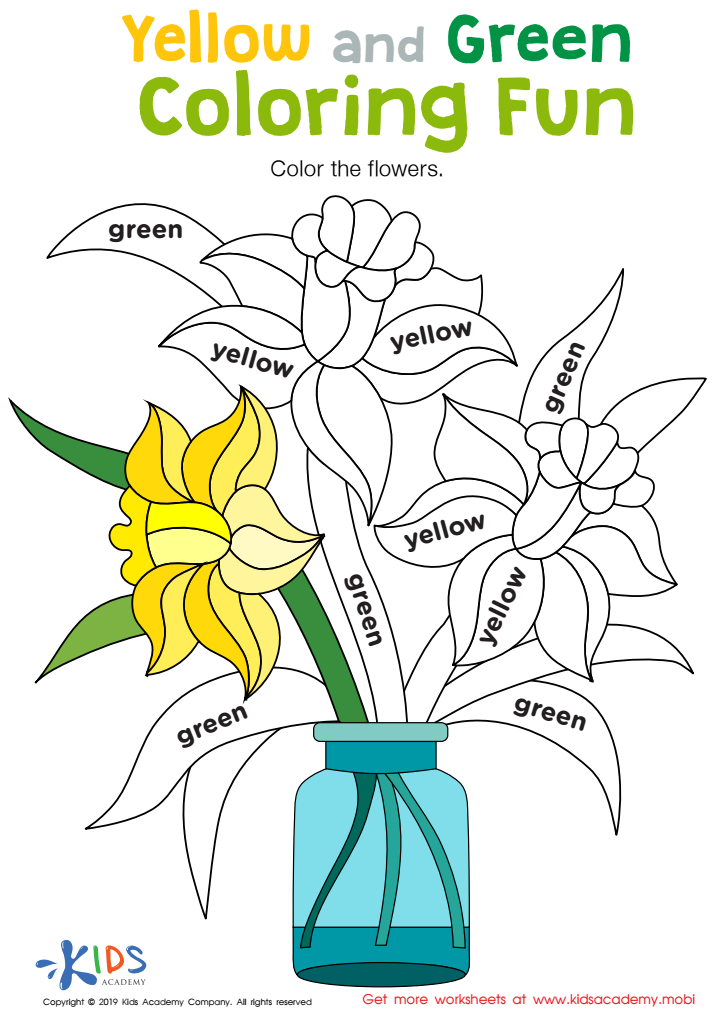
Yellow and Green Coloring Fun Worksheet
Assign to My Students
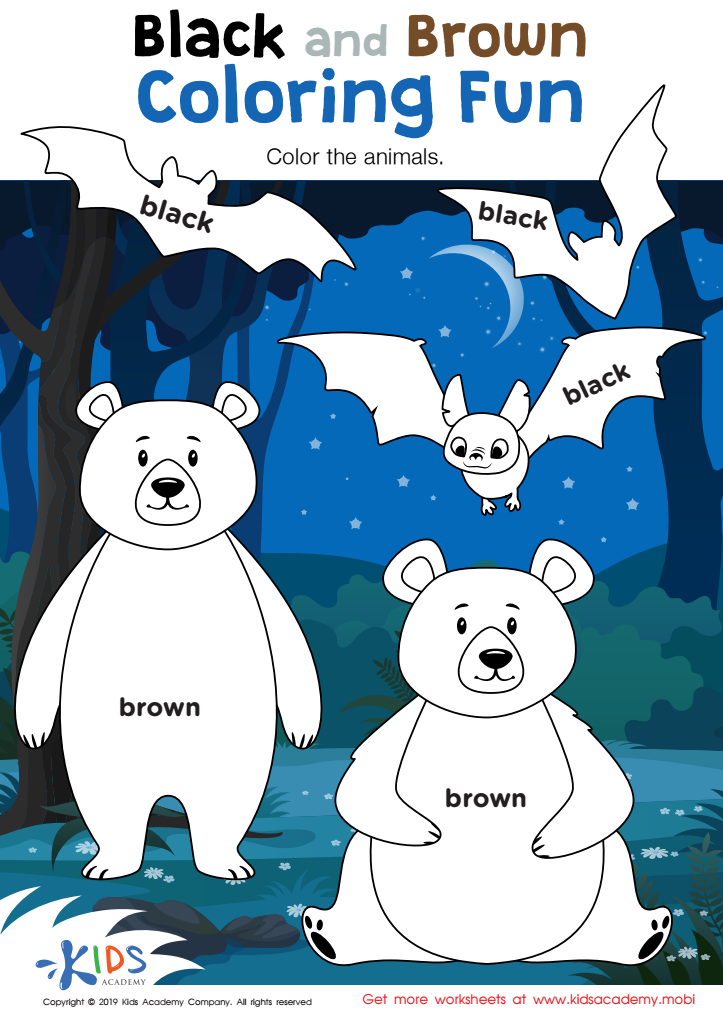
Black and Brown Coloring Fun Worksheet
Assign to My Students
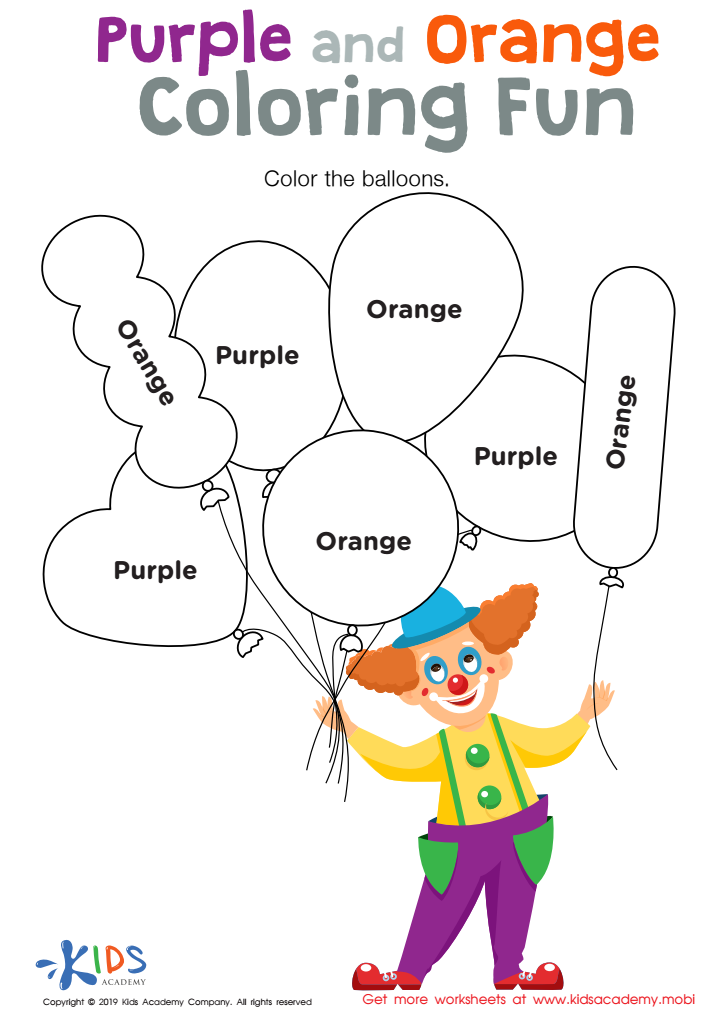
Purple and Orange Coloring Fun Worksheet
Assign to My Students
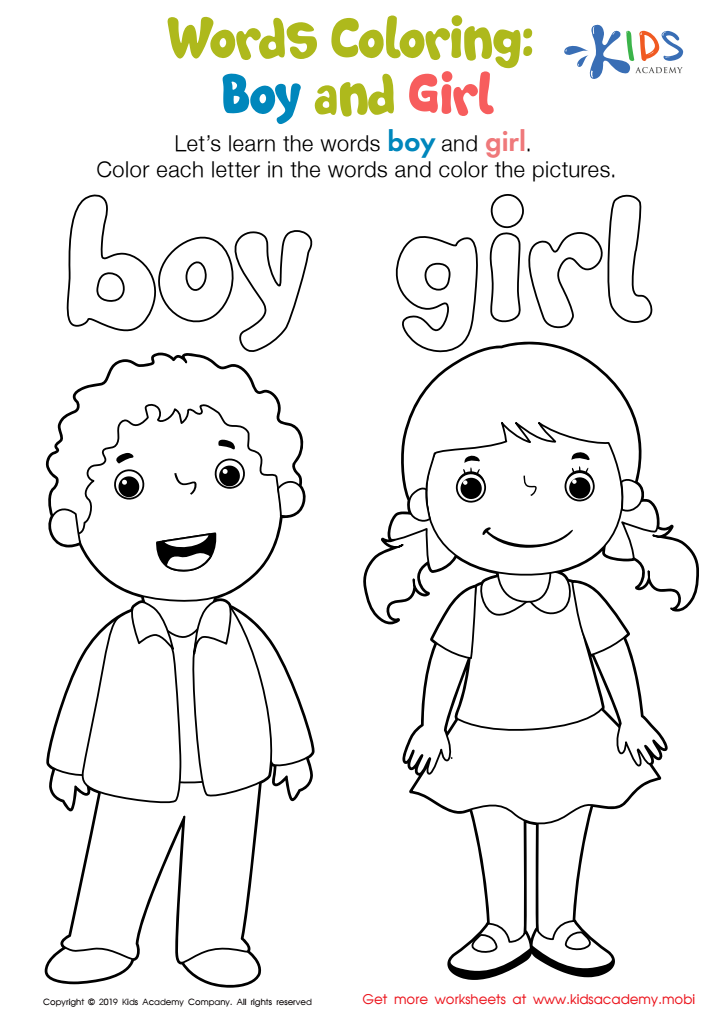
Boy and Girl Words Coloring Worksheet
Assign to My Students
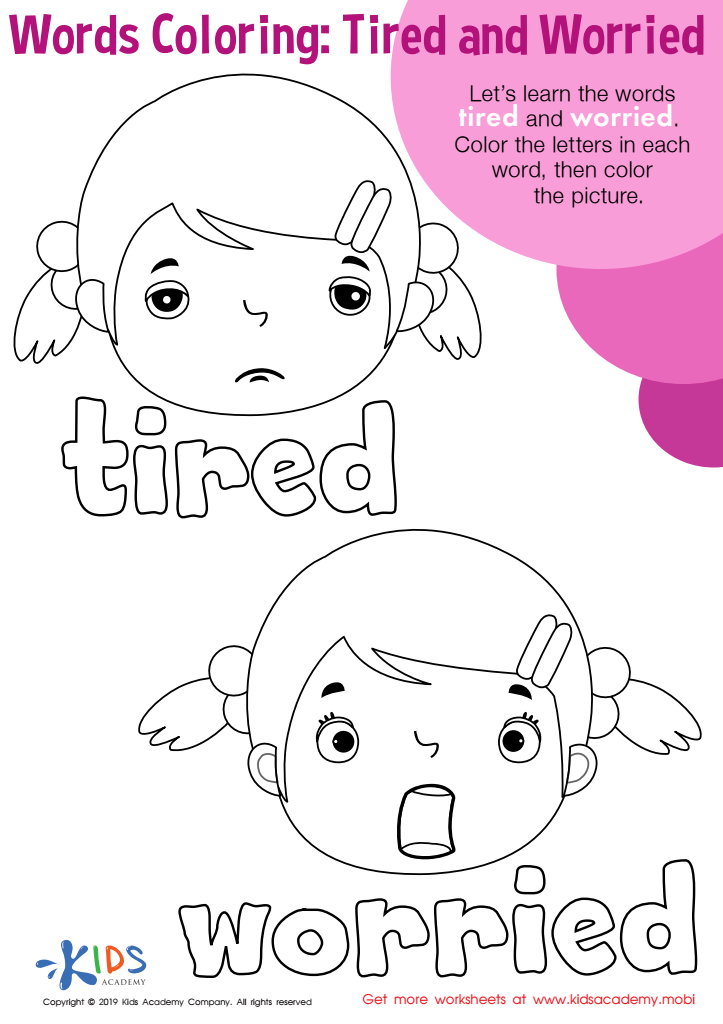
Tired and Worried Words Coloring Worksheet
Assign to My Students
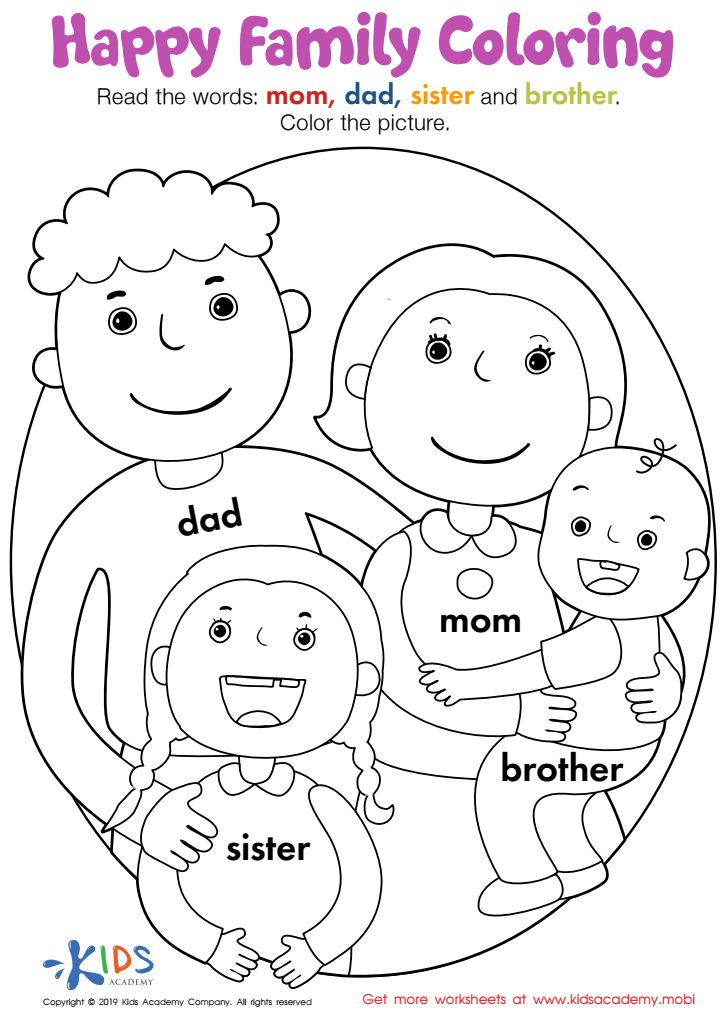
Happy Family Coloring Worksheet
Assign to My Students
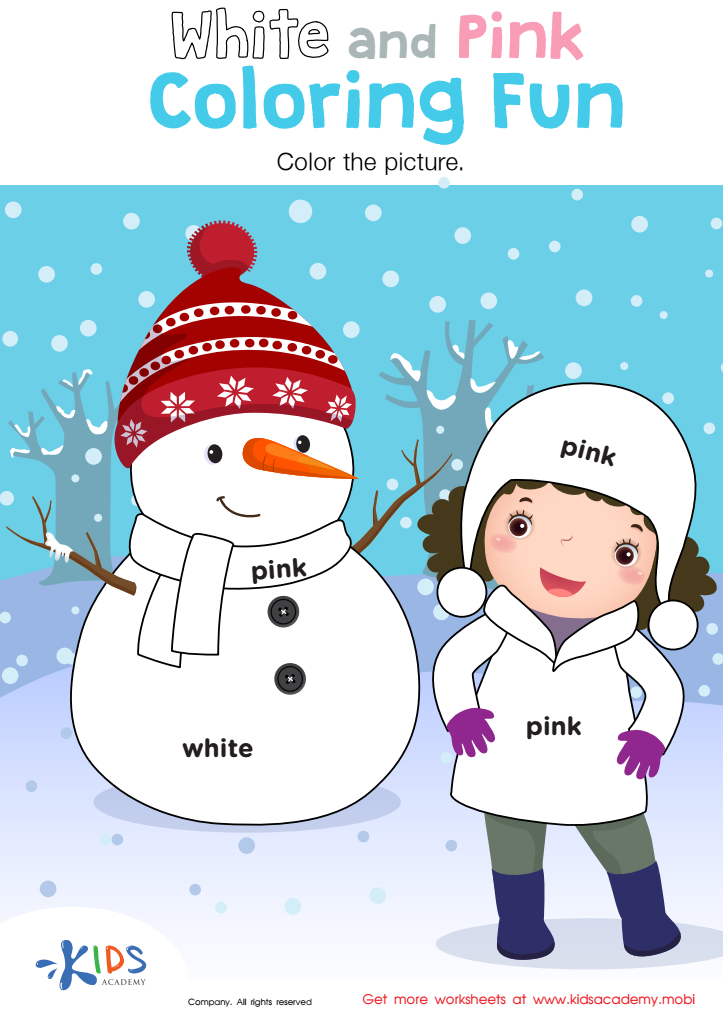
White and Pink Coloring Fun Worksheet
Assign to My Students



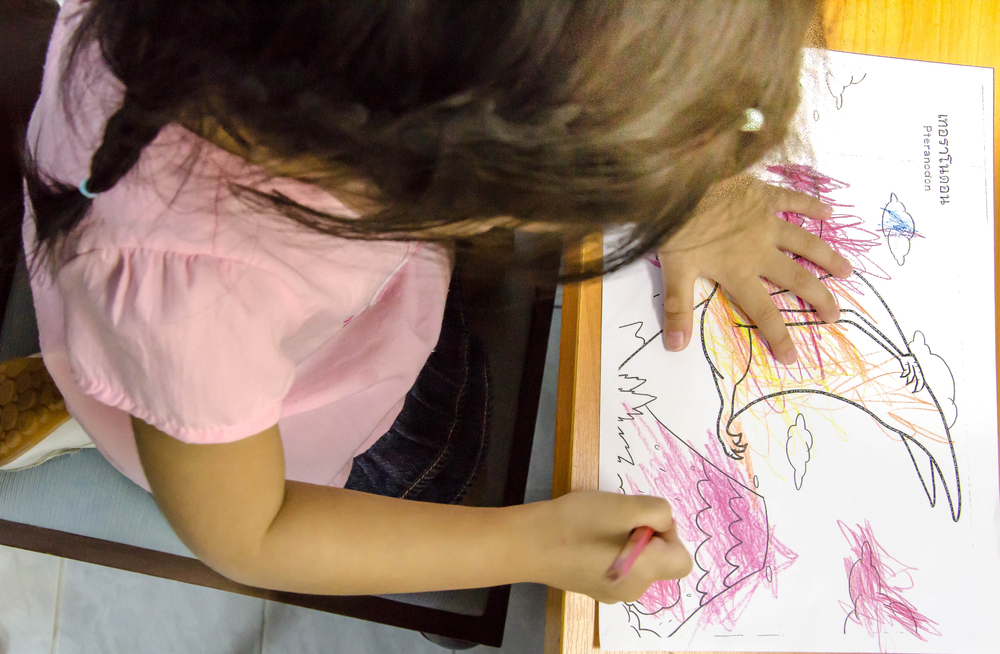




Color recognition is a fundamental skill for young children, laying the groundwork for their cognitive and language development. For parents and teachers, utilizing Color Recognition Vocabulary Coloring Pages can enhance this learning process significantly for children aged 3-6. These coloring pages not only introduce children to various colors but also associate each color with everyday objects, enriching their vocabulary.
Engaging in coloring activities helps refine fine motor skills, which are essential for writing and other tasks. As children choose colors and apply them to pictures, they also develop decision-making skills and creativity. Furthermore, coloring together can serve as a bonding experience between parents, teachers, and children, fostering positive communication.
Moreover, incorporating colors into lessons aligns with early education standards that emphasize aspects of literacy and numeracy. When youngsters learn to identify and label colors, they build a visual comprehension that aids in their overall understanding of their surroundings.
Thus, Color Recognition Vocabulary Coloring Pages provide more than just a fun activity; they play a crucial role in holistic development for early learners, promoting cognitive skills, language acquisition, and emotional well-being—all of which are foundational for future academic success.