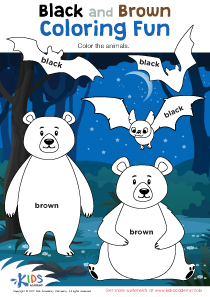
Letter formation English for Beginners Worksheets for Ages 3-6
4 filtered results
-
From - To
Discover our engaging "Letter Formation English for Beginners Worksheets" tailored specifically for children aged 3-6! Designed to spark creativity and boost confidence, these worksheets provide a fun way for young learners to practice writing letters. Each exercise focuses on essential skills for mastering letter shapes and strokes, perfect for early literacy development. Our colorful illustrations and interactive activities make learning exciting, promoting fine motor skills and coordination. Ideal for parents and educators, these resources support English as a Second Language (ESL) students, setting a strong foundation for reading and writing success. Start your child’s learning adventure today!
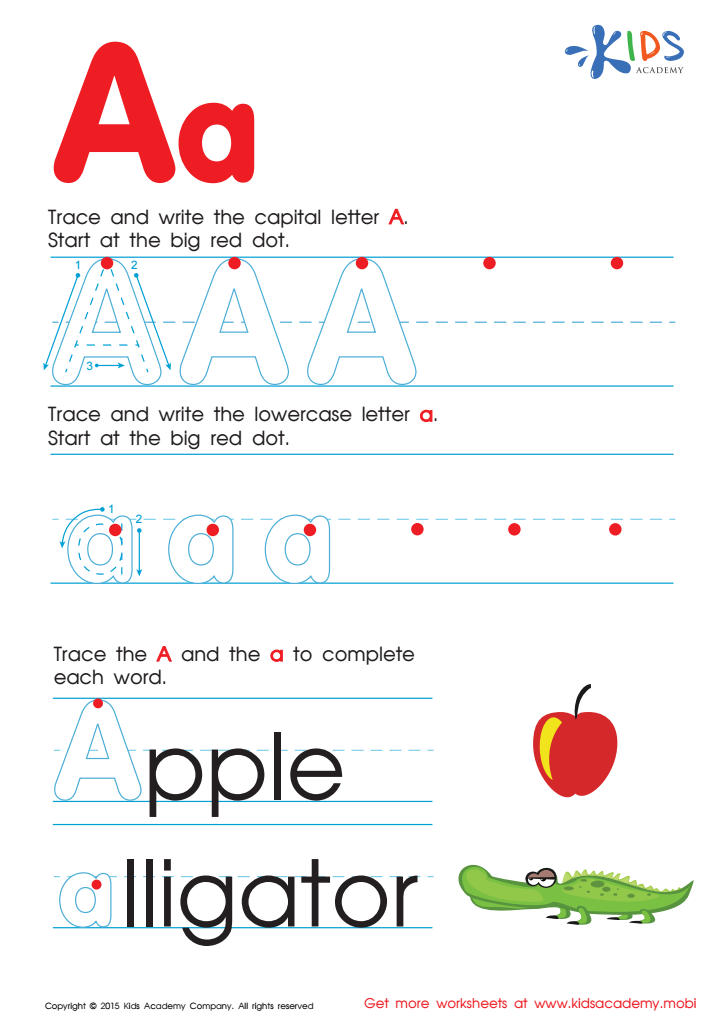
Letter A Tracing Page
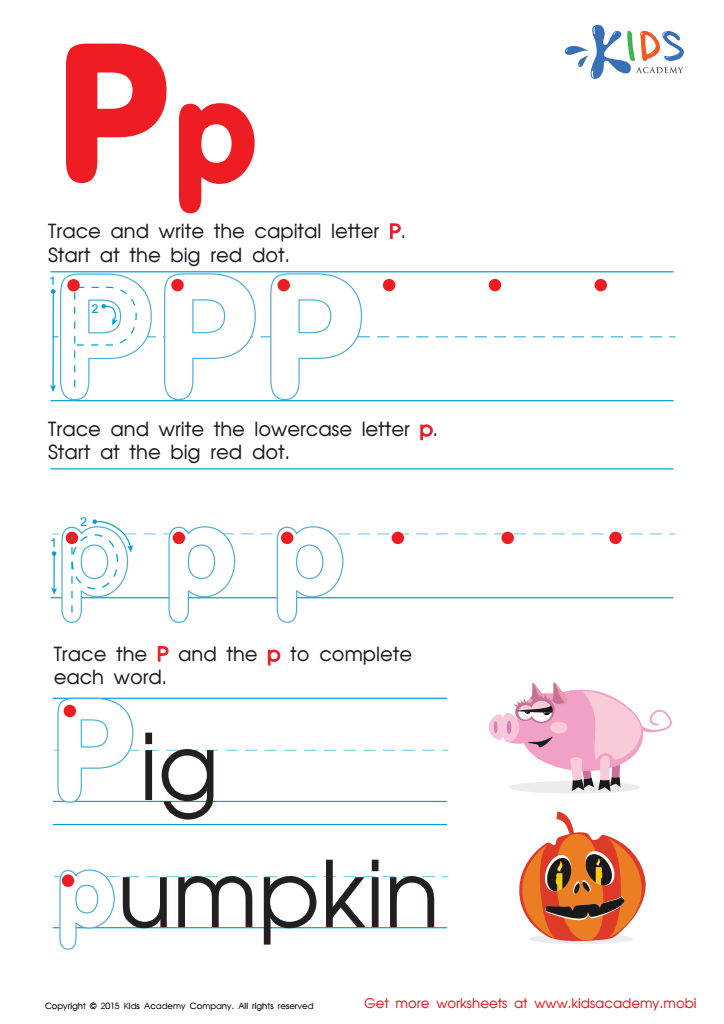
Letter P Tracing Page
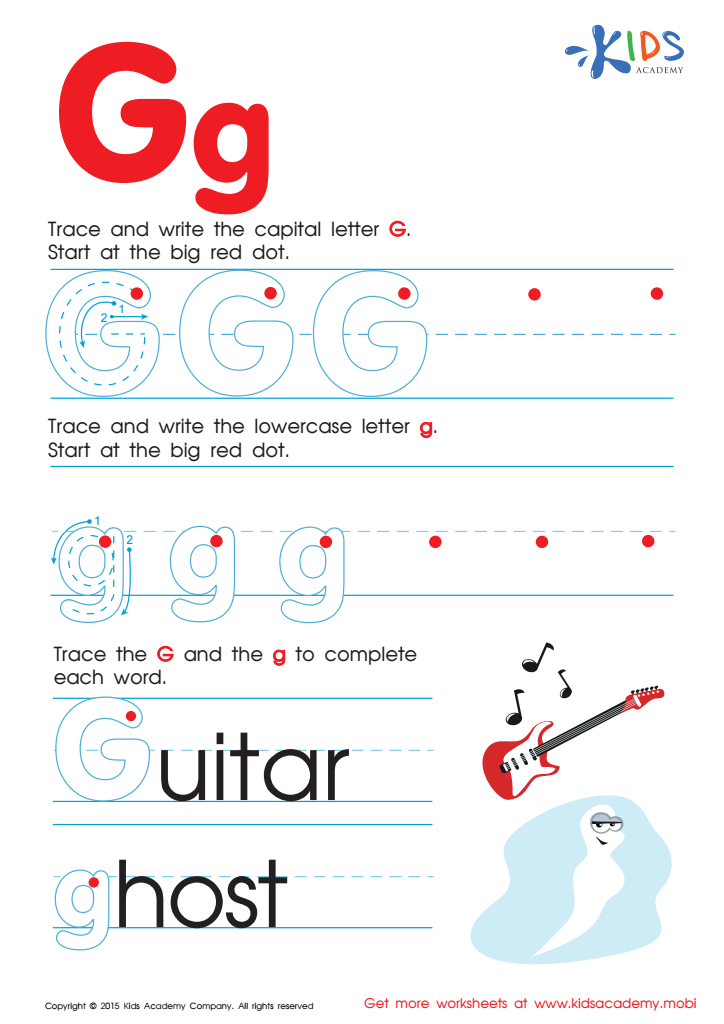
Letter G Tracing Page
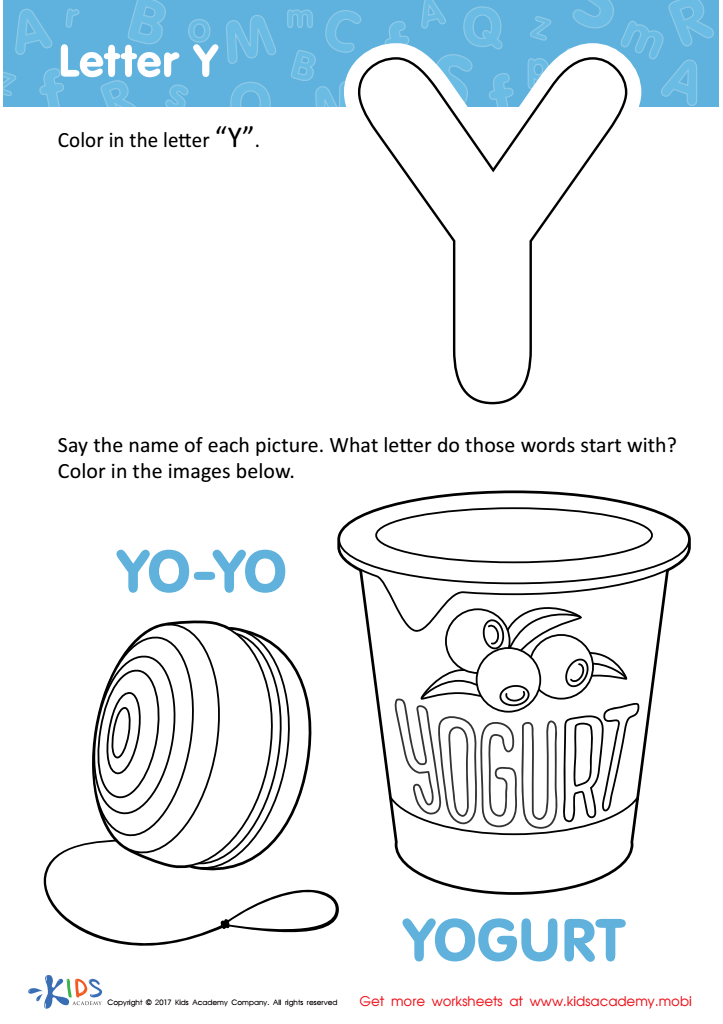
Letter Y Coloring Sheet
 Assign to My Students




Letter formation is a crucial early literacy skill for children aged 3-6. Parents and teachers should prioritize this aspect of learning for several important reasons.
Firstly, developing proper letter formation lays the foundation for reading and writing. When children learn to recognize how letters are structured, it enhances their ability to identify and differentiate them, which is essential for reading fluency and comprehension.
Secondly, correct letter formation fosters fine motor skills. Young children are still developing their hand-eye coordination and grip strength, which are vital as they learn to hold and operate writing tools. By practicing letter formation, they refine their dexterity, helping them build the necessary skills for writing.
Furthermore, mastering letter formation instills confidence in a child's writing abilities. When children feel competent in writing letters correctly, they are more likely to engage in writing activities, which promotes creativity and self-expression.
Lastly, early focus on letter formation can prevent future difficulties in writing. Establishing good habits during these formative years can lead to more effective, efficient writing skills as children progress in their education.
Thus, ensuring children are taught proper letter formation not only supports their academic growth but also nurtures their overall development and confidence.