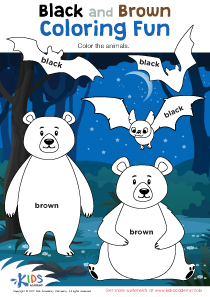
Word Recognition English for Beginners Worksheets for Ages 3-6
5 filtered results
-
From - To
Unlock the joy of learning with our "Word Recognition English for Beginners Worksheets" specially designed for ages 3-6. Perfect for early learners, these engaging worksheets help children recognize and associate words with pictures, promoting vocabulary growth and language confidence. Each activity is thoughtfully crafted to make learning fun and interactive, laying a solid foundation in English. Ideal for both classroom and home settings, our printable resources support young minds in mastering essential word recognition skills, boosting early literacy, and fostering a love for reading. Elevate your child's learning experience with Kids Academy's top-quality educational materials.
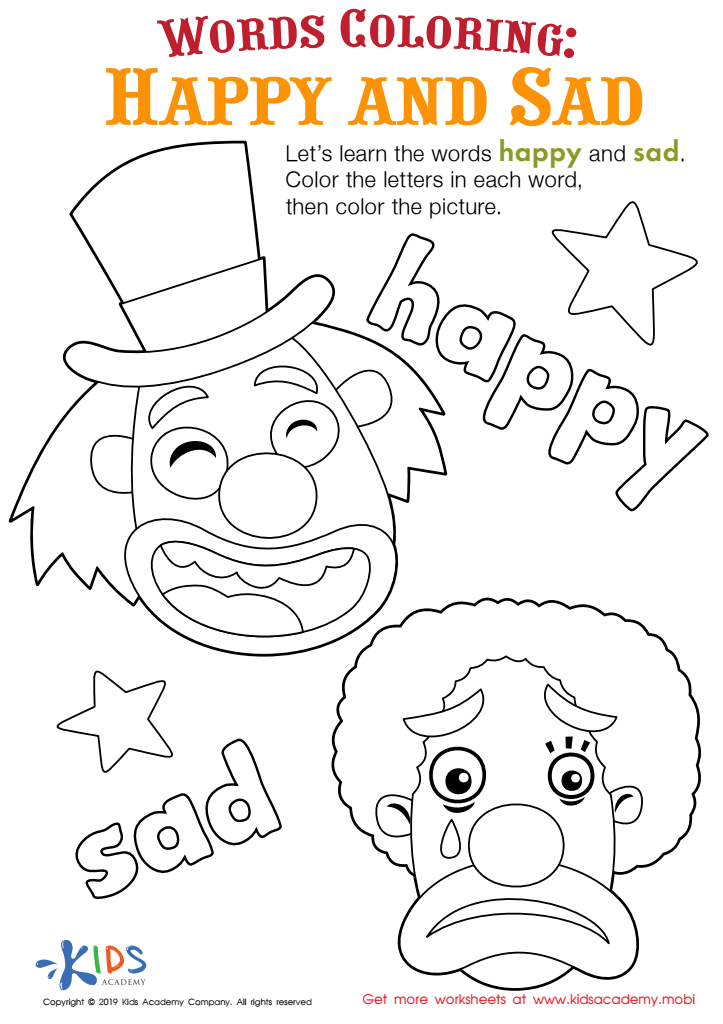
Happy and Sad Words Coloring Worksheet
 Assign to My Students
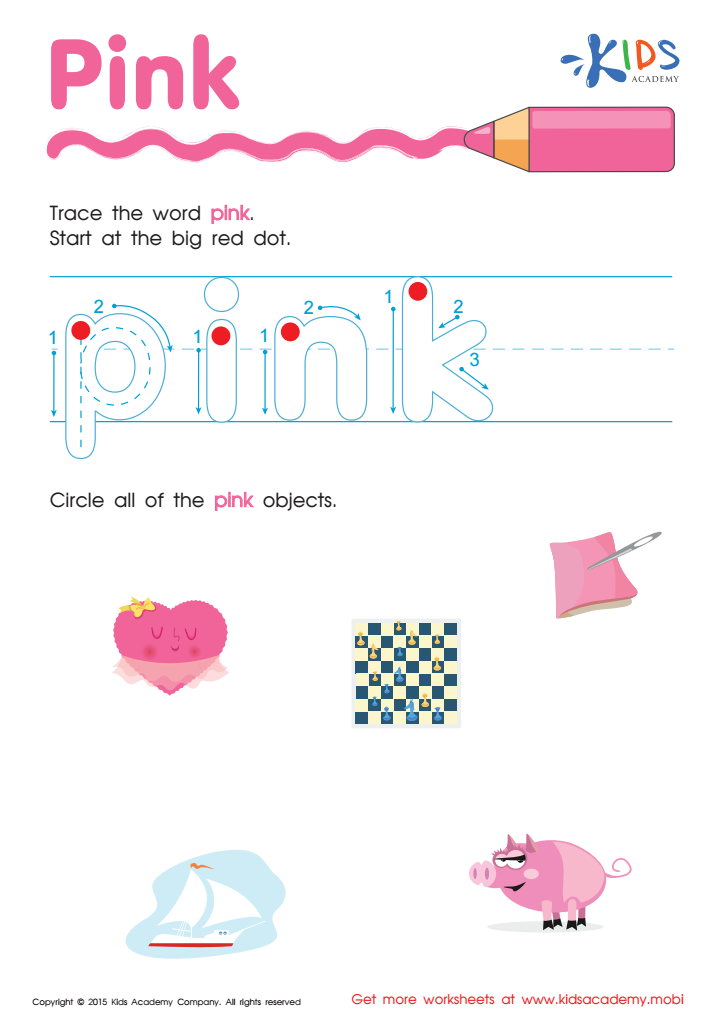
Pink Tracing Color Words Worksheet
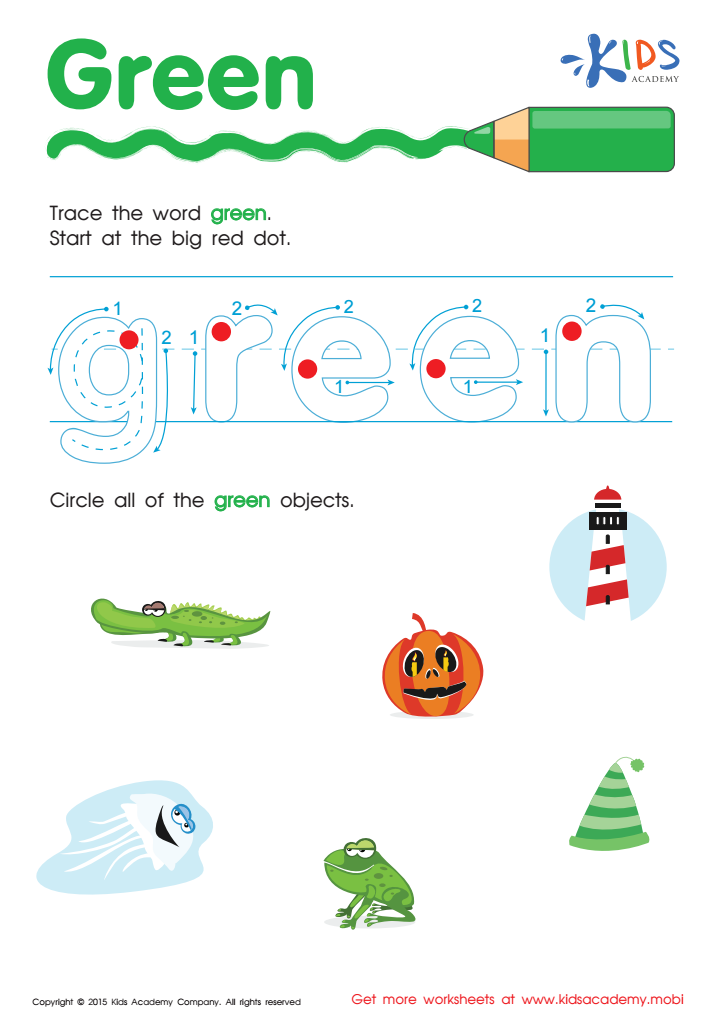
Green Tracing Color Words Worksheet
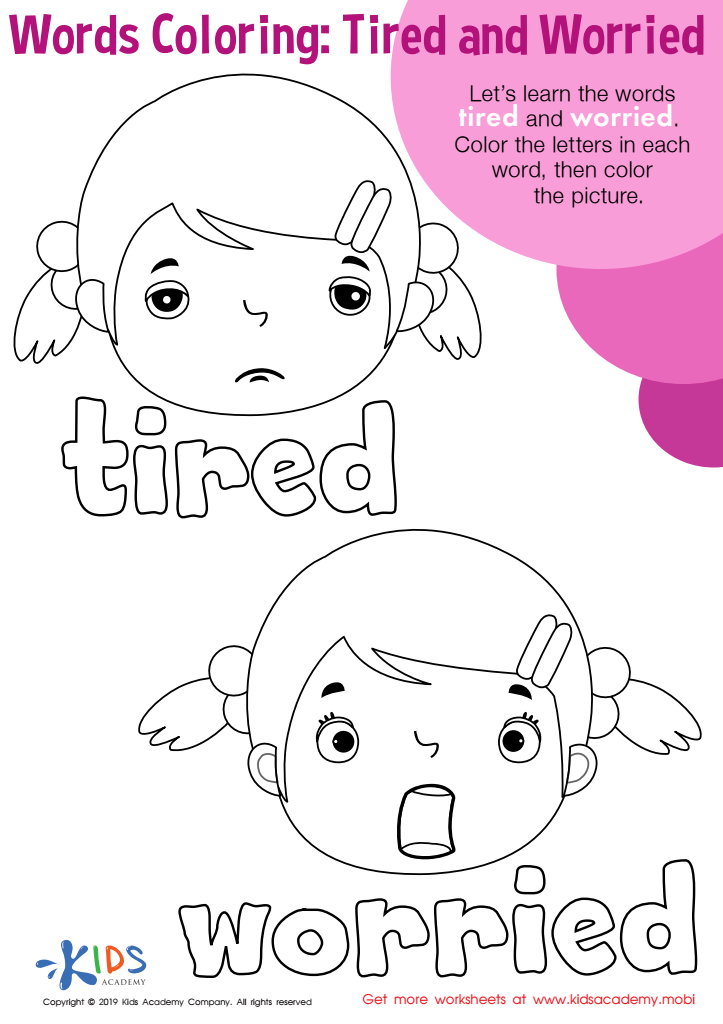
Tired and Worried Words Coloring Worksheet
Assign to My Students
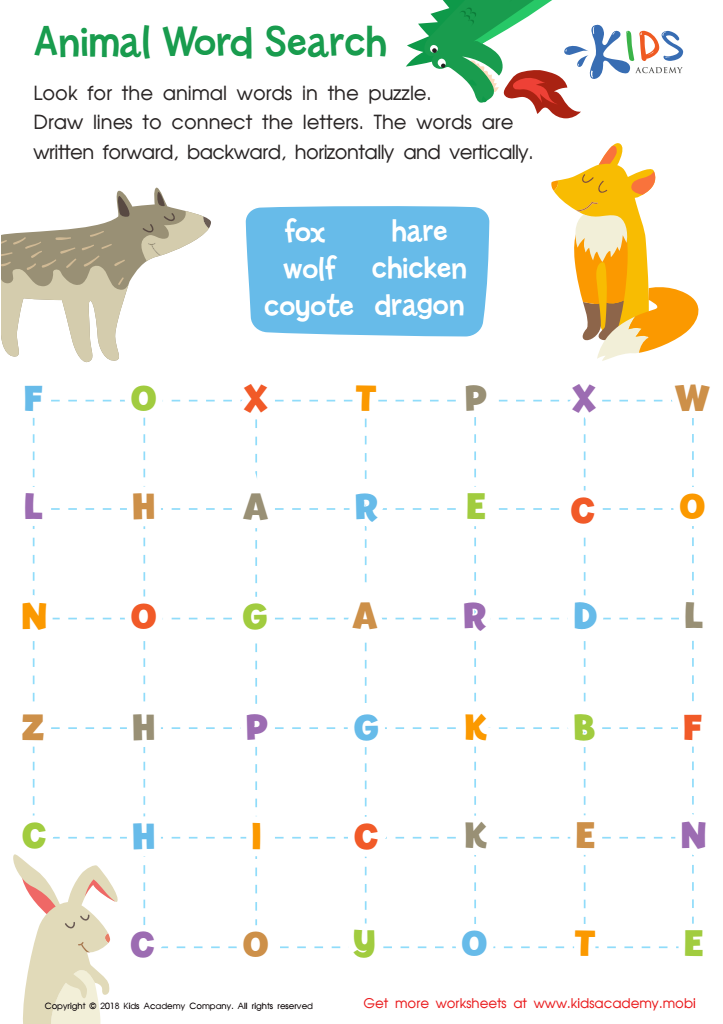
Animal Word Search Worksheet





Word recognition is a fundamental skill for young learners, and it is crucial for parents and teachers to prioritize it for children ages 3-6. During these formative years, the brain is highly receptive to learning new information, making it an optimal time for developing literacy skills. Word recognition involves the ability to decipher, understand, and pronounce words accurately, which serves as the foundation for all subsequent reading activities.
Mastering word recognition at an early age boosts a child's confidence in reading and sets them up for academic success. When children can recognize words quickly and effortlessly, they can focus better on comprehension, which enhances their overall understanding and enjoyment of the material they read. This skill also aids in expanding their vocabulary, enabling them to express themselves more clearly and effectively.
Moreover, early word recognition supports cognitive development by engaging children in pattern recognition, auditory discrimination, and memory. These skills contribute to a child's general learning abilities, giving them a head start in other subjects beyond reading. Additionally, positive early literacy experiences foster a lifelong love for reading, enriching a child’s knowledge base and creativity.
Therefore, investing time and resources in developing word recognition skills for young children is a critical step in shaping their educational and personal development journey.