Analyzing data Worksheets for Ages 3-6
3 filtered results
-
From - To
Boost your child's analytical skills with our expertly designed Analyzing Data Worksheets for Ages 3-6. These engaging resources focus on teaching young learners how to interpret and understand basic data, enhancing their critical thinking and problem-solving abilities. Through fun and interactive activities, children will learn to sort, classify, and analyze information using colorful charts, graphs, and visual aids. Perfect for early childhood education, these worksheets align with key developmental milestones, providing a strong foundation for future academic success. Stimulate curiosity and foster essential skills with our high-quality, age-appropriate educational materials. Explore today and watch your child's analytical abilities flourish!
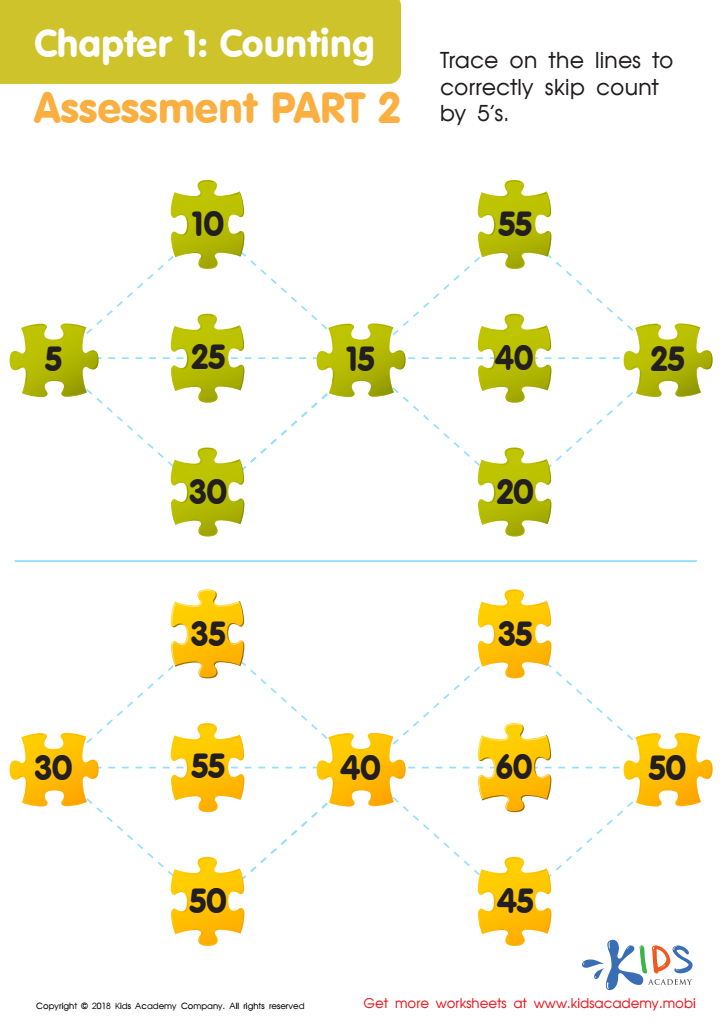
Counting: Assessment 2 Worksheet
 Assign to My Students
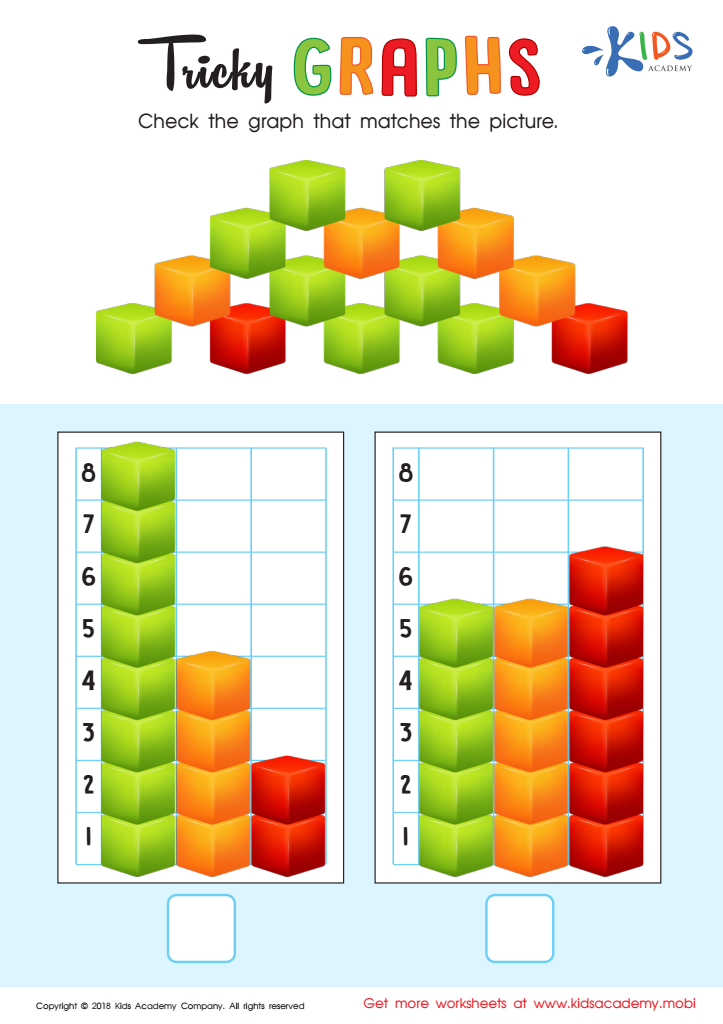
Tricky Graphs Worksheet
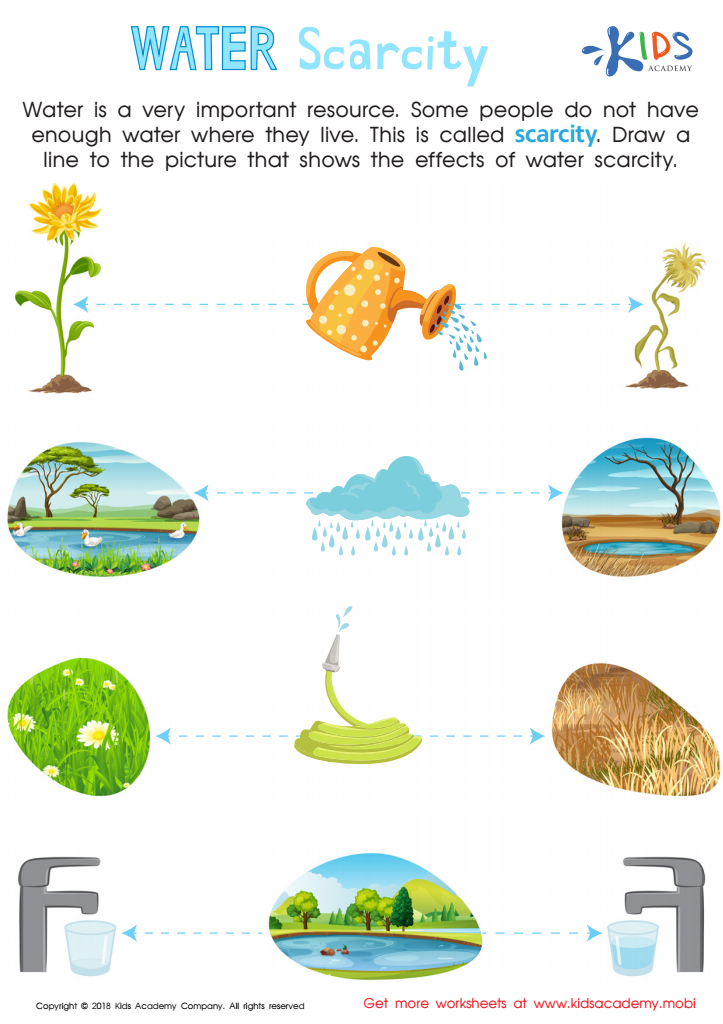
Water Scarcity Worksheet








Analyzing data for children aged 3-6 is essential as it offers valuable insights into their developmental progress, helping parents and teachers tailor their approach to meet each child's individual needs. During these formative years, children experience rapid cognitive, emotional, and physical growth. By systematically collecting and analyzing data — such as observations of behavior, learning patterns, and readiness skills — adults can identify strengths, weaknesses, and emerging interests.
For instance, understanding a child's language development through regular assessments of vocabulary and communication skills can guide targeted support in areas requiring improvement. Similarly, tracking motor skill development through data on physical activities can reveal patterns that may prompt interventions to bolster fine or gross motor abilities.
Furthermore, data analysis helps in recognizing early signs of potential learning disabilities or developmental delays. Early intervention is crucial in these cases and can lead to considerable improvements in the child's long-term educational trajectory.
Regular data analysis also provides a transparent means for communicating progress and concerns between parents and educators, fostering a collaborative environment. Parents can respond more effectively at home, supporting and reinforcing learning and development.
In essence, analyzing developmental data equips adults with actionable insights to ensure children receive a well-rounded, supportive, and effective early childhood education, laying a strong foundation for future learning.








