
Animal identification Worksheets for Ages 3-6
48 filtered results
Difficulty Level
Grade
Age
-
From - To
Subject
Activity
Standards
Discover our engaging Animal Identification Worksheets specifically designed for children ages 3-6! These fun, educational resources help young learners explore various animals while developing essential skills such as vocabulary, literacy, and observation. Each printable worksheet features vibrant images and interactive activities that encourage children to connect with the animal kingdom. As they sort, match, and identify different animals, children will boost their cognitive development and enhance their understanding of the natural world. Perfect for teachers and parents alike, these worksheets make learning a pleasurable adventure as your little ones enhance their knowledge and creativity. Download now to spark their curiosity!
Favorites
With answer key
Interactive
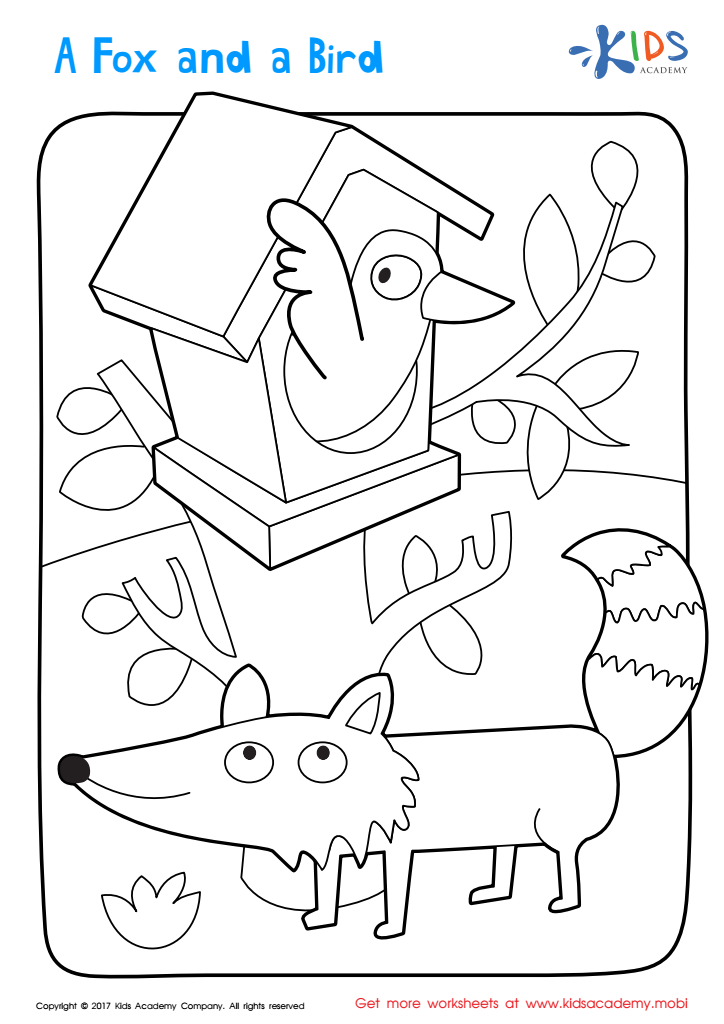
A Fox and Bird Coloring Page
Flex their creativity with this fun-filled coloring page: A Fox and Bird! Let kids express themselves through colors, allowing them to make each scene their own. This picture will bring joy to their art routine!
Download (PDF)
 Assign to My Students
Assign to My Students
A Fox and Bird Coloring Page
Worksheet
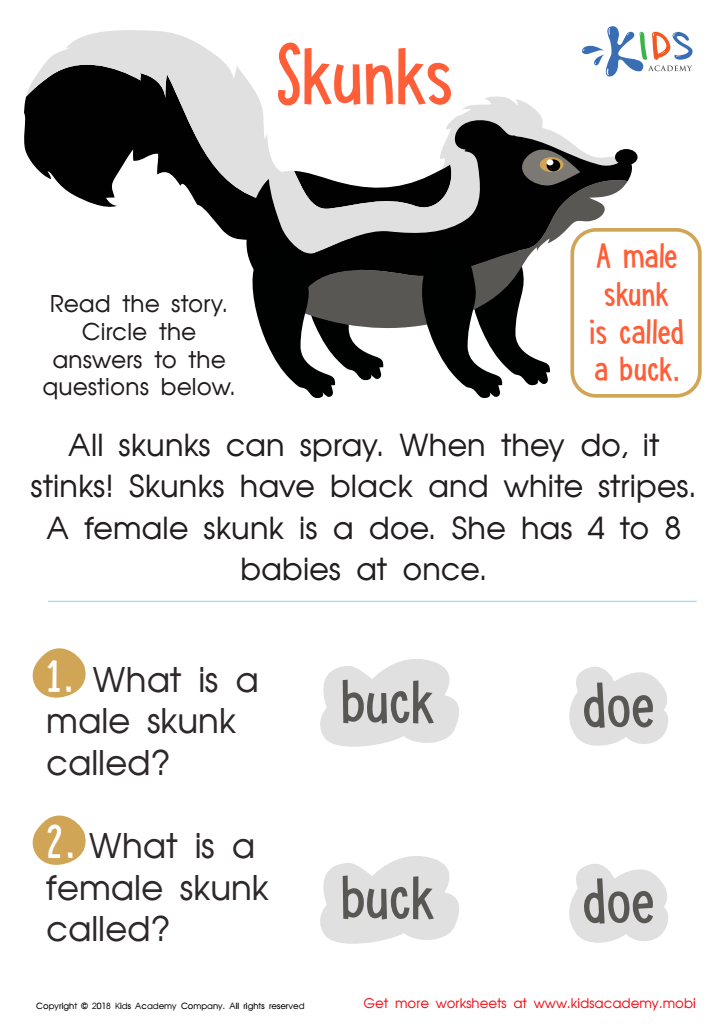
Skunks Worksheet
Kids can learn fascinating information about a beloved and smelly animal with this fun worksheet. They'll read articles, texts, and look at an accompanying picture while reading. Captions and sidebars can give extra details. Finally, answer the given questions by selecting the correct response. Reading is a fun and informative way to gain knowledge!
Skunks Worksheet
Worksheet
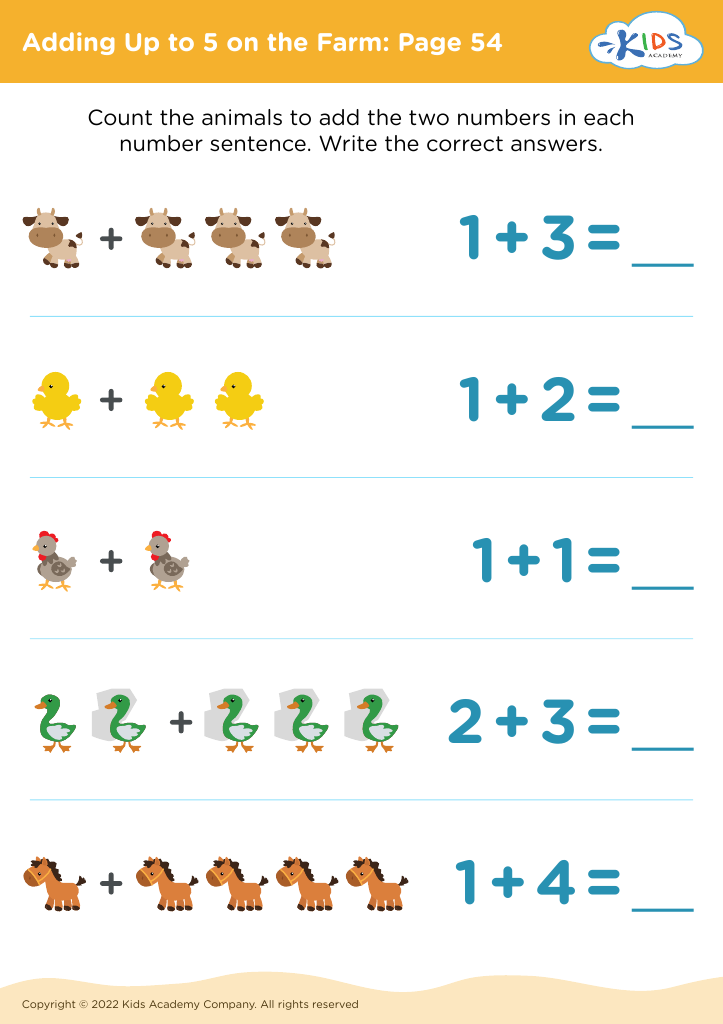
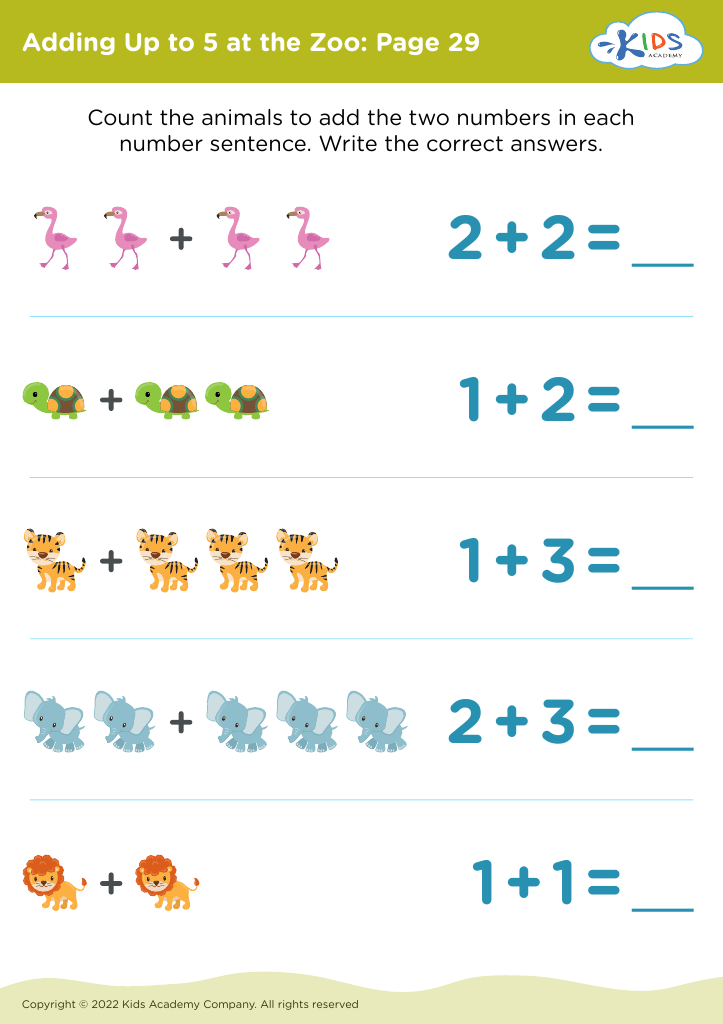
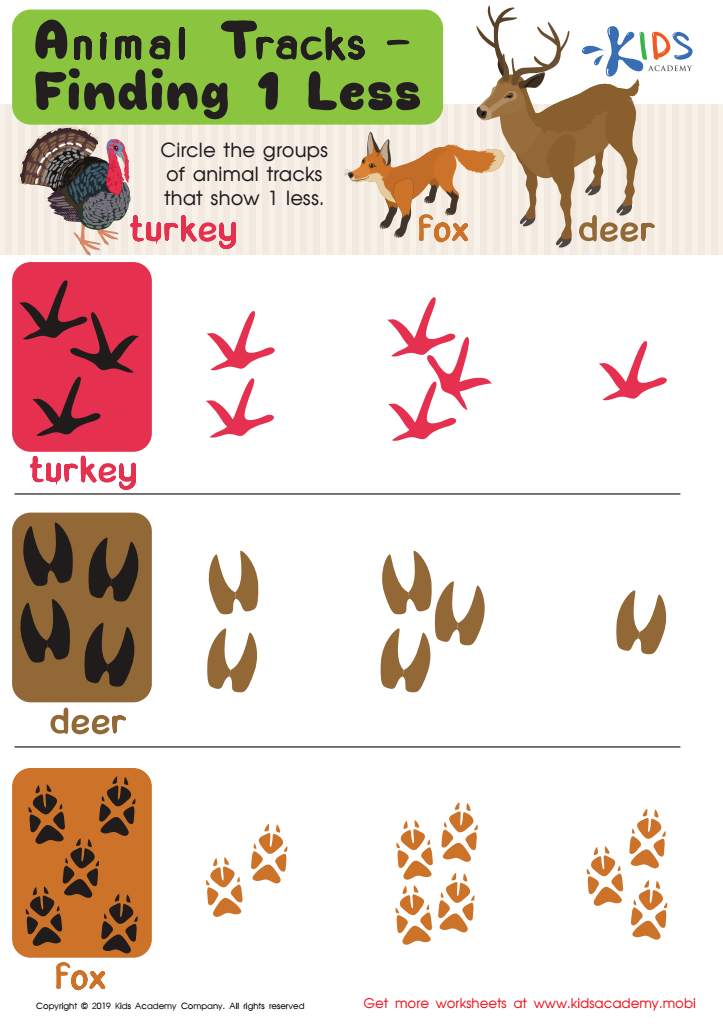
Animal Tracks: Find 1 Less Worksheet
Animals are all around us - wild and domestic. Ask your kids to name their favourites, then use this animal tracks worksheet to explore more. Help them circle the groups with 1 less animal track. It's a great way to learn about the creatures we share our world with!
Animal Tracks: Find 1 Less Worksheet
Worksheet
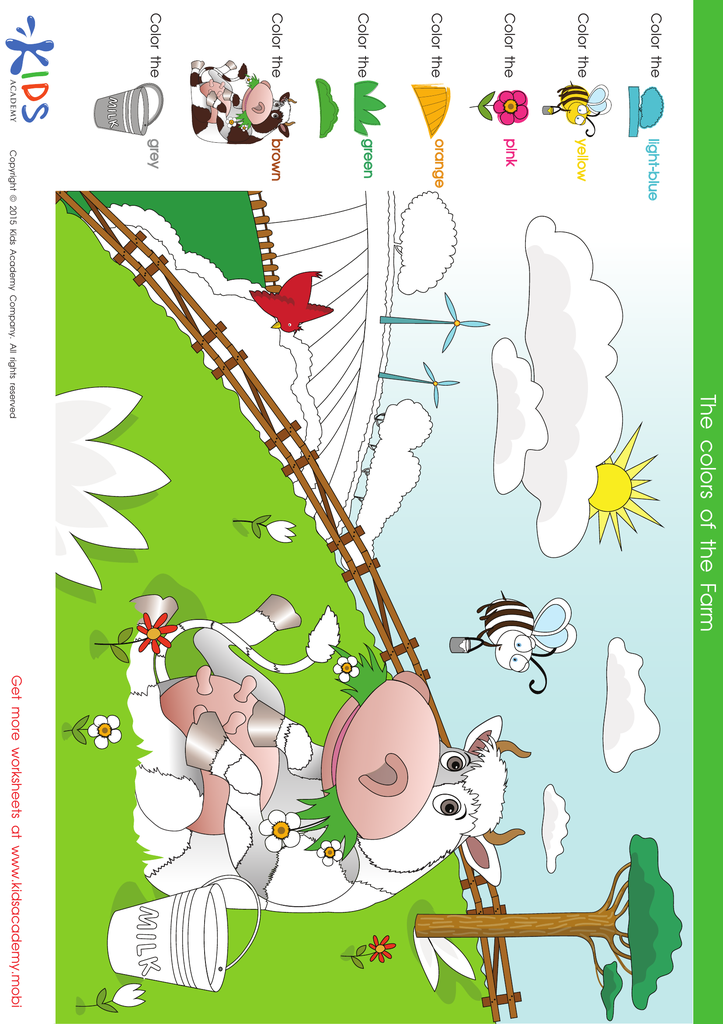
Color the Cow and the Fields Coloring Pages
Let's color a cow in the field and create a new story about farm life! Use the tips in the left side of the picture and have fun! Other coloring sheets can be found at Kids Academy - download and print more materials and develop your kids' skills. Enjoy!
Color the Cow and the Fields Coloring Pages
Worksheet
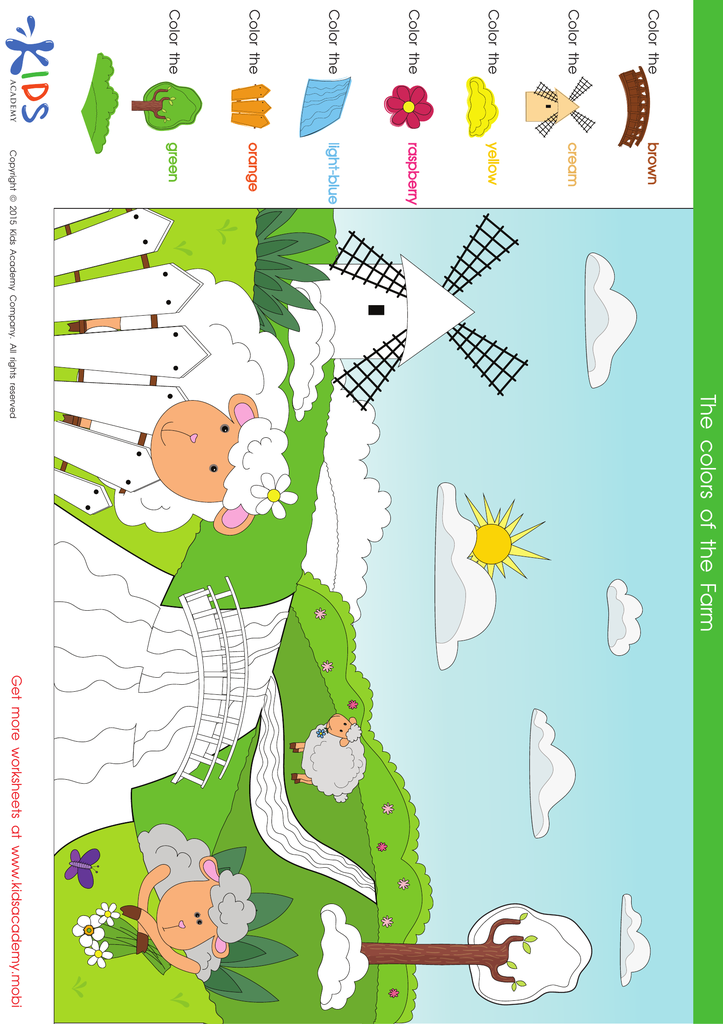
Color the Sheep in the Field Coloring Pages
Kids can have fun and study at the same time with Kids Academy's worksheets! Download and print the learning activities, such as coloring pages. Carefully color the sunny worksheet, take a look at the tips, and pick more free printable pages to enjoy. Let's have some fun together!
Color the Sheep in the Field Coloring Pages
Worksheet
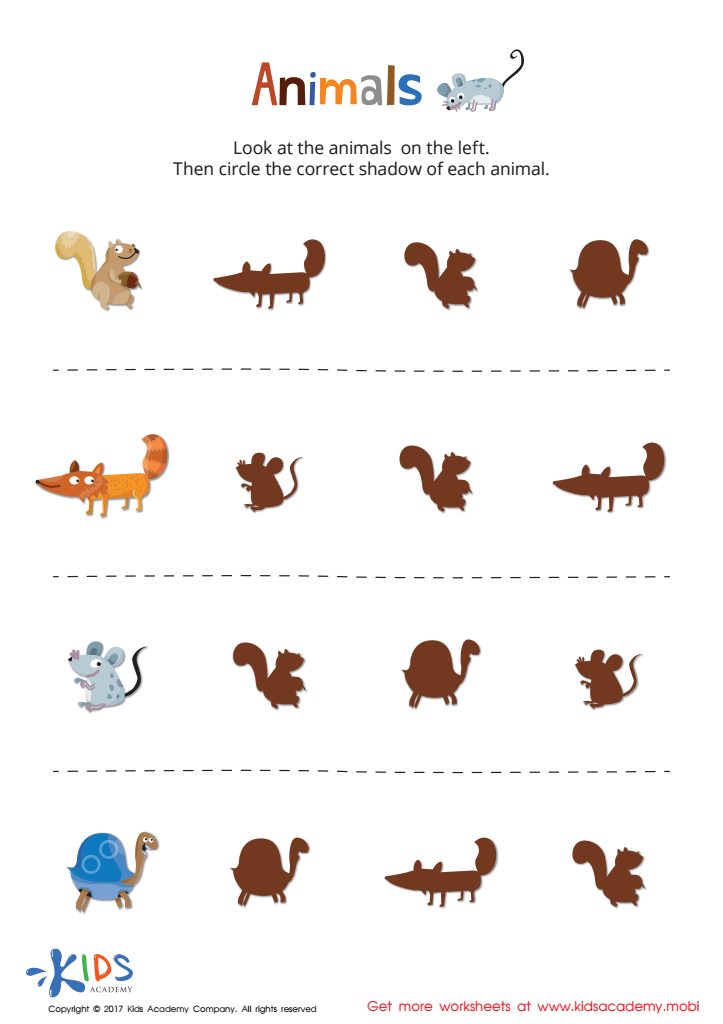
Animal Shadows Sorting Worksheet
This fun worksheet helps your child sharpen many skills. It features animals to match shapes and practice relative directions. Your child will sort animal features, practice spatial recognition, and recognize right/left. Plus, you can use it to start conversations about the animals. And try it also with fruits and veggies to boost sorting skills.
Animal Shadows Sorting Worksheet
Worksheet
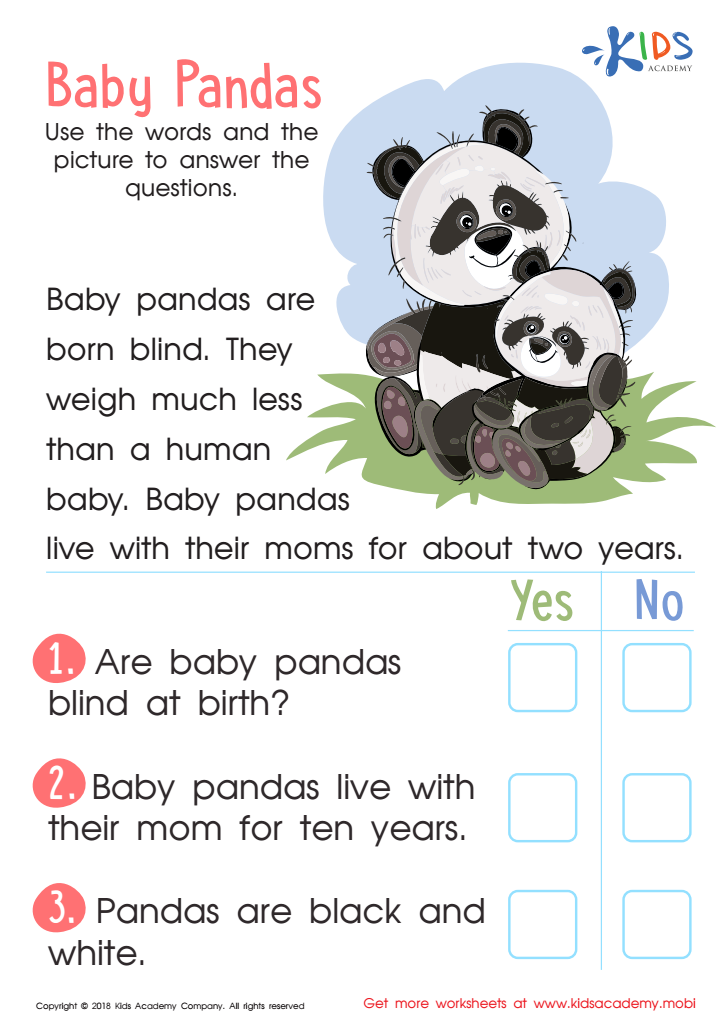
Baby Pandas Worksheet
Kids can't usually see pandas in person, but they can learn more about them with this fun worksheet! It includes a passage and picture, plus questions at the end to check kids' reading comprehension. Just ask them to read the text, check the "yes" and "no" boxes, and enjoy the fascinating facts about baby pandas!
Baby Pandas Worksheet
Worksheet
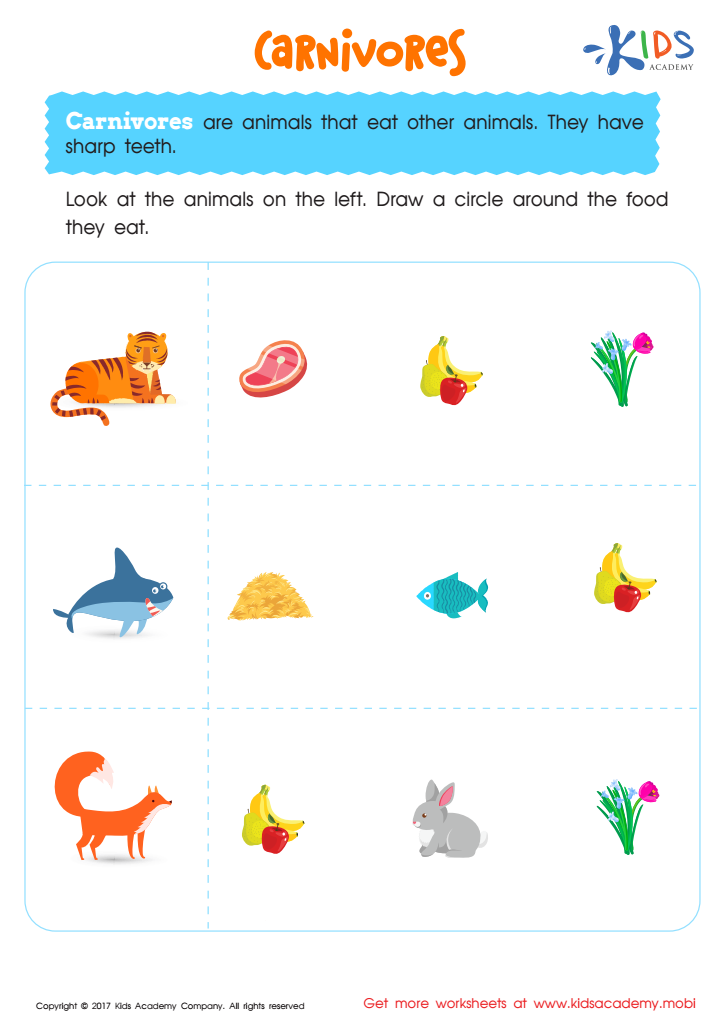
Carnivores Worksheet
Boost their vocabulary and help them explore the incredible world of carnivores.
Carnivores Worksheet
Worksheet
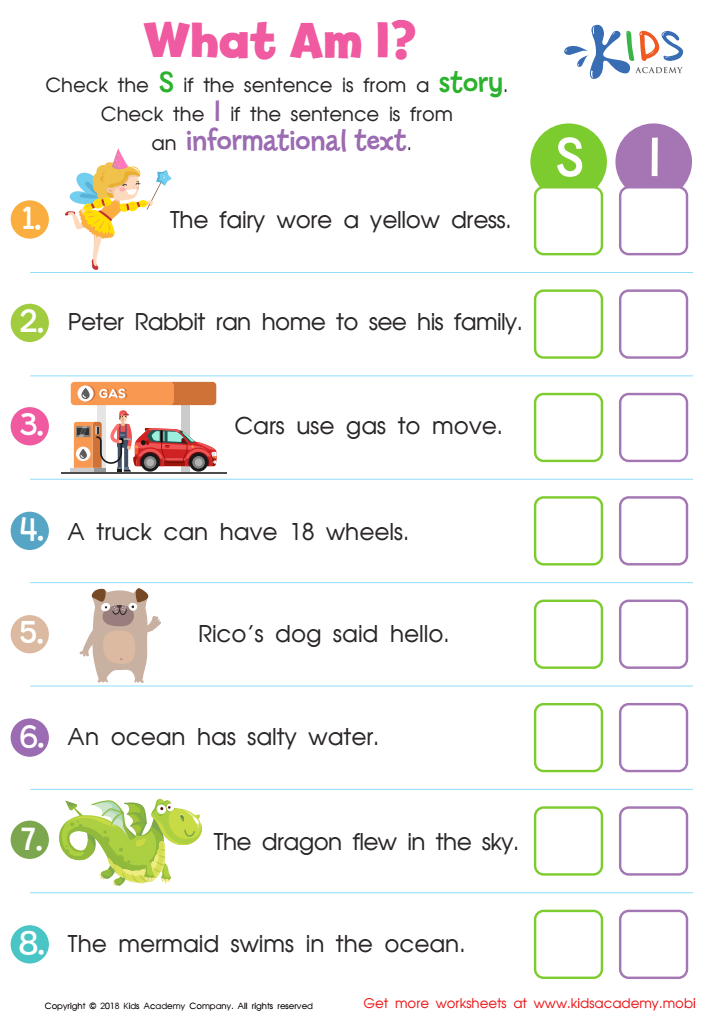
What Am I? Worksheet
This worksheet assesses students' ability to differentiate between stories and texts they read for facts. Students learn to distinguish between reading for pleasure and reading for information. It includes statements from both a story and an informational text, and students must decide what type of text it is.
What Am I? Worksheet
Worksheet
Join Kids Academy for Free
Who is primarily going to use this learning content?








Animal identification is crucial for children ages 3-6 as it fosters early cognitive development, enhances social-emotional skills, and promotes environmental awareness. Teaching young children about different animals helps improve their vocabulary and language skills. By learning names, characteristics, and habitats, children expand their communication abilities and spark their curiosity about the natural world.
Moreover, recognizing various animals can support social-emotional development. Children often relate to animals, expressing empathy and nurturing behaviors through role-play and storytelling. Understanding that each animal has its own traits encourages kindness and respect for living beings. This fosters a sense of responsibility and caring nature towards both pets and wildlife.
Additionally, animal identification plays a role in instilling an appreciation for biodiversity and the environment. Educators and parents can use animal recognition to introduce concepts of conservation and the importance of protecting different species. This early exposure teaches children about ecosystems and encourages a sense of stewardship for the planet.
In summary, engaging young children in animal identification is an effective way to enhance language skills, cultivate empathy, and build a foundational understanding of their environment, all of which are essential for their overall growth and development.








