Animal identification Worksheets for Ages 3-6 - Page 2
48 filtered results
-
From - To
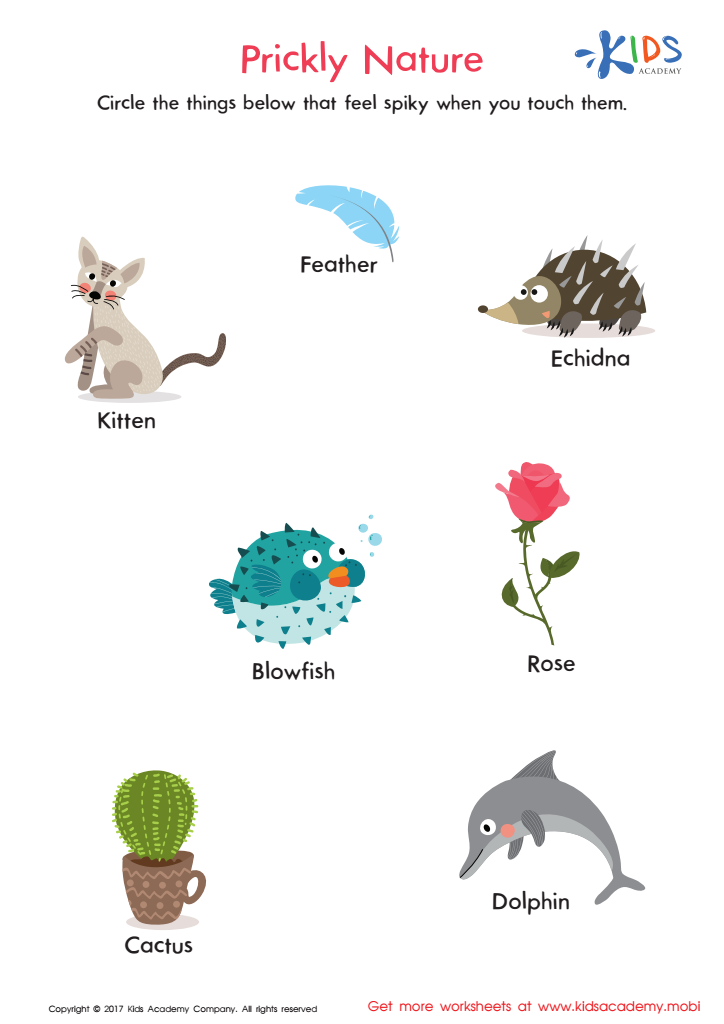
Prickly Nature Worksheet
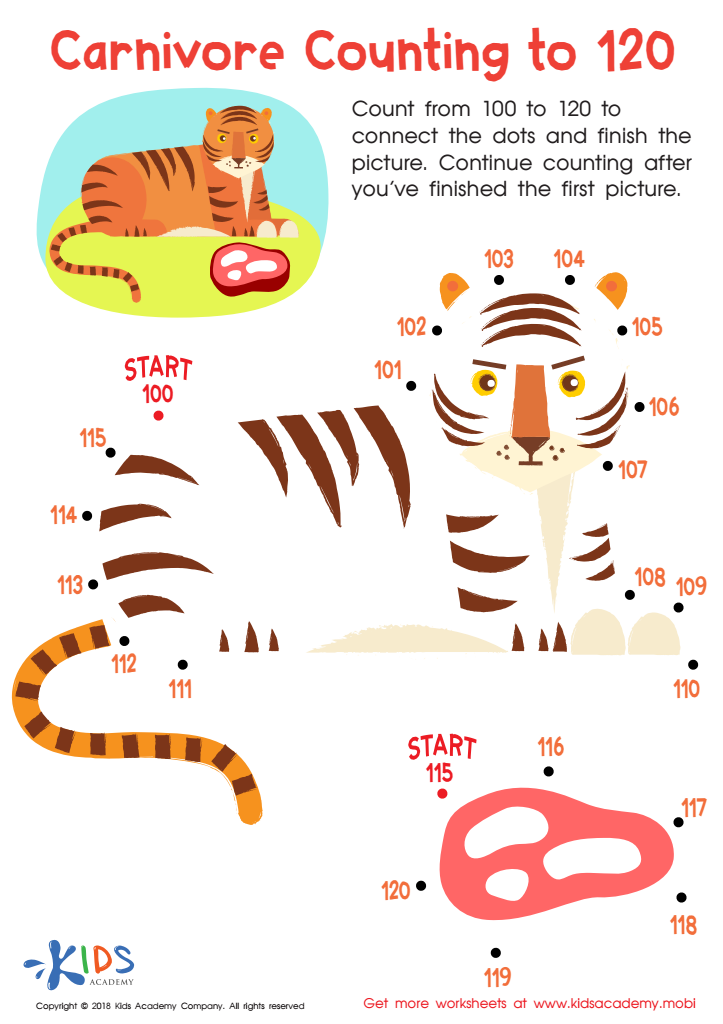
Carnivore Counting to 120 Worksheet
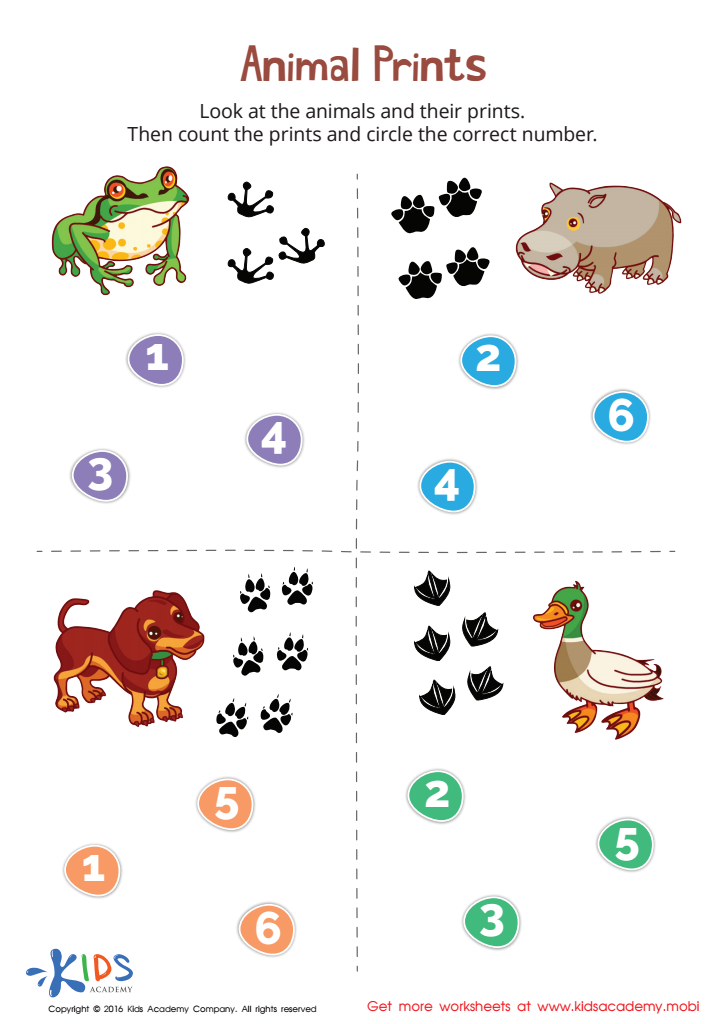
Animal Prints Match-Up Worksheet
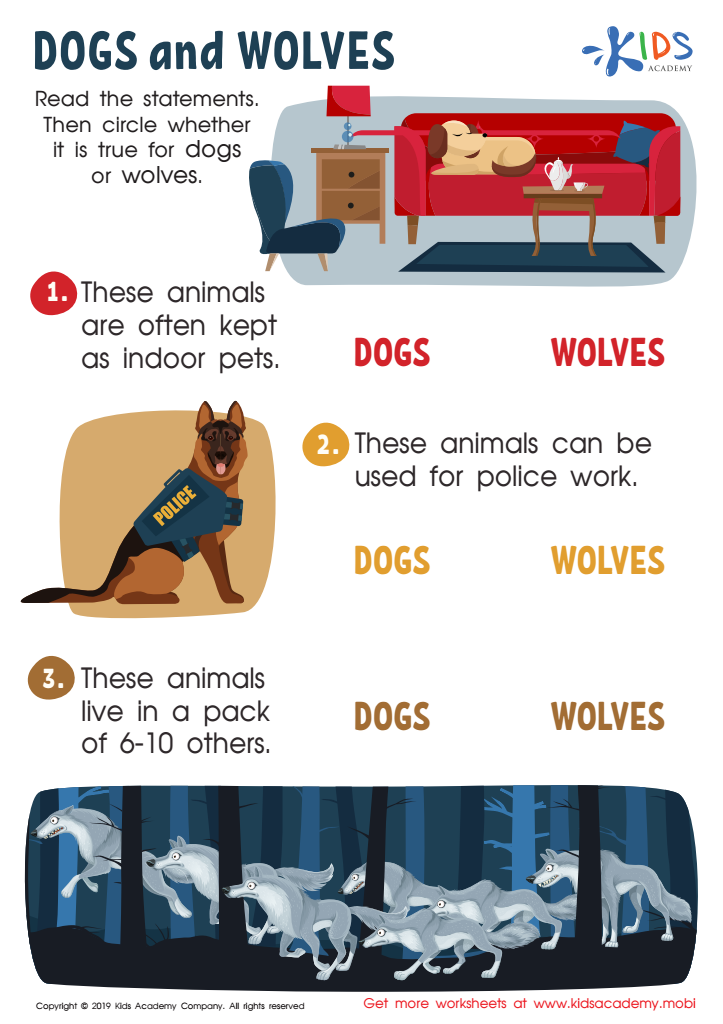
Dogs and Wolves Worksheet
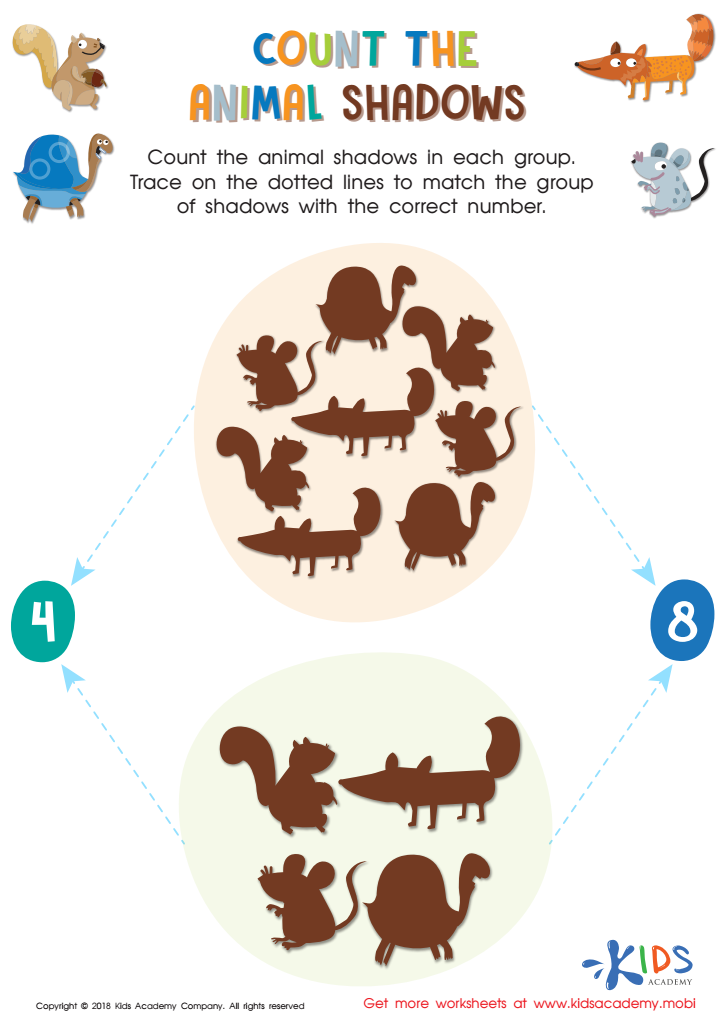
Count the Animal Shadows Worksheet
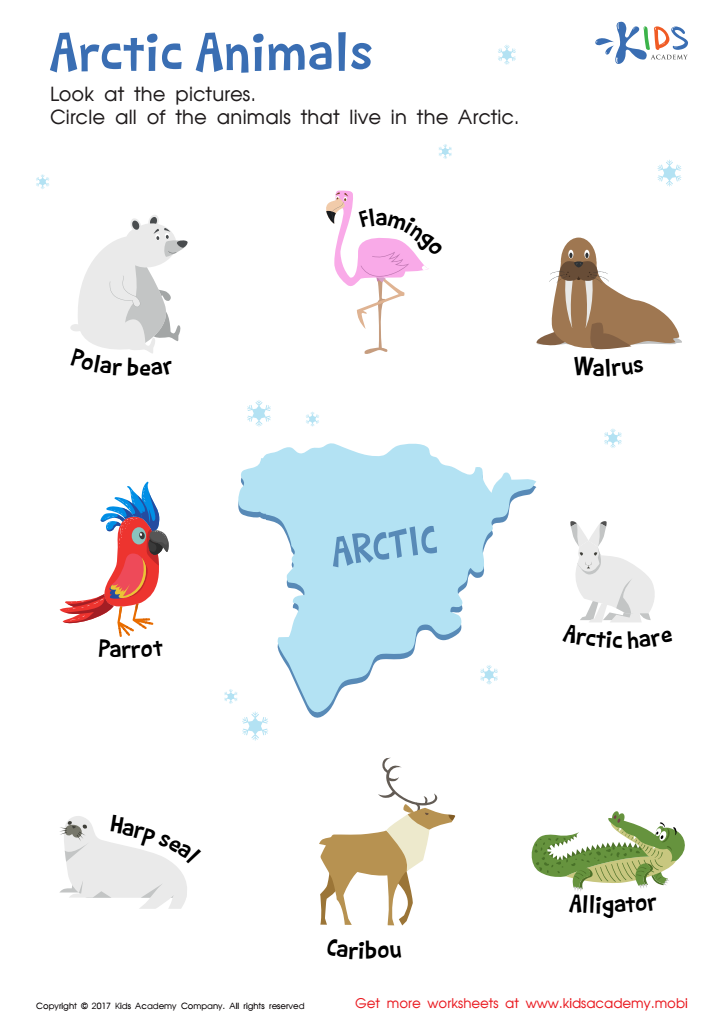
Arctic Animals Worksheet

Turkey Thanksgiving Day Worksheet
 Assign to My Students
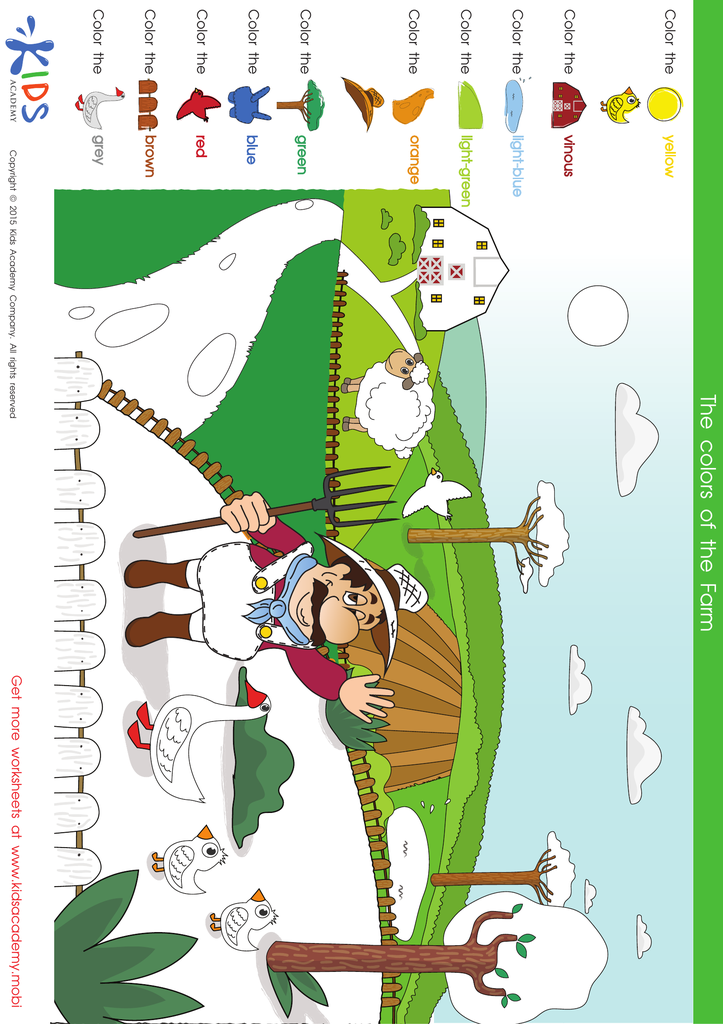
Color the Farmer and His Geese Coloring Pages
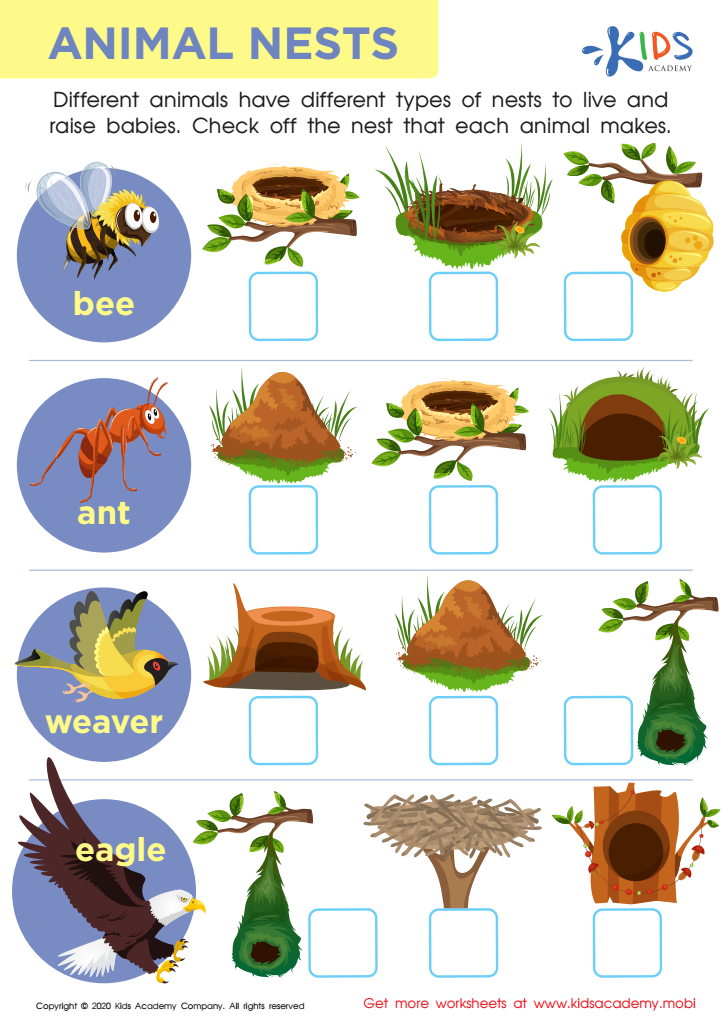
Animal Nests Worksheet
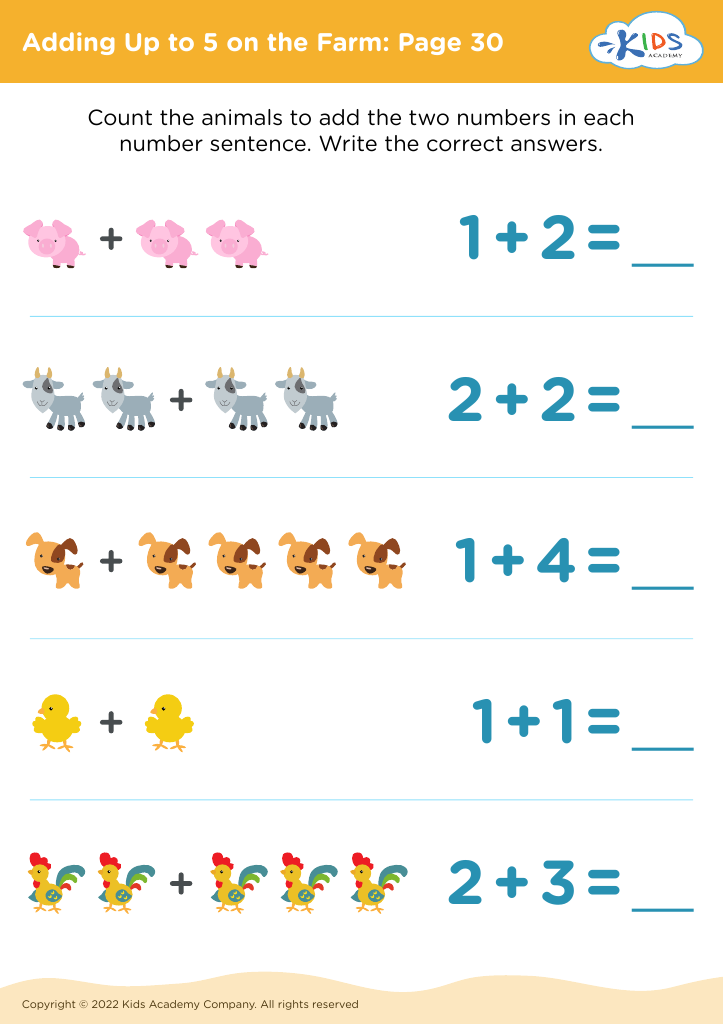

Great Hornbill Worksheet
Assign to My Students
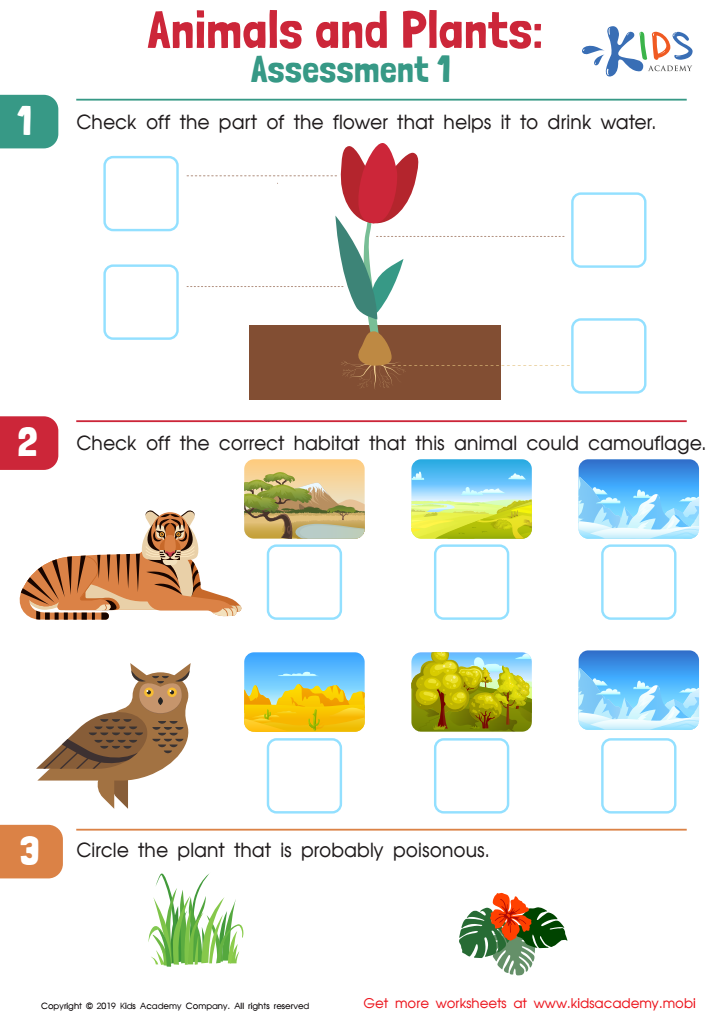
Animals and Plants: Assessment 1 Worksheet







Animal identification is crucial for children ages 3-6 as it fosters early cognitive development, enhances social-emotional skills, and promotes environmental awareness. Teaching young children about different animals helps improve their vocabulary and language skills. By learning names, characteristics, and habitats, children expand their communication abilities and spark their curiosity about the natural world.
Moreover, recognizing various animals can support social-emotional development. Children often relate to animals, expressing empathy and nurturing behaviors through role-play and storytelling. Understanding that each animal has its own traits encourages kindness and respect for living beings. This fosters a sense of responsibility and caring nature towards both pets and wildlife.
Additionally, animal identification plays a role in instilling an appreciation for biodiversity and the environment. Educators and parents can use animal recognition to introduce concepts of conservation and the importance of protecting different species. This early exposure teaches children about ecosystems and encourages a sense of stewardship for the planet.
In summary, engaging young children in animal identification is an effective way to enhance language skills, cultivate empathy, and build a foundational understanding of their environment, all of which are essential for their overall growth and development.








