Basic Counting Worksheets for Ages 3-6
6 filtered results
-
From - To
Discover our Basic Counting Worksheets for ages 3-6, designed to make learning numbers fun and engaging! These worksheets provide children with creative and interactive ways to practice essential counting skills through vibrant visuals and playful exercises. Perfect for preschool and kindergarten settings, they encourage early learners to recognize numbers, count objects, and develop a strong foundational understanding of mathematics. Whether used at home or in the classroom, these worksheets will inspire confidence and foster a love for numbers. Unlock your child's potential and watch them master counting while enjoying colorful activities tailored just for them!
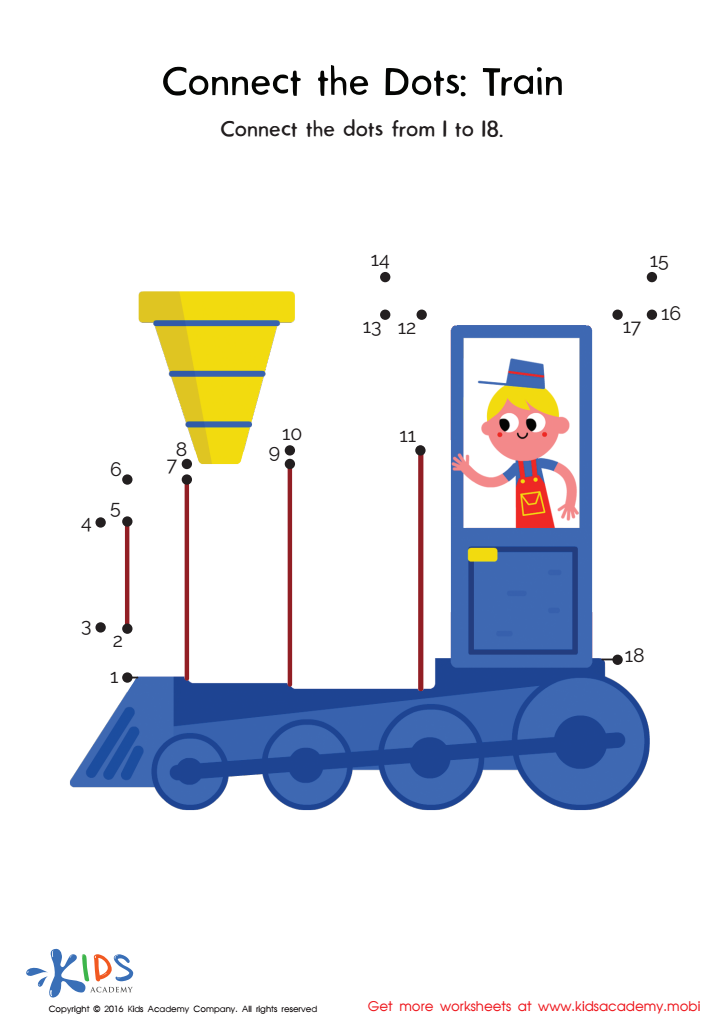
 Assign to My Students
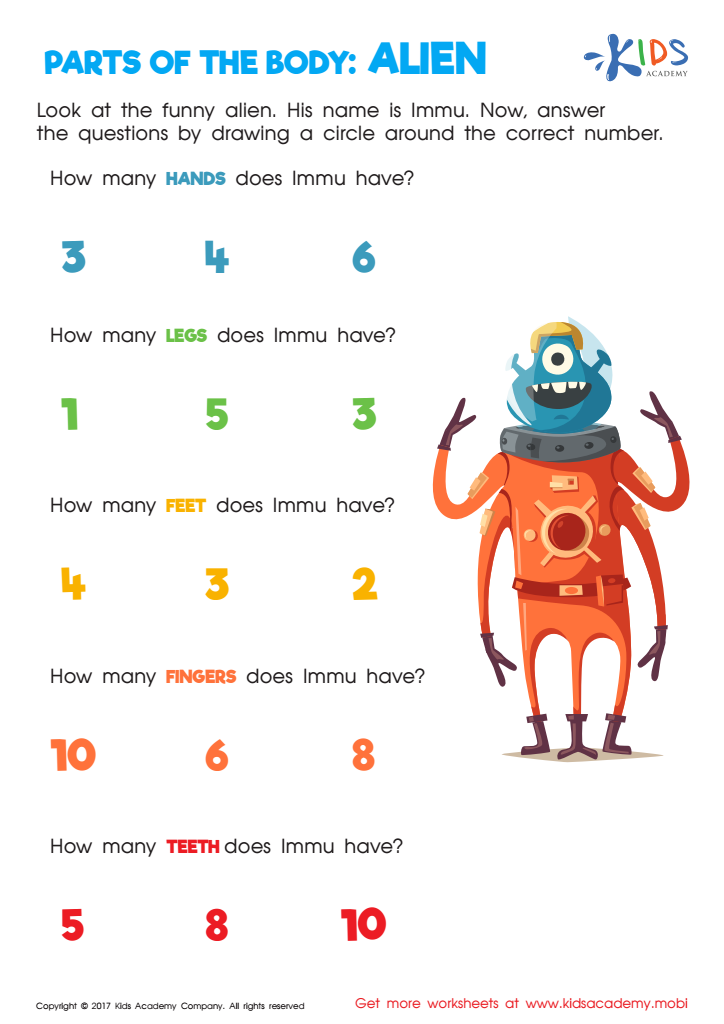
Alien Worksheet
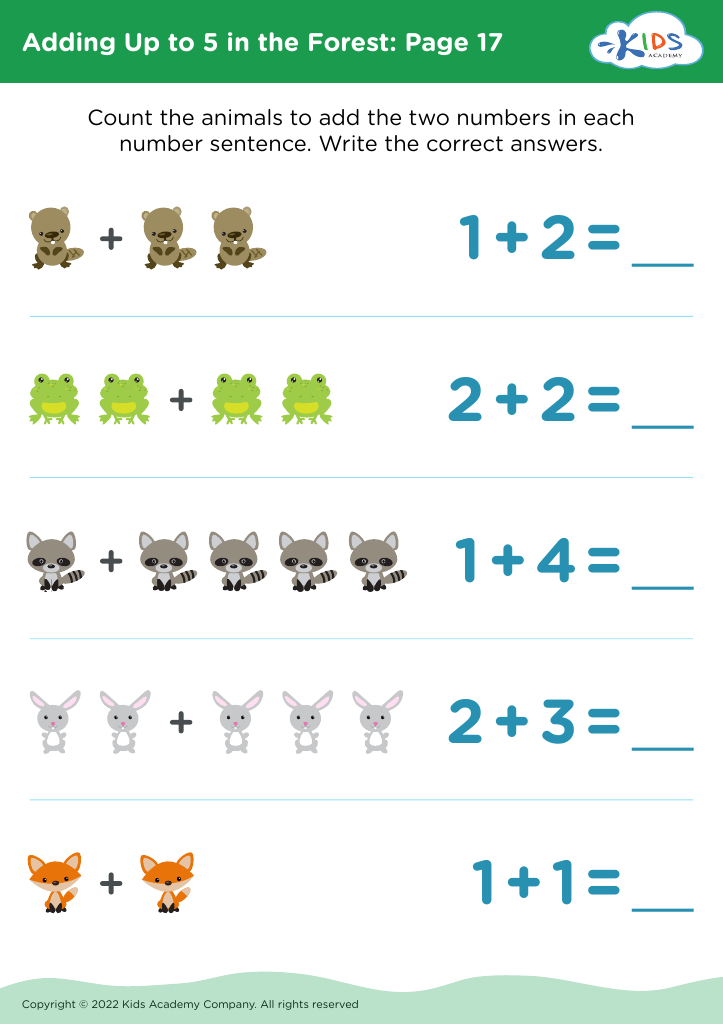
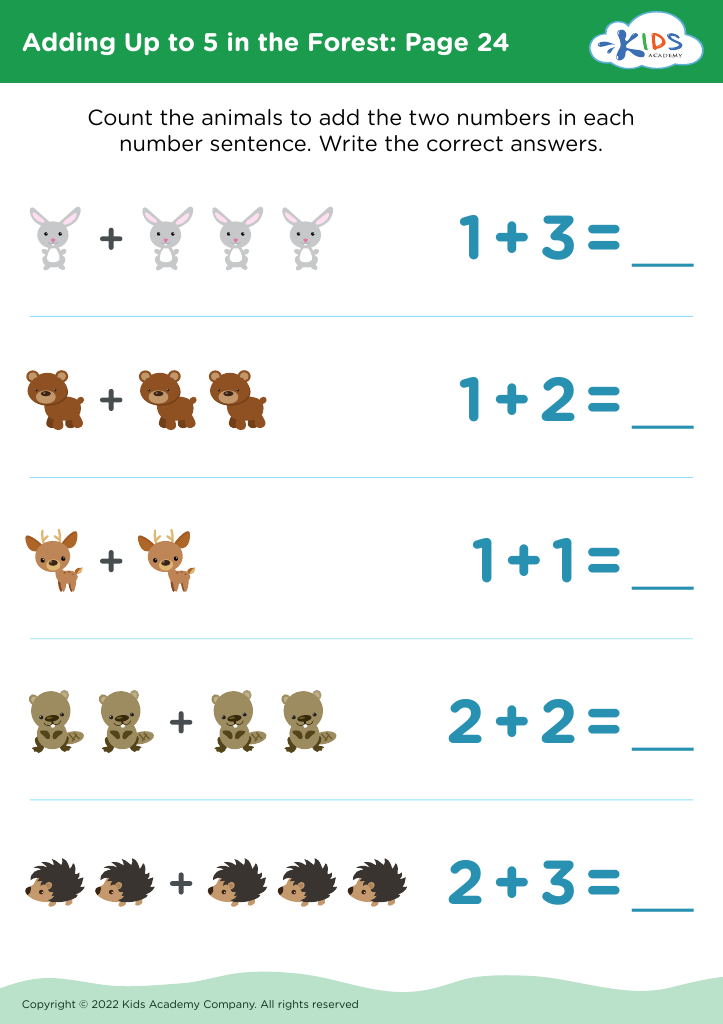
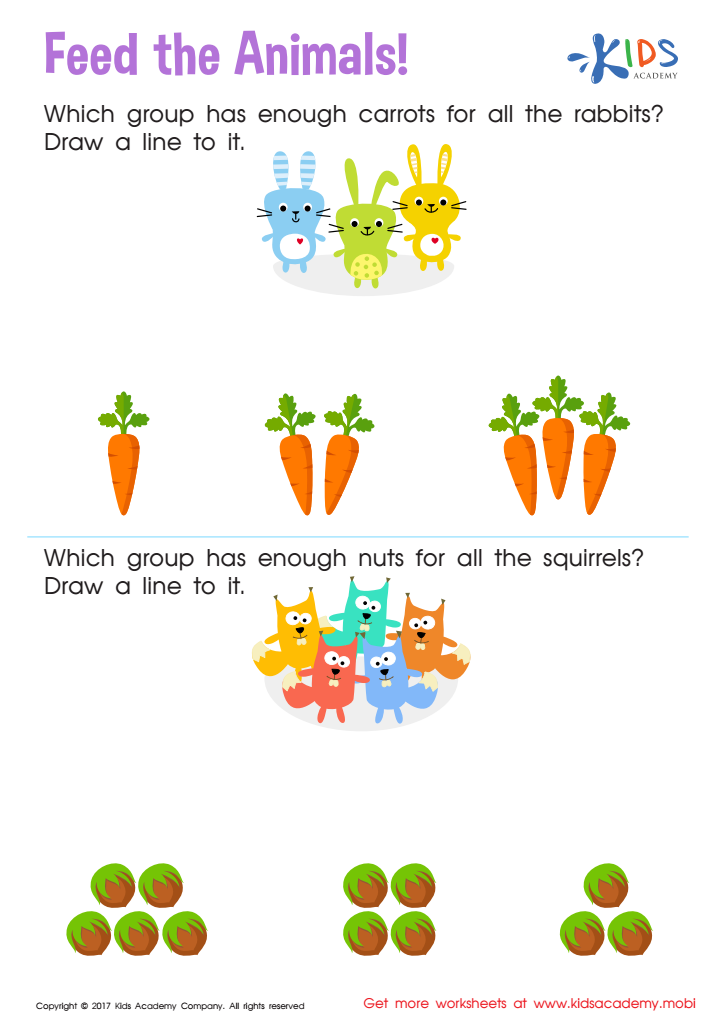
Count and Match: Feed the Animals Worksheet
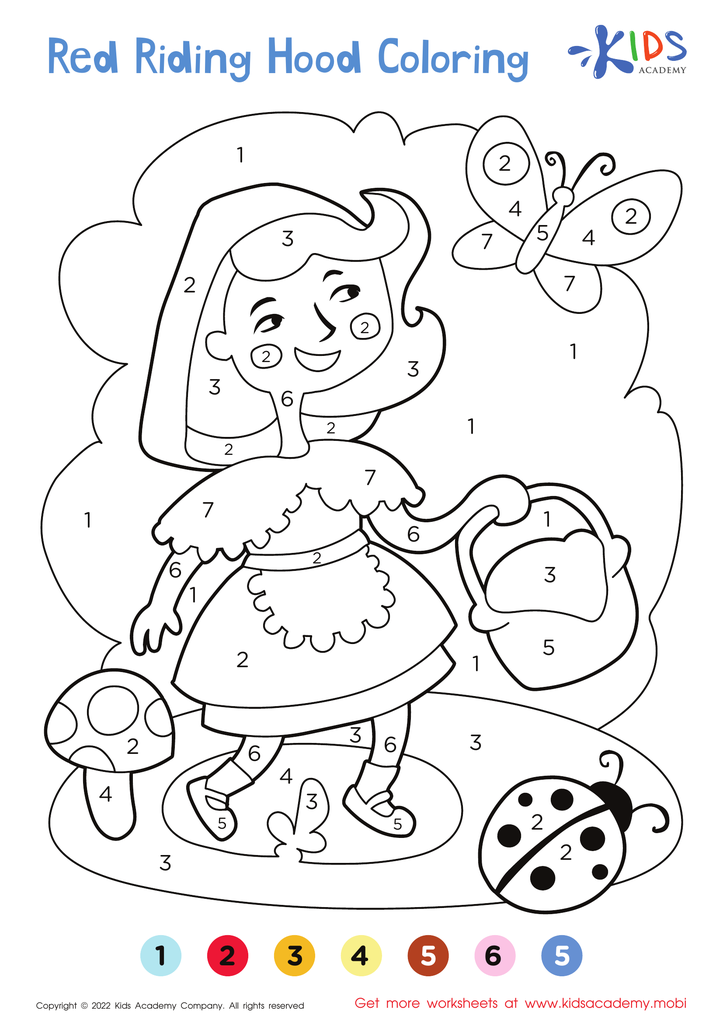
Little Red Riding Hood – Coloring by Numbers








Basic counting is a fundamental skill that lays the groundwork for a child's mathematical understanding and overall cognitive development. For children aged 3-6, this stage is crucial for developing number sense, which helps them understand quantities, patterns, and relationships. By mastering basic counting, children can enhance their problem-solving abilities and improve their analytical thinking.
Parents and teachers play a pivotal role in this early learning phase. Engaging children in counting activities—whether through games, songs, or everyday conversations—makes learning fun and interactive, fostering a positive attitude toward math. This early exposure also helps children develop essential skills such as memory, focus, and attention to detail.
Moreover, counting is not limited to math; it enhances language development and encourages social skills. Activities like counting objects or sharing toys promote cooperation among peers. Additionally, recognizing numbers and counting can bolster a child’s confidence, as they gain a sense of achievement when they master new skills.
In summary, emphasizing basic counting in early childhood education nurtures a well-rounded intellectual foundation, equipping students for future academic success while also enriching their social and emotional development. Parents and teachers should consider it a priority in early learning environments.








