Color recognition Worksheets for Ages 3-6 - Page 4
105 filtered results
-
From - To
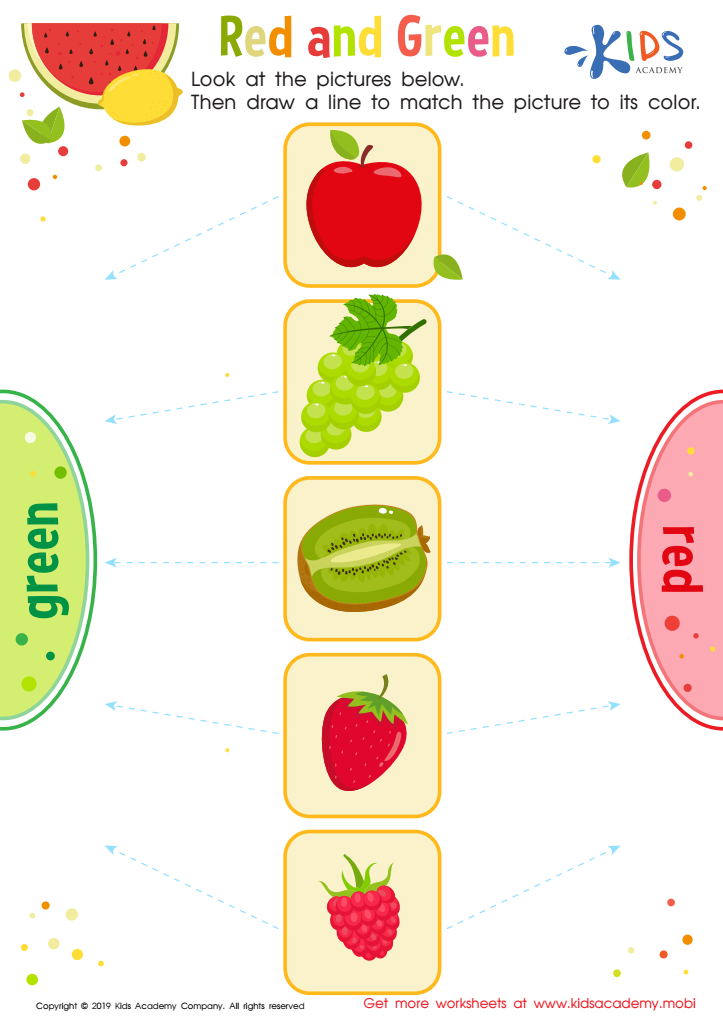
Red and Green Worksheet

Christmas: Snowman Printable
 Assign to My Students
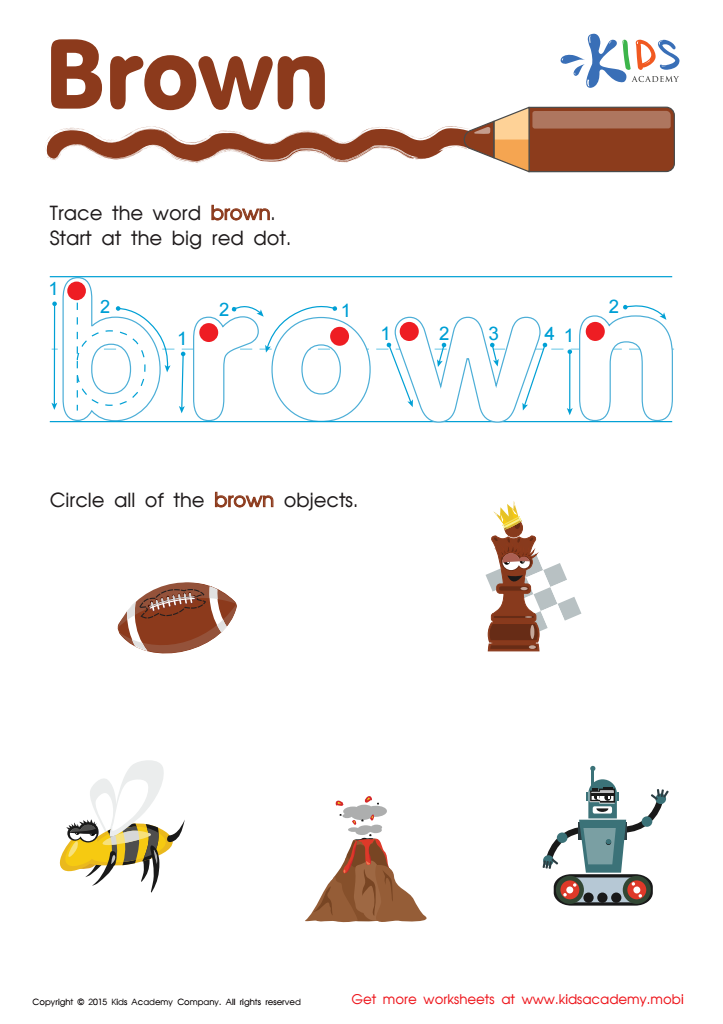
Brown Tracing Color Words Worksheet
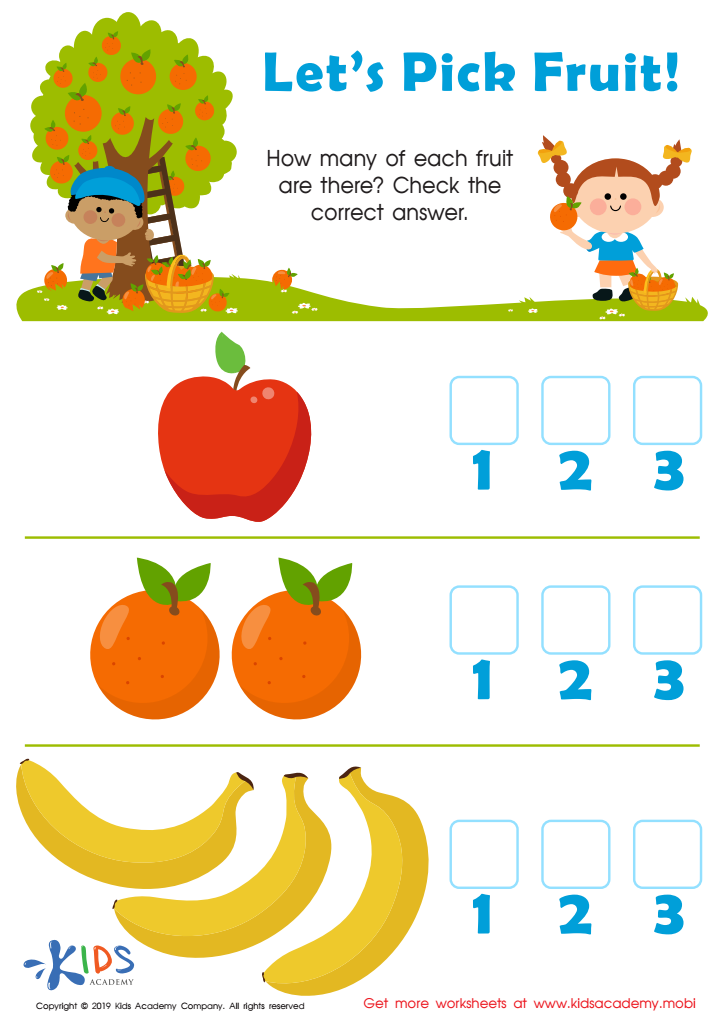
Let's Pick Fruit Worksheet
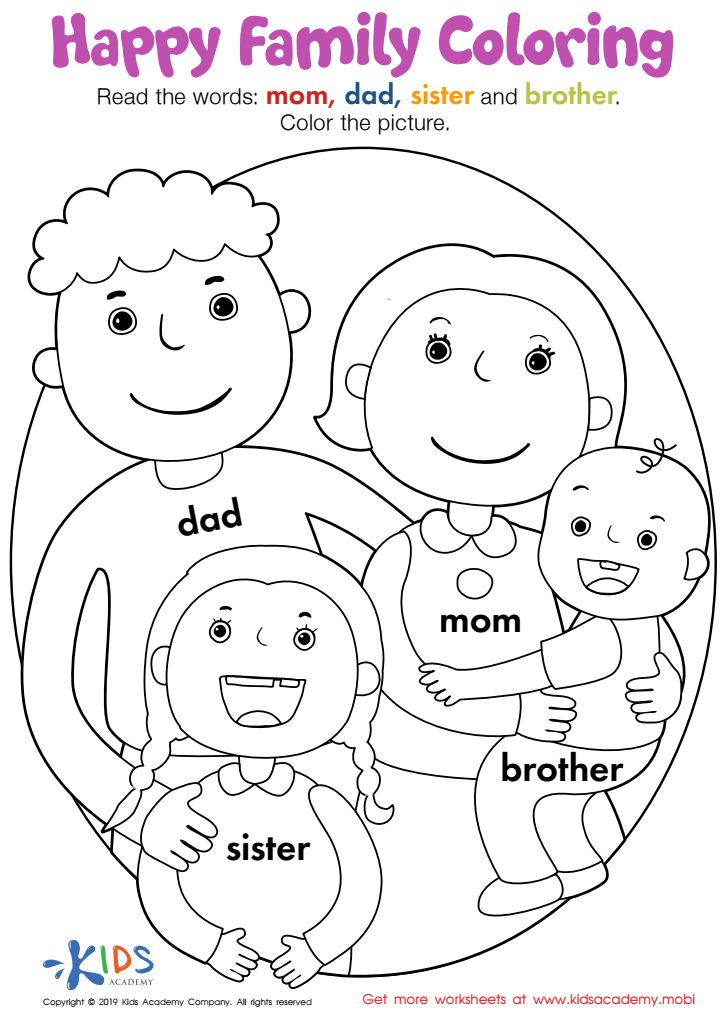
Happy Family Coloring Worksheet
Assign to My Students
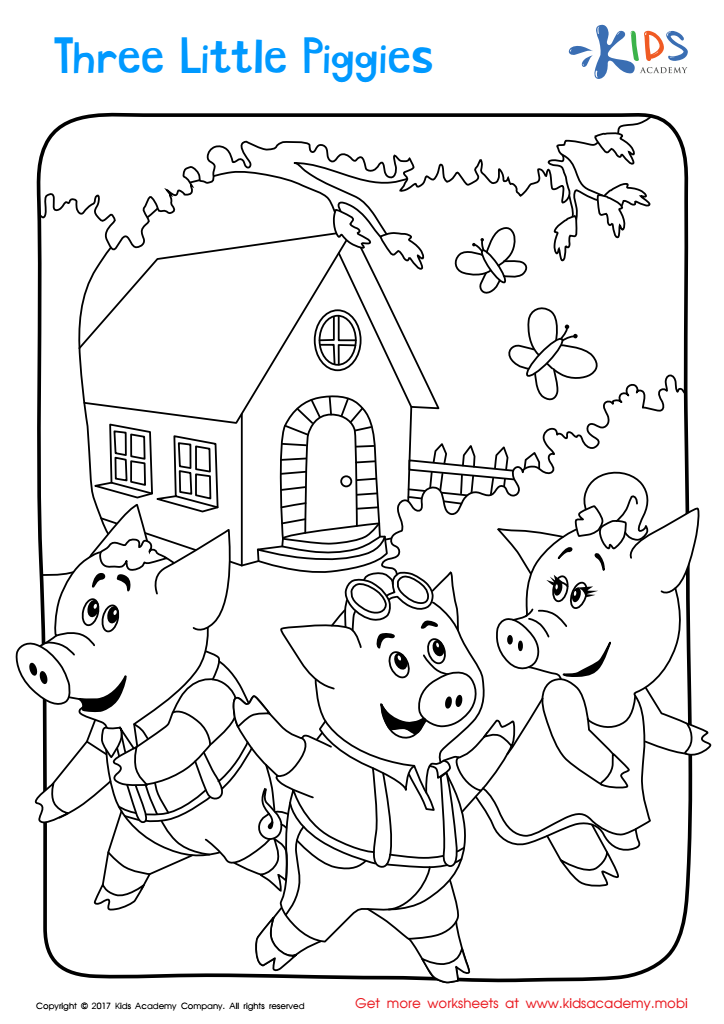
Three Little Piggies Printable Coloring Page
Assign to My Students
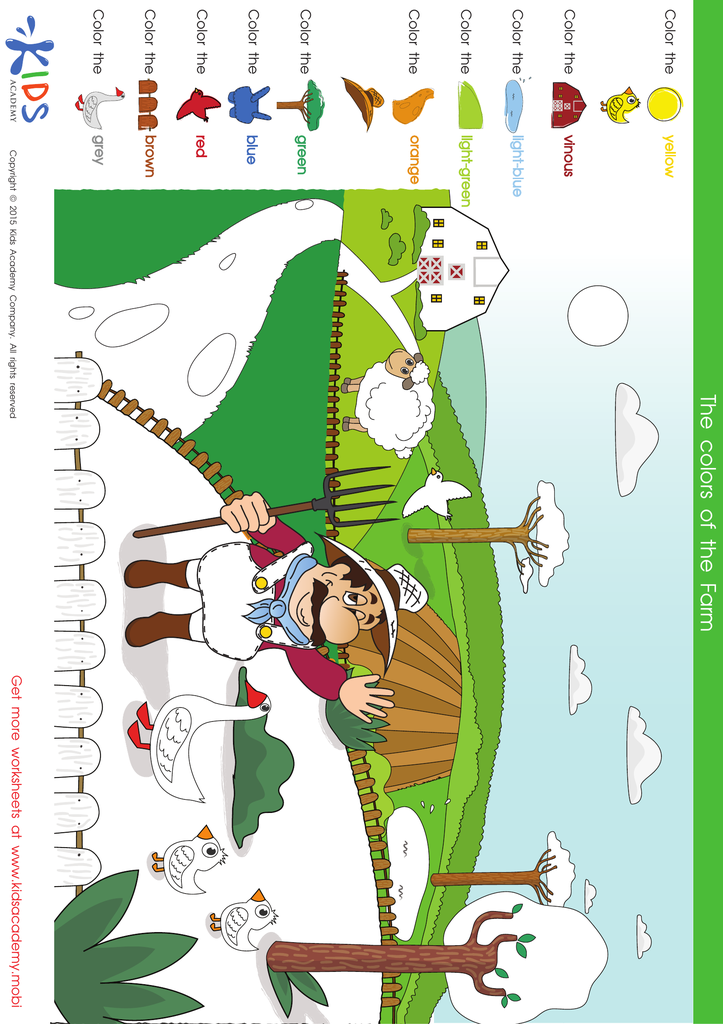
Color the Farmer and His Geese Coloring Pages

Globe Coloring Page Worksheet
Assign to My Students
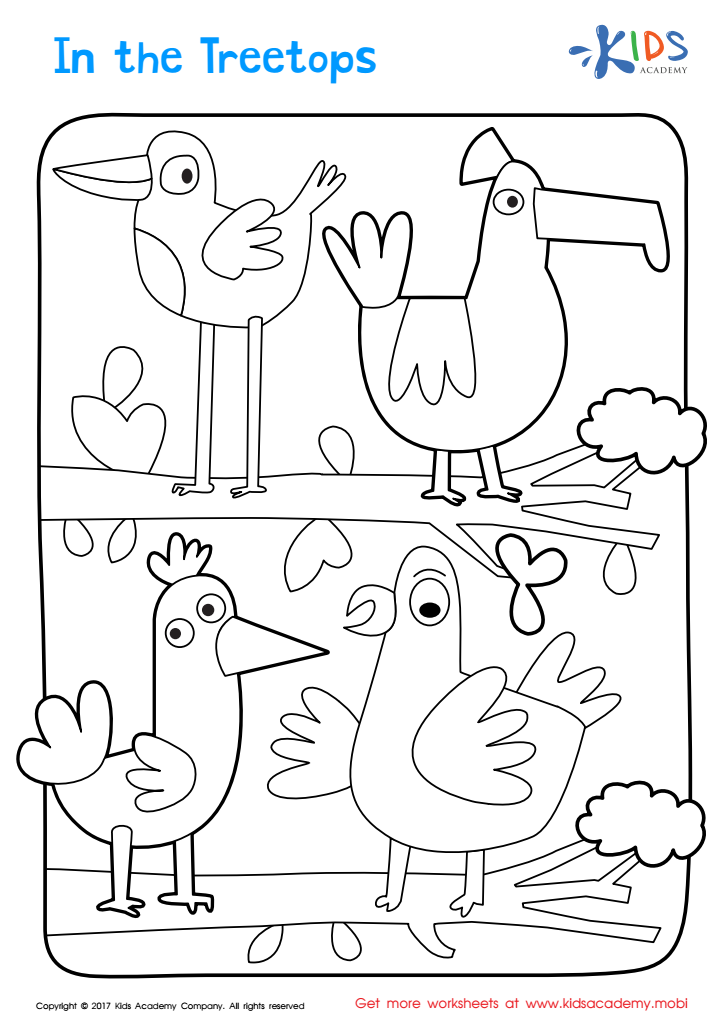
In the Treetops Coloring Page
Assign to My Students
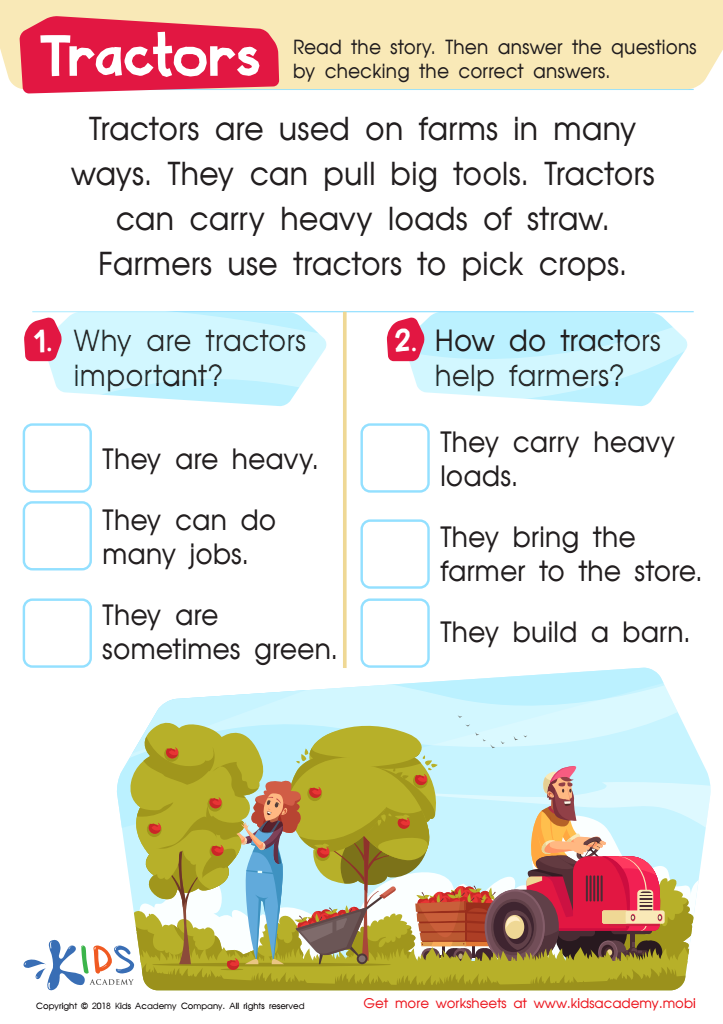
Tractors Worksheet
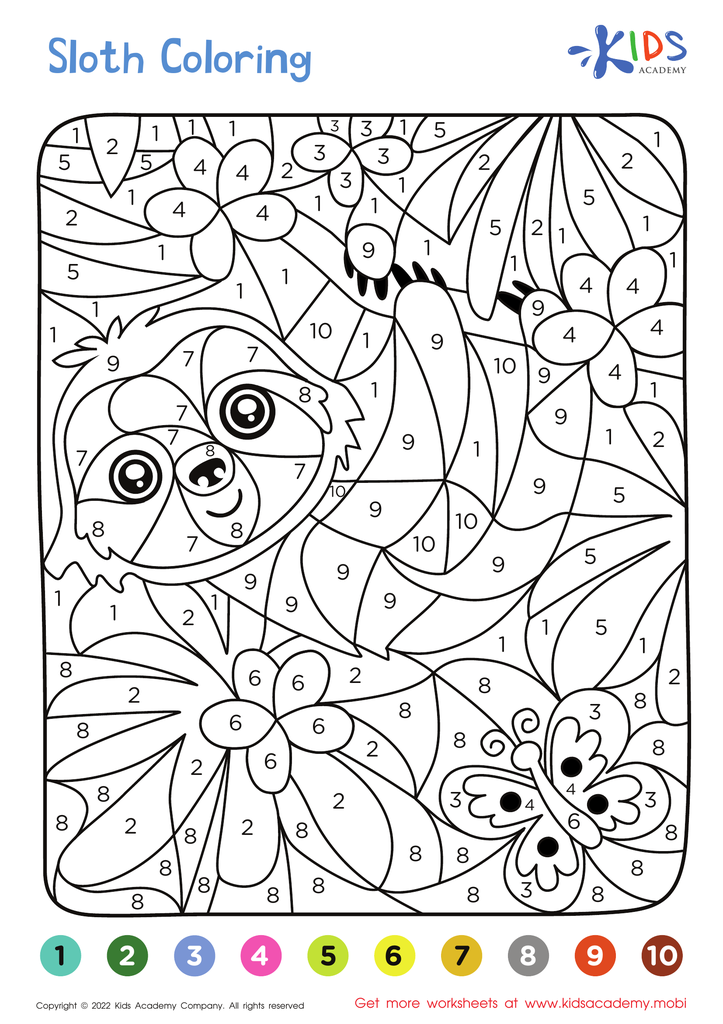
Sloth – Coloring by Numbers
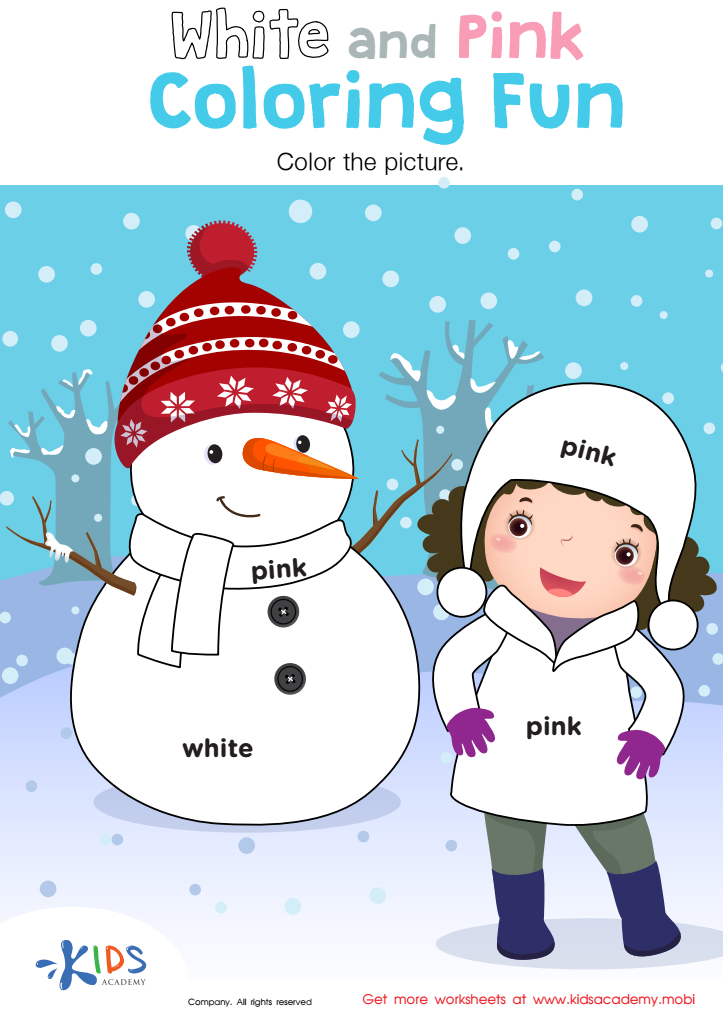
White and Pink Coloring Fun Worksheet
Assign to My Students
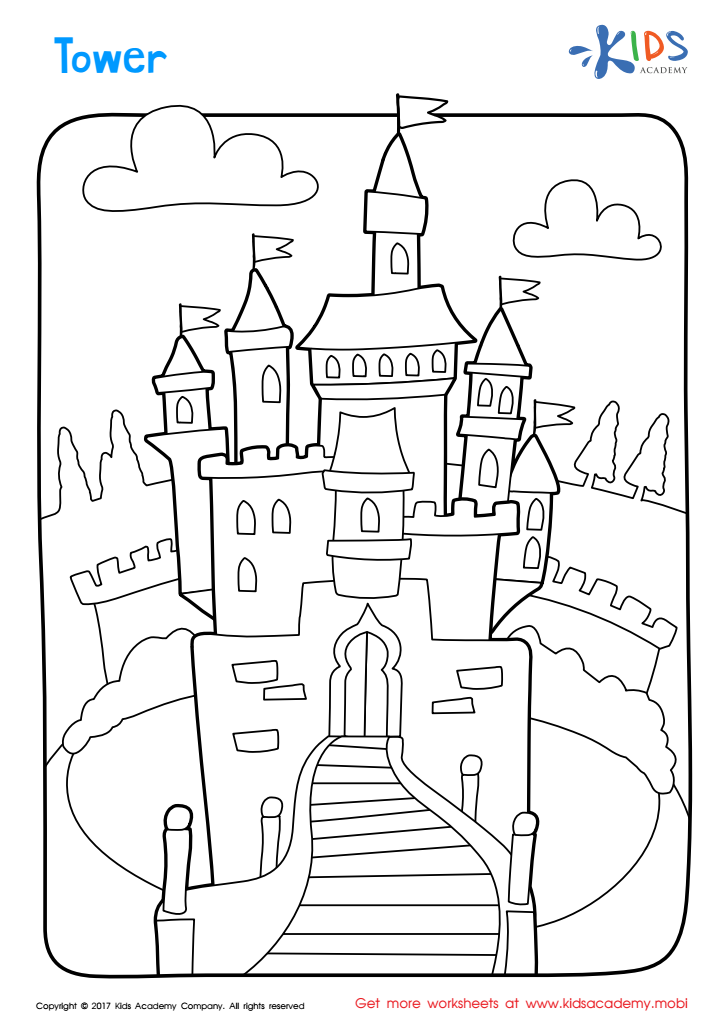
Tower Coloring Page
Assign to My Students
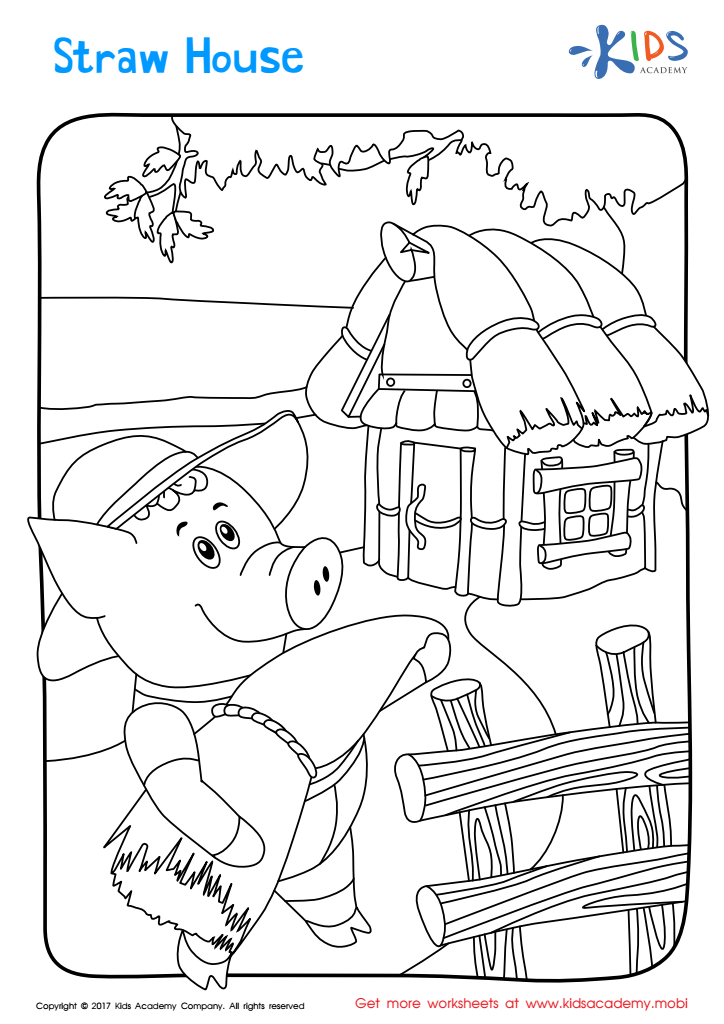
Straw House Printable Coloring Page
Assign to My Students
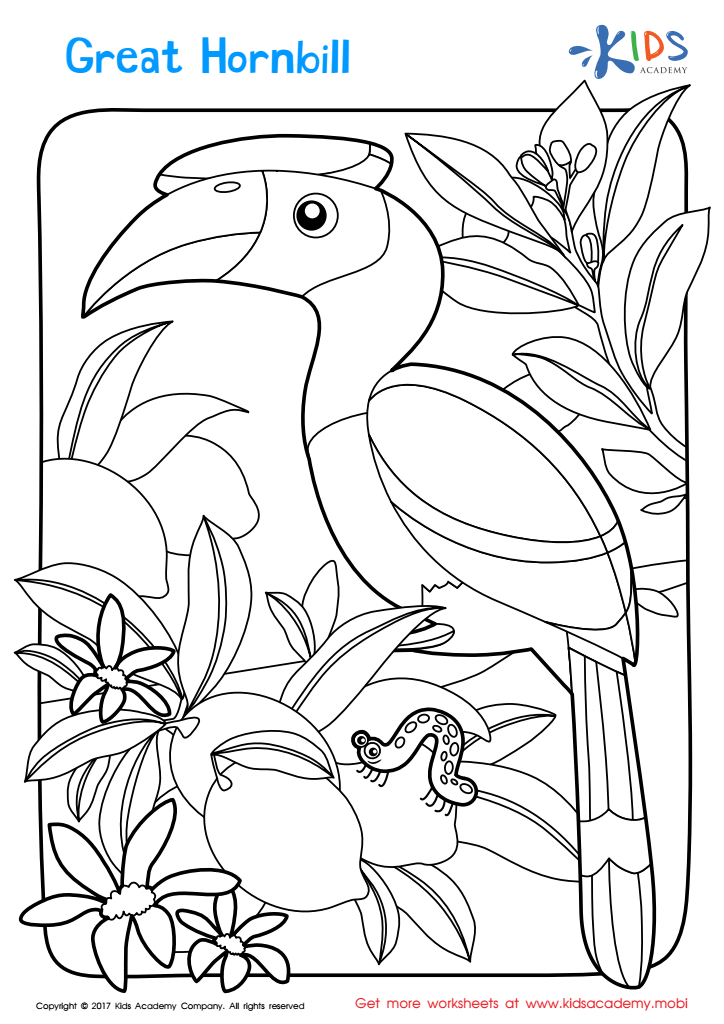
Great Hornbill Worksheet
Assign to My Students
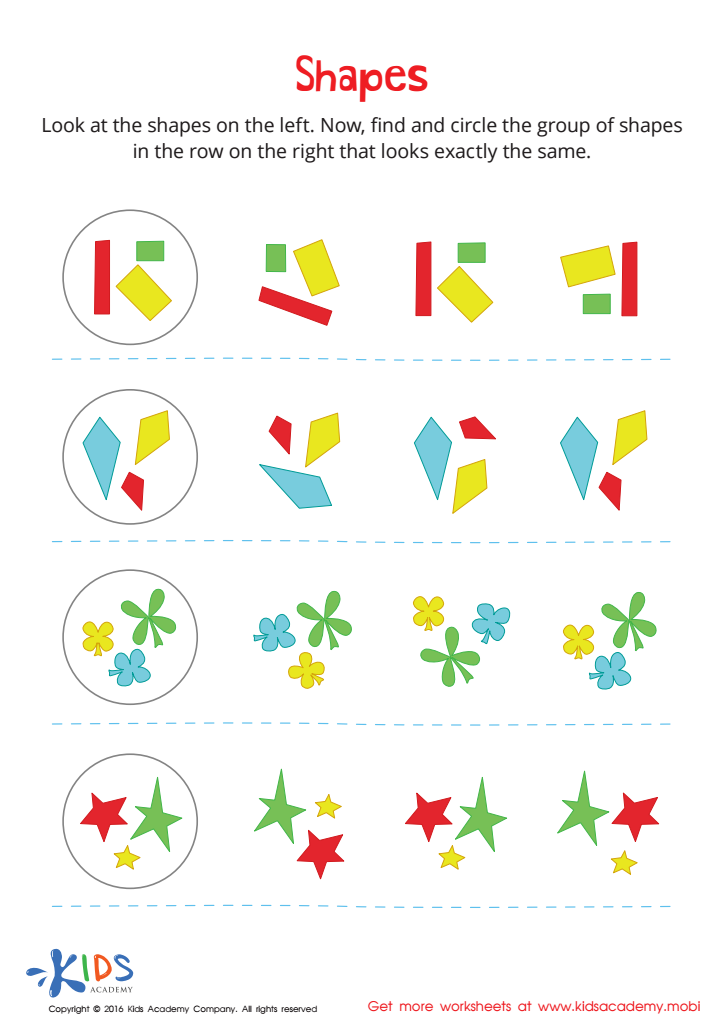
Shapes Worksheet
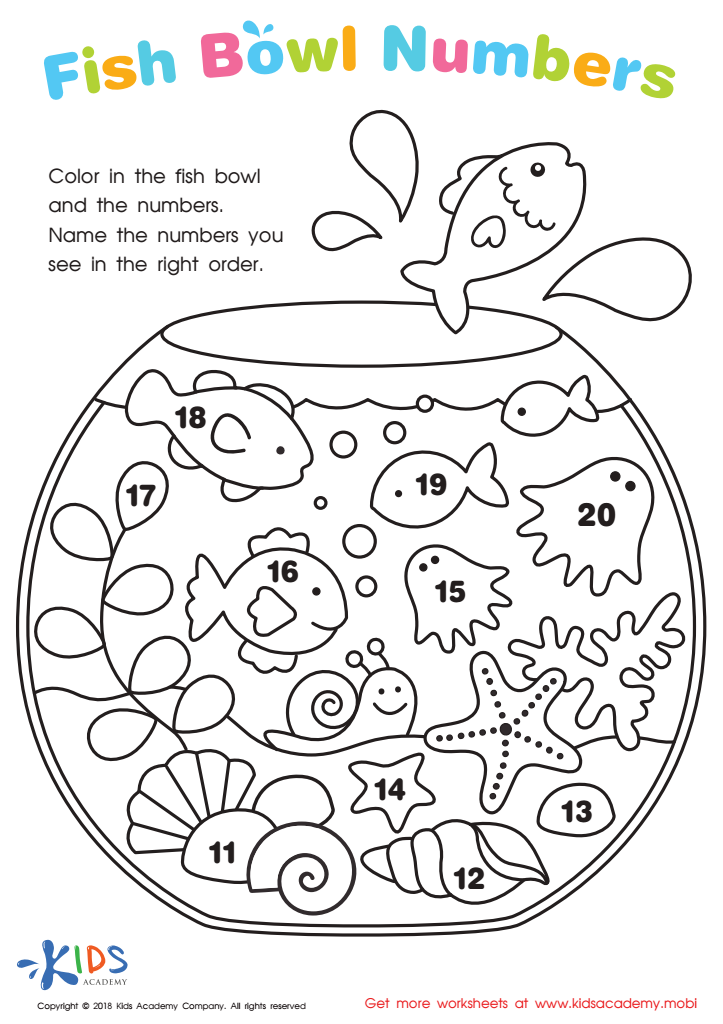
Fish Bowl Numbers Worksheet
Assign to My Students
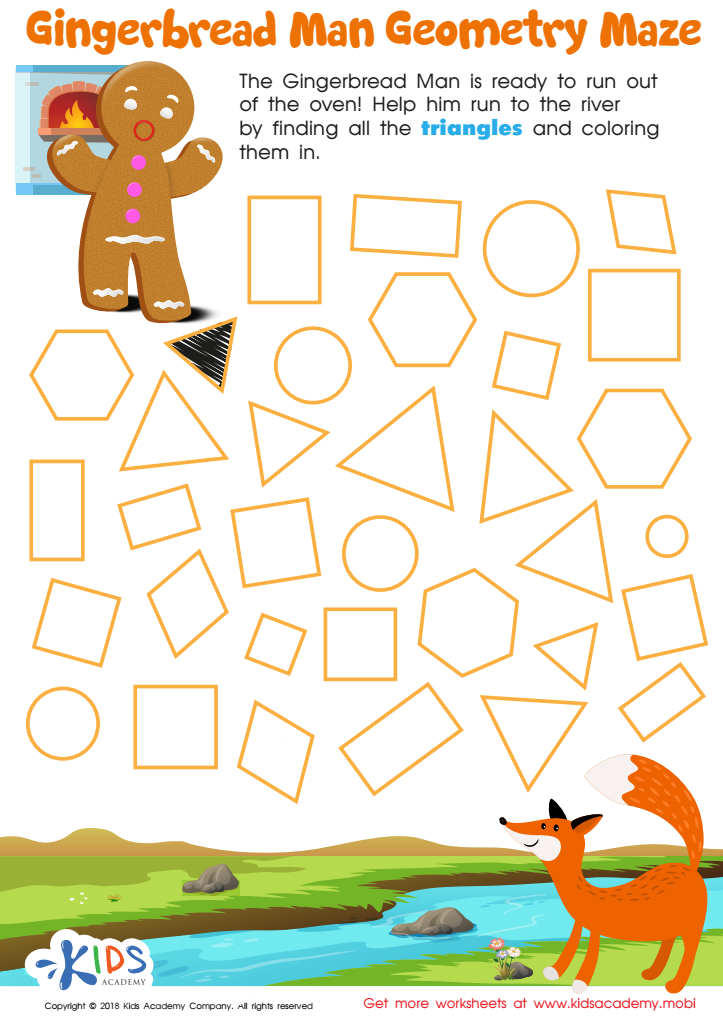
Gingerbread Man Geometry Maze Worksheet
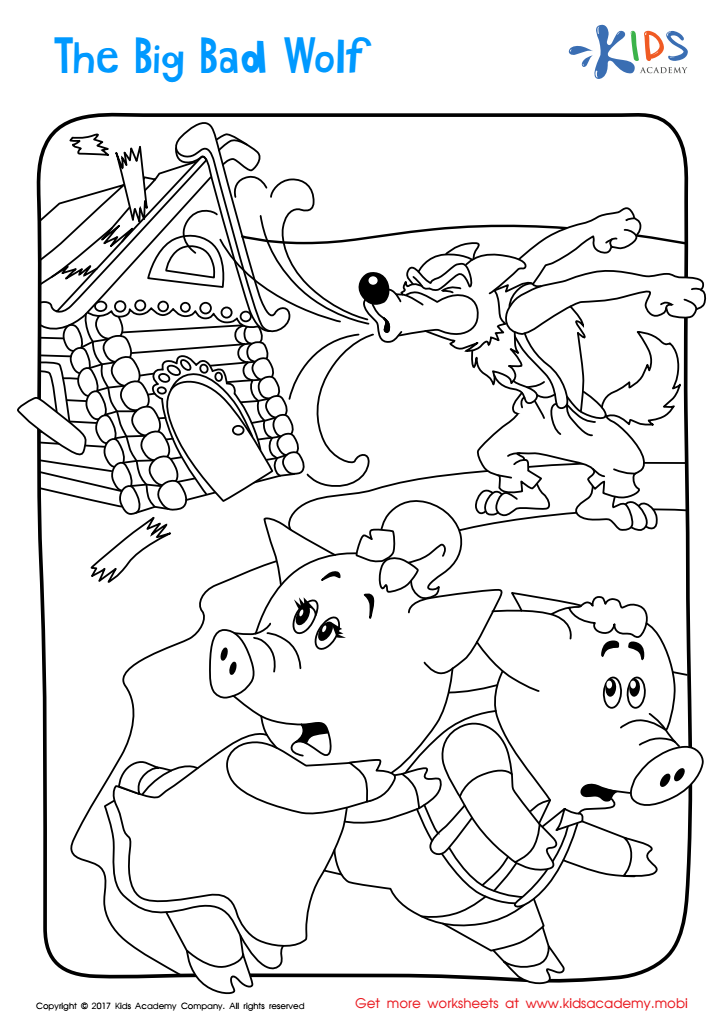
Big Bad Wolf Printable Coloring Page
Assign to My Students
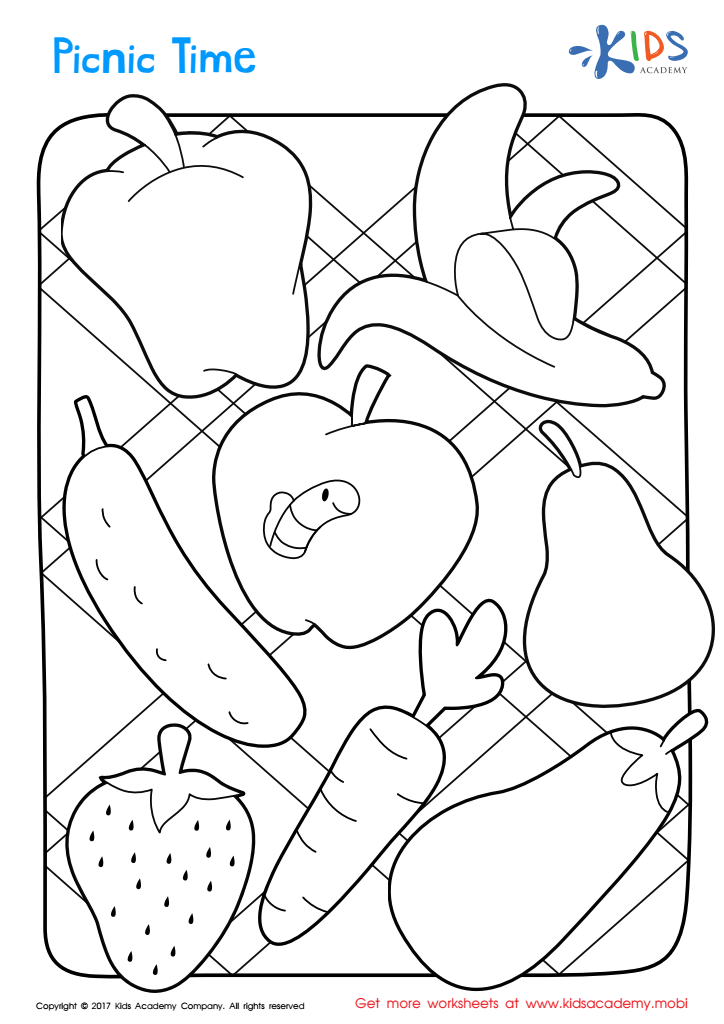
Picnic Time Coloring Page
Assign to My Students

Astronaut Coloring Page
Assign to My Students
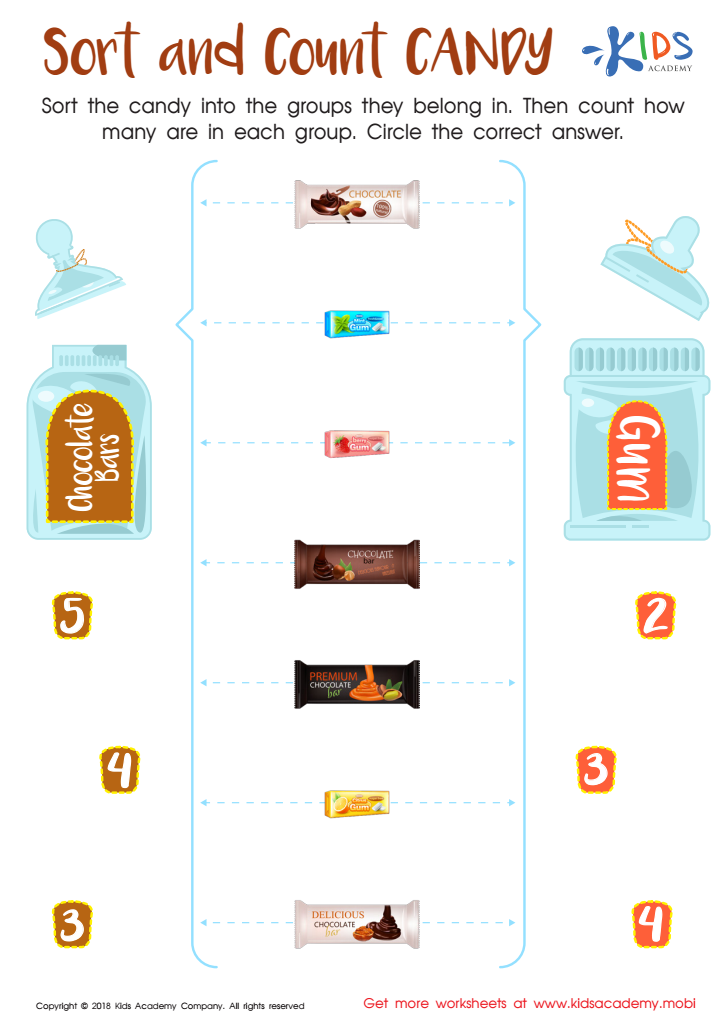
Sort and Count Candy Worksheet
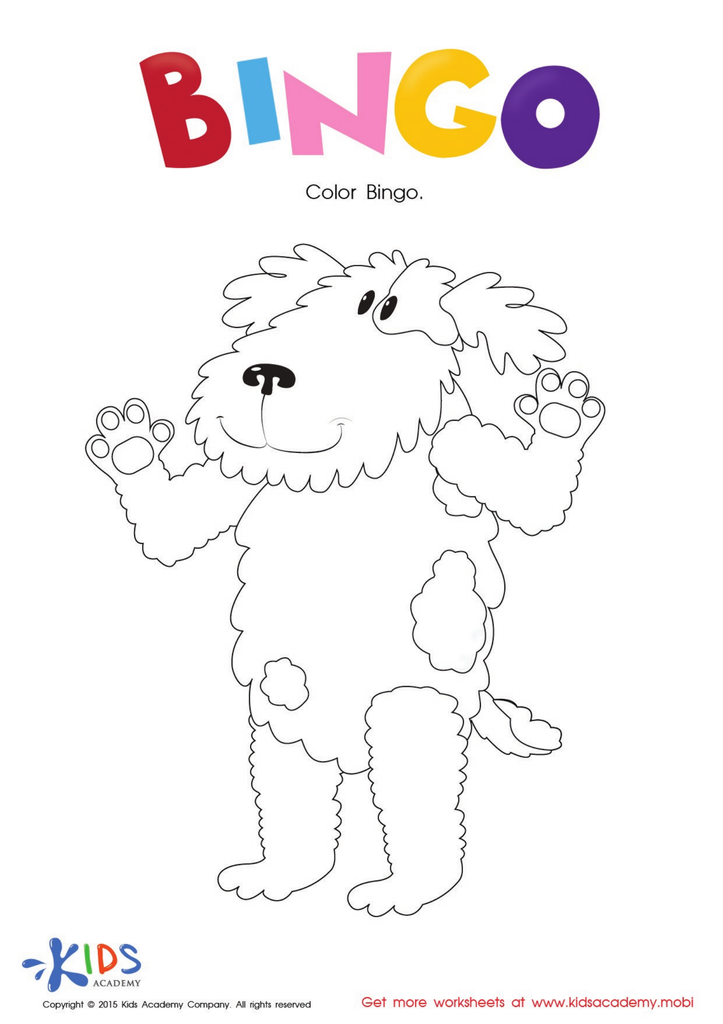
The Bingo Song: Coloring The Dog Worksheet
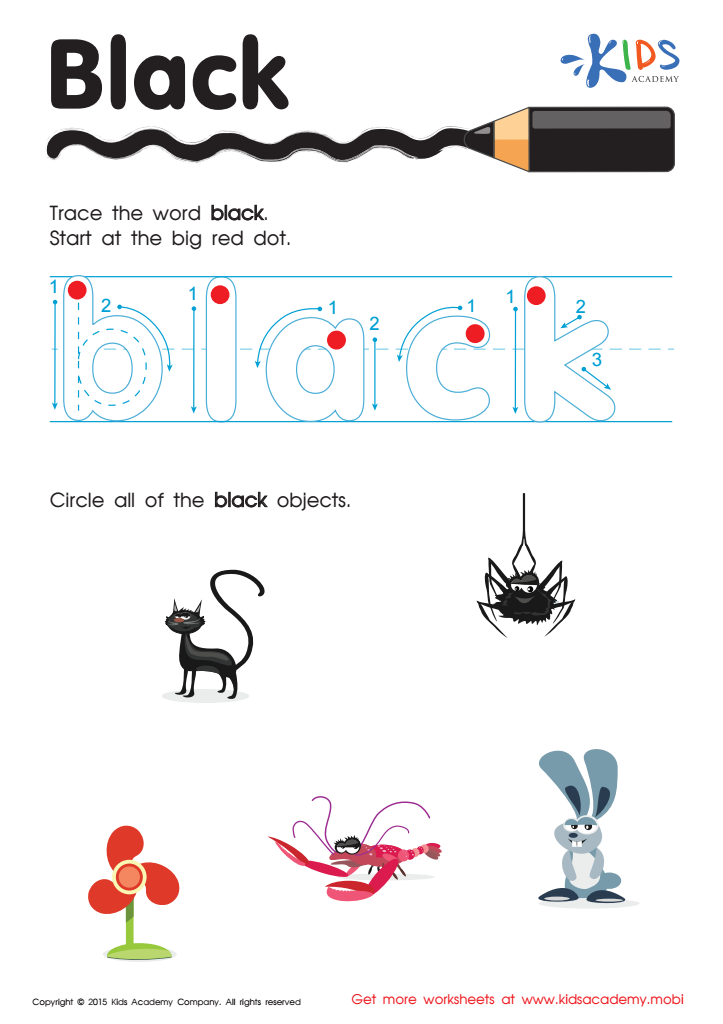
Black Tracing Color Words Printable







Color recognition is a fundamental skill for children aged 3-6, that lays the groundwork for cognitive, social, and emotional development. At this age, children are like sponges, eagerly absorbing information about their surroundings. Recognizing colors helps them to categorize objects, enhancing their cognitive abilities. This skill fosters critical thinking as children learn to differentiate and create associations between colors and items in their environment.
Moreover, color recognition plays a significant role in language development. As children identify colors, they expand their vocabulary, learning new words to describe the world around them. Engaging in conversations about colors can encourage expressive language, improving communication skills.
Socially, understanding colors promotes interaction with peers, as children bond through shared activities like art projects, games, or identifying colors in nature. An awareness of colors also supports emotional development, as children begin to associate colors with feelings—like joy with yellow or calmness with blue.
For parents and teachers, fostering color recognition not only enriches the learning experience but also sets a strong foundation for future educational success. By prioritizing this developmental milestone, they can ensure that children are equipped with important tools for exploration and expression, ultimately nurturing their curiosity and creativity.








