
Creativity development Worksheets for Ages 3-6
4 filtered results
Difficulty Level
Grade
Age
-
From - To
Subject
Activity
Standards
Unlock your child's imagination with our Creativity Development Worksheets for Ages 3-6! Designed to engage young minds, these interactive sheets help foster critical thinking and artistic expression through fun, age-appropriate activities. From coloring and drawing to storytelling prompts, each worksheet encourages creativity while developing fine motor skills and cognitive abilities. Perfect for at-home learning or classroom activities, our comprehensive collection supports a child’s natural curiosity and encourages self-expression. Watch as your little one explores colors, shapes, and ideas, laying the foundation for a lifetime of creative thinking. Download now and inspire a world of creativity in every child!
Favorites
With answer key
Interactive
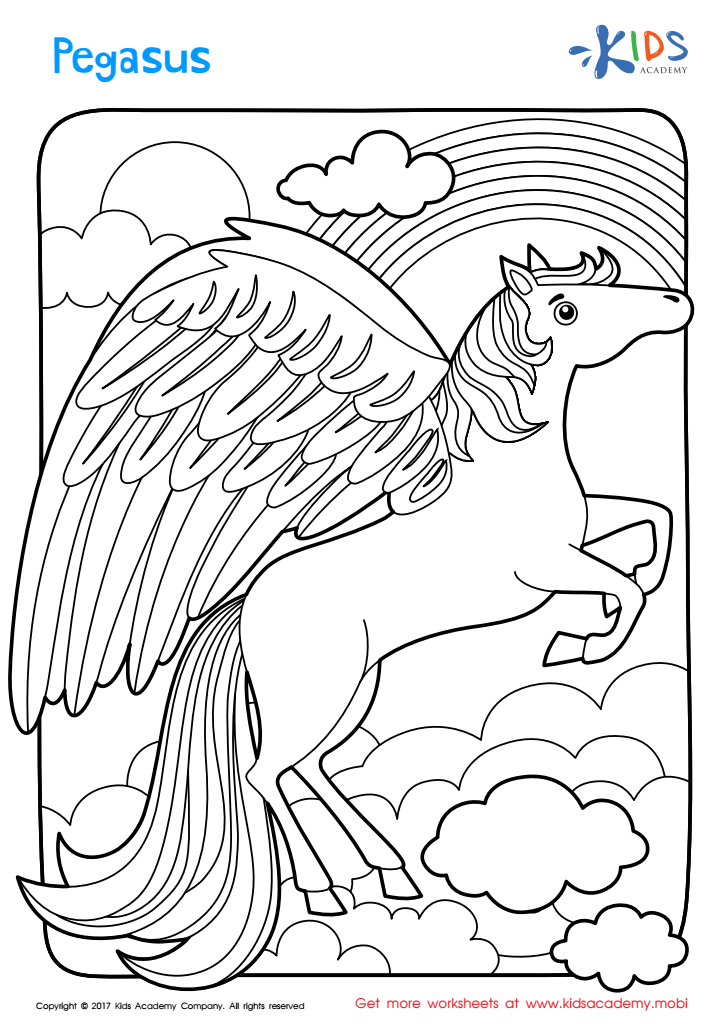
Pegasus Printable
Learn about ancient Greek mythology with your child! Print our Pegasus coloring page to bring the myths to life. Encourage your child to read the stories and let his/her imagination soar. This activity will make the tales of the gods come alive!
Download (PDF)
 Assign to My Students
Assign to My Students
Pegasus Printable
Worksheet
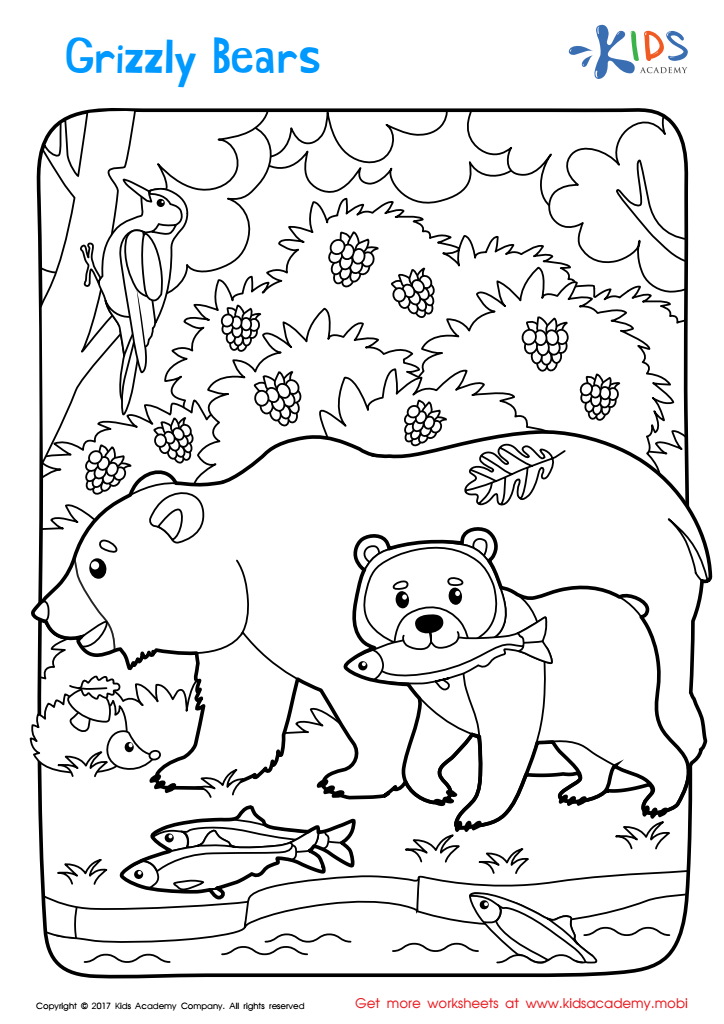
Free Printable Grizzly Bear Coloring Page
Today we're exploring the Great Plains and its most popular inhabitant: the grizzly bear! Our free printable coloring page introduces kids to the bear's natural habitat and food, like salmon and berries. Join us for a fun and educational experience!
Download (PDF)
Assign to My Students
Assign to My Students
Free Printable Grizzly Bear Coloring Page
Worksheet
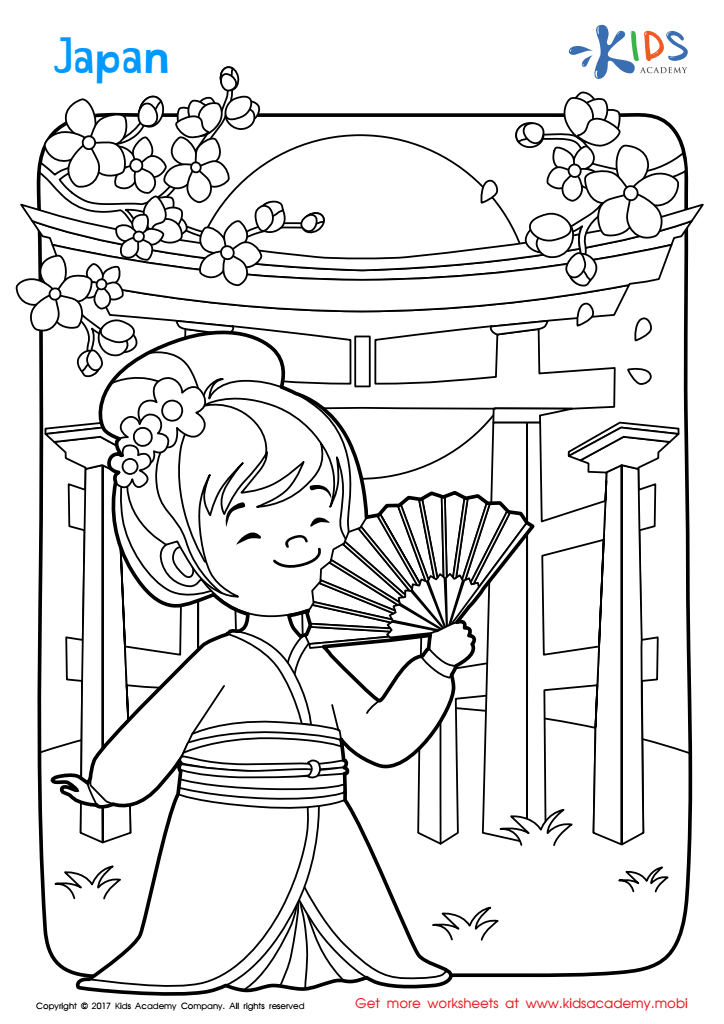
Japan Printable
Take a trip around the world with this fun worksheet! Discuss colors of cherry blossoms and traditional Japanese dress with your child as they color this Japan coloring page. Watch the picture come alive and learn more about distant cultures!
Download (PDF)
Assign to My Students
Assign to My Students
Japan Printable
Worksheet
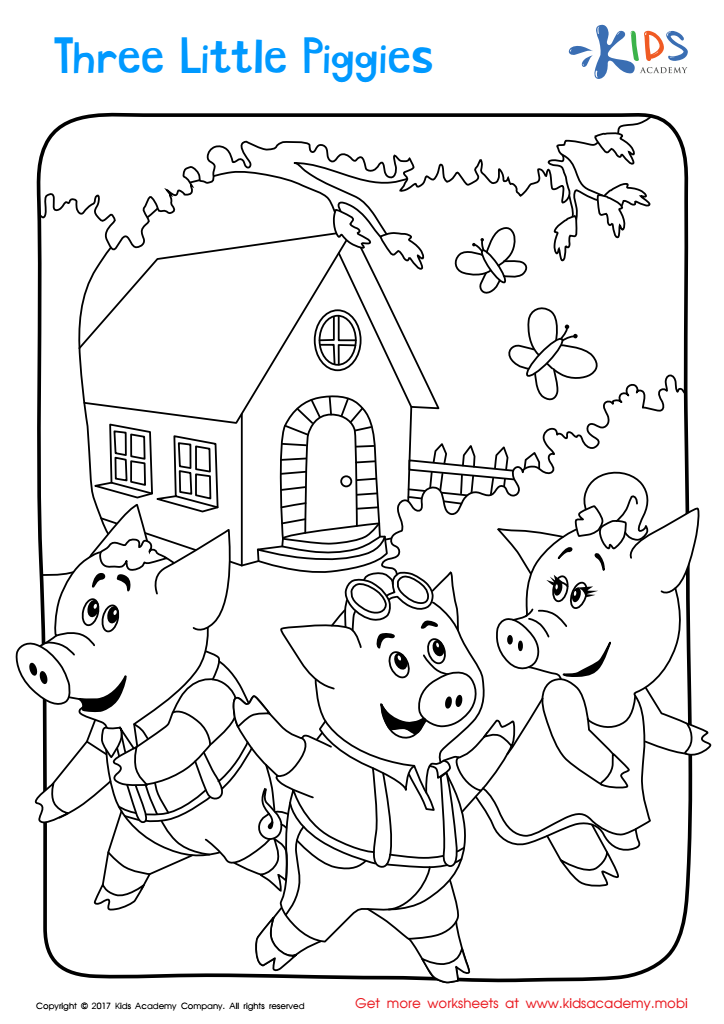
Three Little Piggies Printable Coloring Page
Recall a childhood favorite with your child and color in the Three Little Piggies printable. It's a great way to excite them for reading, as it helps them learn about characters and plot.
Download (PDF)
Assign to My Students
Assign to My Students
Three Little Piggies Printable Coloring Page
Worksheet
Join Kids Academy for Free
Who is primarily going to use this learning content?


.jpg)



Creativity development in children aged 3-6 is crucial for their overall growth, learning, and well-being. At this stage, children's brains are rapidly developing, and fostering creativity enhances cognitive abilities such as problem-solving, critical thinking, and adaptability. Engaging in creative activities allows children to explore their imaginations and express themselves in unique ways, which aids in language development and communication skills.
Moreover, creativity contributes to emotional growth. Through imaginative play, children learn to navigate their feelings, develop empathy, and foster relationships with peers. This social interaction is vital for building self-confidence and resilience.
Parents and teachers should also recognize that creativity nurtures curiosity—a fundamental trait for lifelong learning. When children engage in open-ended activities like drawing, building, or storytelling, they learn to ask questions, take risks, and experiment, laying a foundation for scientific exploration and innovation.
Finally, in a rapidly changing world, the ability to think creatively is increasingly valuable in preparing children for future challenges. Emphasizing creativity in early childhood not only enriches educational experiences but also equips children with skills essential for their personal and professional lives ahead. Thus, prioritizing creativity development should be a key focus for both parents and educators.








