Developing logical thinking Worksheets for Ages 3-6
4 filtered results
-
From - To
Discover fun and engaging worksheets designed to nurture logical thinking in children aged 3-6! Our expertly crafted activities focus on enhancing cognitive skills through puzzles, sorting exercises, and pattern recognition tasks. Encouraging young minds to analyze, compare, and categorize helps them build a strong foundation for critical problem-solving abilities. Each printable worksheet is tailored to stimulate curiosity and promote independent learning, offering the perfect balance of challenge and enjoyment. Ideal for both classroom and home use, our resources are the perfect addition to your educational toolkit. Prepare your child for future academic success with our growing selection of logical thinking worksheets!
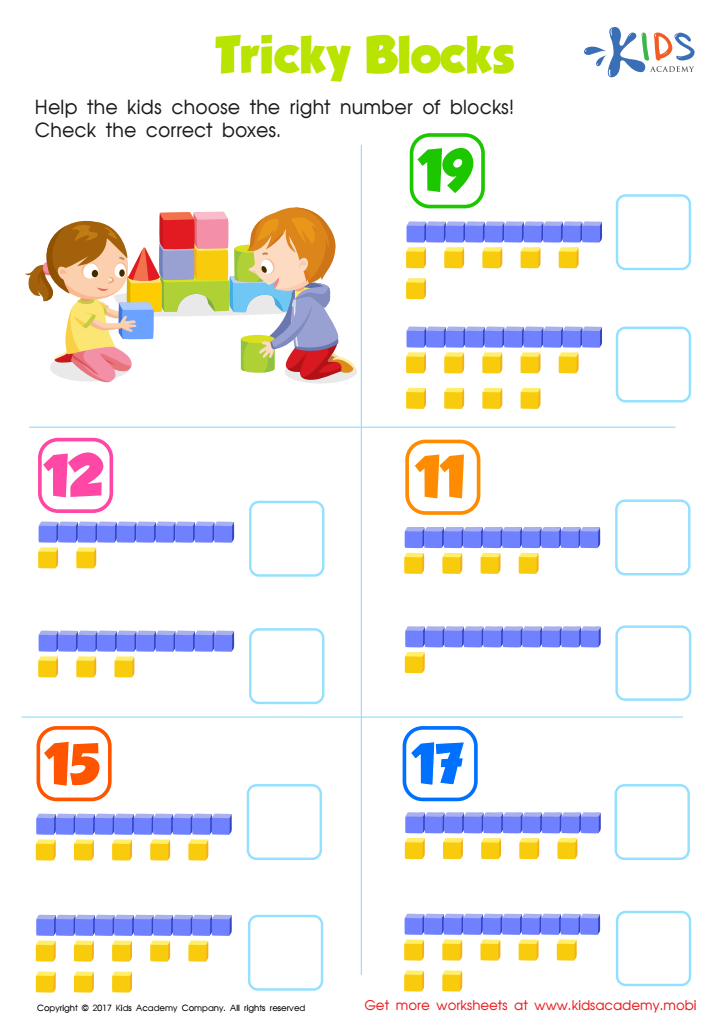
Tricky Blocks Worksheet
 Assign to My Students
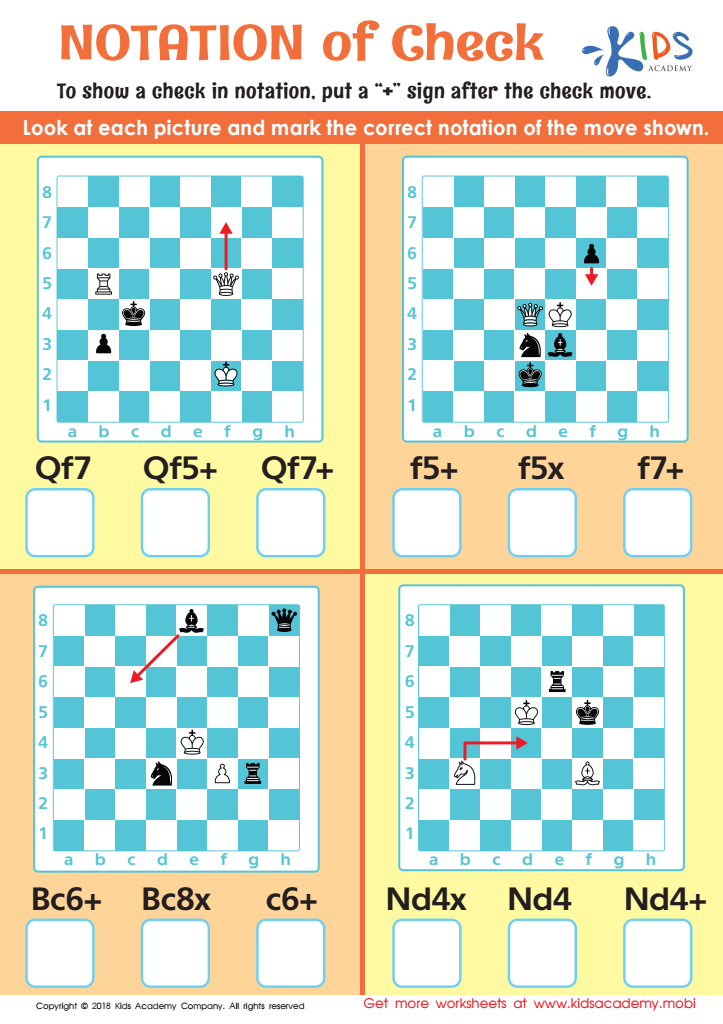
Notation of Check Worksheet
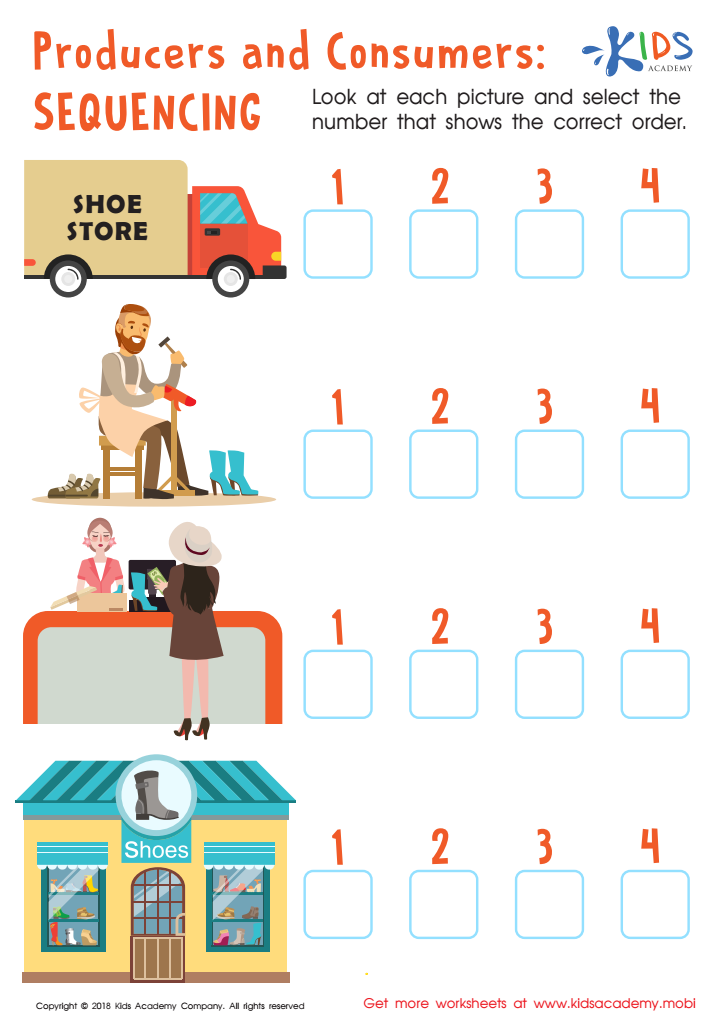
Producers and Consumers: Sequencing Worksheet







Logical thinking forms the foundation for problem-solving, critical reasoning, and decision-making skills that children use throughout their lives. For children aged 3-6, this developmental stage is crucial as their brains are rapidly growing and absorbing new information. Encouraging logical thinking at this age helps them make sense of the world in structured ways, fostering cognitive, emotional, and social development.
When parents and teachers nurture logical thinking, they help children understand cause and effect, learn sequencing skills, and recognize patterns. These skills are vital not only for academic subjects like math and science but also for everyday activities and interactions. For example, understanding that bedtime follows a bath or that a story has a beginning, middle, and end helps children grasp the structure and predict outcomes.
Additionally, logical thinking enhances children's language abilities by organizing thoughts coherently and enhancing comprehension. Socially, it helps them solve conflicts and make friends through negotiation and understanding different perspectives. Overall, fostering logical thinking from a young age sets the stage for a lifetime of successful learning and adaptation. It empowers children with the tools they need to navigate challenges and seize opportunities confidently and independently.








