English grammar practice Worksheets for Ages 3-6
3 filtered results
-
From - To
Discover our engaging English grammar practice worksheets, perfect for children ages 3-6! These expertly designed resources help young learners grasp grammar fundamentals through fun activities. From identifying nouns and verbs to mastering sentence structure, our worksheets are crafted to nurture early literacy skills. Each printable sheet is tailored to spark curiosity and boost confidence, making learning both effective and enjoyable. Explore our vibrant collection today and set the foundation for your child's language development.
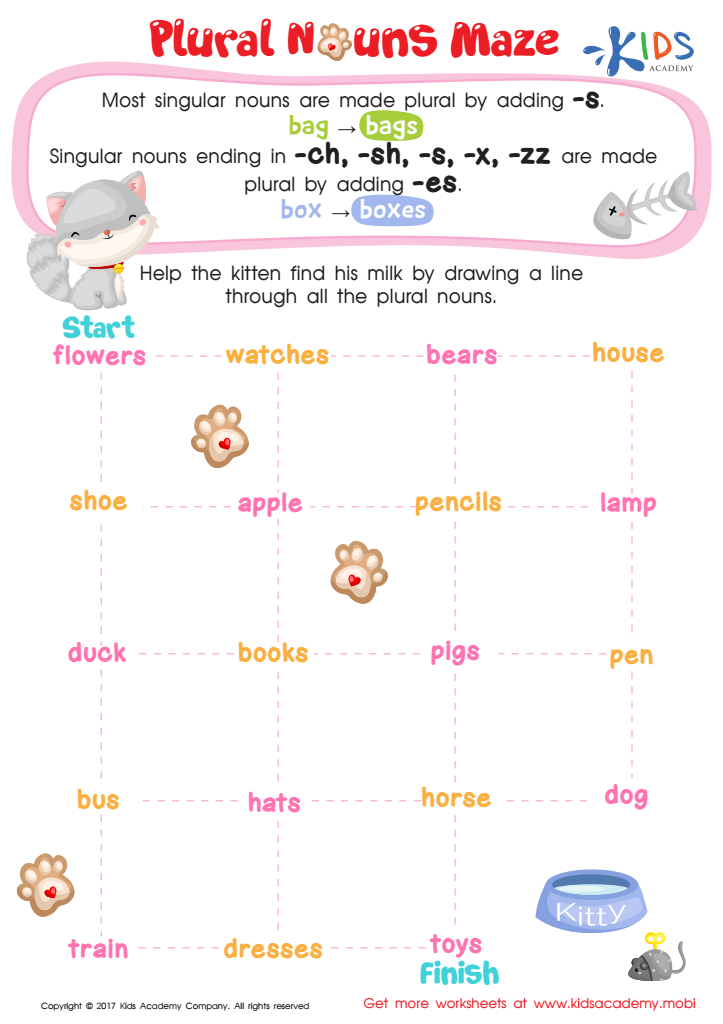
Plural Nouns Maze Worksheet
 Assign to My Students
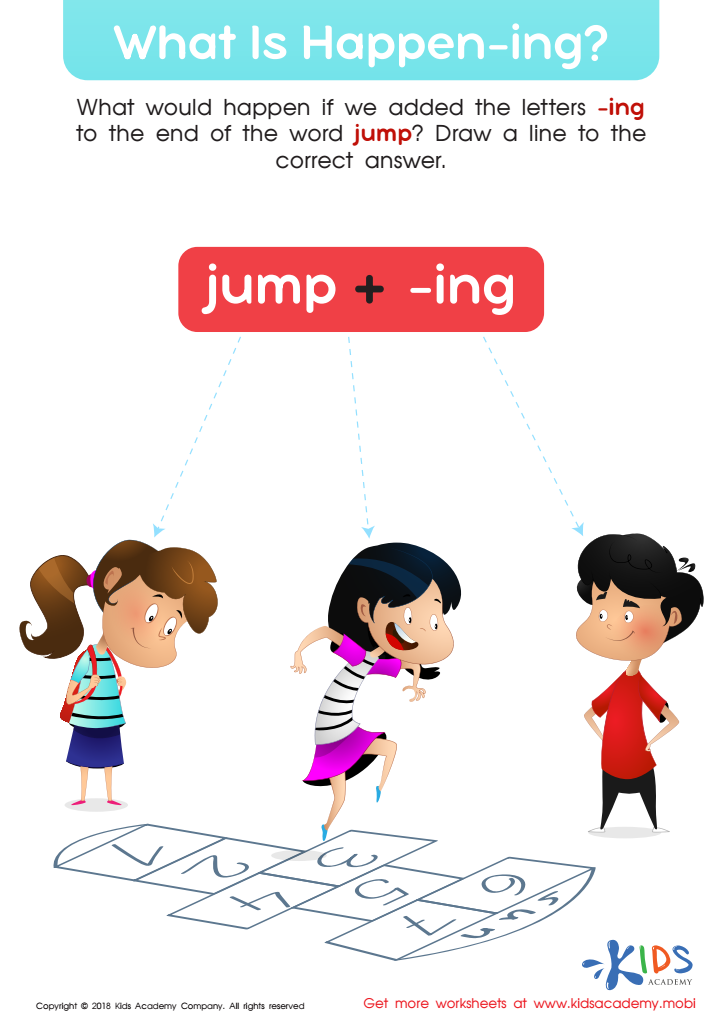
What Is Happen-Ing? Worksheet
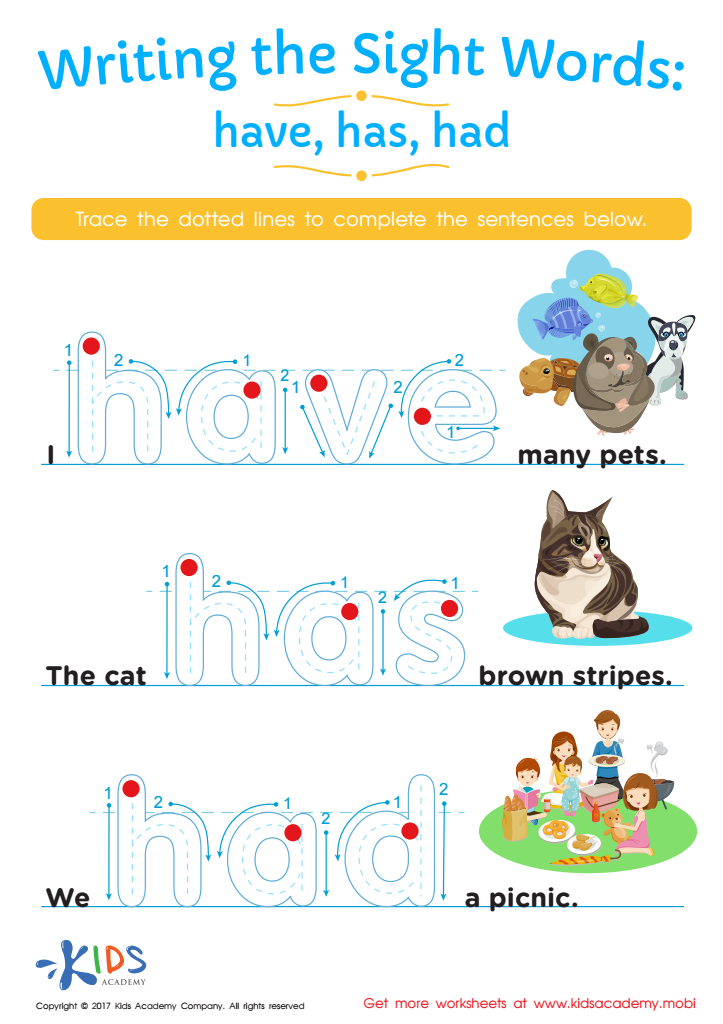
Have, Has, Had Worksheet Sight Words Worksheet







Parents and teachers should prioritize English grammar practice for children aged 3-6 because this stage is crucial for language development. During these formative years, young children are rapidly acquiring the foundational skills that will support their future learning and communication abilities. Emphasizing grammar helps improve their speaking, listening, reading, and writing skills effectively.
At this age, children's brains are highly receptive to learning new languages and rules, making it an ideal time to introduce correct grammatical structures. Early grammar practice helps them form clear sentences, enhances vocabulary, and fosters better comprehension skills. It also builds confidence and aids in effective communication, enabling them to express their thoughts and ideas more clearly.
Furthermore, understanding basic grammar rules lays the groundwork for success in school. Strong language skills are linked to better academic performance across all subjects. Early exposure to grammar helps prevent common language mistakes, making future learning more efficient.
By incorporating grammar practice into playful and engaging activities, parents and teachers can make learning enjoyable while instilling essential language skills. This boosts a child's cognitive development and sets a strong foundation for lifelong communication skills, academic success, and personal expression. Overall, caring about English grammar practice during these early years can have profound long-term benefits.








