Financial literacy Worksheets for Ages 3-6
6 filtered results
-
From - To
Introducing our engaging Financial Literacy Worksheets for Ages 3-6! Designed to introduce young children to the basics of money, saving, and spending, these worksheets offer fun and interactive activities that promote essential financial skills. Through colorful illustrations and playful exercises, kids will learn to identify coins, understand their value, and practice simple budgeting concepts. Our resources aim to build a strong foundation in financial literacy from an early age, setting the stage for responsible money management in the future. Perfect for parents, educators, and caregivers, these worksheets make learning about finance enjoyable and accessible for preschoolers. Explore our collection today!
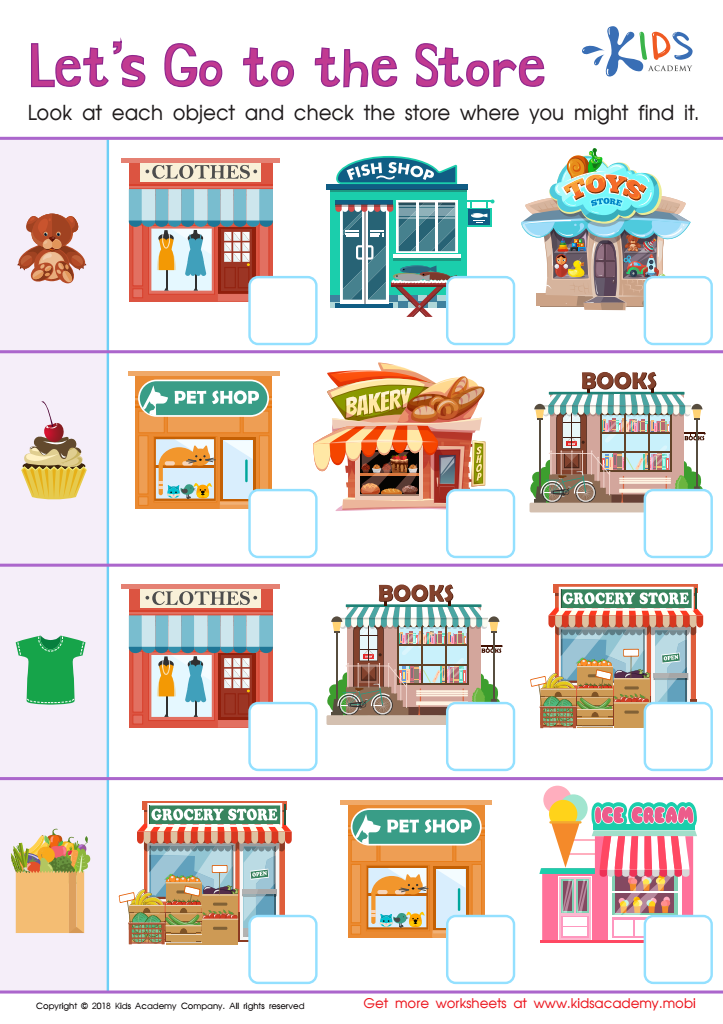
Let's Go to the Store! Worksheet
 Assign to My Students
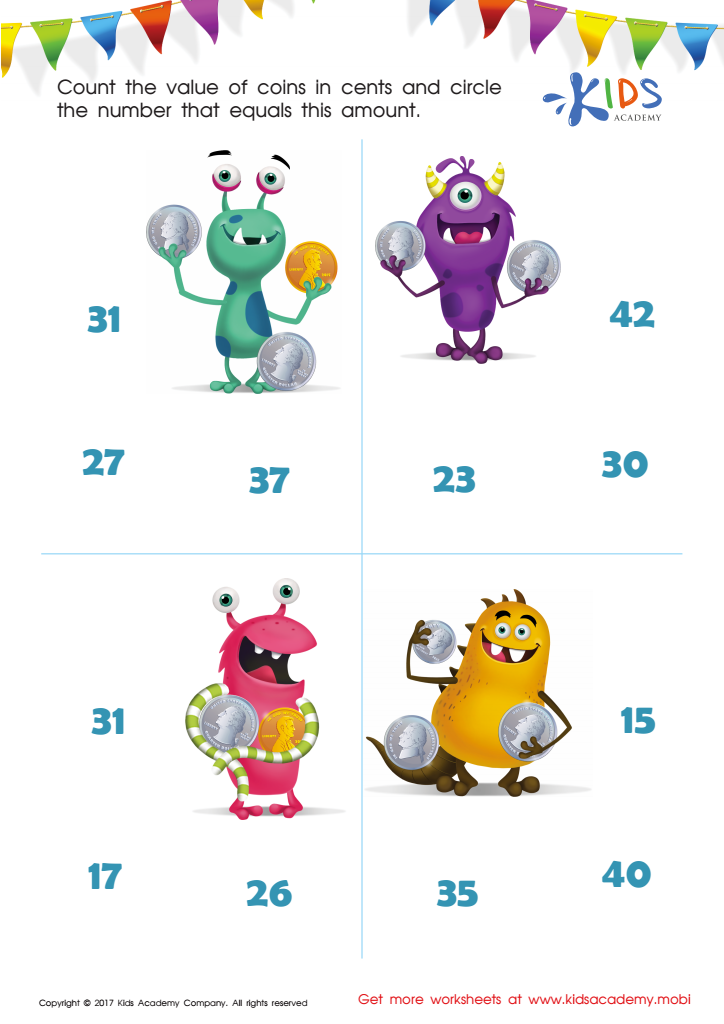
How Many Coins Money Worksheet
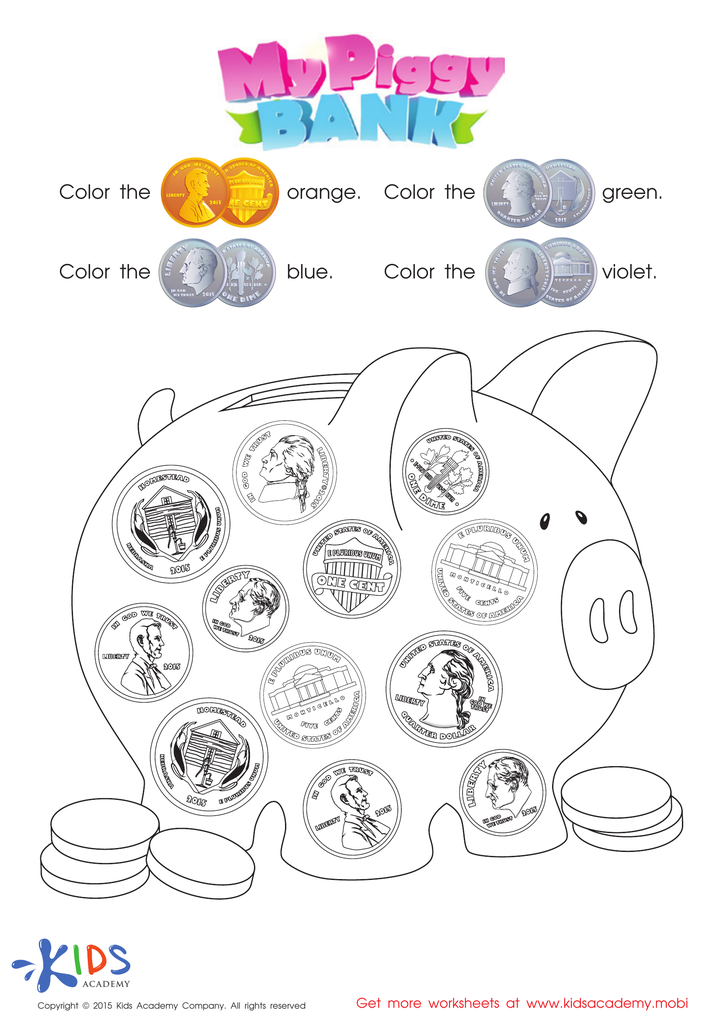
Recognizing Money Money Worksheet
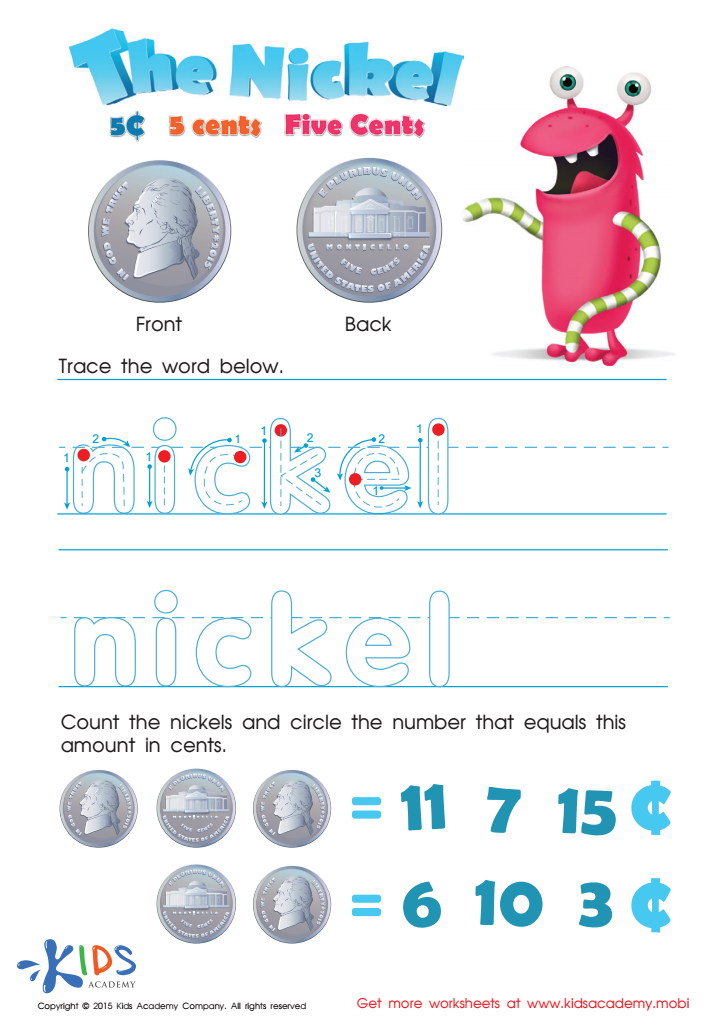
Five Cents or the Nickel Money Worksheet
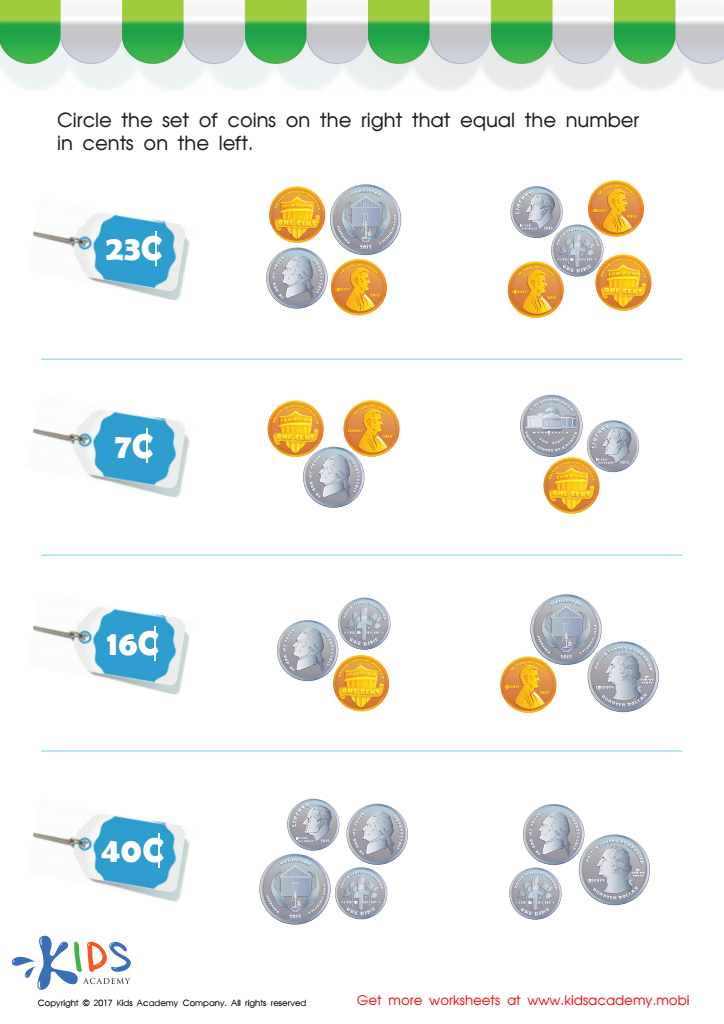
Picking the Coins You Need Money Worksheet
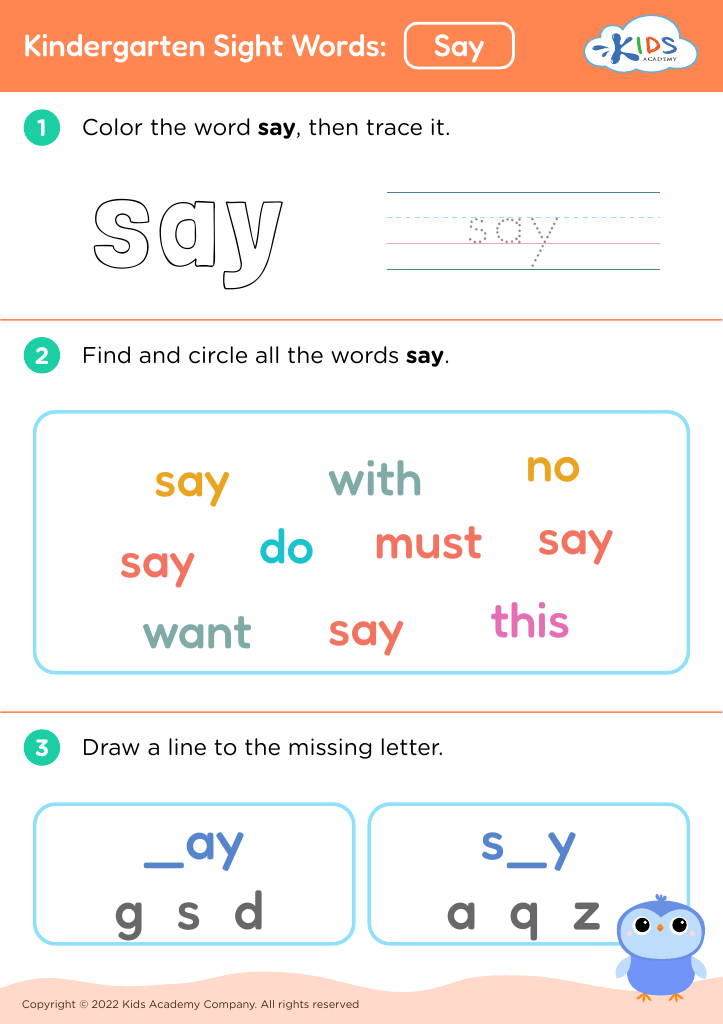








Financial literacy is an essential life skill that should be introduced to children as early as ages 3-6. During these formative years, children are naturally curious and eager to learn, making it an ideal time to instill foundational concepts about money. Parents and teachers play a crucial role in shaping this understanding, as they demonstrate healthy financial habits that can be absorbed through observation and interaction.
By teaching preschoolers about basic financial concepts, such as saving, spending, and sharing, we equip them with tools for responsible decision-making in the future. Activities like playing with play money, discussing needs versus wants, and even involving them in simple budgeting activities for family projects can pave the way for financial competence later in life.
Moreover, early exposure to financial literacy can help develop critical thinking skills, as children learn to evaluate choices and the consequences of their actions. This commitment to financial education fosters future stability, reduces anxiety around money matters, and prepares children to navigate an increasingly complex financial landscape. Ultimately, prioritizing financial literacy for young children sets a foundation for lifelong financial well-being, enabling them to thrive in both personal and professional realms as they grow.








