Fine motor skills (writing) Worksheets for Ages 3-6 - Page 2
38 filtered results
-
From - To

Thanksgiving Holiday Printable
 Assign to My Students
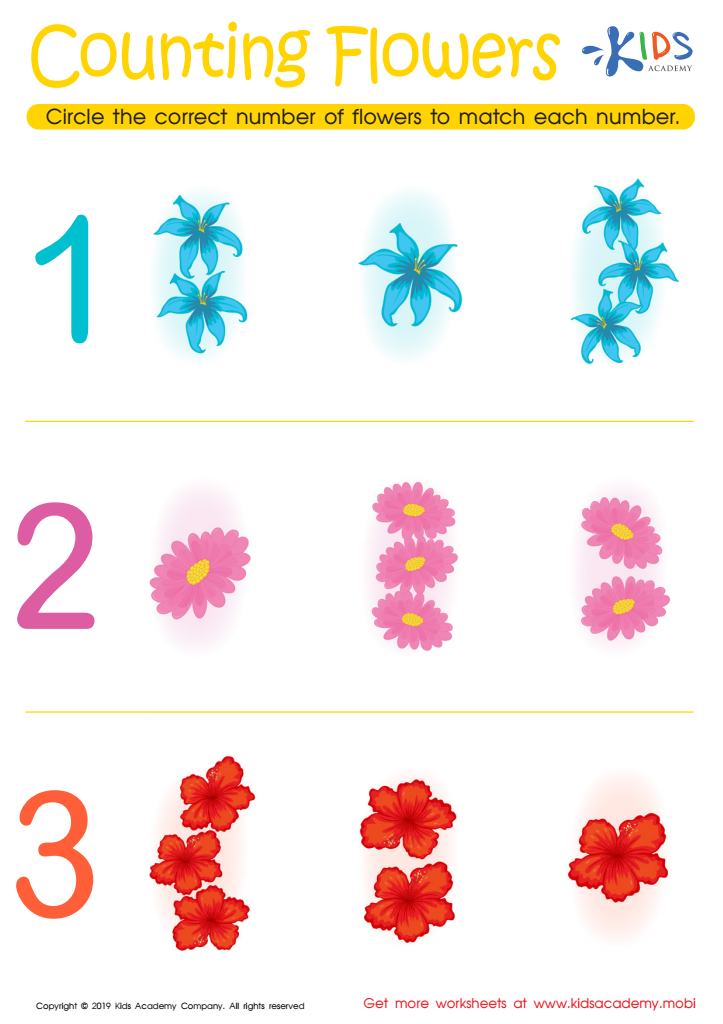
Counting Flowers Worksheet
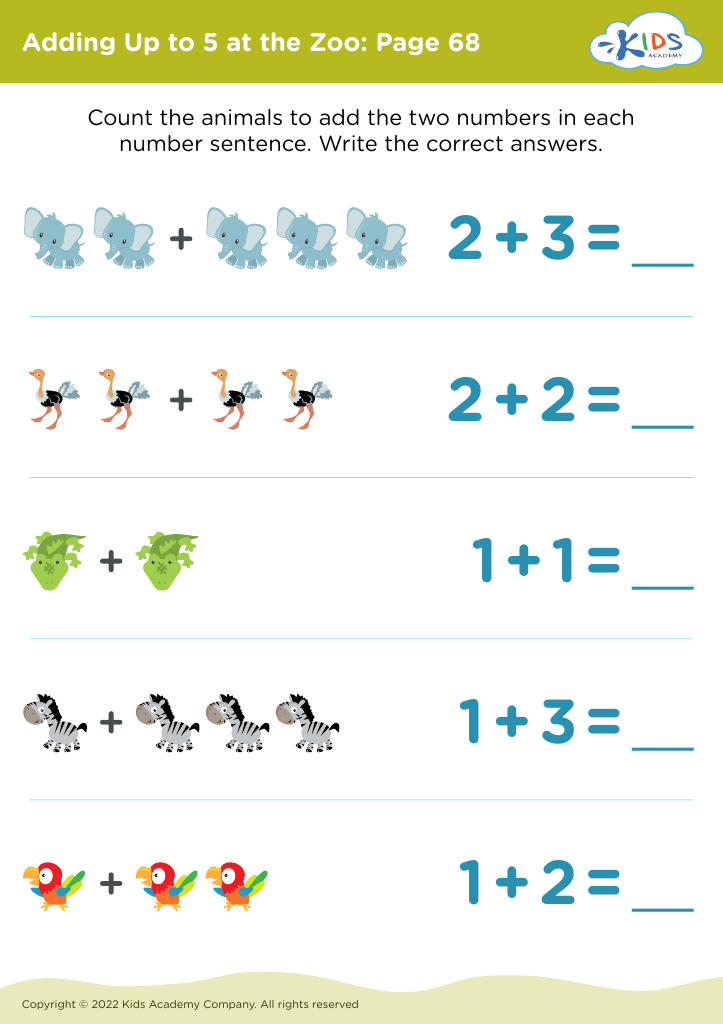
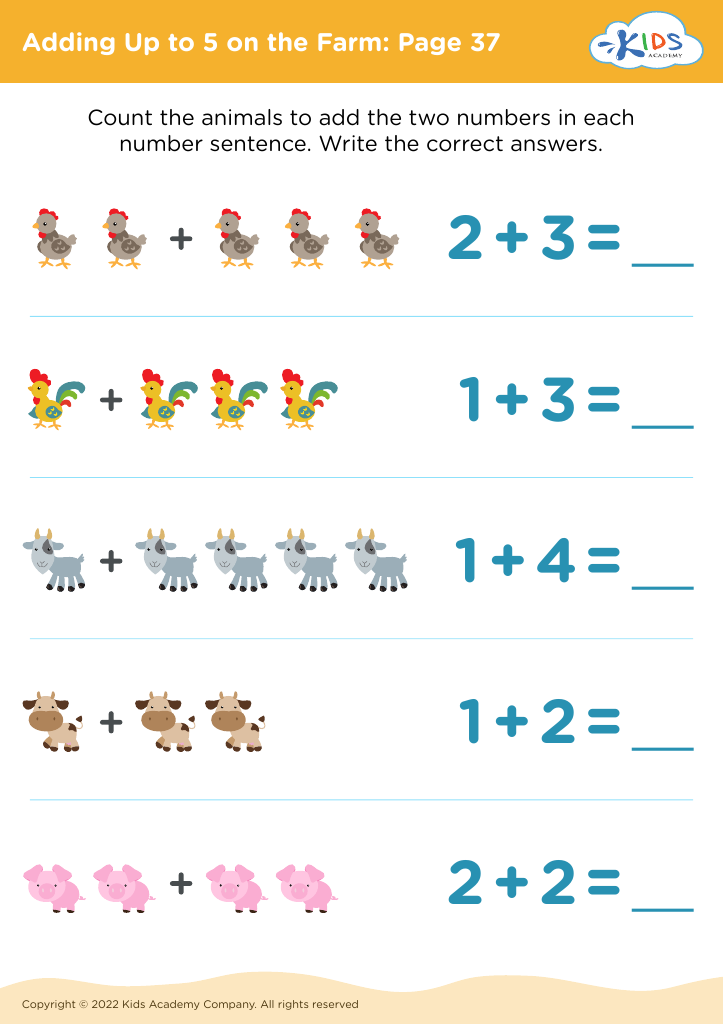
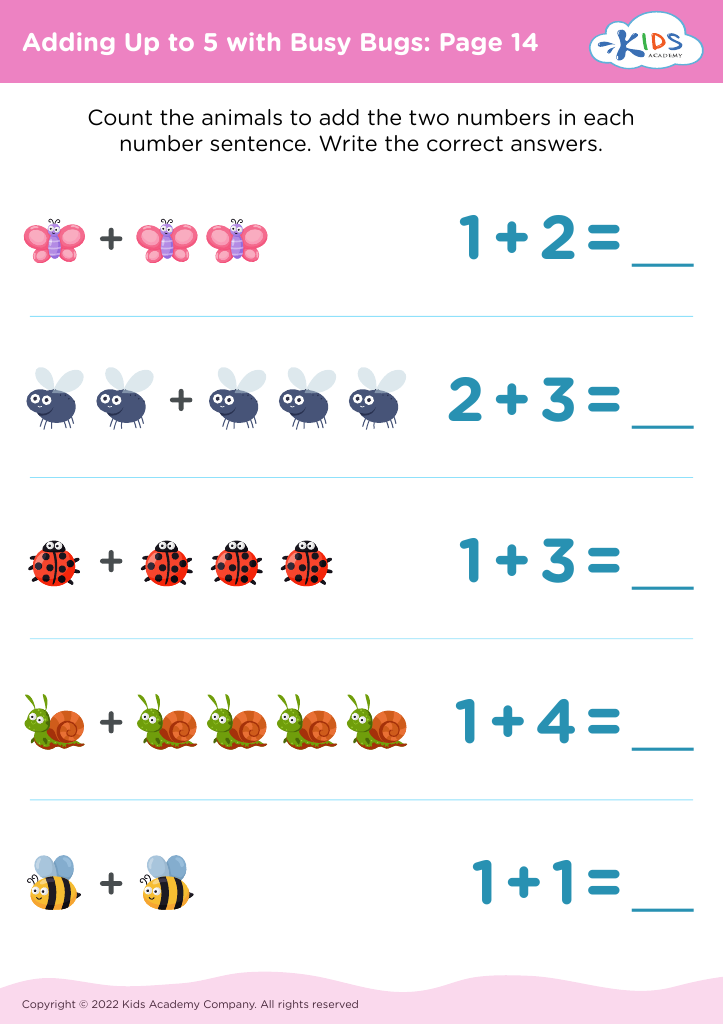
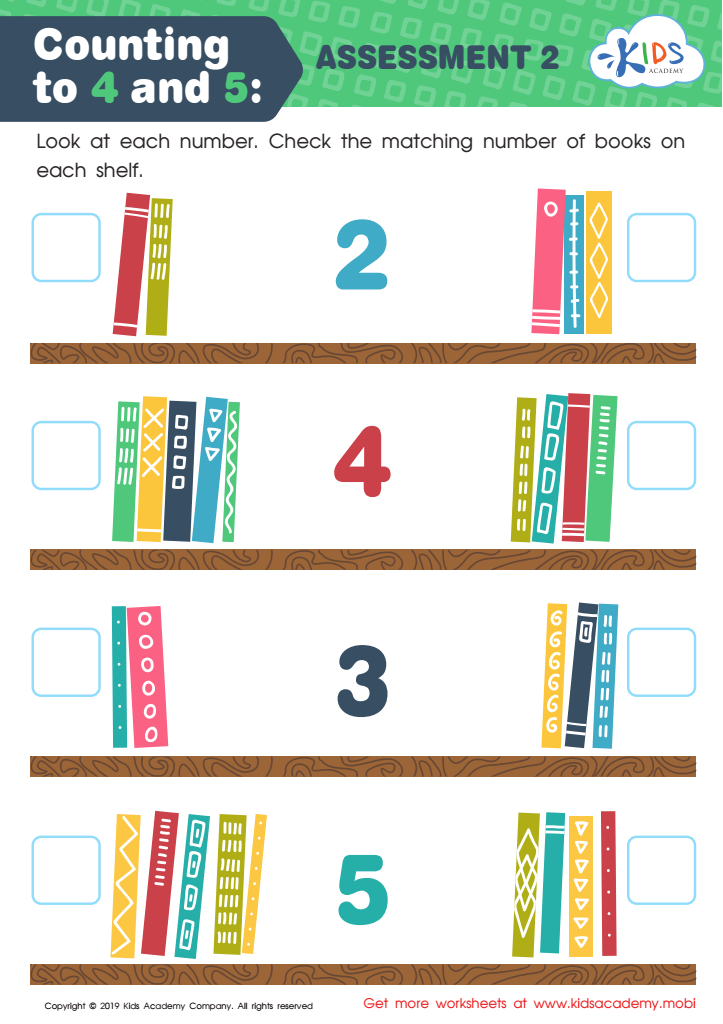
Counting to 4 and 5: Assessment 2 Worksheet
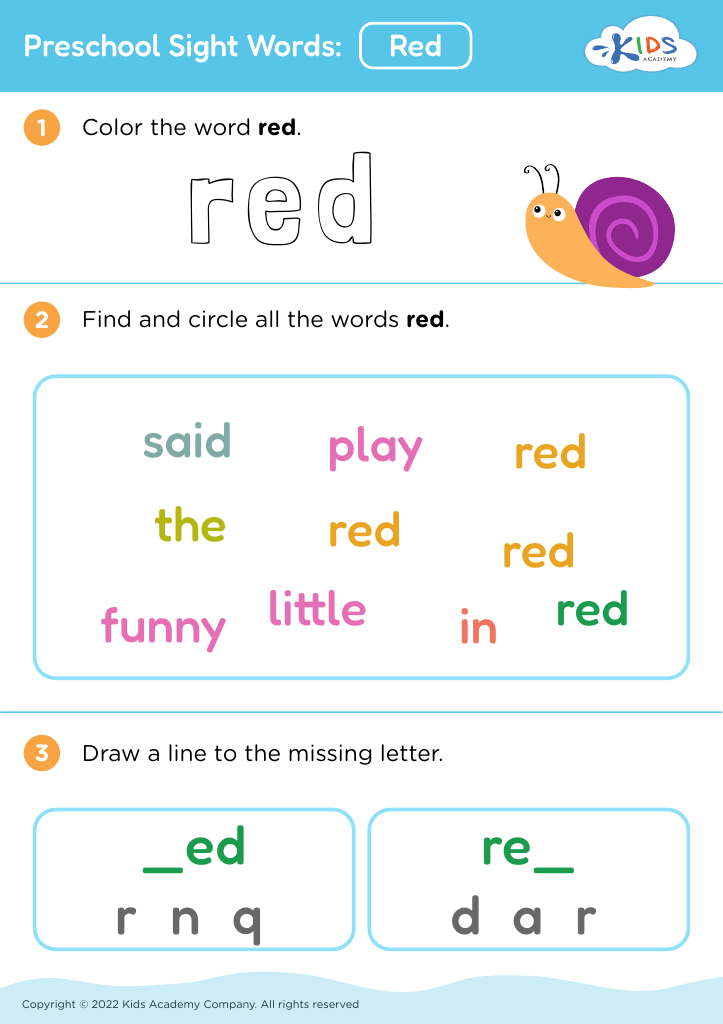








Fine motor skills are crucial for children aged 3-6, as they lay the foundation for significant developmental milestones, including writing. During early childhood, the small muscle movements of the hands and fingers are developing rapidly, creating the basis for activities such as holding pencils, cutting with scissors, and buttoning clothes.
Parents and teachers should prioritize these skills as they directly impact a child's ability to write. Proficient writing doesn't only mean forming letters and numbers; it involves the coordination of muscles, the control of pencil pressure, and the capability to focus on the task. Developing fine motor skills helps improve hand-eye coordination and concentration, both of which are essential for academic success.
Moreover, fine motor development aids in overall cognitive growth. As children experiment with different shapes and textures, they are also building sensory awareness and spatial understanding. This learning process enhances their ability to follow instructions, sequence actions, and solve problems, qualities important far beyond the classroom.
Caring about and actively supporting improvements in fine motor skills will ensure that children not only master the mechanics of writing but also gain confidence, independence, and the ability to navigate various academic and life challenges effectively. Making fine motor practice fun and varied—such as through arts, crafts, and play—can also foster a love of learning and creativity.








