Identifying shapes Worksheets for Ages 3-6
13 filtered results
-
From - To
Introduce your child to the fascinating world of shapes with our "Identifying Shapes Worksheets" designed for ages 3 to 6. Our expertly crafted printable worksheets help young learners distinguish and name various shapes like circles, squares, triangles, and more. Each activity is thoughtfully created to enhance cognitive development, improve fine motor skills, and make learning both fun and engaging. Spark creativity and curiosity as your child confidently navigates through these colorful and interactive exercises. Download our worksheets today from Kids Academy and watch your little ones explore and master the essential world of shapes!
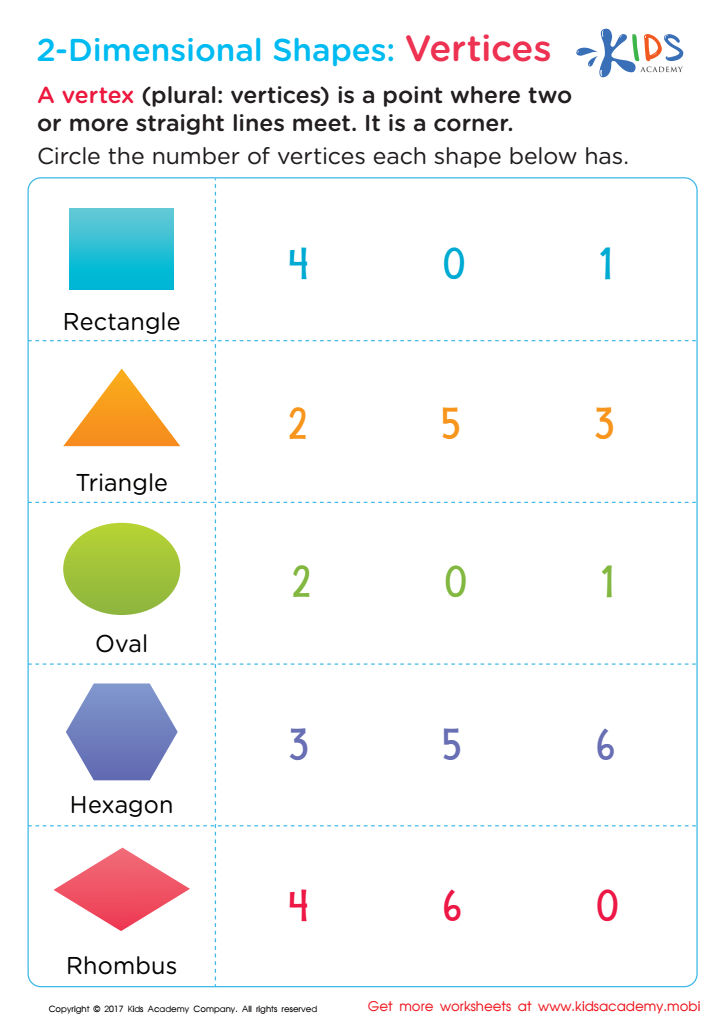
Two–Dimensional Shapes: Vertices Printable
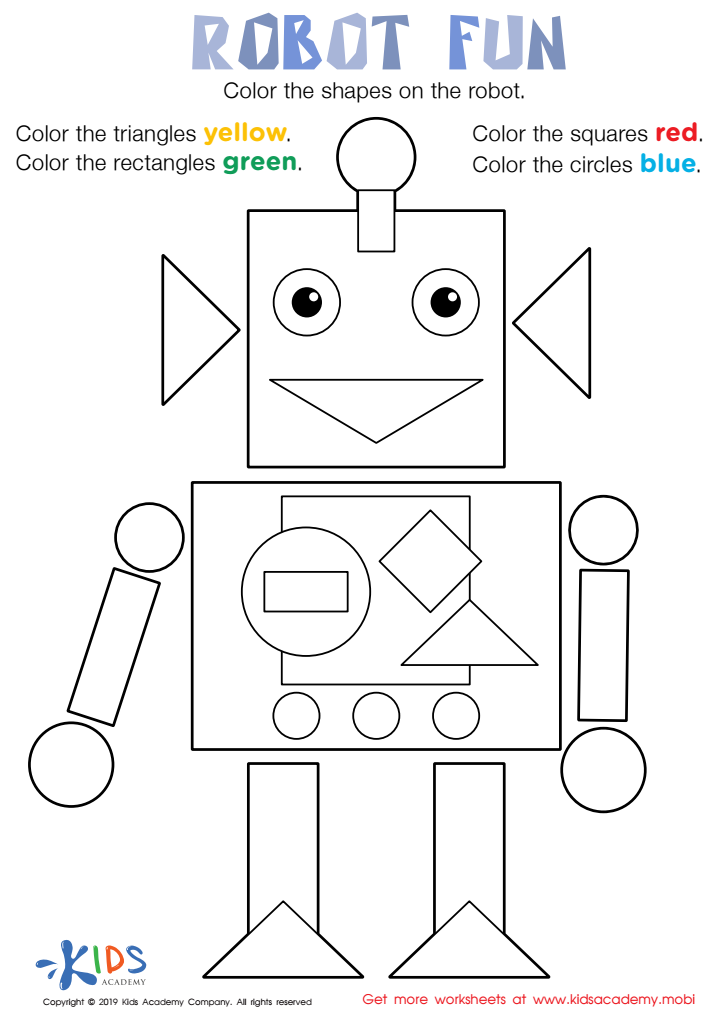
Robot Fun Worksheet
 Assign to My Students
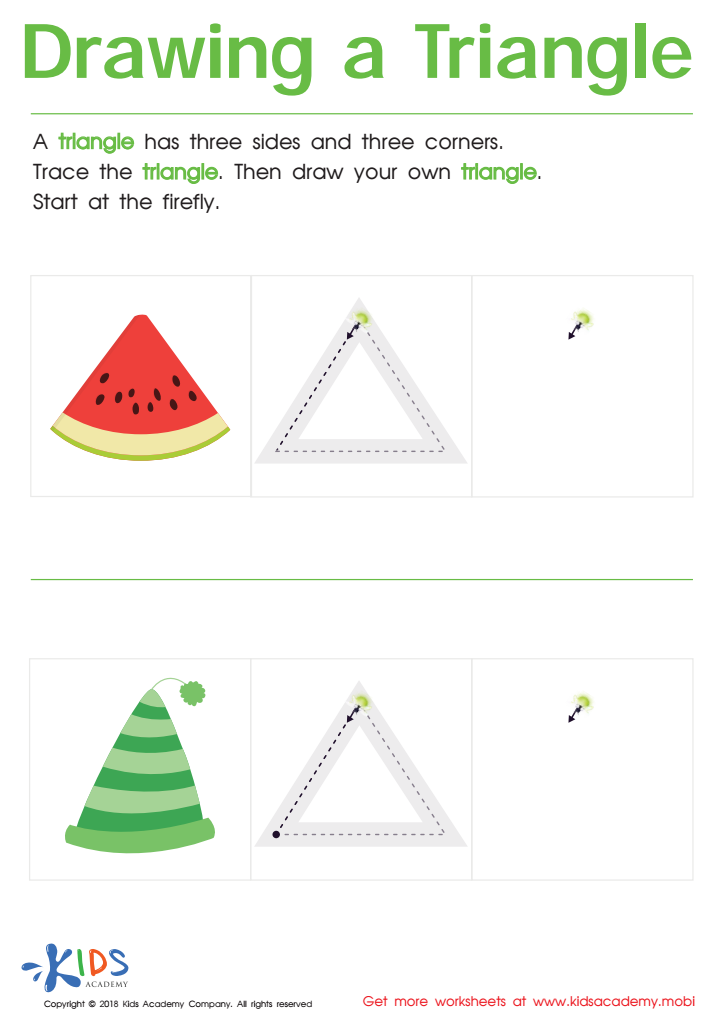
Drawing a Triangle Worksheet
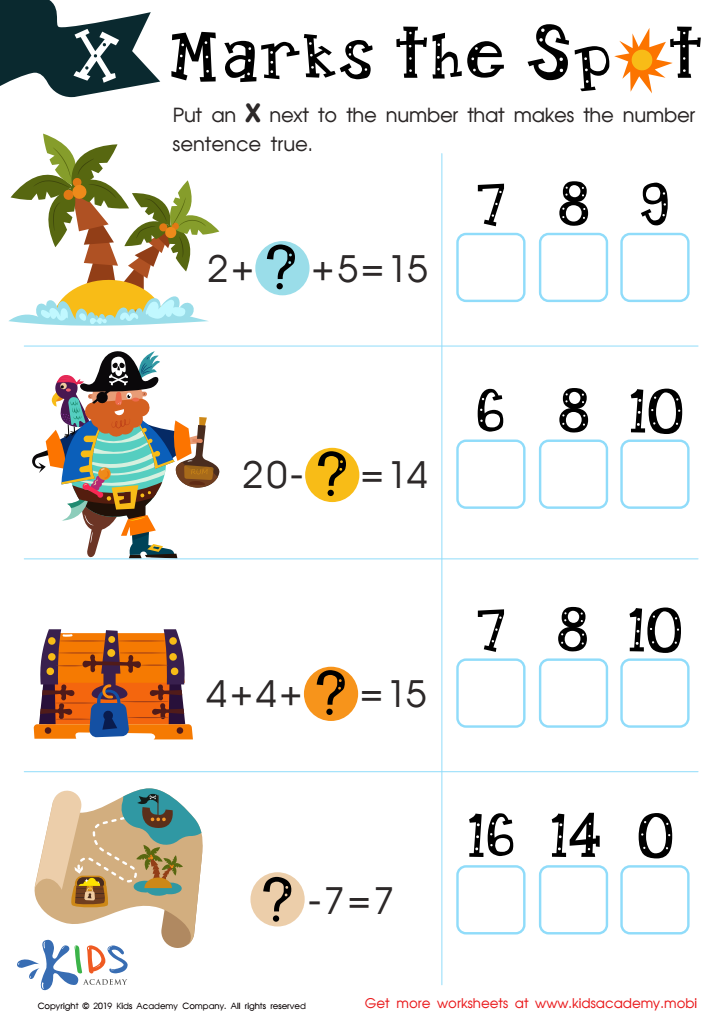
X Marks the Spot Worksheet
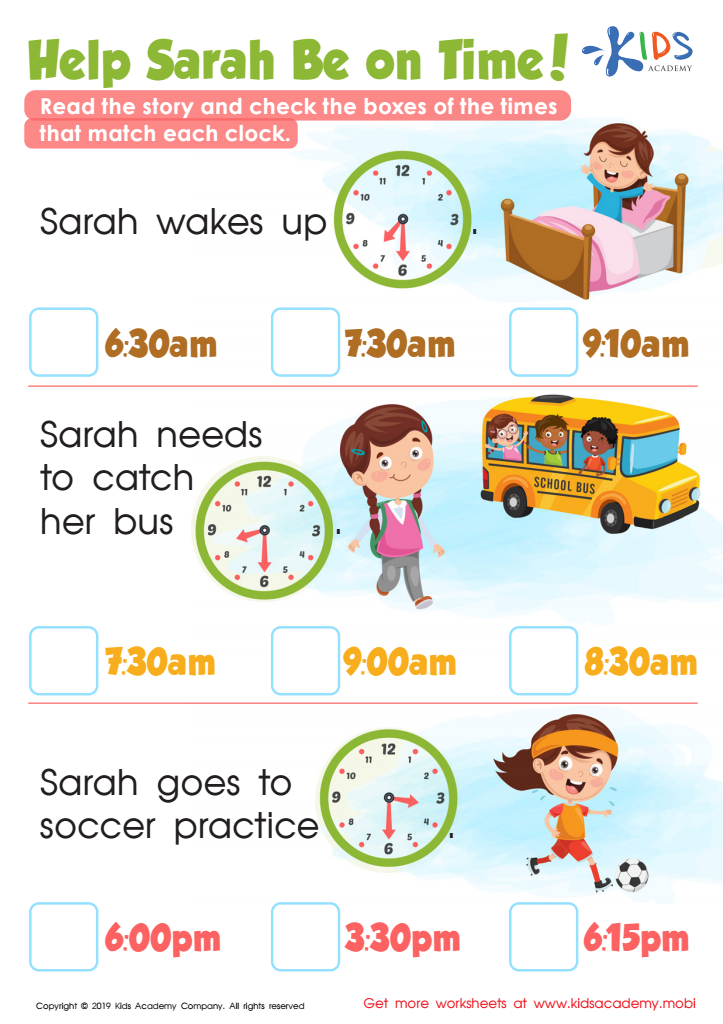
Help Sarah Be on Time! Worksheet
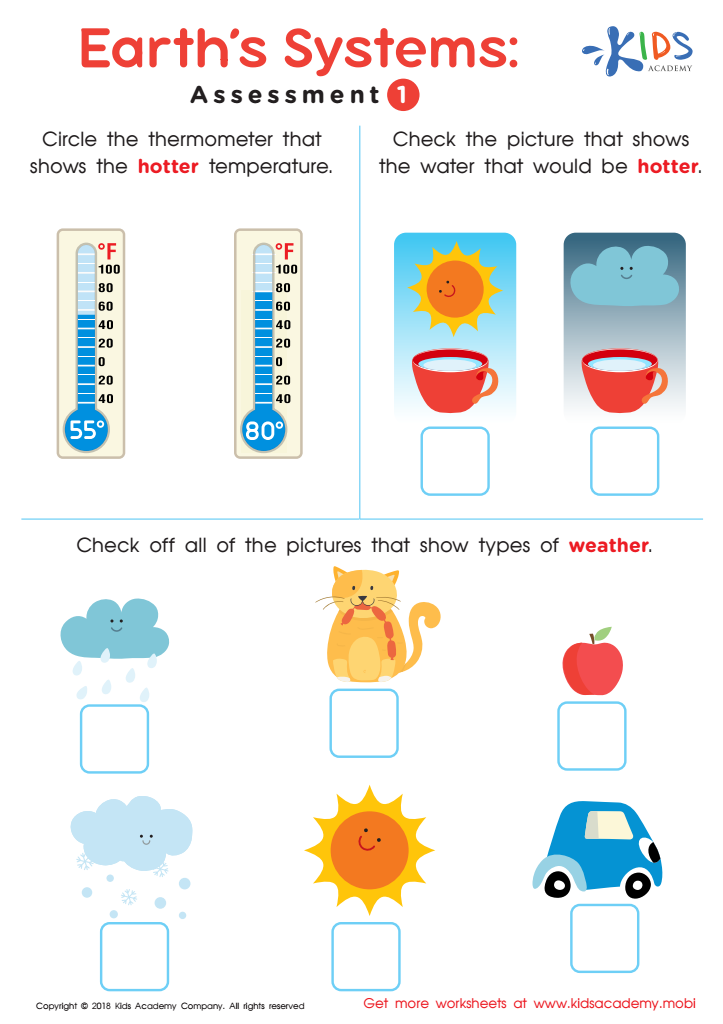
Earth's Systems: Assessment 1







Identifying shapes is a fundamental skill that significantly contributes to a child’s early development. For children ages 3-6, shape recognition is closely tied to cognitive advancements and sets the foundation for more complex learning. Shapes help young minds understand and categorize the world around them, enhancing their visual-spatial awareness. Recognizing and naming shapes sharpens observational skills and is an early form of distinguishing between different attributes, such as size, color, and texture.
Moreover, shape recognition is integral to developing early math skills. Understanding shapes helps children grasp fundamental concepts in geometry, which is a core component of future math education. It encourages the development of critical thinking and problem-solving abilities. Many mathematical problems and concepts, including patterns and symmetry, rely on a basic understanding of shapes.
Furthermore, language development is significantly impacted by shape recognition. When children learn the names and characteristics of different shapes, their vocabulary expands. Describing shapes also promotes the use of descriptive language.
Socially and emotionally, identifying shapes can boost a child’s confidence. Successfully finding shapes in their environment or completing puzzles can provide a sense of achievement and encourage perseverance. Therefore, it’s crucial for parents and teachers to engage children in activities that promote shape recognition to support holistic educational and developmental growth.








