Improves hand-eye coordination Worksheets for Ages 3-6
3 filtered results
-
From - To
Enhance your child's developmental skills with our "Improves Hand-Eye Coordination Worksheets for Ages 3-6". These expertly designed activities are perfect for young learners, helping them master the vital skill of hand-eye coordination through engaging and interactive exercises. Our worksheets focus on fun tasks such as tracing, drawing, and cutting, gradually improving precision and control. Suitable for both home and classroom settings, these printables provide a solid foundation for later academic and athletic pursuits. Start your child's journey towards better coordination today and watch them grow in confidence and ability. Download now for hours of educational fun!
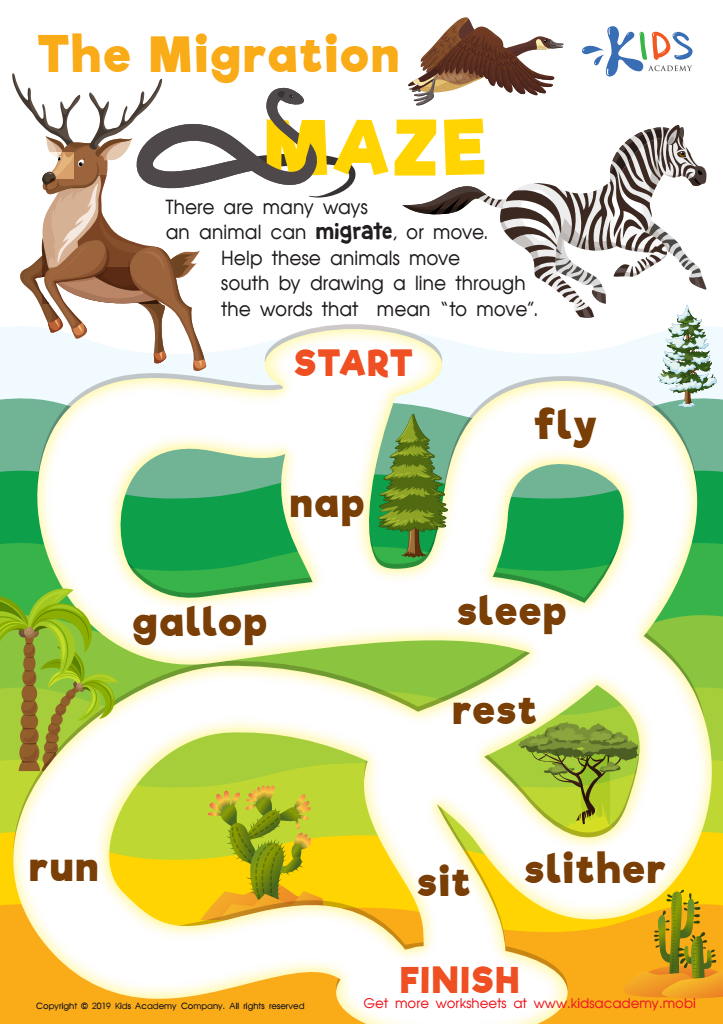
The Migration Maze Worksheet
 Assign to My Students
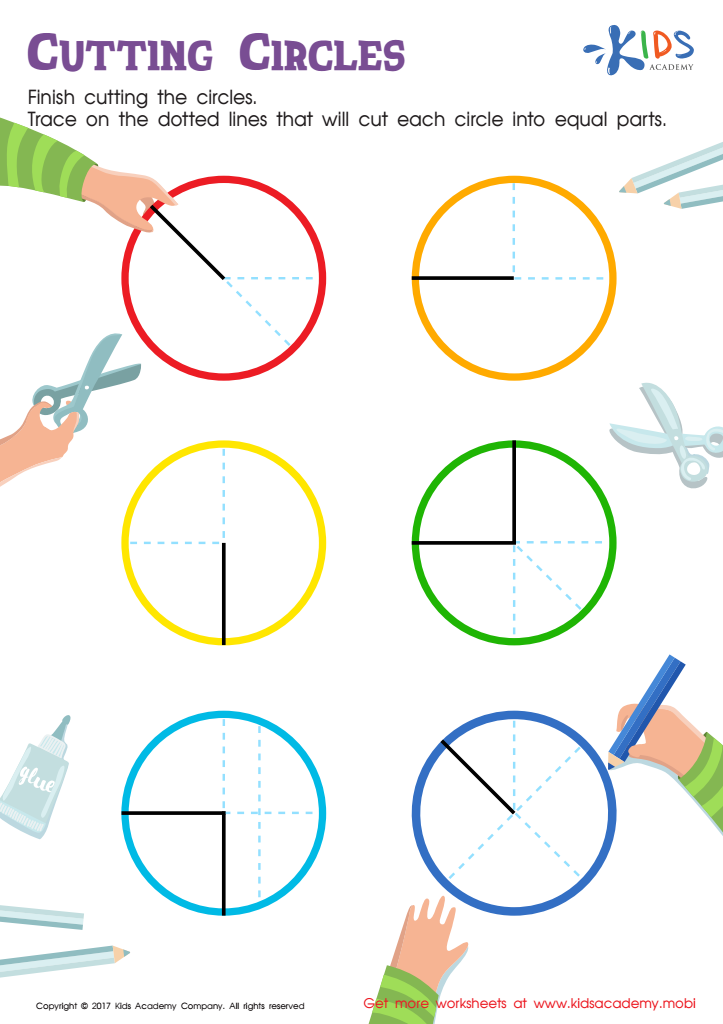
Cutting Circles Worksheet
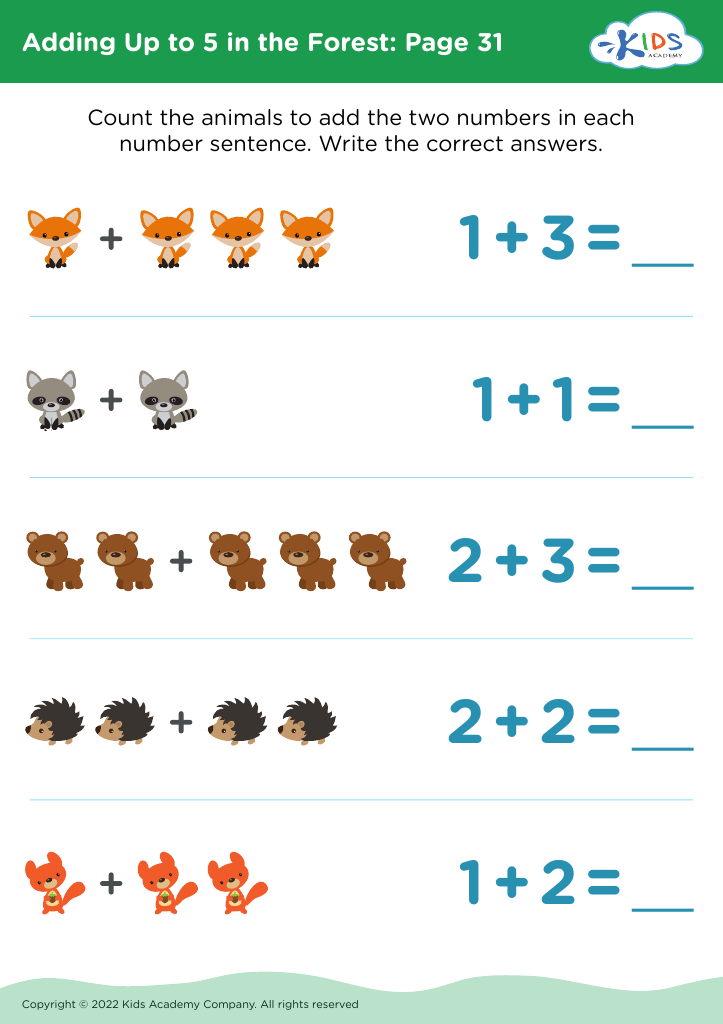






Hand-eye coordination is a crucial developmental skill, especially for children ages 3-6, and both parents and teachers should prioritize its improvement. This skill underpins a child’s ability to perform a variety of everyday tasks efficiently and safely, from basic motor activities like tying shoelaces and feeding themselves, to more complex tasks such as writing and drawing.
Developing strong hand-eye coordination enhances a child's fine motor skills, which are essential for participating in classroom activities. When kids can accurately control their hand movements relative to what they see, they're better prepared to learn basic educational skills like tracing letters, cutting shapes, and eventually writing their names. This can boost their confidence and motivation to engage in more advanced learning tasks.
Furthermore, improved hand-eye coordination supports better physical health through active play. Children with good coordination are more adept at throwing and catching balls, climbing, and other physical activities that promote healthy muscle development and overall fitness. These activities also enhance social interactions and teamwork skills, fostering emotional and social development.
In essence, by focusing on improving hand-eye coordination at a young age, parents and teachers help set the foundation for a child's academic success and general well-being, paving the way for a healthier, more confident, and well-rounded individual.








