Enhance your child's problem-solving abilities with our engaging logical thinking development worksheets, specially designed for ages 3-6. These printables foster critical thinking skills through fun and interactive activities, encouraging young learners to recognize patterns, solve puzzles, and think strategically. Ideal for home or classroom use, our worksheets support early cognitive development while keeping learning enjoyable. Each activity is tailored to match your child's developmental stage, helping them build a solid foundation in logic and reasoning. Explore our collection today and watch your child thrive as they discover the joy of learning through play!

Check out this FREE "Logical thinking development" Trial Lesson for age 3-6!

More Word Problems

Favorites
With answer key
Interactive
  • 3-6
  • Logical thinking development
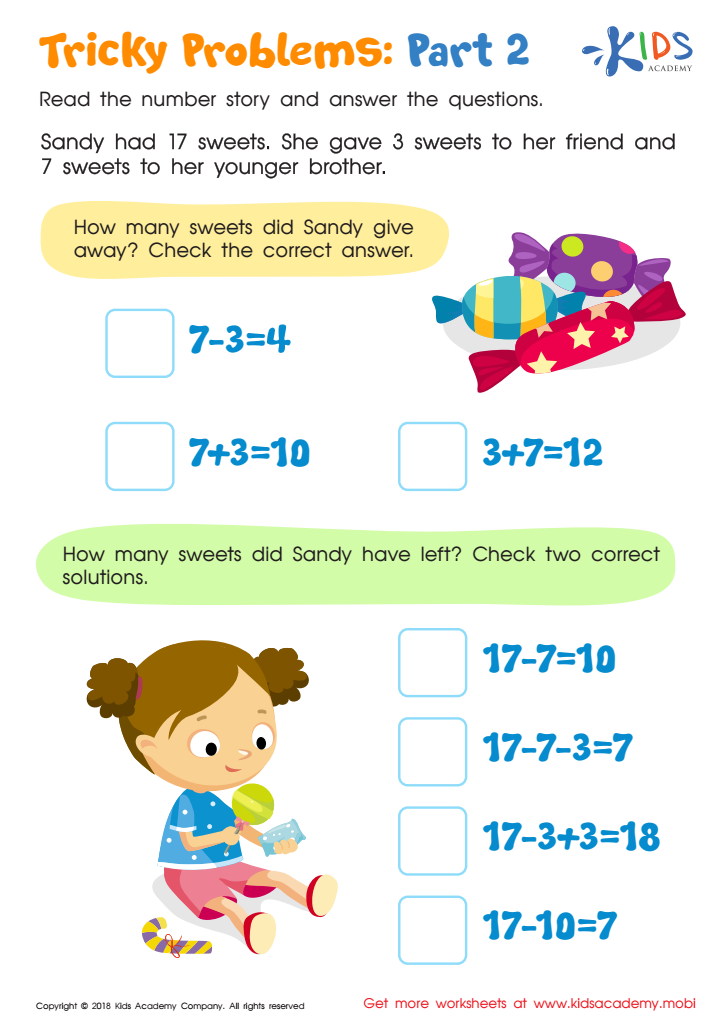
Tricky Problems Worksheet: Part 2

Tricky Problems Worksheet: Part 2

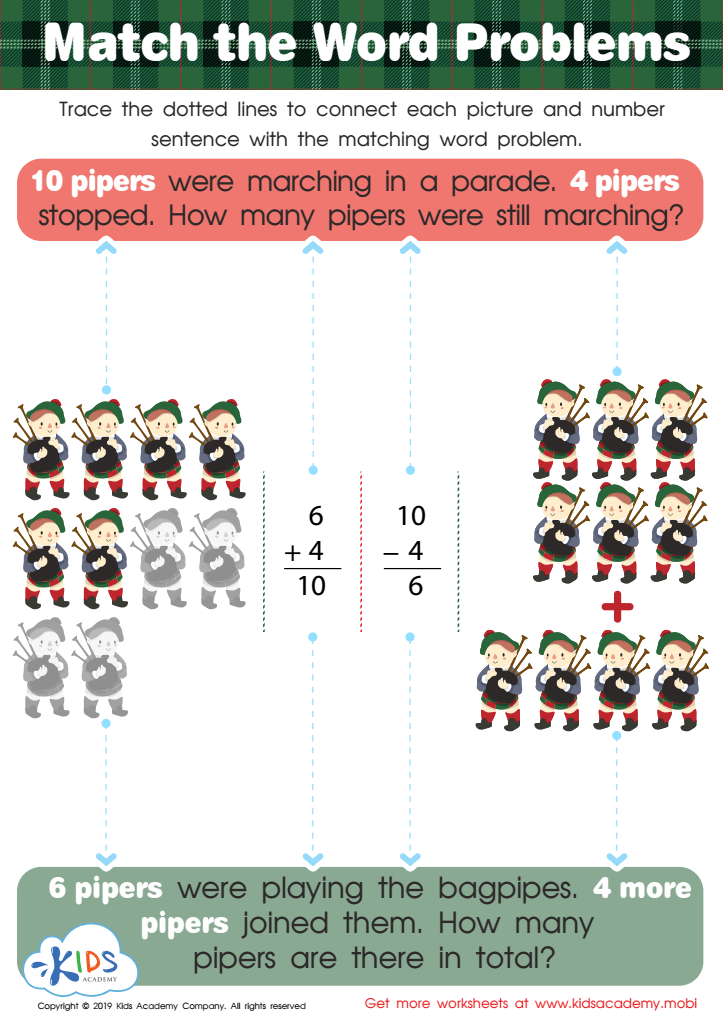
Help your little math learner visualize number stories with this engaging worksheet. They'll connect pictures to the story and use math facts to find the sums. After that, they'll be able to identify the correct number sentences to match. Let them practice and get better at problem solving!
Tricky Problems Worksheet: Part 2
Worksheet
Match the Word Problems Worksheet

Match the Word Problems Worksheet

Read this word problem to your kids: Help them understand how it can be translated into a number problem. Trace the dotted lines to see how each picture and number sentence match the problem. With this worksheet, you can show your kids how easy it is to transform a word problem into a number problem.
Match the Word Problems Worksheet
Worksheet
Find the Last! Worksheet

Find the Last! Worksheet

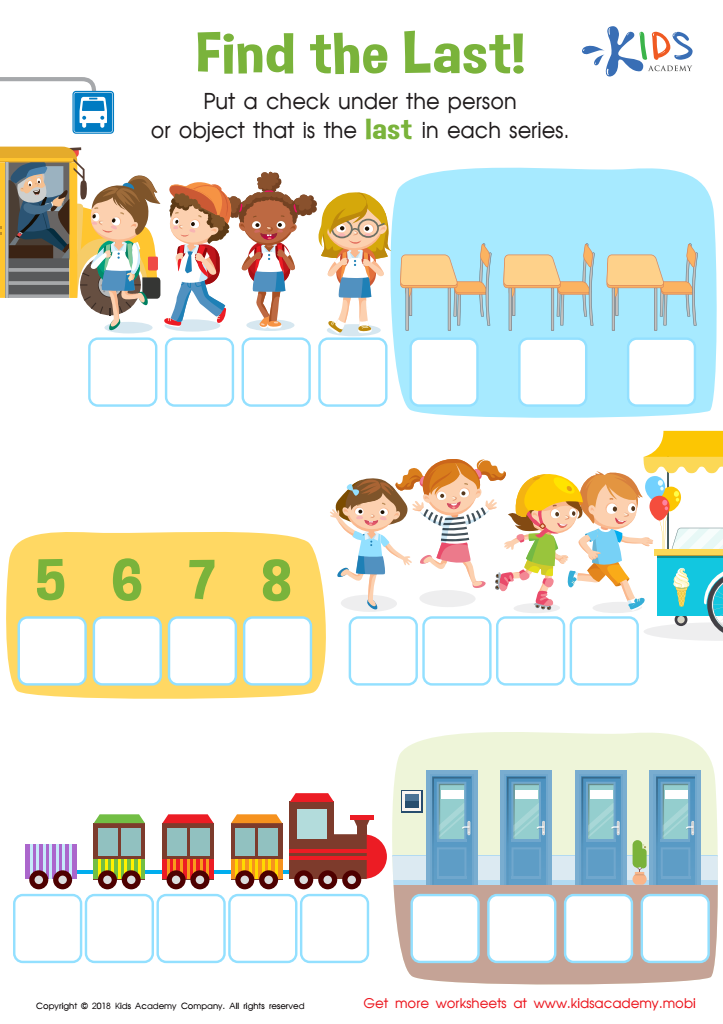
Teach young students about sequence words with this free worksheet. Have them look at sets of people or objects and choose the one that is last. Engage them further by having them describe or act out their day, and what happens last? Enjoy this printout and have fun!
Find the Last! Worksheet
Worksheet
Subtraction Robot Sorter Worksheet

Subtraction Robot Sorter Worksheet

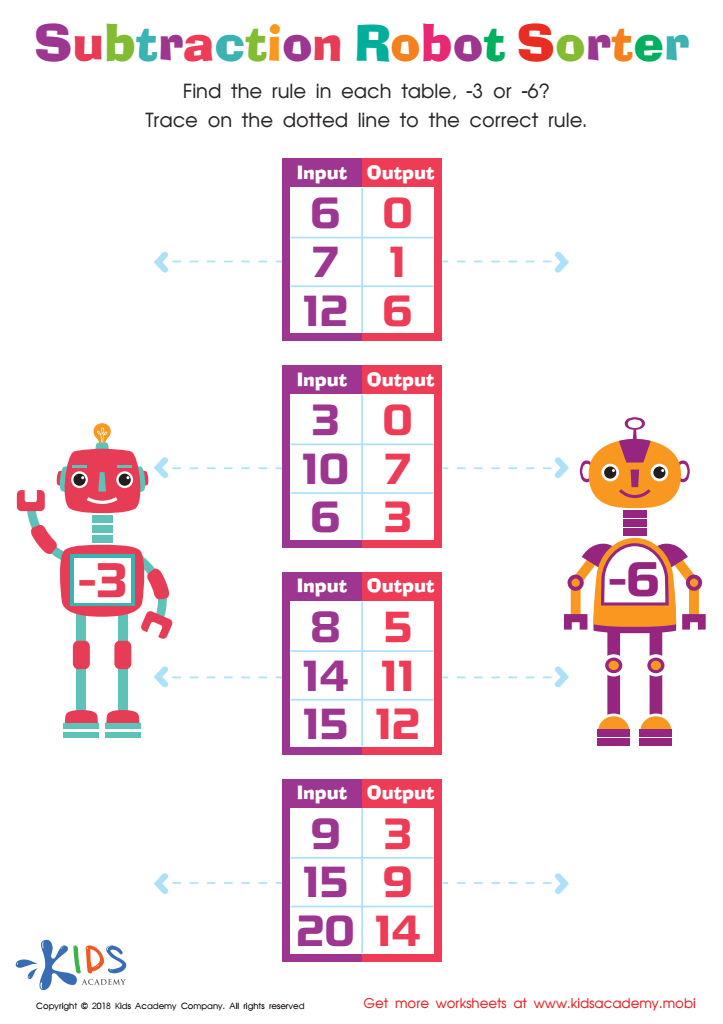
Help your child learn essential math skills with robot friends! Look at function machines and find if the rule is minus 3 or minus 6. Trace the dotted line to the robot with the correct rule when the pattern is found. Simple and delightful!
Subtraction Robot Sorter Worksheet
Worksheet
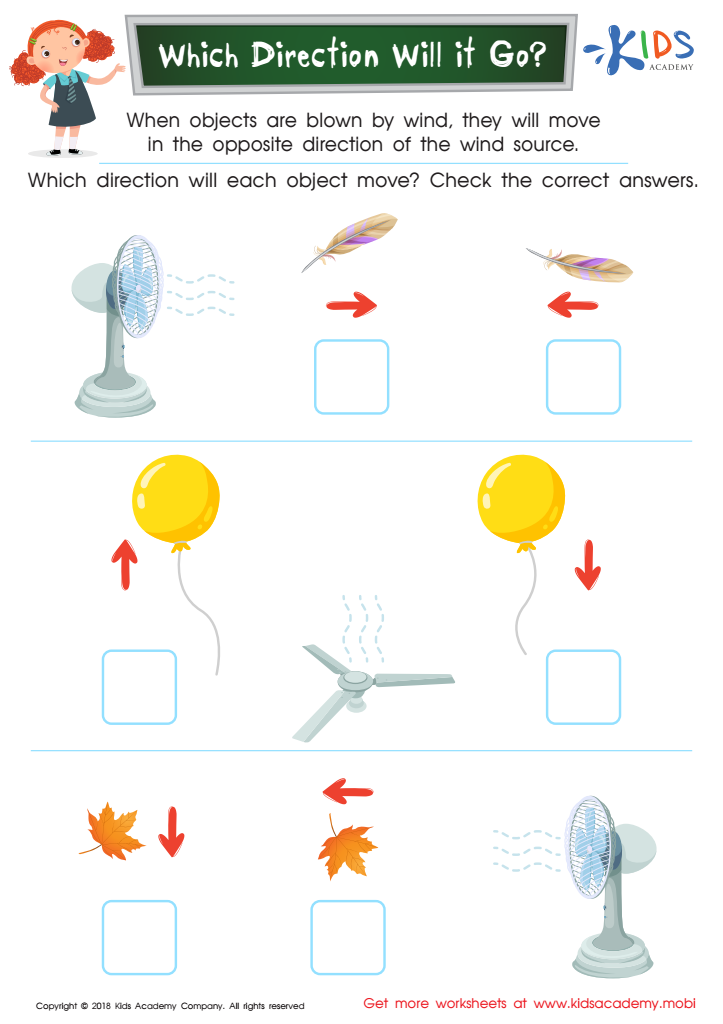
Which Direction Will it Go? Worksheet

Which Direction Will it Go? Worksheet

Explain to your students: when objects are blown by wind, they will move in the opposite direction. In the worksheet, there are pictures of wind sources and objects being blown by the wind. Ask your child to identify and check the direction each object will move.
Which Direction Will it Go? Worksheet
Worksheet
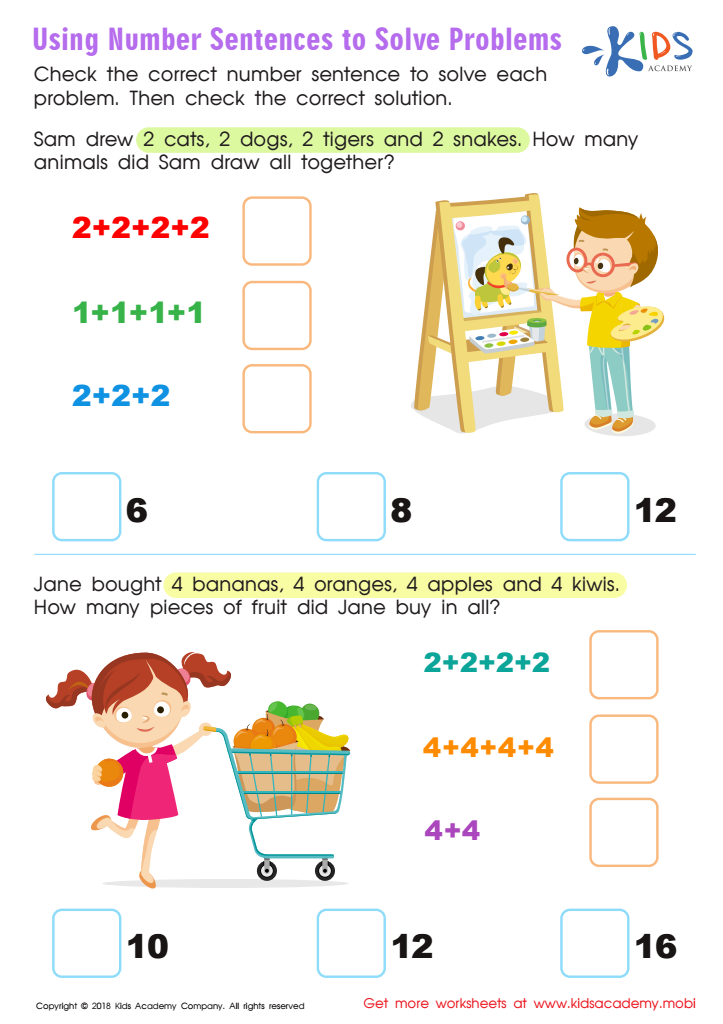
Using Number Sentences to Solve Problems Worksheet

Using Number Sentences to Solve Problems Worksheet

Solving math problems requires an efficient strategy. Picture representation can help young mathematicians with basic addition problems, especially when it involves repeated addends. As they gain confidence, they'll be able to apply their number sentence solving abilities to more complex equations.
Using Number Sentences to Solve Problems Worksheet
Worksheet
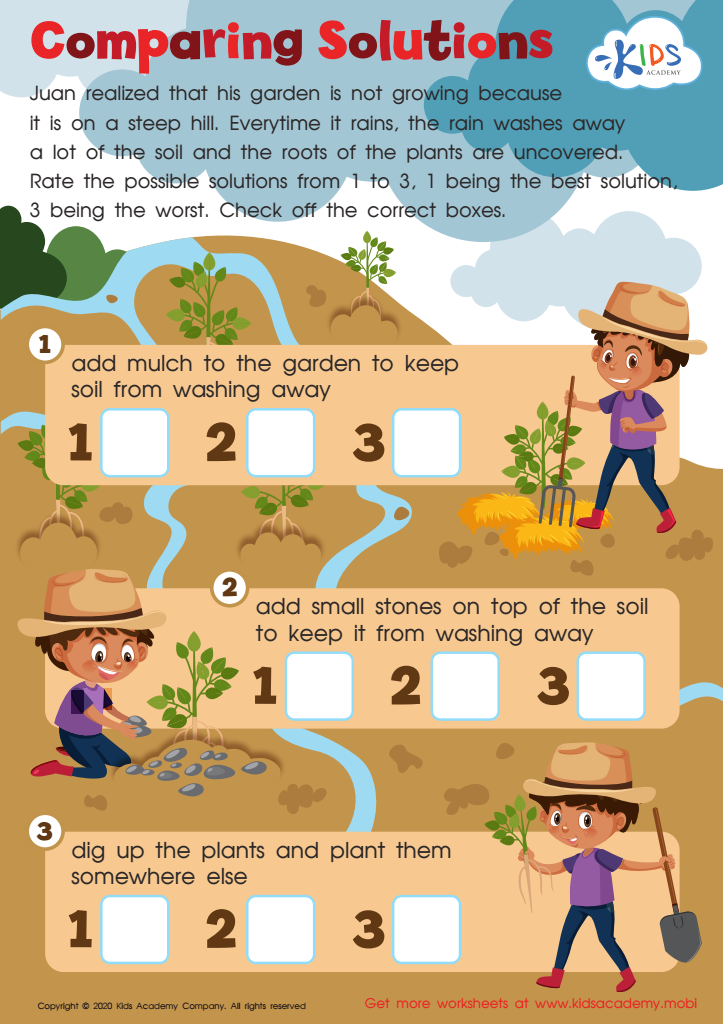
Comparing Solutions Worksheet

Comparing Solutions Worksheet

Juan can't get his veg garden growing as he'd like, planted on a steep hill. Help your child practice problem-solving by comparing solutions and rating them from most to least effective. With this thought-provoking worksheet, learners can hone the important skill of finding the best solution from a range of options.
Comparing Solutions Worksheet
Worksheet
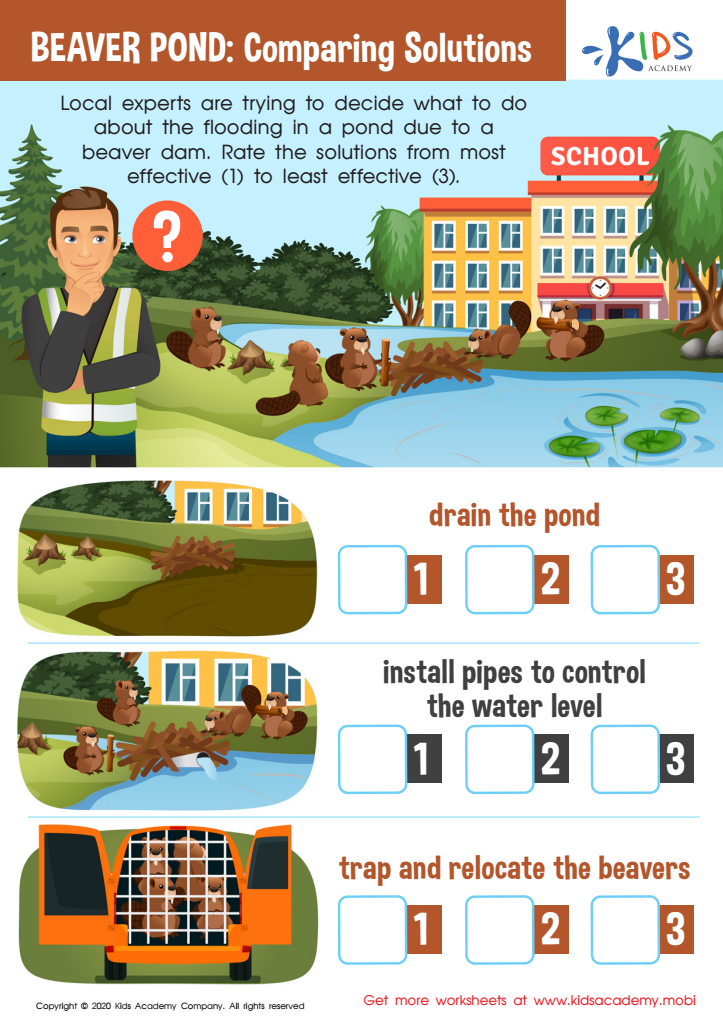
Beaver Pond: Comparing Solutions Worksheet

Beaver Pond: Comparing Solutions Worksheet

Got a problem? This science worksheet is great for helping your child compare solutions and pick the best one. Kids get to rate each option's effectiveness by ticking off boxes, from most to least. It's a great way to encourage problem-solving skills, while having fun!
Beaver Pond: Comparing Solutions Worksheet
Worksheet
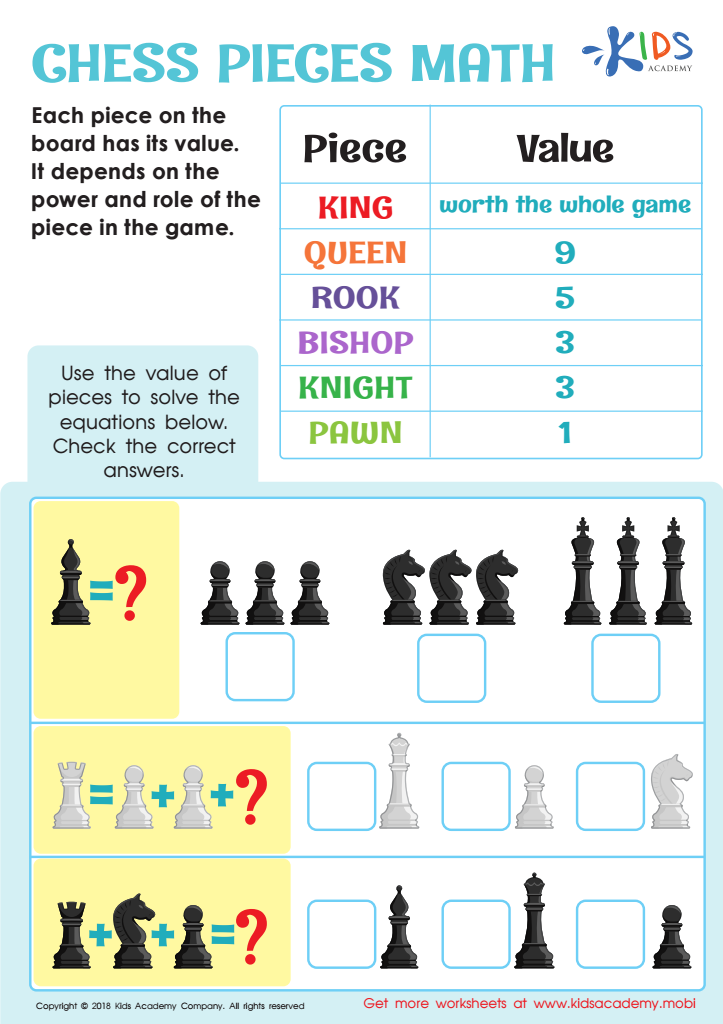
Chess Pieces Math Worksheet

Chess Pieces Math Worksheet

Chess involves math! Each piece has its own value, from the king (worth the entire game) to the queen (9 points), varying according to their power and role. In the worksheet, your child must use these values to solve the equations at the bottom.
Chess Pieces Math Worksheet
Worksheet
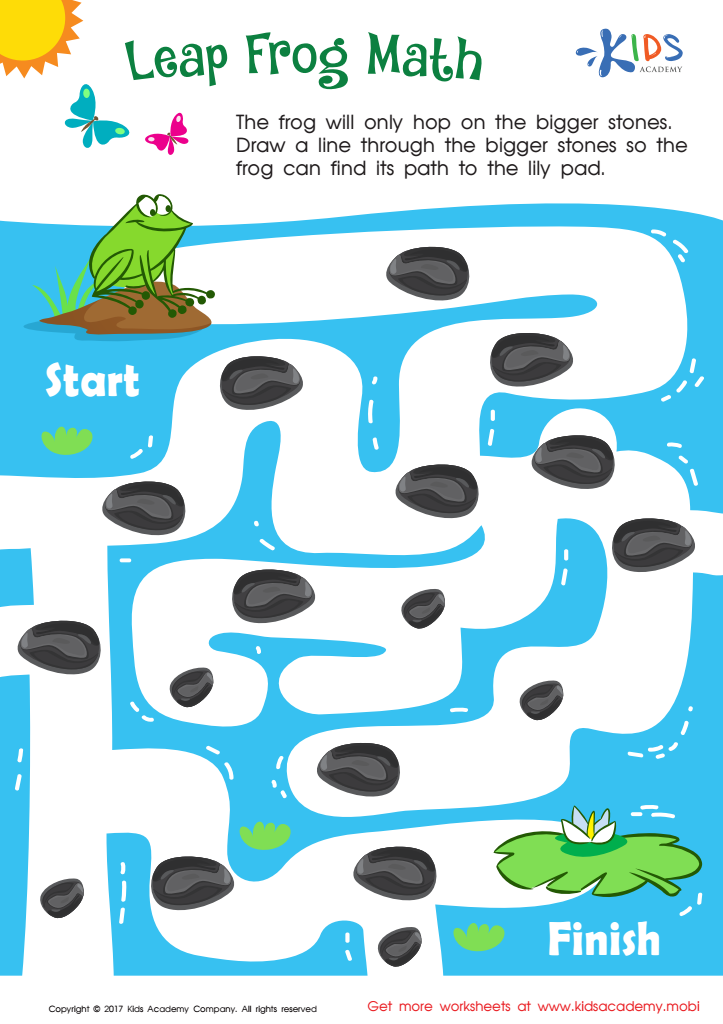
Math puzzle worksheet for kindergarten

Math Puzzle Worksheet

Kids will use their math skills to help the frog get through the maze by selecting the larger stones. Perfect for kindergarteners, it develops the ability to identify size differences.
Math Puzzle Worksheet
Worksheet
What Is a Stalemate? Worksheet

What Is a Stalemate? Worksheet

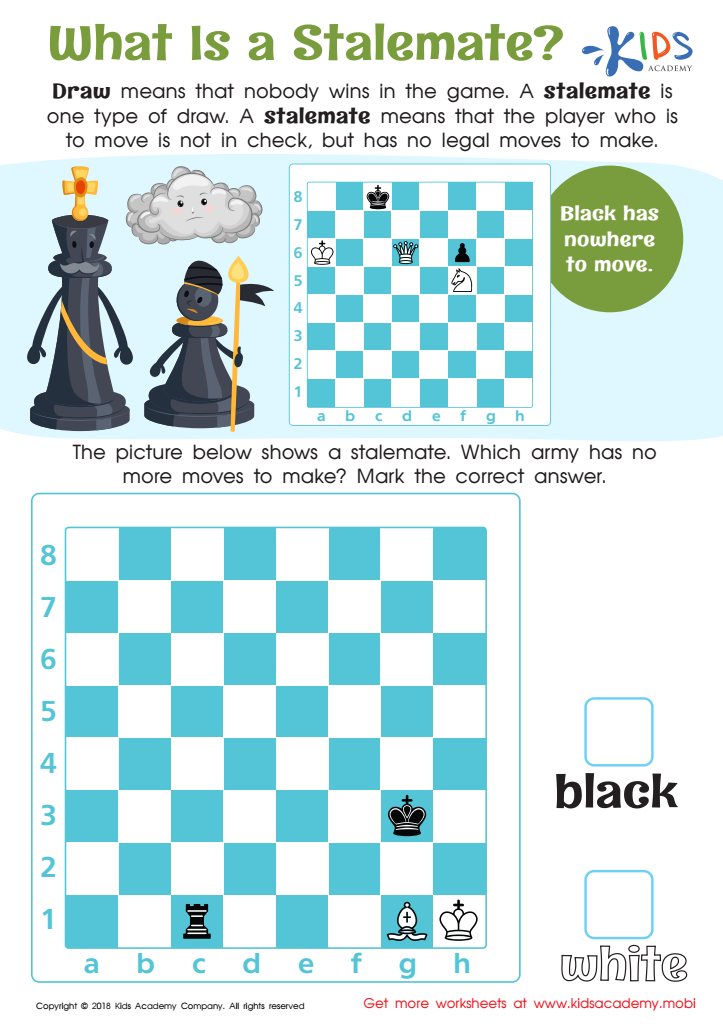
Chess is an ideal way to develop logic, strategizing, problem-solving and more! Even kids can learn it. With this worksheet, children can learn about draws and stalemates. Sample boards will help them decide which team, black or white, is at a stalemate.
What Is a Stalemate? Worksheet
Worksheet
Setting up the Chessboard: Part 1 Worksheet

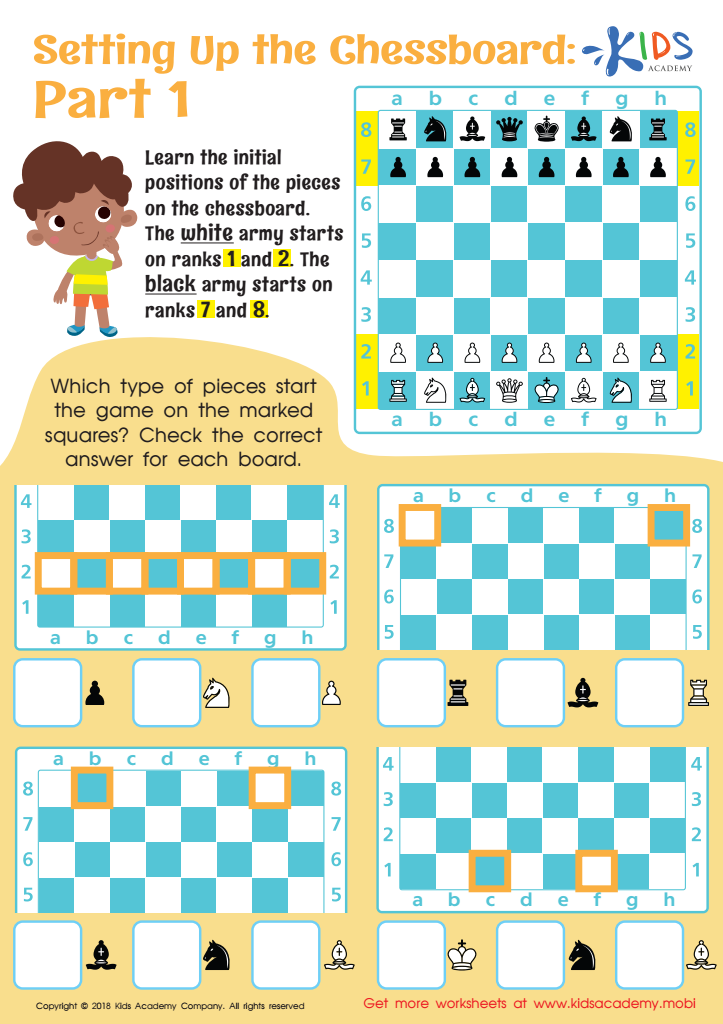
Setting up the Chessboard: Part 1 Worksheet

Teach your child the starting positions of the black and white armies on the chessboard. Black pieces are placed on ranks 7 and 8, and white pieces on ranks 1 and 2. Have them check the highlighted boxes on the chessboard to make sure they know the correct pieces to start with.
Setting up the Chessboard: Part 1 Worksheet
Worksheet
Kindness Maze Worksheet

Kindness Maze Worksheet

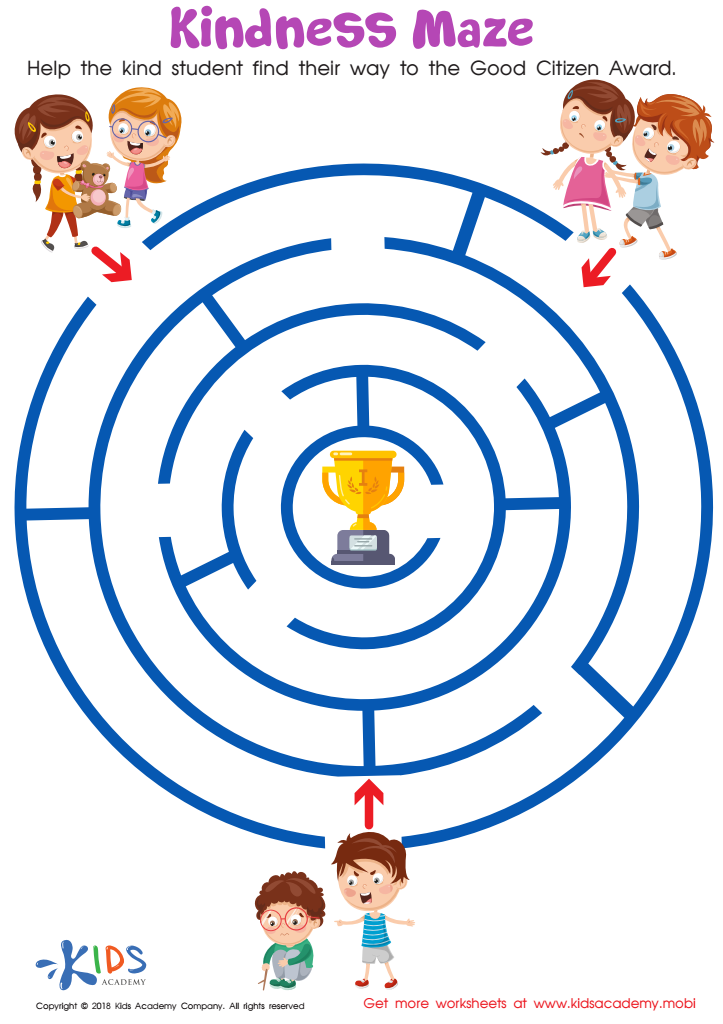
Rewards come in many forms for kind deeds. When your children do good, you can choose to reward them with a gift or compliment. The students in this worksheet have been awarded the Good Citizen Award for kindness. Let your kids help the students find their way to the award - at the center of the maze. Guide them through to get their prize.
Kindness Maze Worksheet
Worksheet
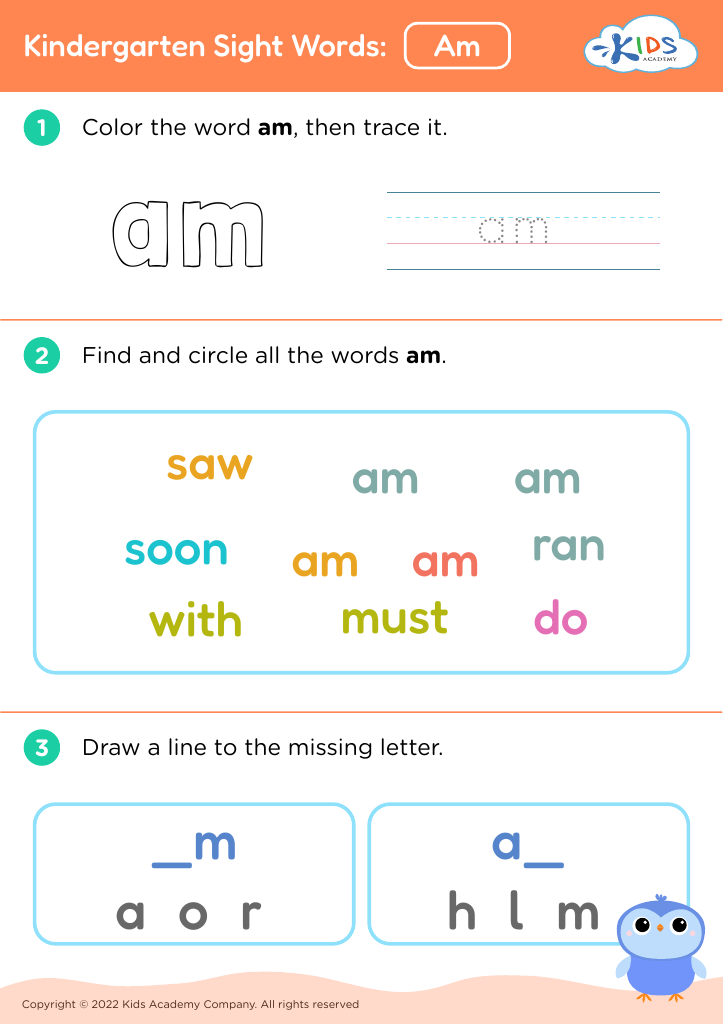
Kindergarten Sight Words: Am

Kindergarten Sight Words: Am

Kindergarten Sight Words: Am
Worksheet


Logical thinking development in ages 3-6 is crucial for laying a strong foundation for children's future learning and problem-solving skills. During this stage, children's brains are highly adaptable, allowing them to grasp concepts and relationships that are essential for understanding the world around them. Engaging in activities that promote logical thinking, such as puzzles, sorting games, and pattern recognition, helps enhance cognitive abilities, including reasoning, critical thinking, and decision-making.

Encouraging logical thinking also supports language development, as children learn to articulate their thoughts and express ideas clearly. This skill is vital for effective communication and builds self-confidence as they engage in discussions and collaborations with peers and adults. Furthermore, children who develop strong logical reasoning are better equipped to tackle academic challenges later on, particularly in subjects like math and science, which rely heavily on these skills.

For parents and teachers, fostering logical thinking skills through play, exploration, and structured learning can lead to increased engagement and curiosity, creating lifelong learners who approach challenges with confidence and creativity. Supporting this development not only enriches a child's educational experience but also contributes to their overall emotional and social development, promoting well-rounded growth in these formative years.