Enhance your child’s literacy journey with our engaging Phonics Skills Development Worksheets designed for ages 3-6. These interactive worksheets focus on essential phonics concepts, helping young learners strengthen their reading and writing foundations. Our resources include fun activities that incorporate letter sounds, word formation, and phonemic awareness, all designed to make learning enjoyable. Perfect for homeschooling, classroom settings, or additional practice at home, these worksheets support early childhood education goals. Empower your child with the skills they need to succeed in reading with our thoughtfully crafted activities that align with their developmental stage. Start building confidence and literacy skills today!

Check out this FREE "Phonics skills development" Trial Lesson for age 3-6!

Distinguish Between Words with Long I and Short I

Favorites
With answer key
Interactive
  • 3-6
  • Phonics skills development
Words with sound j Reading Worksheet

Words with sound j Reading Worksheet

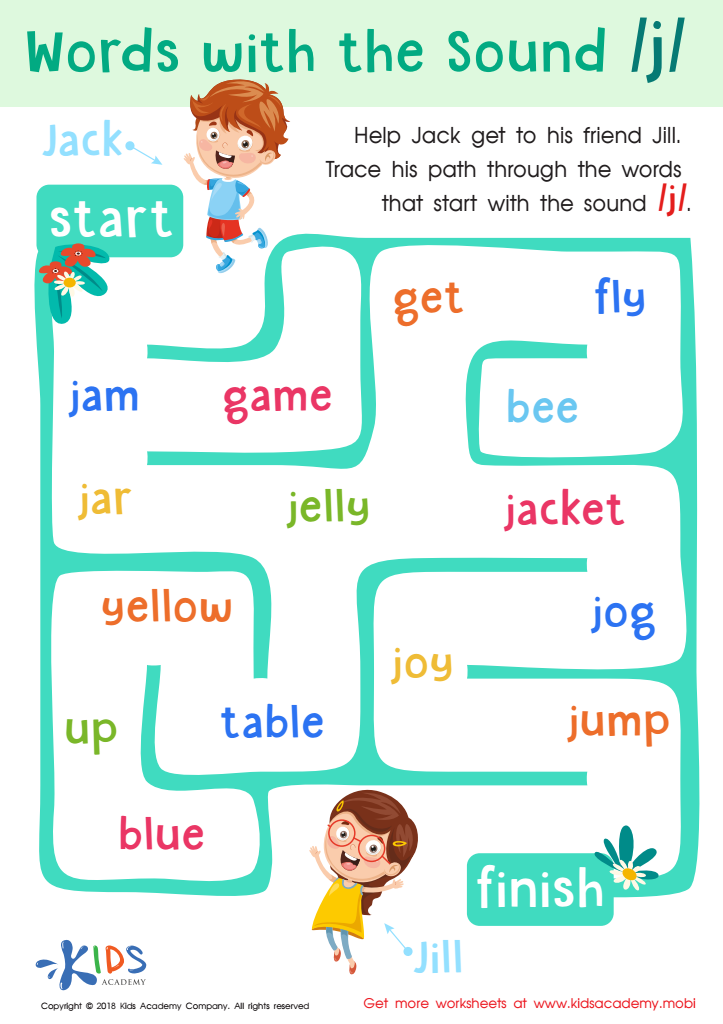
Don't be fooled: The letter J sounds like G in this letter sounds maze! Kids will enjoy helping Jack find Jill by listening to beginning sounds and tracing a path to the exit. Choose words that start with the letter J sound to complete the challenging maze!
Words with sound j Reading Worksheet
Worksheet
Words with Sound Q Reading Worksheet

Words with Sound Q Reading Worksheet

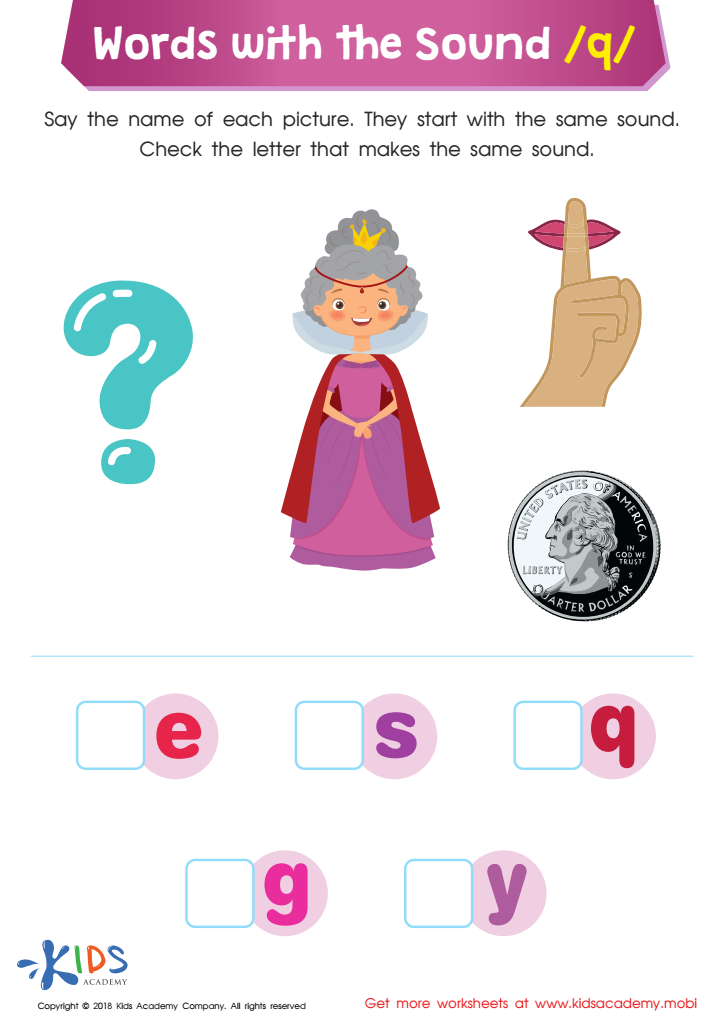
Beginning readers will love this free PDF worksheet! Bright colors and familiar pictures make it fun, as they say the name of each image and work on fine motor skills. Letters “q” is featured among others, helping to recognize and isolate its sound, which is often seen with a “u” behind it.
Words with Sound Q Reading Worksheet
Worksheet
Phonics for Kids | Short Vowel Sound U | PDF Worksheet 2

Short Vowel Sound U Worksheet

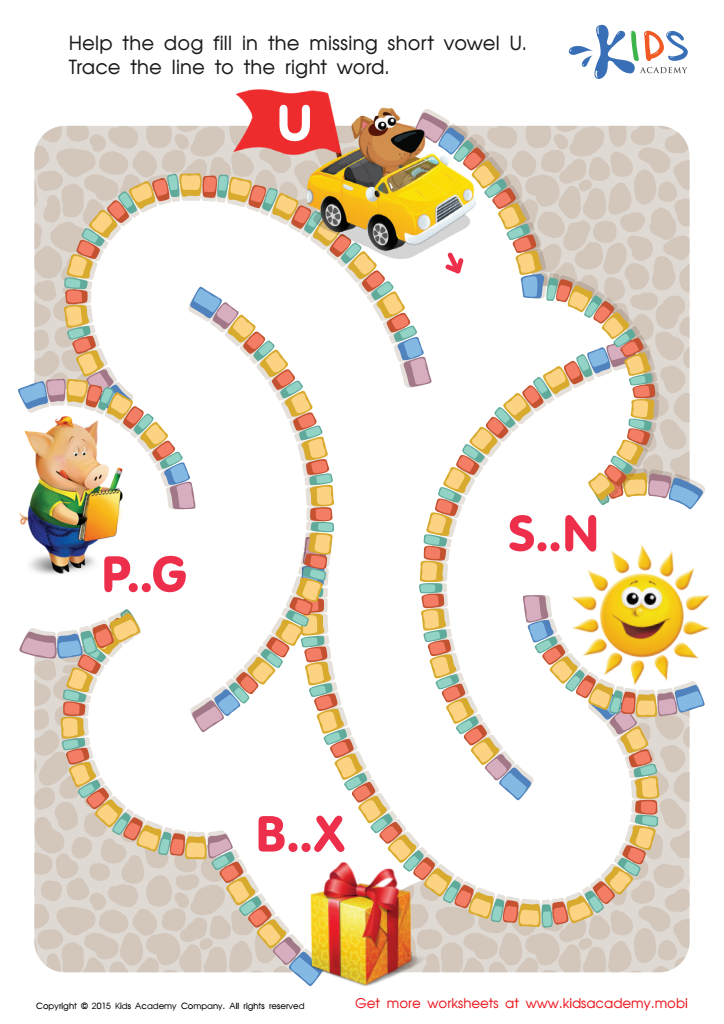
Practice abc phonics to help young learners link sounds to letters. This free printable phonics worksheet helps your kid learn the short vowel sound U. Guide them through the maze to help the dog complete the word "sun". Make sure they say the word out loud to emphasize the short U sound. Check out more phonics worksheets with mazes here.
Short Vowel Sound U Worksheet
Worksheet
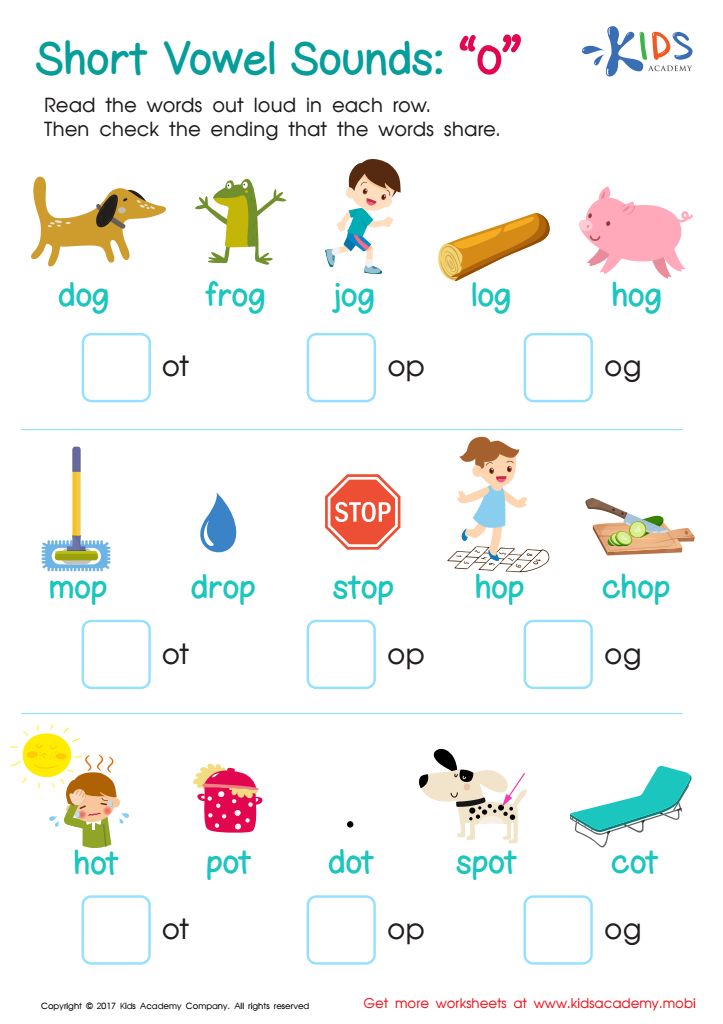
Spelling worksheet: Short Vowel Sounds O

Short vowel Sounds "o" Spelling Worksheet
This worksheet will get your child thinking! Have them look at the pictures, read the words and check the ending of each. They'll learn to analyze words and vowel sounds using the Short Vowel Sounds "O" spelling worksheet.
Short vowel Sounds "o" Spelling Worksheet
Worksheet
Long and Short I Worksheet

Long and Short I Worksheet

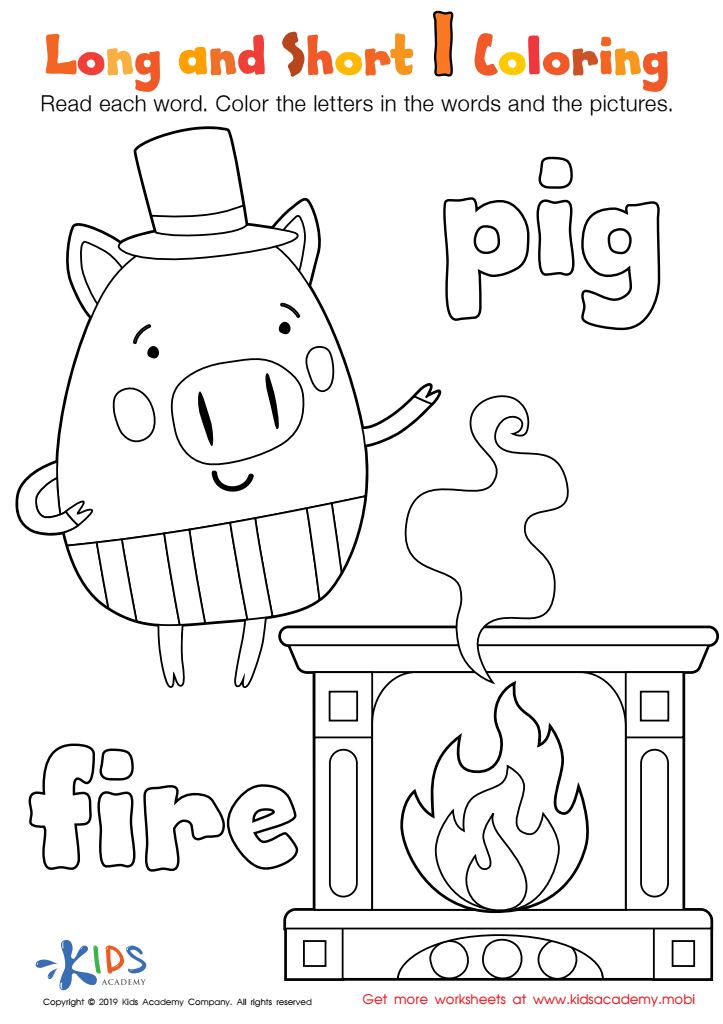
Print the worksheet and have the students read "pig" and "fire". Check for understanding the difference between long and short vowels. Color in words and pictures to make learning phonics fun! This exercise is perfect for introducing the topic to your students.
Download (PDF)
Assign to My Students
Long and Short I Worksheet
Worksheet
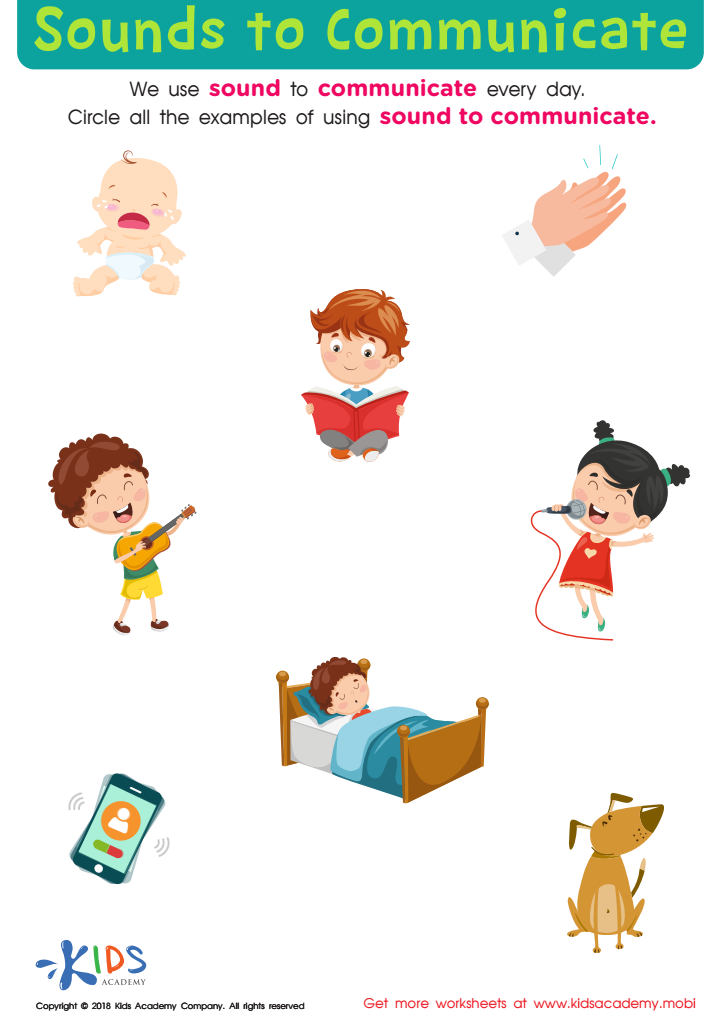
Sounds to Communicate Worksheet

Sounds to Communicate Worksheet

Sounds are important for communication. Ask your students to name sounds people, animals and things make. Then, review this worksheet with them and see if they can identify the activities. Ask them to circle examples of sounds used to communicate.
Sounds to Communicate Worksheet
Worksheet
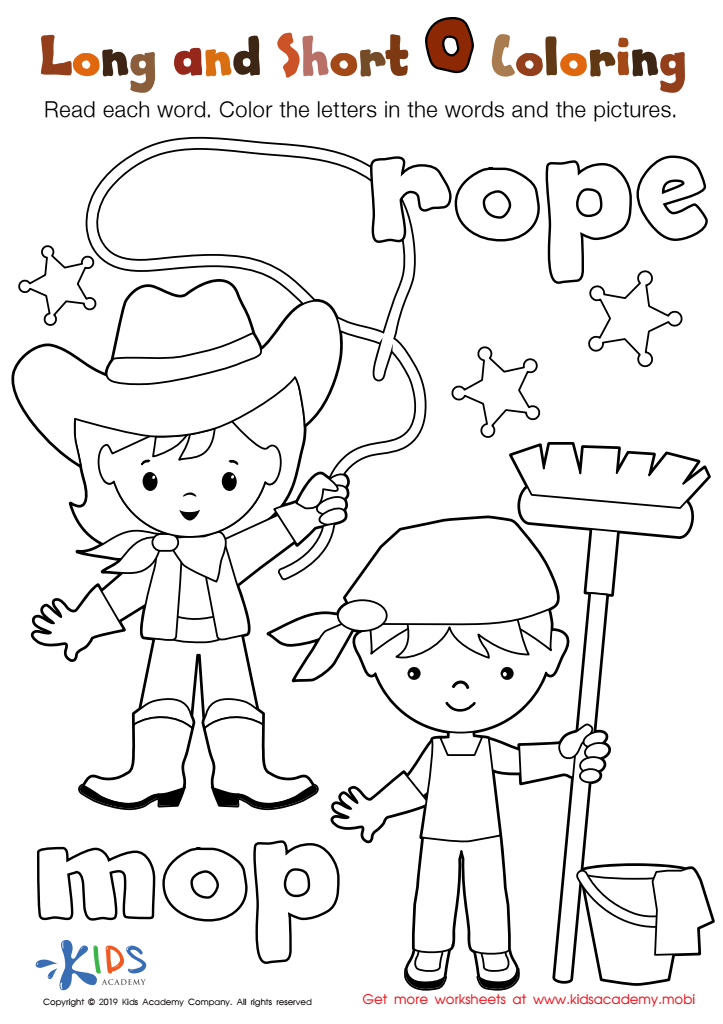
Long and Short O Worksheet

Long and Short O Worksheet

Help your students recognize the difference between long and short «Os» with this fun printout. Let them read and color-in "rope" and "mop" simultaneously. Listen to the different sounds, then color the words and pictures. Great for classes, it'll make your phonics lesson memorable and enjoyable.
Download (PDF)
Assign to My Students
Long and Short O Worksheet
Worksheet


Phonics skills development is crucial for children aged 3-6 as it lays the foundation for reading and writing proficiency. At this early stage, children begin to make connections between letters and sounds, an essential component of literacy. Effective phonics instruction helps young learners decode unfamiliar words, enhancing their reading skills and boosting their confidence. This early mastery is key to developing a lifelong love for reading.

Moreover, phonics instruction contributes to overall language development. As children learn to associate sounds with letters, they strengthen their vocabulary and comprehension skills, making it easier to express themselves and understand others. Early exposure to phonics also supports spelling abilities, allowing children to construct words more easily.

Additionally, research shows that phonics instruction can significantly reduce reading difficulties later in life, providing a stable platform for future academic success. For parents and teachers, prioritizing phonics means not only fostering literacy skills but also nurturing critical thinking, creativity, and communication abilities.

In summary, focusing on phonics skills during these formative years creates confident readers and learners, setting the stage for a bright educational journey and lifelong learning.