Problem Solving Worksheets for Ages 3-6 - Page 2
33 filtered results
-
From - To
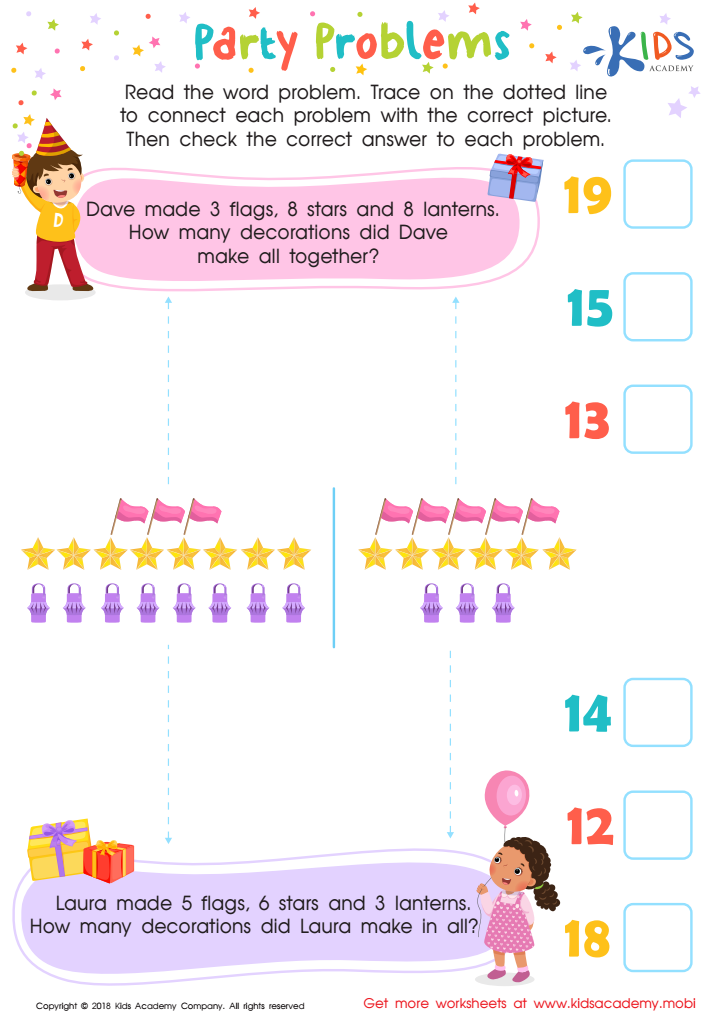
Party Problems Worksheet
 Assign to My Students
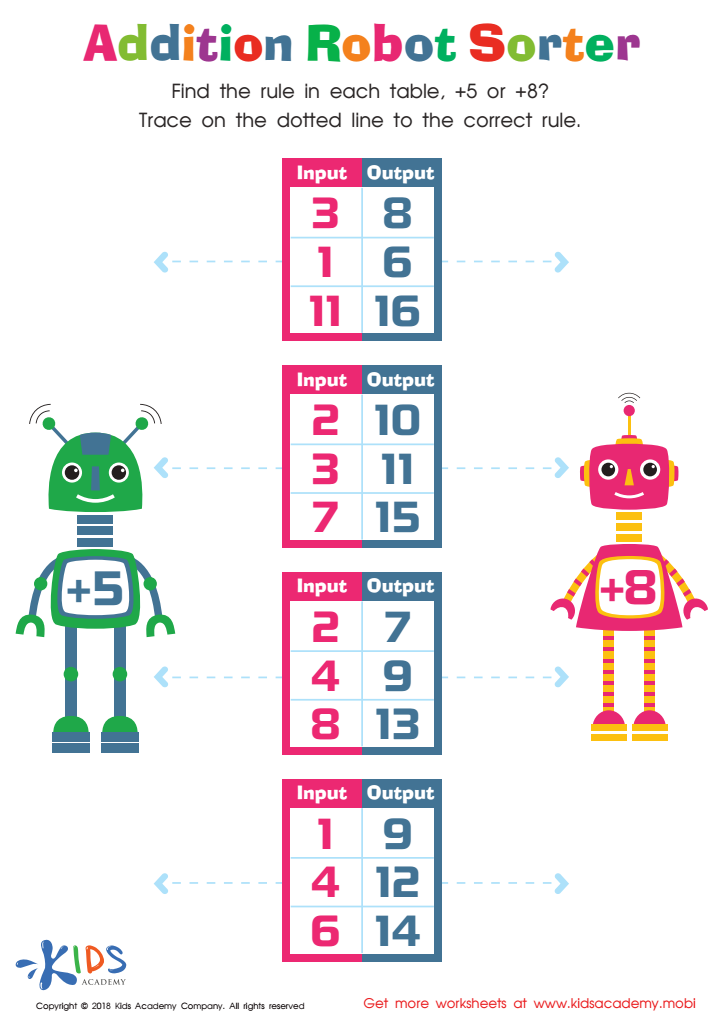
Addition Robot Sorter Worksheet
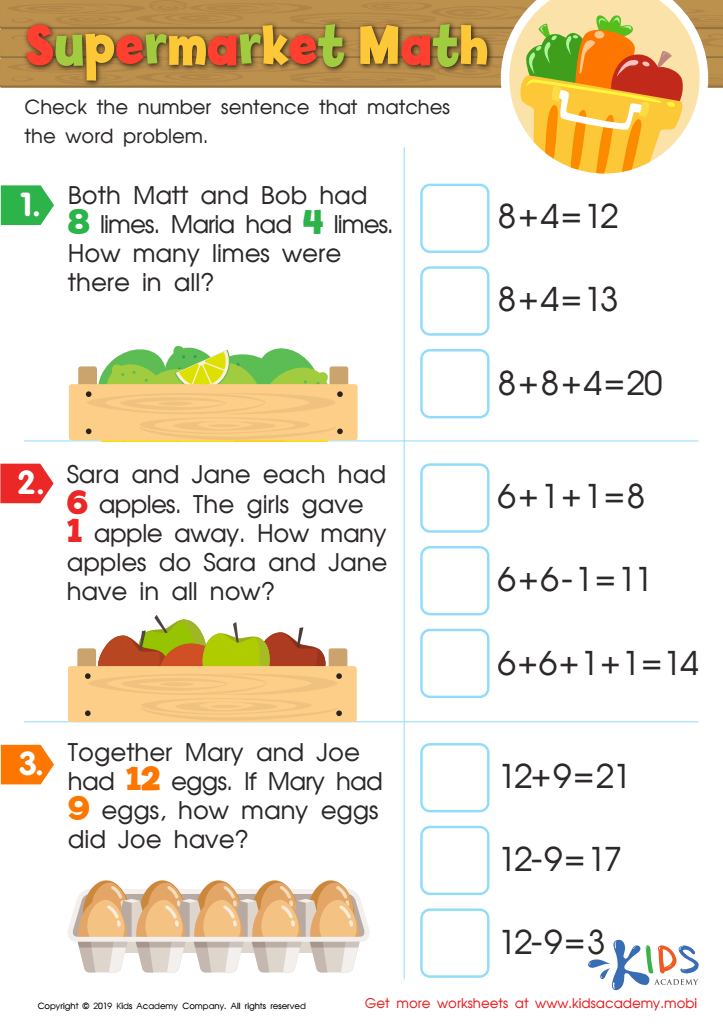
Supermarket Math Worksheet
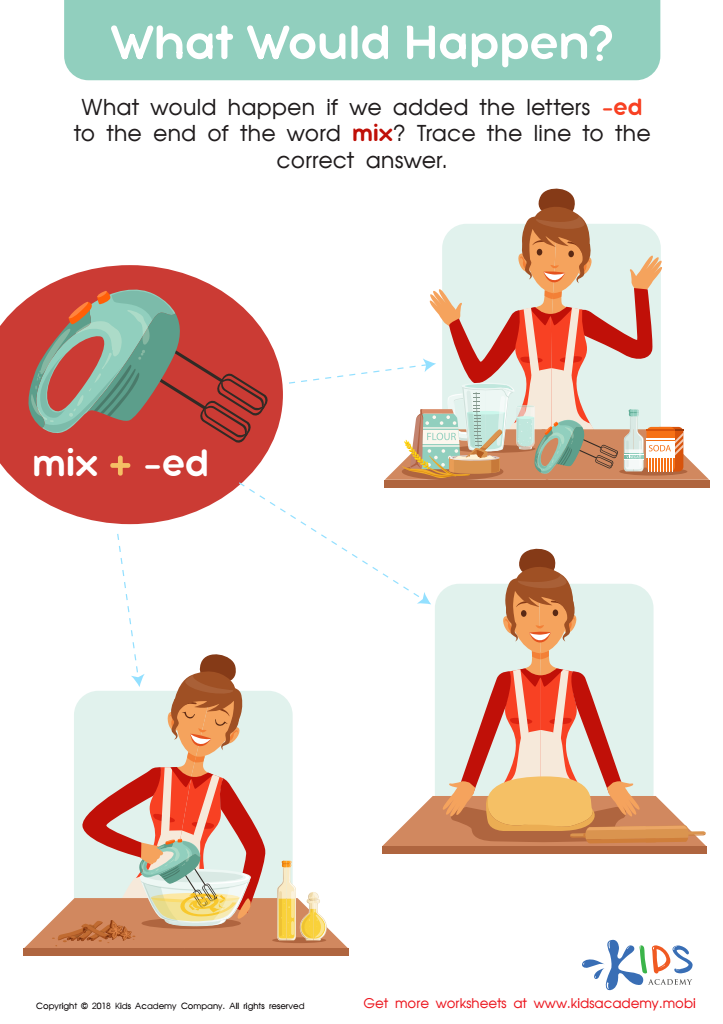
What Would Happen? Worksheet
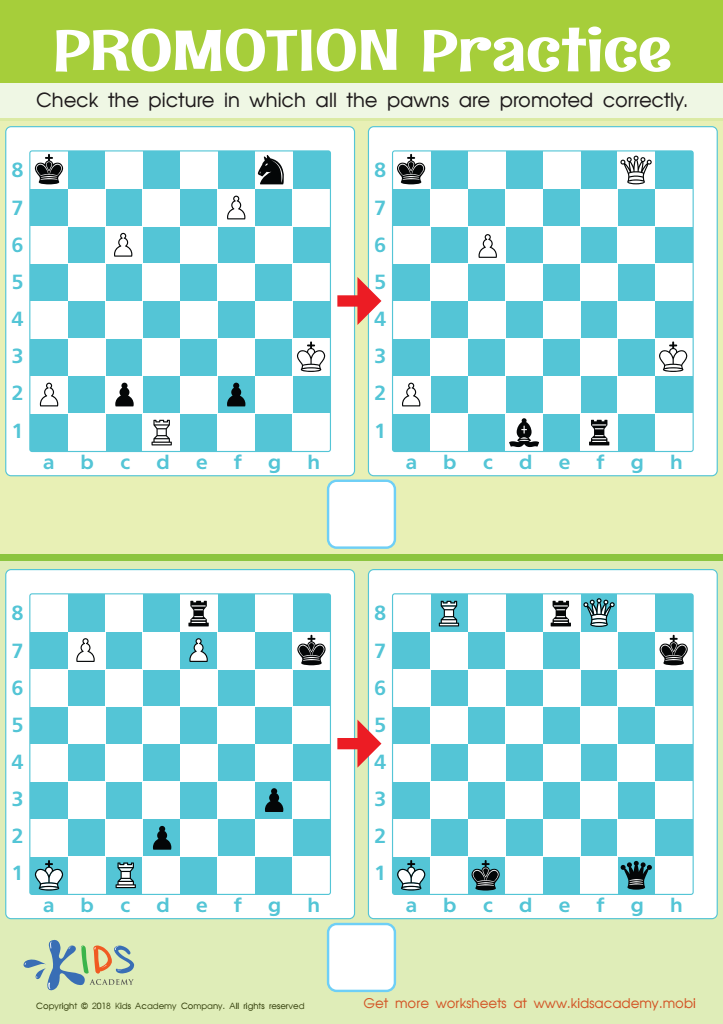
Promotion Practice Worksheet
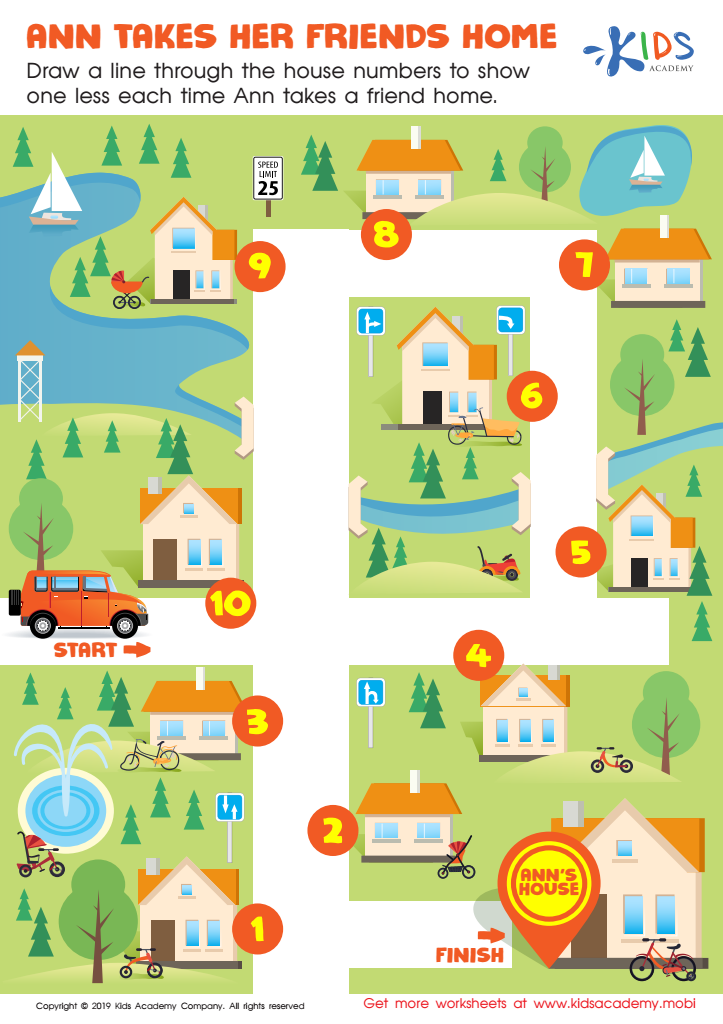
Ann Takes her Friends Home Worksheet
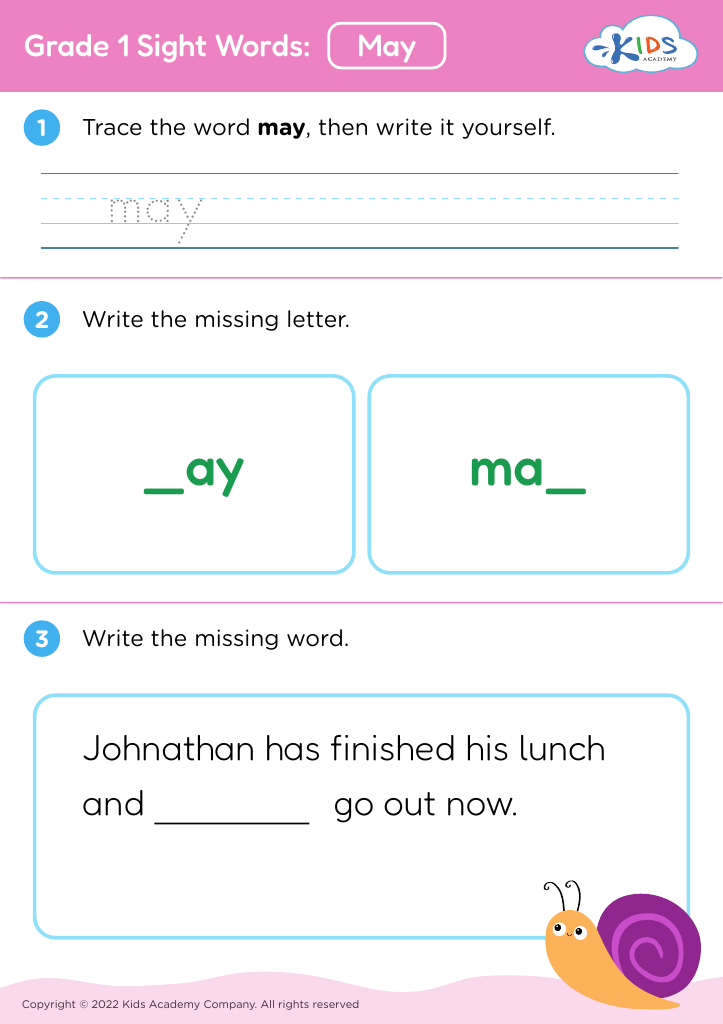
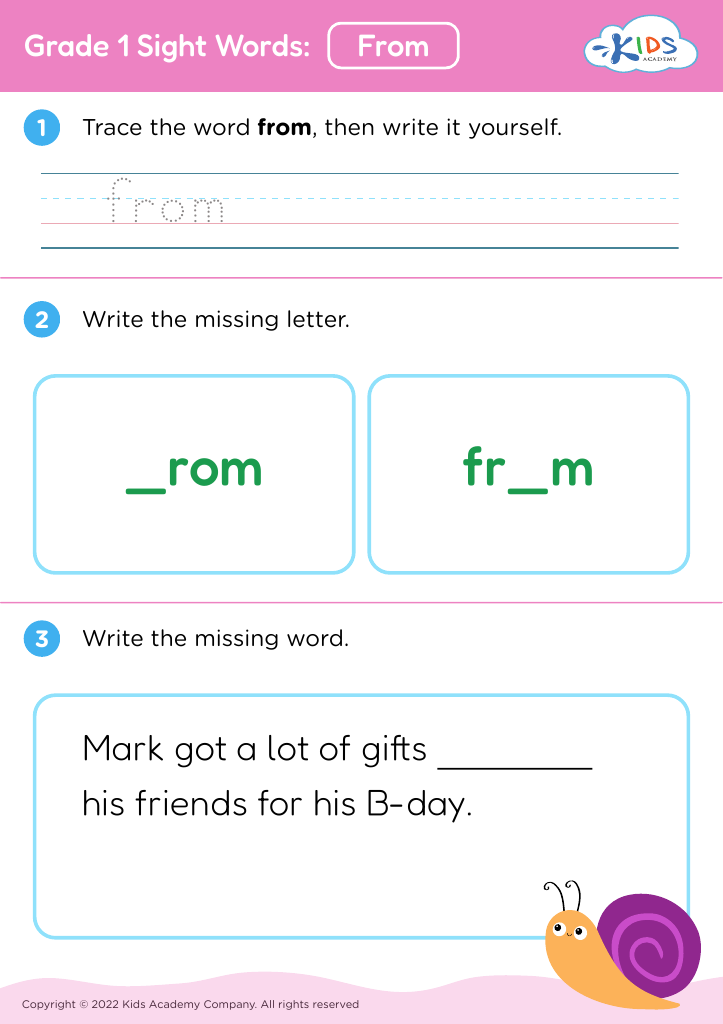








Fostering problem-solving abilities in children aged 3-6 is paramount for several reasons, impacting both their immediate development and long-term success. At this early age, children's brains are exceptionally receptive to learning new skills. Problem-solving helps develop critical thinking, creativity, and resilience—skills that form the foundation for later academic and life challenges.
For parents and teachers, nurturing these abilities encourages independence and confidence in young learners. When children face and overcome problems, whether resolving a simple puzzle or figuring out how to share toys, they build perseverance and adaptability. These experiences teach them to approach challenges with a can-do attitude, which is essential for emotional and social development.
Problem-solving also enhances cognitive processes like memory and attention. Activities that promote these skills often involve sequencing, categorization, and pattern recognition, all of which are pivotal for academic success, especially in subjects like mathematics and science. Furthermore, collaborative problem-solving scenarios improve communication skills and teamwork, helping children to understand different perspectives and fostering empathy.
By focusing on problem-solving abilities, parents and teachers prepare children not just for school, but for life's myriad of complex situations. This solid grounding nurtures well-rounded, capable individuals who are better equipped to navigate the world.








