Recognize shapes Worksheets for Ages 3-6
4 filtered results
-
From - To
Enhance your child's learning experience with our "Recognize Shapes Worksheets for Ages 3-6." Perfect for early learners, these engaging worksheets introduce basic geometric shapes through fun activities tailored to inspire creativity and critical thinking. Kids will enjoy identifying, coloring, and matching shapes while improving their fine motor skills and hand-eye coordination. Our worksheets are designed to make learning interactive and enjoyable, ensuring that each child develops a strong foundation in shape recognition. With a variety of exercises available, you're sure to find the perfect fit for your little one's educational journey. Start exploring shapes today with our printable resources!
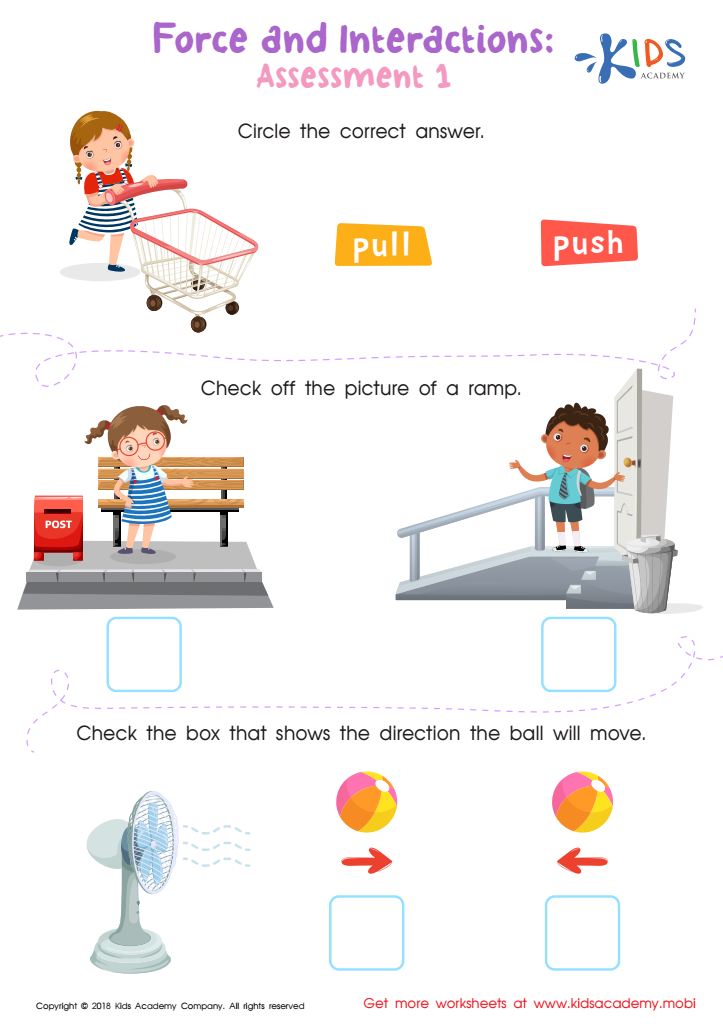
Force and Interactions: Assessment 1 Worksheet
 Assign to My Students
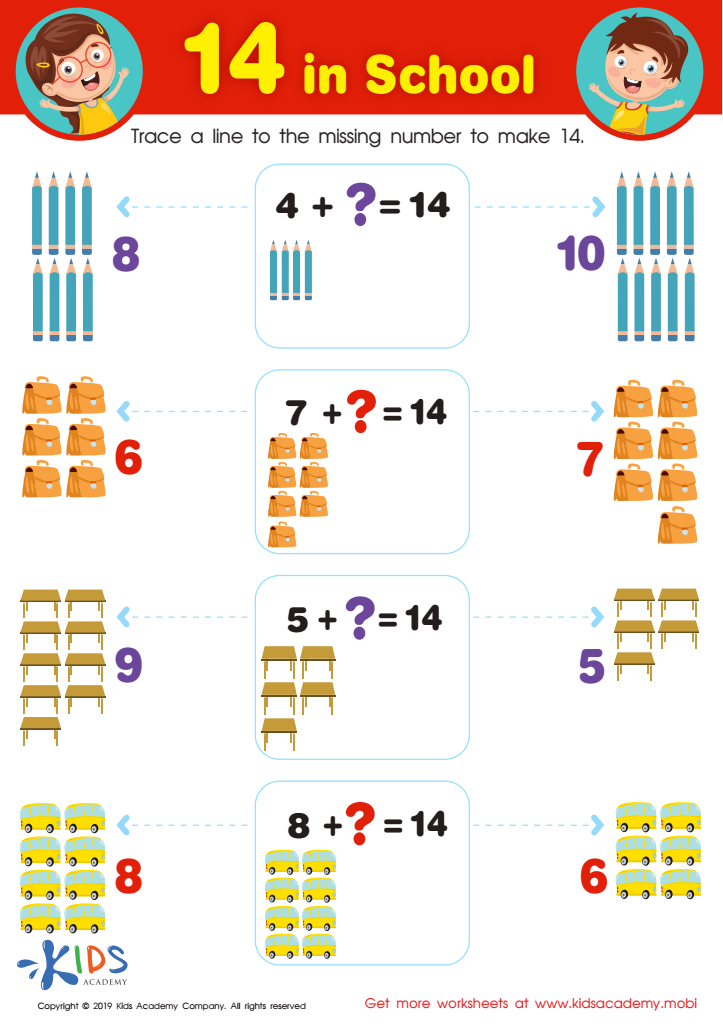
14 in School Worksheet
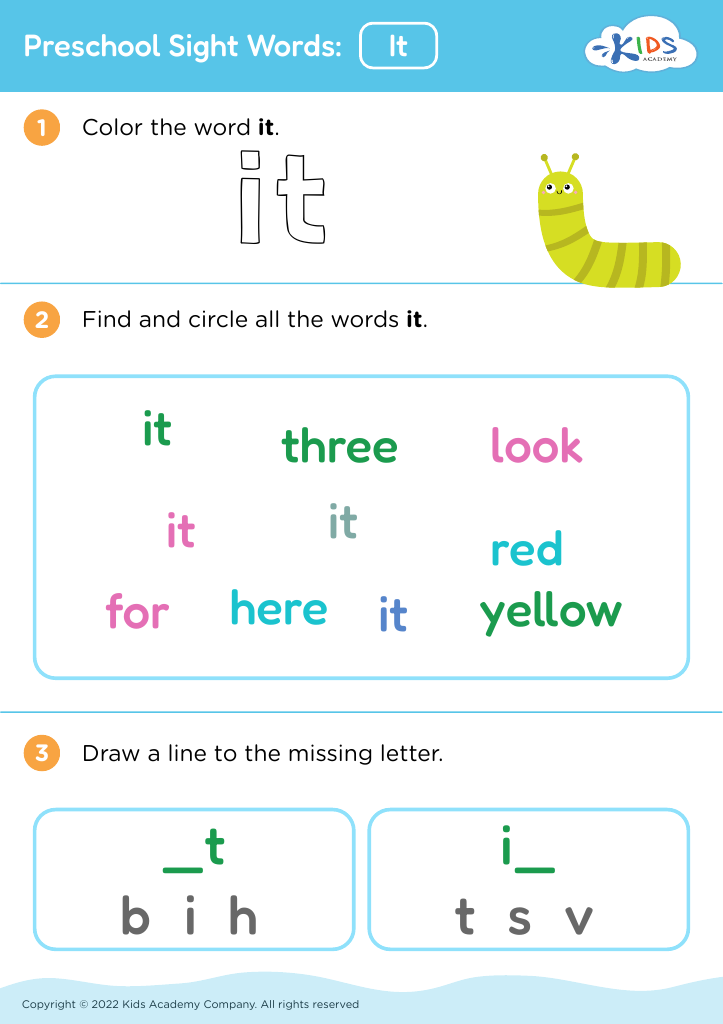
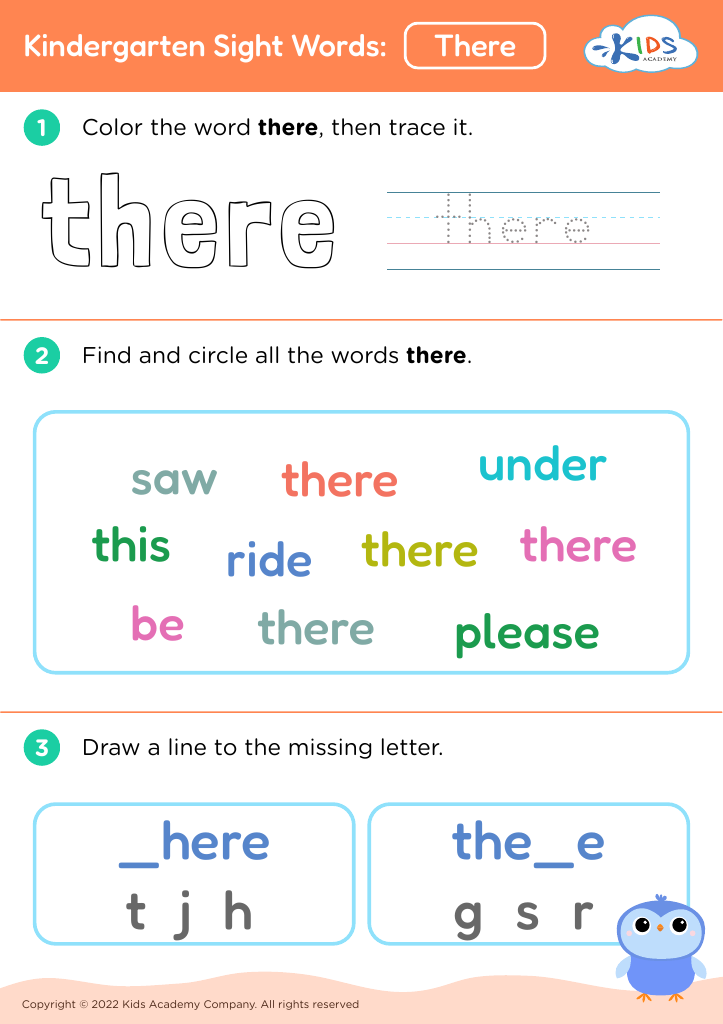






Recognizing shapes is a fundamental skill for children aged 3-6, forming a crucial part of early childhood education. It serves as a building block for mathematical concepts, enhancing spatial awareness and cognitive development. When parents and teachers prioritize shape recognition, they lay the groundwork for critical thinking and problem-solving skills, as children learn to categorize and differentiate between various objects.
Understanding shapes also fosters language development. As children learn to identify and describe shapes, they expand their vocabulary and communication skills. Incorporating shapes into play and everyday activities encourages a more engaging learning environment, making education fun and experiential.
Additionally, recognizing shapes helps with fine motor skills and hand-eye coordination, as children engage in drawing, cutting, and crafting. These activities not only reinforce shape recognition but also boost creativity.
Ultimately, the ability to recognize and understand shapes influences a child's confidence and readiness for more complex tasks in mathematics and science. By actively supporting and teaching shape recognition, parents and teachers are helping children develop essential skills that will benefit their overall learning journey and set them up for future academic success.








