
Sequencing Skills Worksheets for Ages 3-6
16 filtered results
Difficulty Level
Grade
Age
-
From - To
Subject
Activity
Standards
Enhance your child's learning journey with our Sequencing Skills Worksheets for Ages 3-6! Designed to develop logical thinking and order recognition, these fun and engaging worksheets are perfect for young minds. Each activity focuses on arranging events, objects, and stories in a logical sequence, helping to build essential skills for reading comprehension and problem-solving. Colorful and easy-to-follow, our worksheets are ideal for at-home learning or as a classroom supplement. Empower your child with the ability to understand sequences, fostering cognitive development and a love for learning. Discover the joy of learning with Kids Academy!
Favorites
With answer key
Interactive
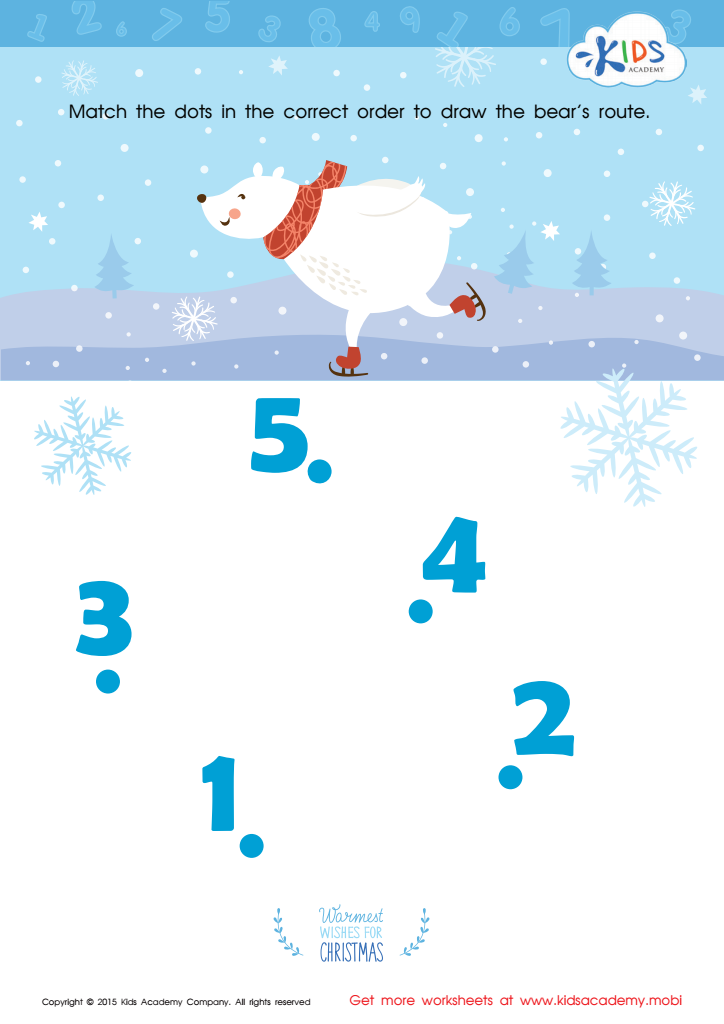
Drawing the Bear's Route by Number Worksheet
This winter-themed math worksheet is perfect for counting practice. Have fun learning and celebrating the season with your kindergartener as they trace and recognize numbers. It also helps develop fine motor muscles. For more fun, check out the math worksheets on Kids Academy.
 Assign to My Students
Drawing the Bear's Route by Number Worksheet
Worksheet
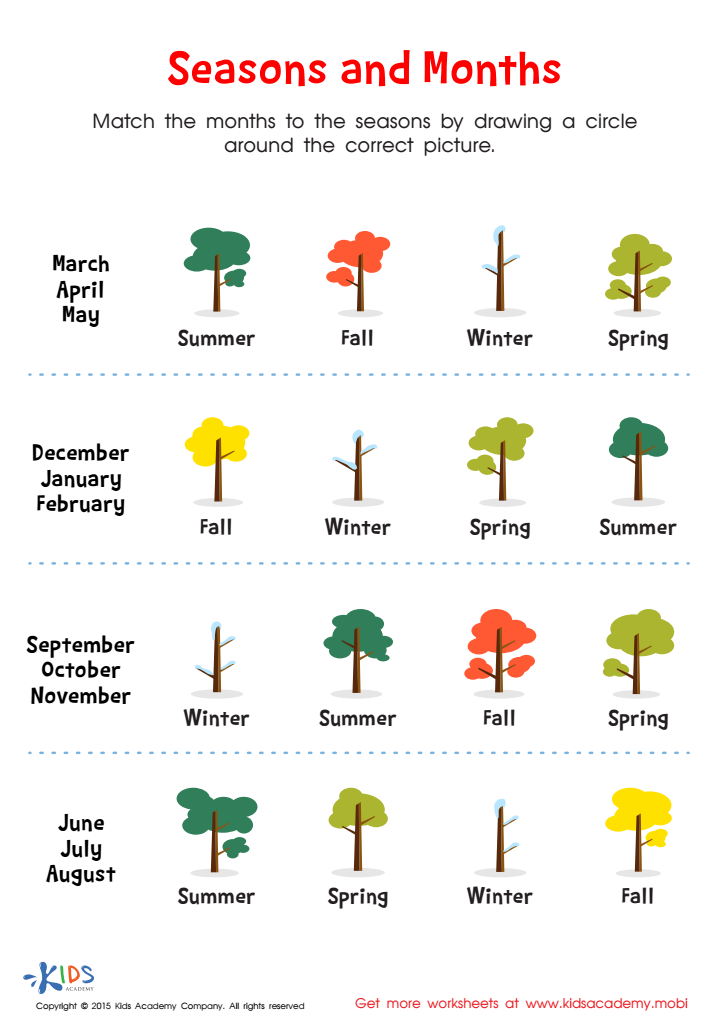
Seasons and Months Worksheet
Help your child explore the world around them with this fun seasons and months printable worksheet. It'll help them understand the months of the year and the seasons connected to them, teaching valuable science knowledge and skills. Plus, engaging in conversations about the current month and season will extend their learning!
Seasons and Months Worksheet
Worksheet
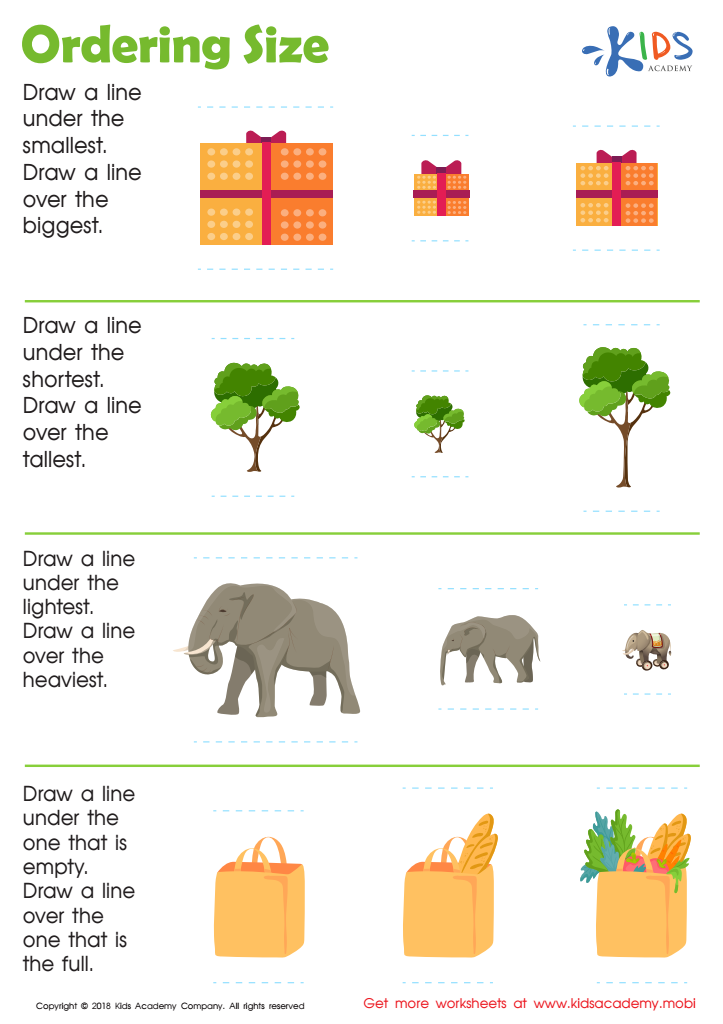
Ordering Size Worksheet
This worksheet helps students practice mathematical vocabulary related to size and quantity. Children look at pictures and draw a line to the objects that are taller, shorter, big, small, light, heavy, empty or full. The teacher can quickly check students' understanding of these measurement terms and then ask for examples of their own.
Ordering Size Worksheet
Worksheet
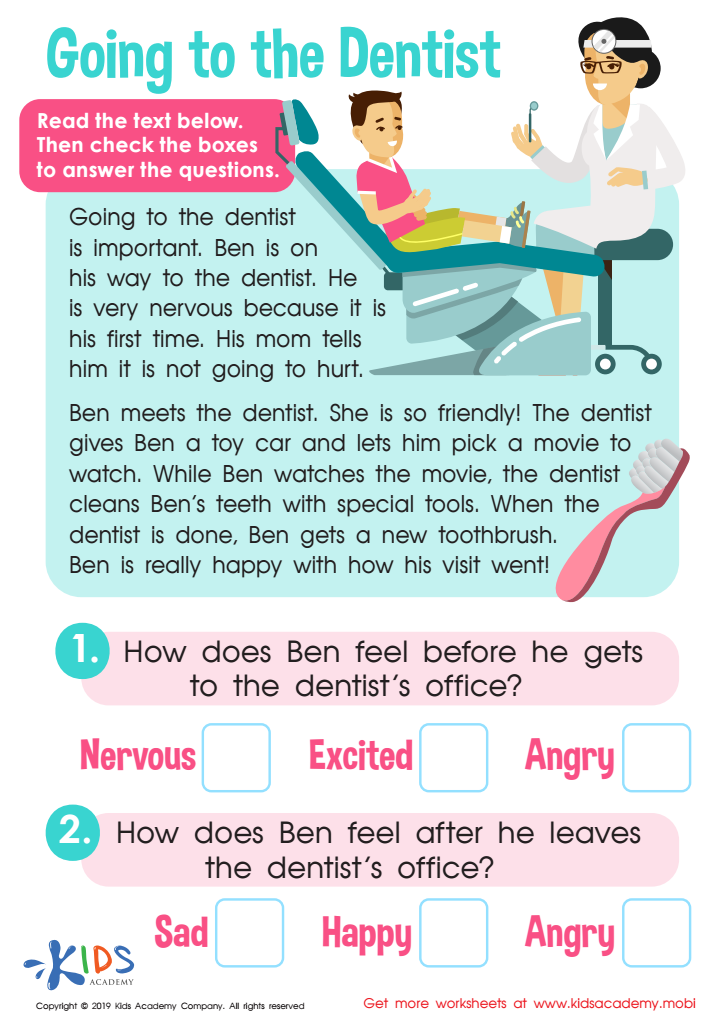
Going to the Dentist Worksheet
Kids can feel anxious when going to the dentist, but understanding why they go helps them cope. This free text helps them learn, as they read and answer questions about Ben's visit. They'll gain insight into Ben's emotions, while honing their critical thinking skills.
Going to the Dentist Worksheet
Worksheet
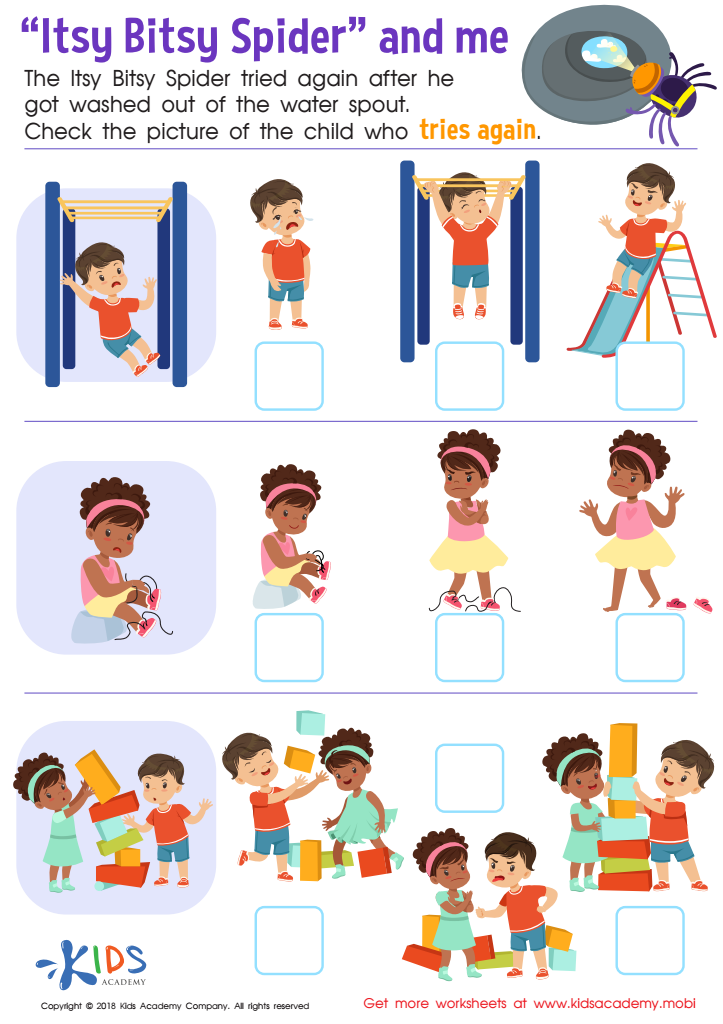
Itsy Bitsy Spider and Me Worksheet
Ensure your child's success - teach them determination and perseverance! Introduce them to the Itsy-Bitsy spider and this fun worksheet. It shows kids working hard and teaches them to 'try again.' Have them identify scenes and check the box for those who succeeded.
Itsy Bitsy Spider and Me Worksheet
Worksheet
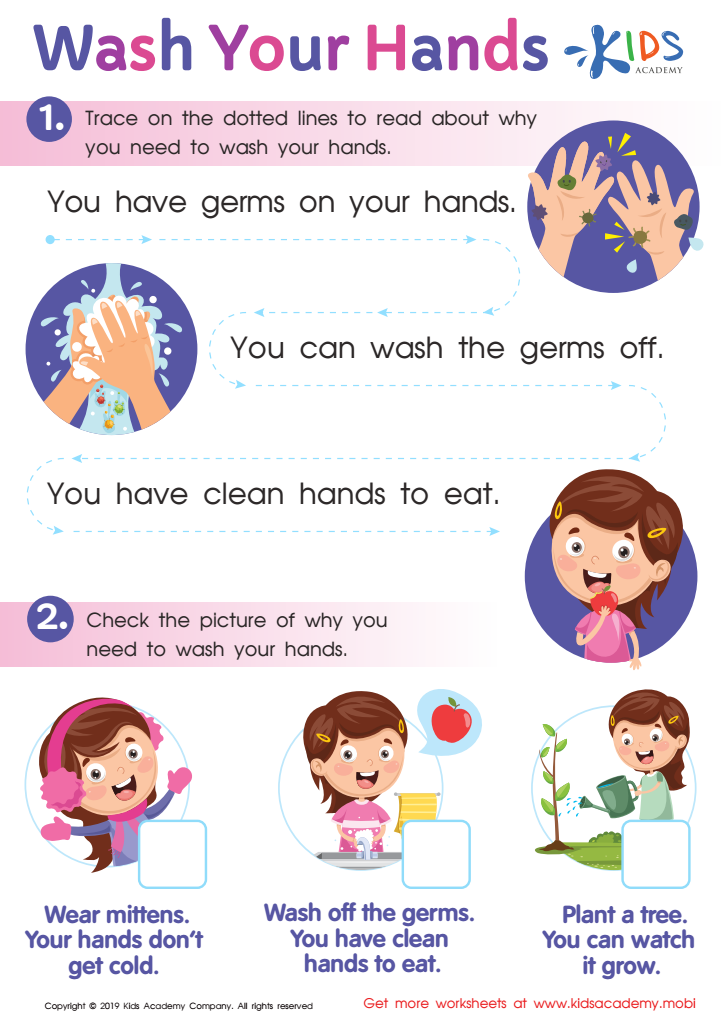
Wash Your Hands Worksheet
Kids learn best when they understand why they need to do something. This free worksheet uses traceable lines and pictures to teach them about germs and why washing hands is important. The child follows a left-to-right sequence and must check the correct picture to show they understand.
Wash Your Hands Worksheet
Worksheet
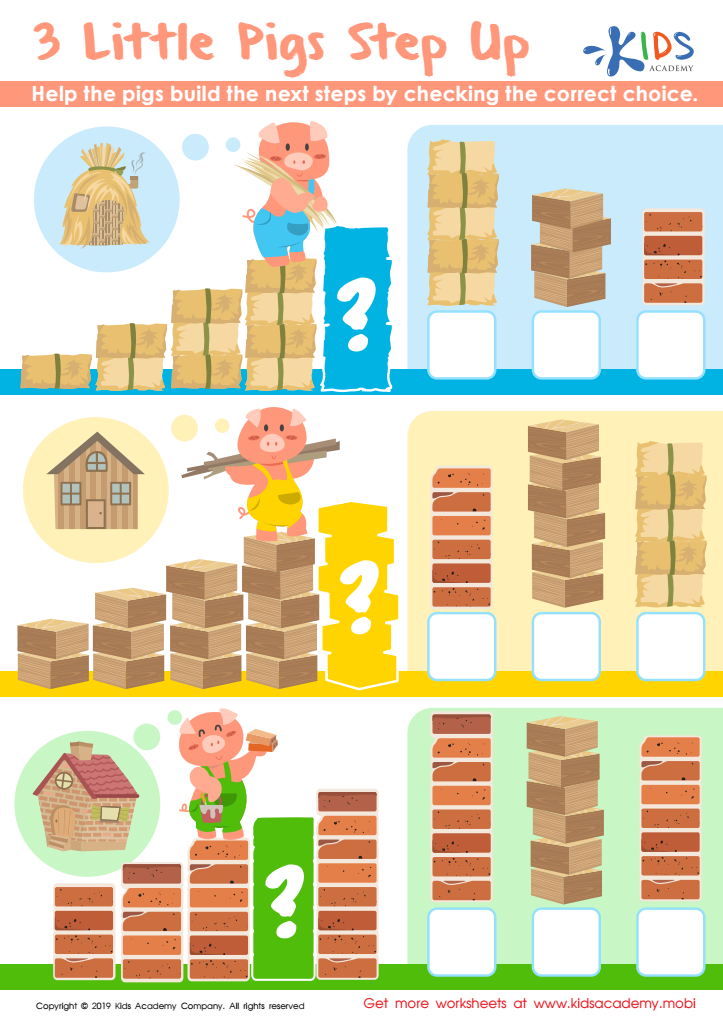
3 Little Pigs Step Up Worksheet
Test your kids' knowledge of the three little pigs' story. Ask them to tell you the important parts and then look at the pictures in this worksheet. Can they identify what's going on? They'll need to count the materials and help build the next steps by choosing the right option.
3 Little Pigs Step Up Worksheet
Worksheet
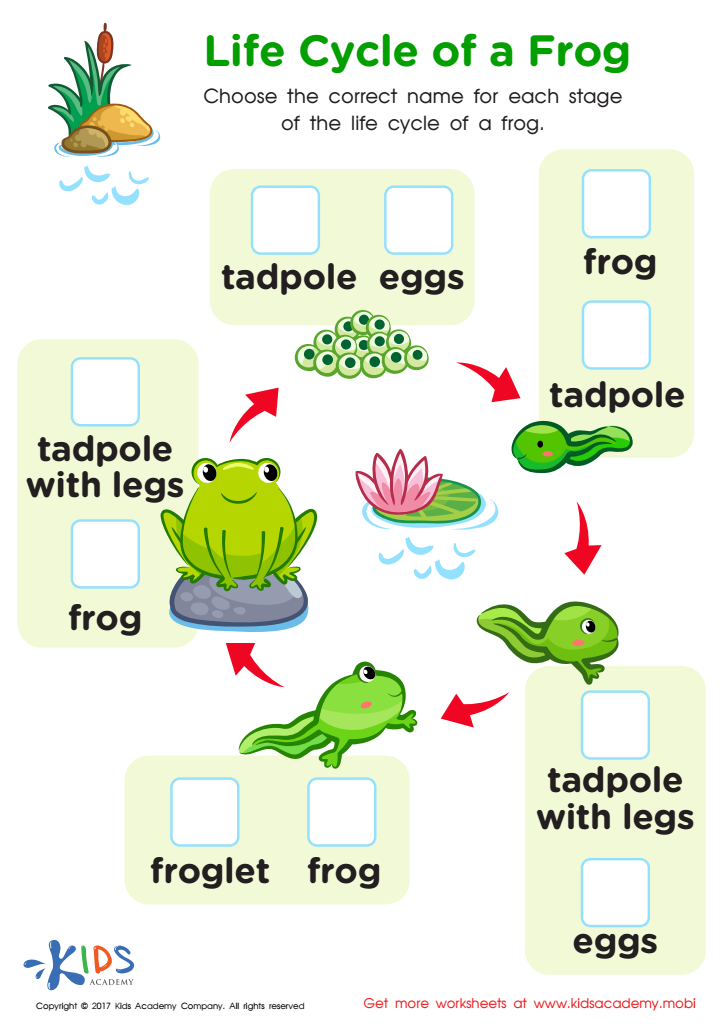
Life Cycle Frog Printable
Kids can explore the life cycle of frog with this fun worksheet! Draw lines from one stage to the next to follow the transformation from tadpole to frog and learn about the cycle of life.
Life Cycle Frog Printable
Worksheet
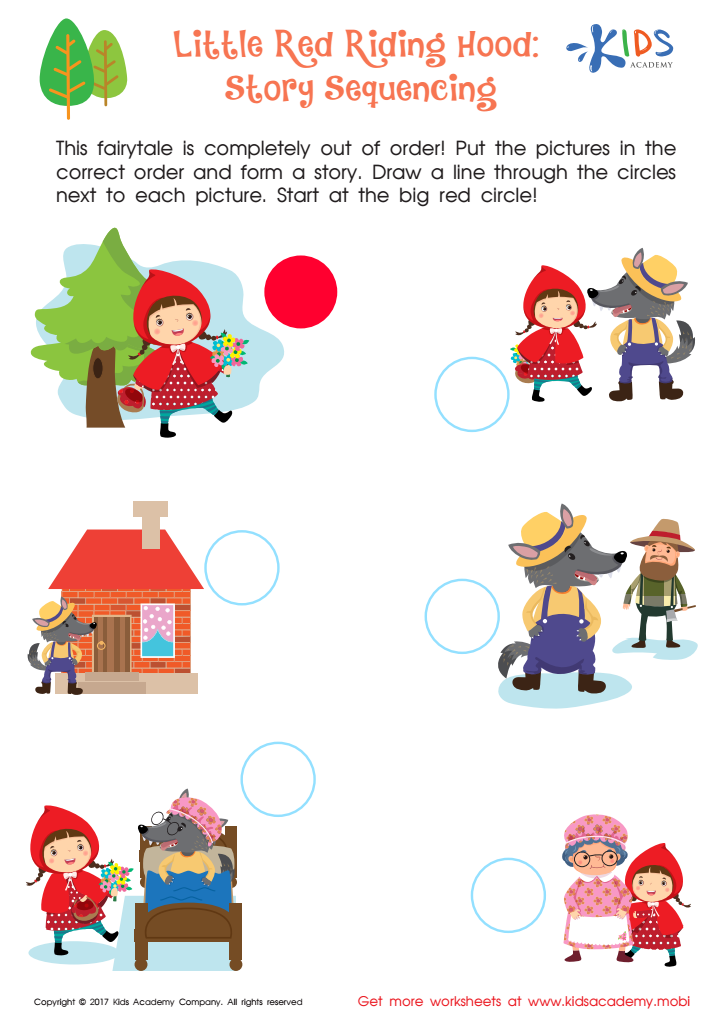
Story Sequencing Printable
Children must identify story events in sequential order to build a better understanding of plot.
Help your child learn how to understand plot with this fun comprehension worksheet: Little Red Riding Hood! Guide them to identify story events and order them correctly to boost their reading skills.
Story Sequencing Printable
Worksheet
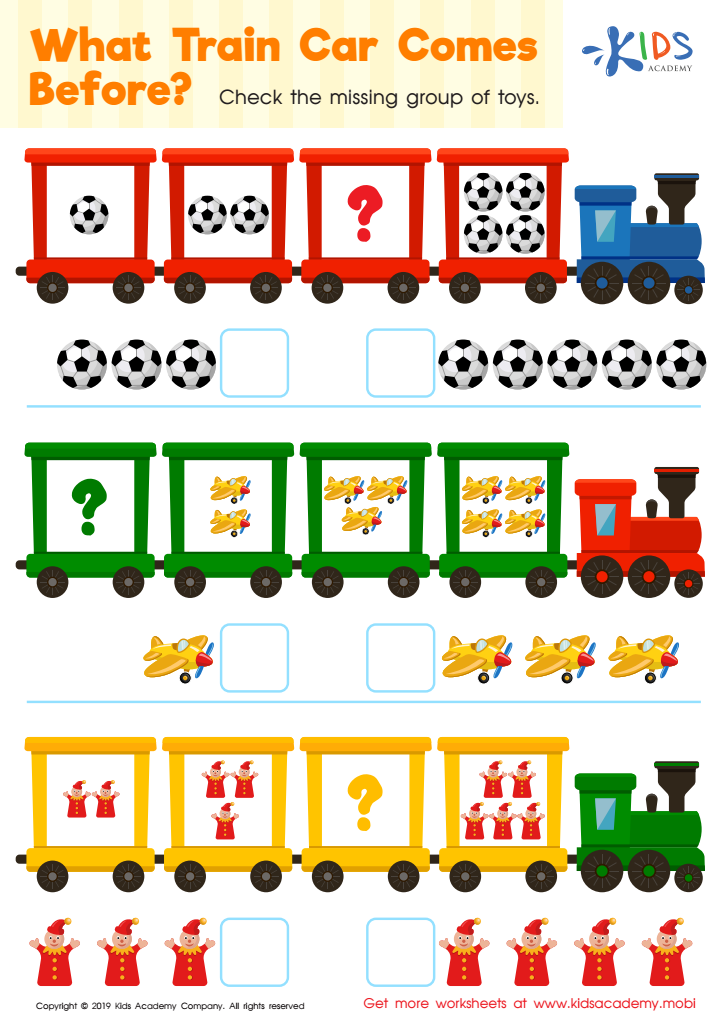
What Train Car Comes Before? Worksheet
Download this worksheet with your kids and have them identify the colorful objects pictured. Count the toys in the three trains together, then check the missing group of toys from the options provided. Have fun! (80 words)
What Train Car Comes Before? Worksheet
Worksheet
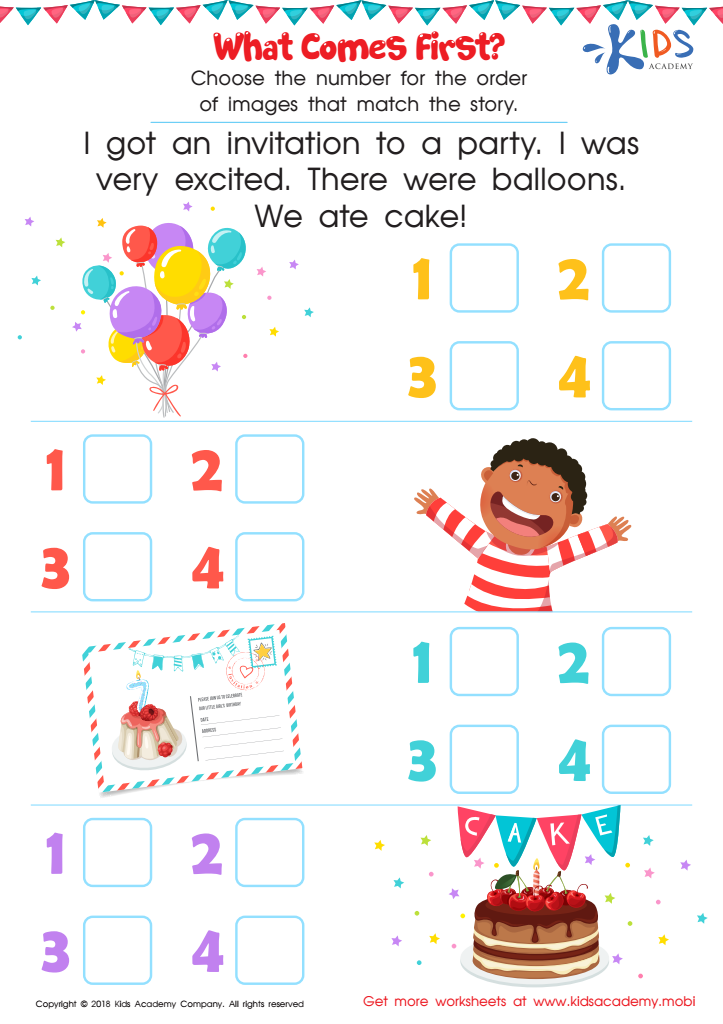
What Comes First Worksheet
Before you start, ask your child what they see in the picture. Read the story aloud together, then show them the images in order, numbered 1-5. Ask them to choose the numbers that match the story. Have fun and enjoy this party worksheet with your little one! (80 words)
What Comes First Worksheet
Worksheet
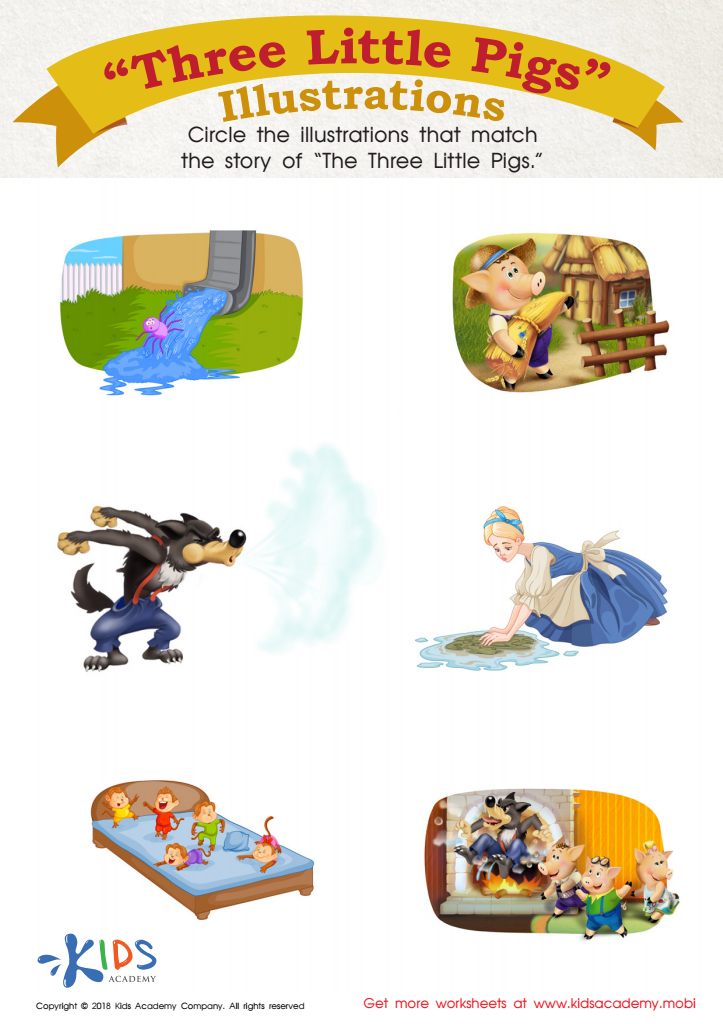
Three Little Pigs: Illustrations Worksheet
Fairy Tales are a great way for young children to learn about settings, characters and other fiction elements. This worksheet has illustrations from The Three Little Pigs, and lets your student use what they know and the visuals to match the story. It's a fun way for them to practice story recall and comprehension with illustrations.
Three Little Pigs: Illustrations Worksheet
Worksheet
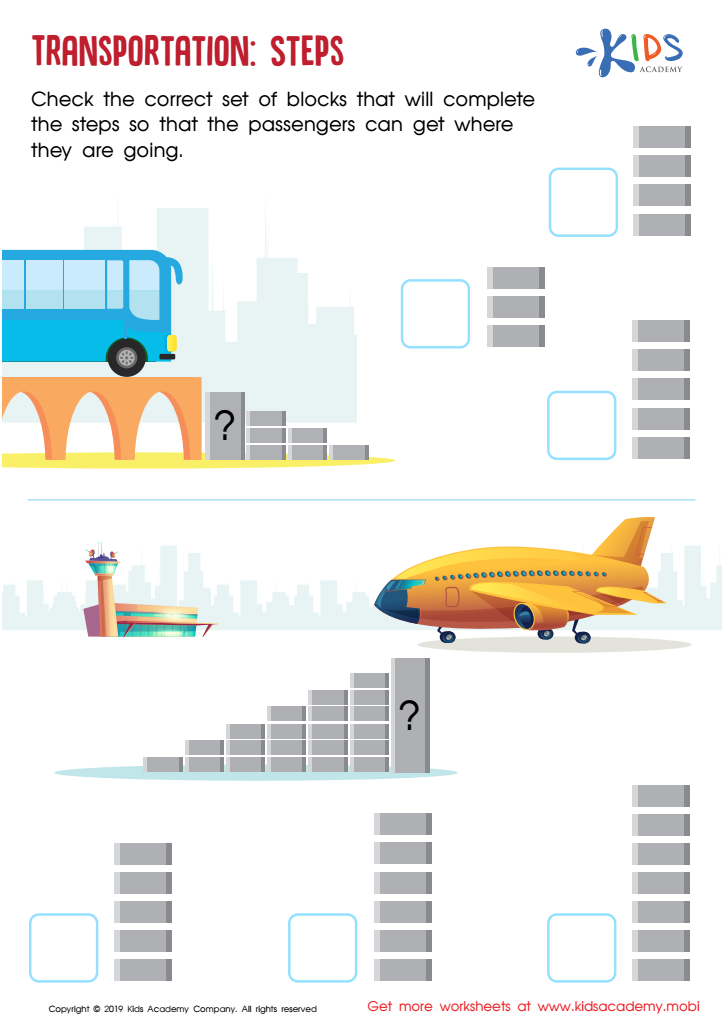
Transportation: Steps Worksheet
Trips are important to all - transportation and its modes have made travelling easier and quicker. Ask your kids to identify the transport in the picture then help them check the right blocks so passengers can reach their destination.
Transportation: Steps Worksheet
Worksheet
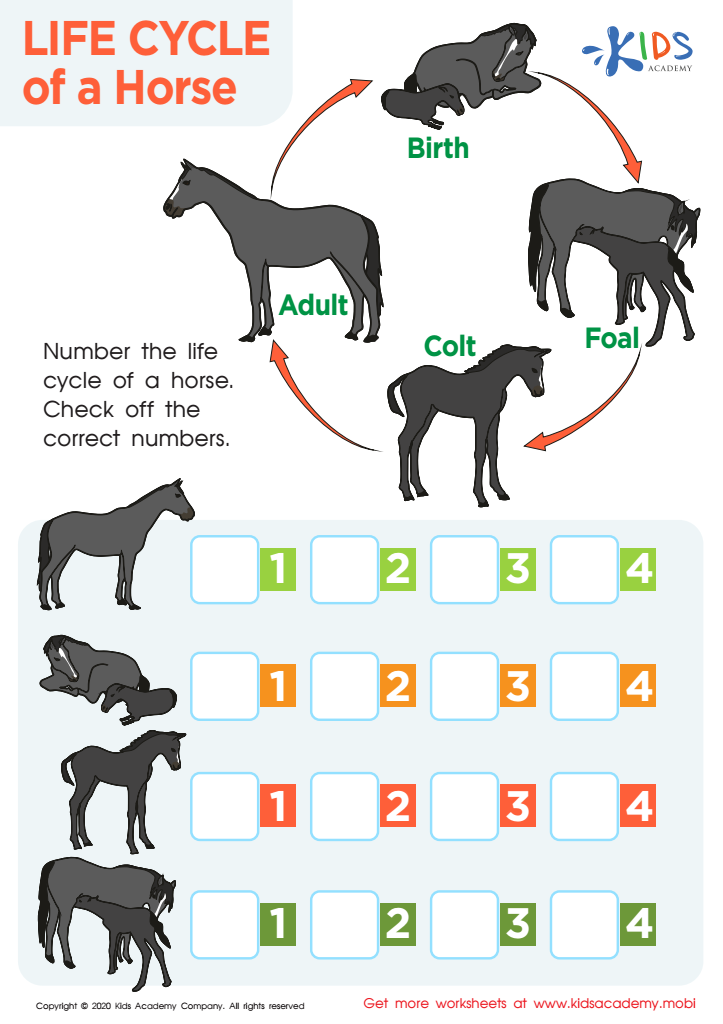
Life Cycle of a Horse Worksheet
Kids Academy's science worksheet on horses' lifecycles offers an engaging way for kids to learn! They'll study the diagram and label each stage of life, from birth to adulthood, and then number the pictures to mark the correct sequence. Fun and educational - a perfect way to get your kids learning!
Life Cycle of a Horse Worksheet
Worksheet
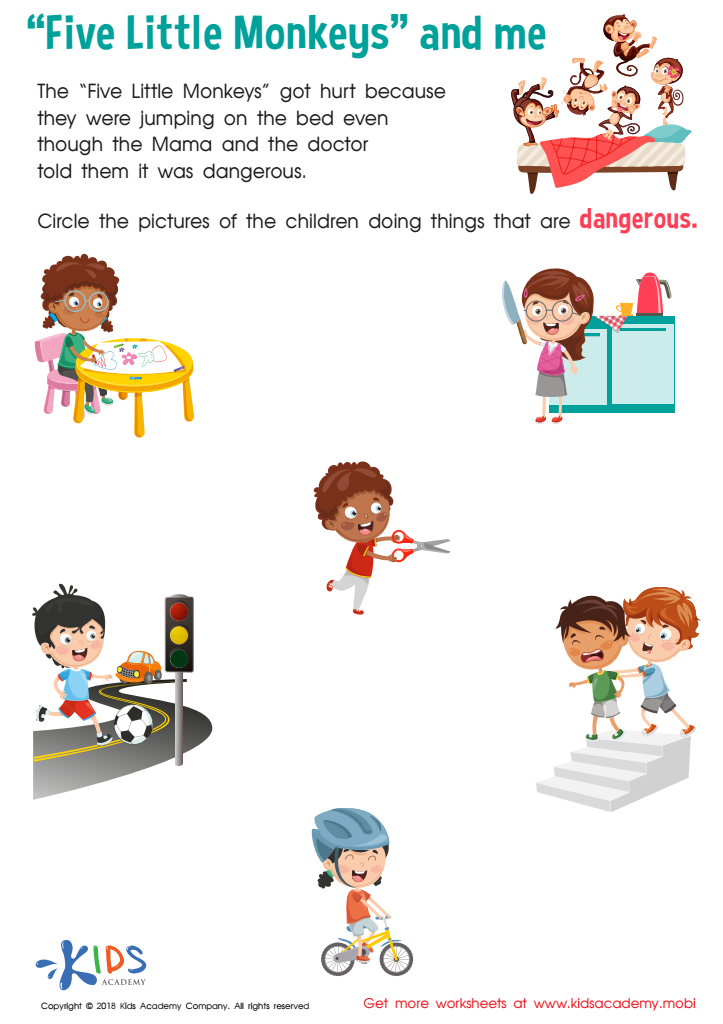
Five Little Monkeys and Me Worksheet
This free PDF worksheet provides preschoolers an understanding of danger and appropriate play. It allows them to recognize dangerous situations and why they can be risky, granting kids perspective from both parents and teachers. It's a fun, safe way to help them internalize what's dangerous and what's not.
Five Little Monkeys and Me Worksheet
Worksheet
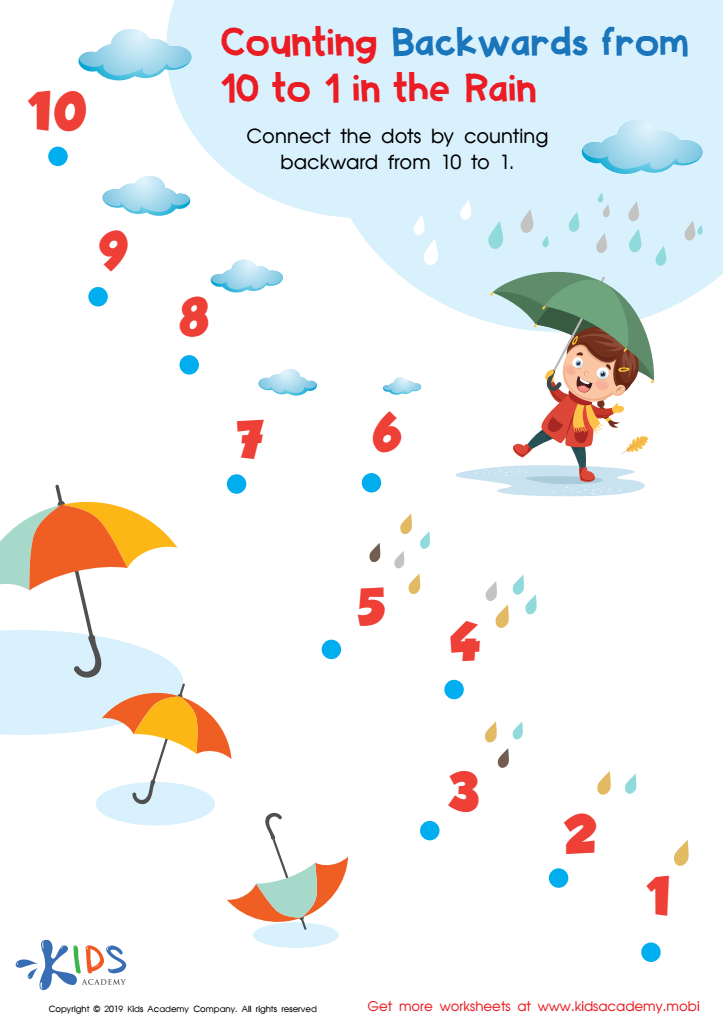
Counting Backwards from 10 to 1 in the Rain Worksheet
A rainy day can be fun - have your kids tell you their favorite activities! Then, look at the worksheet and ask them to identify the items. Count the numbers together, then help connect the dots from 10 to 1. It's an easy and fun way to spend time on a rainy day!
Counting Backwards from 10 to 1 in the Rain Worksheet
Worksheet
Join Kids Academy for Free
Who is primarily going to use this learning content?








Sequencing skills, the ability to understand and arrange events in a logical order, are crucial for children aged 3-6 as they form a foundational aspect of early cognitive development. Parents and teachers should care about nurturing these skills because sequencing plays a critical role in various areas of learning and daily functioning.
Firstly, sequencing helps improve comprehension and narrative skills. Understanding the order of events enhances children's ability to follow instructions, retell stories, and comprehend the cause-and-effect relationships that underpin much of their learning. For instance, understanding the sequence of actions in a story aids in grasping the plot and moral.
Secondly, sequencing is integral to developing math skills. Basic mathematical concepts, such as recognizing patterns and understanding time, rely heavily on sequencing. Grasping sequences helps children predict what comes next and solve step-by-step problems, fundamental for future complex math learning.
Reinforcing sequencing skills also aids in developing organizational and critical thinking abilities. Children learn to organize their thoughts, better manage their daily activities, and approach problems methodically.
Lastly, sequencing has practical life applications. From dressing and brushing teeth to following a recipe, daily tasks require a logical progression. Encouraging these skills early enhances children’s independence and functional ability.
Therefore, nurturing sequencing skills in these early years fosters broad cognitive, academic, and practical competencies, setting the stage for lifelong learning and success.








