Subtraction practice Worksheets for Ages 3-6 - Page 4
78 filtered results
-
From - To
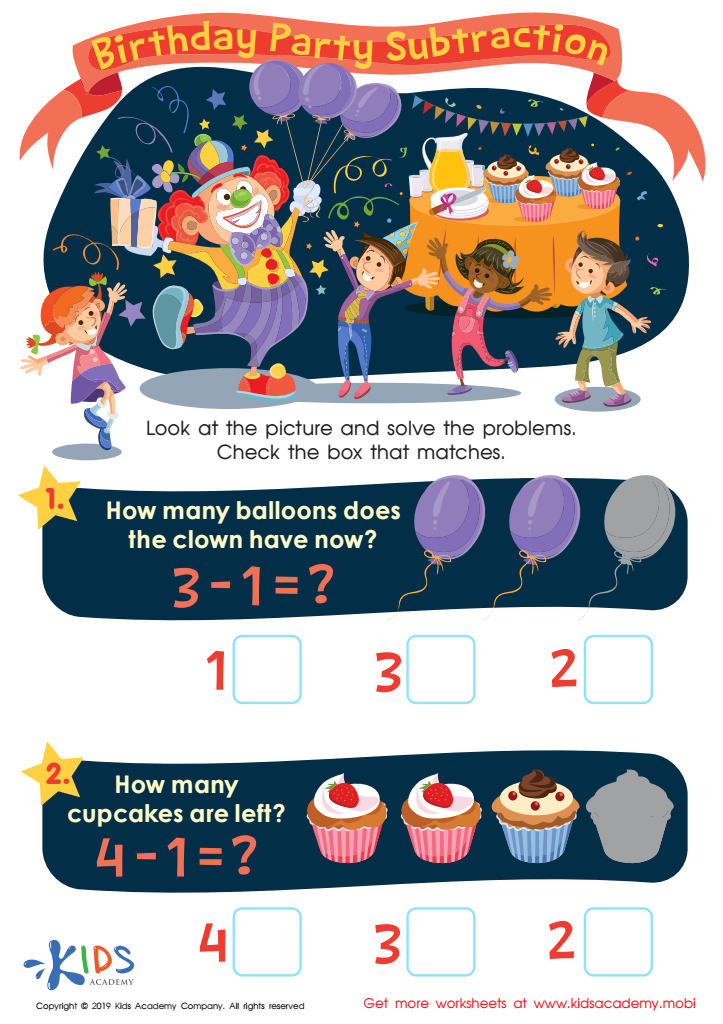
Birthday Party Subtraction Worksheet
 Assign to My Students
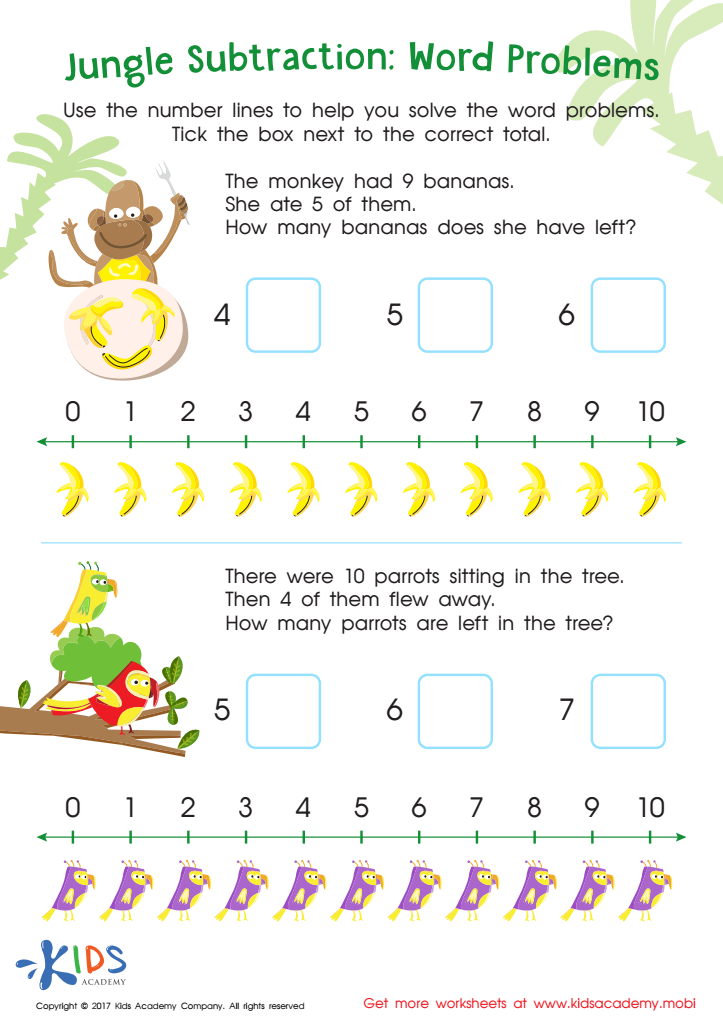
Jungle Subtraction Word Problems Substraction Worksheet
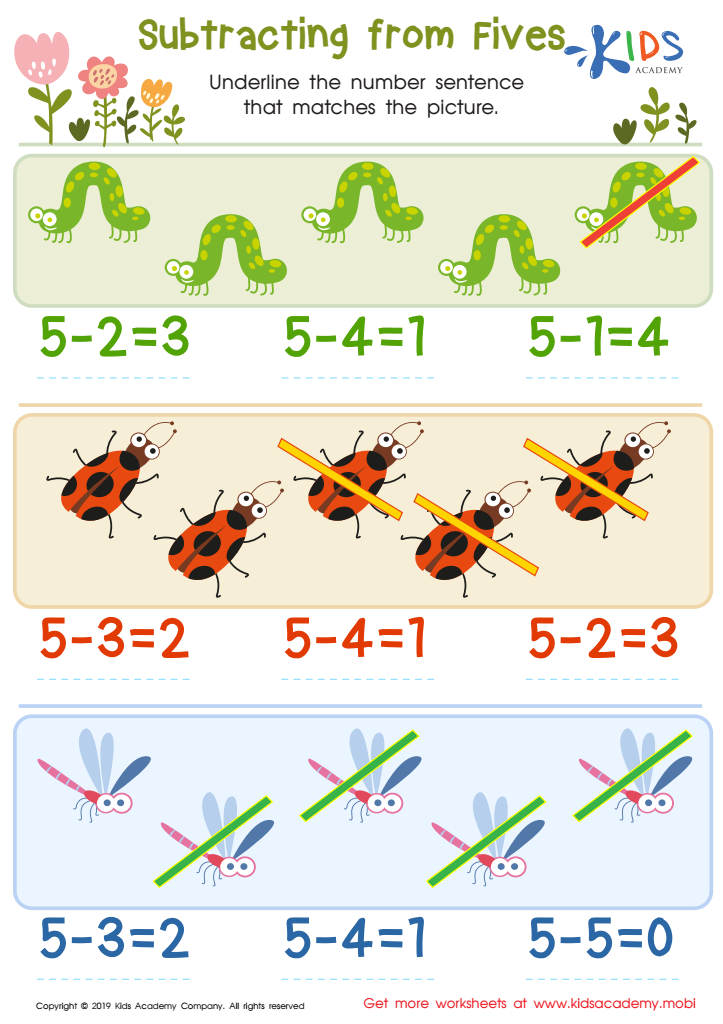
Subtracting From Fives Worksheet
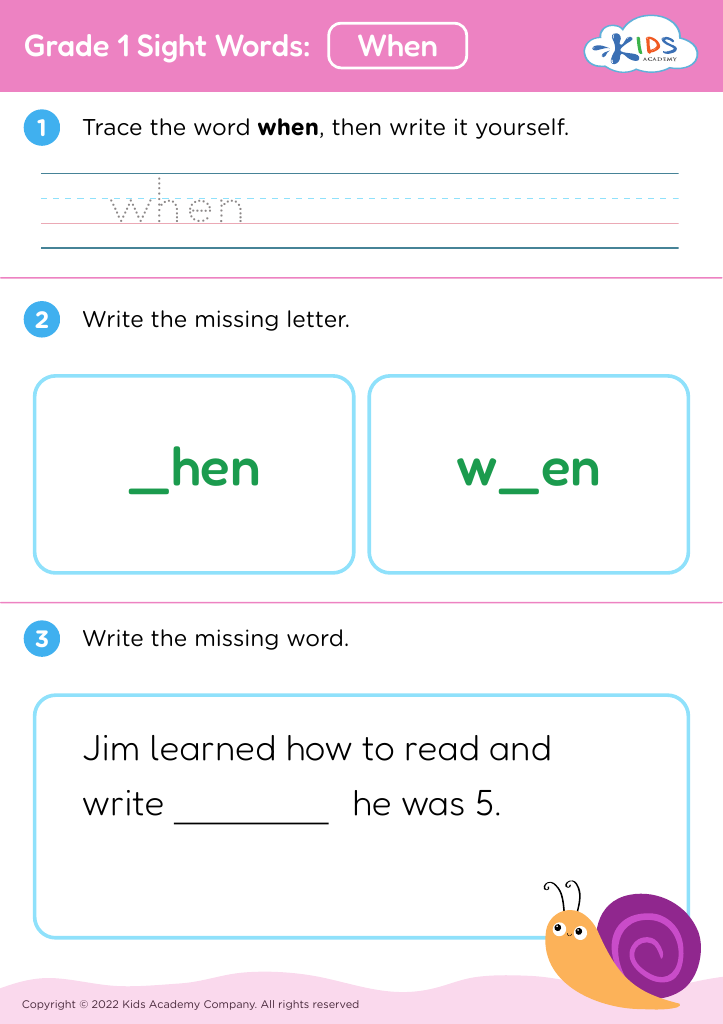





.jpg)

Subtraction practice for children ages 3-6 plays a pivotal role in their cognitive and emotional development, making it essential for parents and teachers to prioritize it. At this early stage, children are naturally curious and eager to learn, creating a perfect opportunity for introducing mathematical concepts. Subtraction, as a foundation of arithmetic, helps develop critical thinking and problem-solving skills.
Engaging in subtraction activities enhances number sense, teaching children the relationships between quantities. This not only aids their mathematical understanding but also fosters logical reasoning—skills that are crucial in everyday life. Children learn to see how taking away affects the total, thereby strengthening their comprehension of basic mathematical principles.
Moreover, subtraction practice can be made fun and engaging through games, stories, or hands-on activities, which can boost a child’s confidence and motivation in learning. It also encourages cooperation and social interaction during group exercises, laying the groundwork for better communication skills.
In summary, subtraction practice is an integral stepping stone in early education that supports math fluency, cognitive abilities, and crucial life skills. By investing time in these activities, parents and teachers shape confident learners equipped for future educational challenges.








