Understanding life cycles Worksheets for Ages 3-6
4 filtered results
-
From - To
Discover our comprehensive "Understanding Life Cycles Worksheets" designed for children ages 3-6. These engaging, age-appropriate activities help young learners explore the fascinating processes of life cycles in nature, from butterflies to plants. Our worksheets encourage curiosity and critical thinking while honing essential skills such as problem-solving, observation, and creativity. Designed by educational experts, they blend fun and learning seamlessly, making them perfect for home and classroom use. Foster a love for nature and ignite your child's imagination with our interactive resources. Start your adventure into life cycles today and inspire the next generation of scientists and nature enthusiasts!
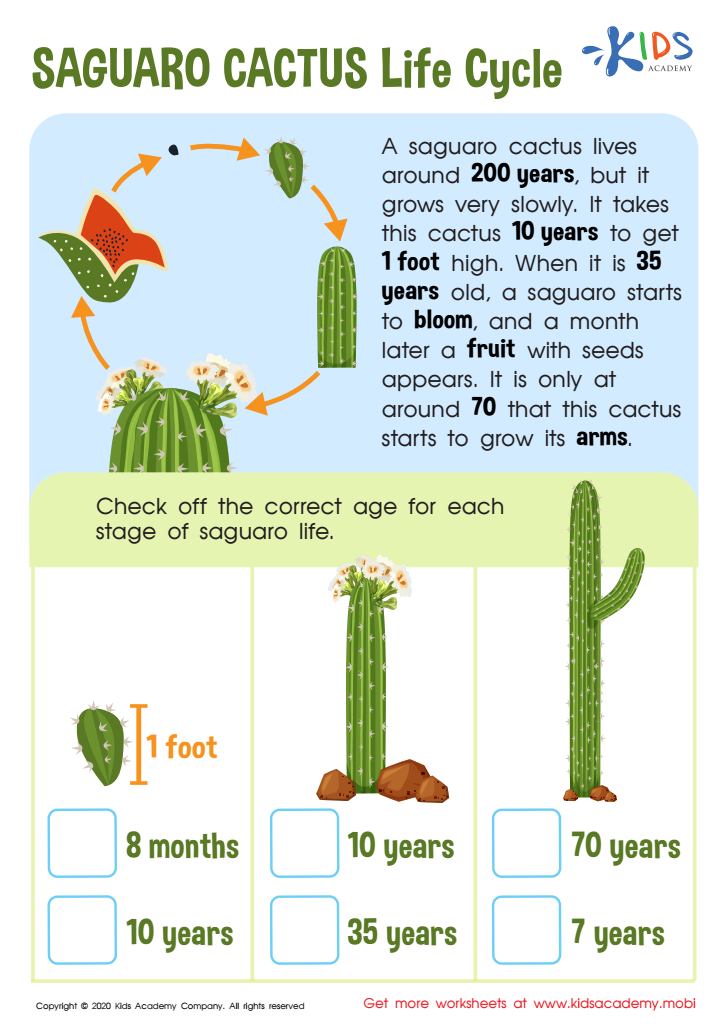
Saguaro Cactus Life Cycle Worksheet
 Assign to My Students
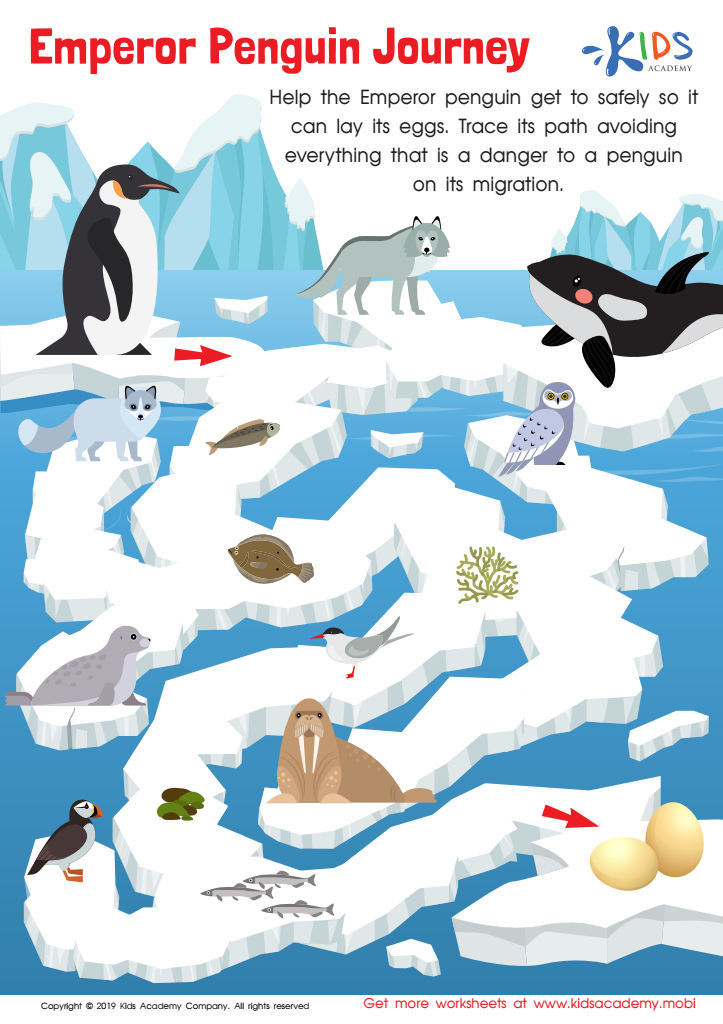
Emperor Penguin Journey Worksheet
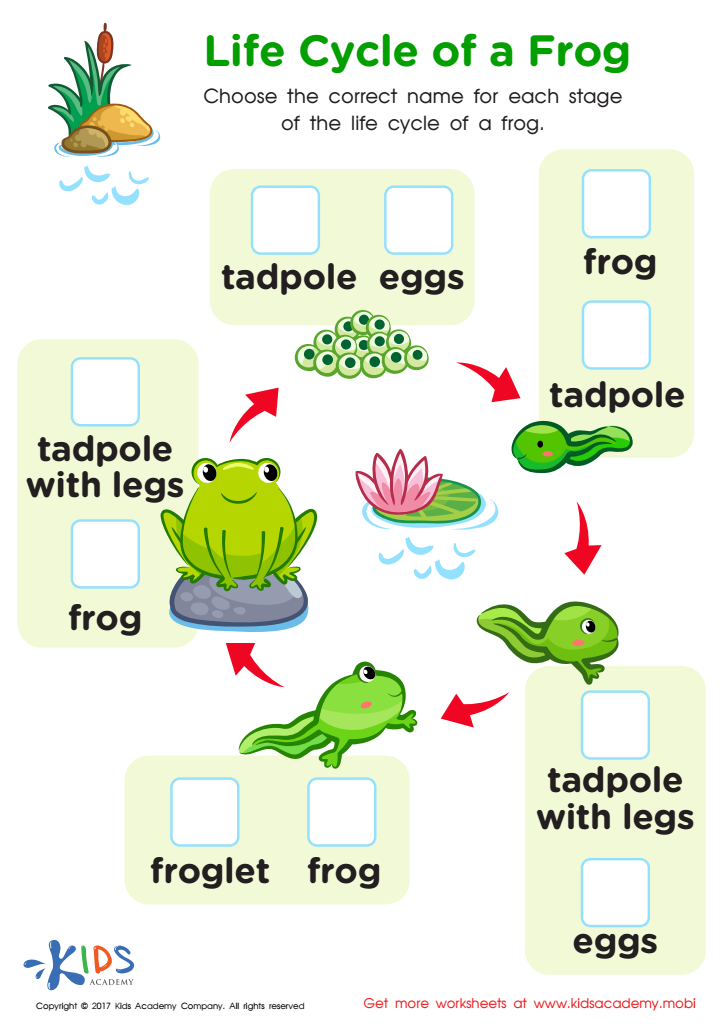
Life Cycle Frog Printable
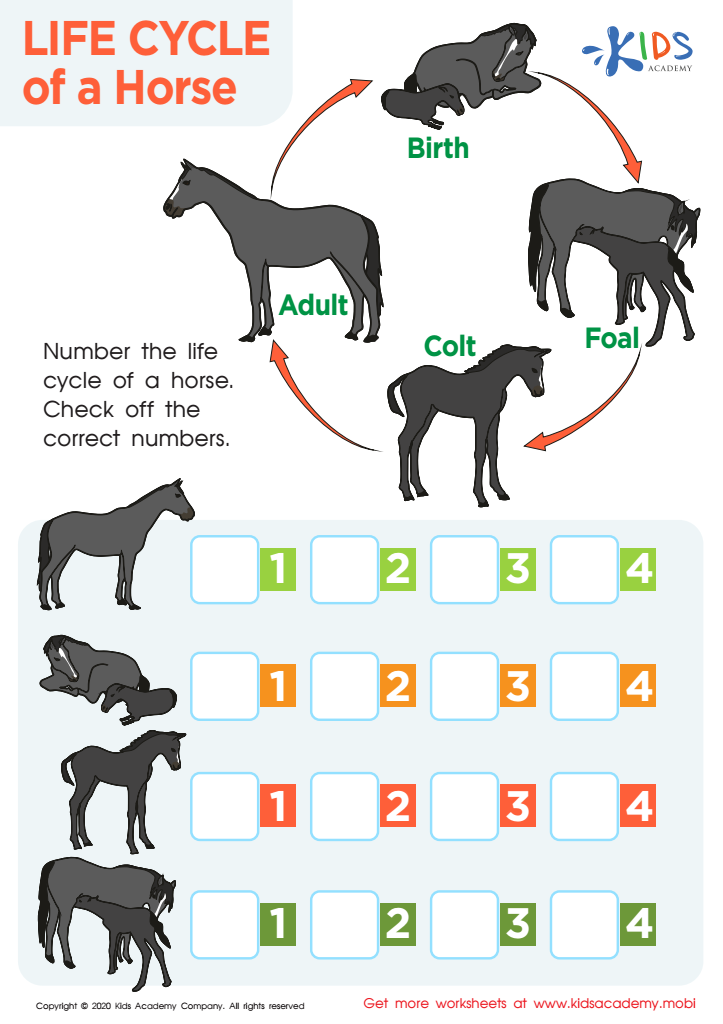
Life Cycle of a Horse Worksheet







Understanding life cycles is fundamental for young children ages 3-6 as it enriches their cognitive and emotional development. During this critical stage of learning, children are naturally curious about their environment. Life cycles provide a tangible way for them to explore and connect with nature. By observing the growth and transformation of living organisms—such as butterflies, plants, or frogs—children learn important concepts like change, growth, and the interdependence of life.
Additionally, life cycle lessons promote critical thinking and scientific inquiry. Children engage in hands-on activities that stimulate observation and questioning. These experiences lay the groundwork for later scientific learning by fostering skills like predicting, observing, and summarizing.
On an emotional level, learning about life cycles can help children understand concepts such as loss, renewal, and the continuum of life. These themes can translate into valuable social and emotional skills, encouraging empathy as they observe how creatures thrive and sometimes perish in their natural environments.
In nurturing a fascination for the living world, both parents and teachers play a vital role in encouraging a sense of responsibility toward nature. Understanding life cycles not only supports academic growth but also fosters a greater connection to the world, laying foundational values that are crucial for developing caring, informed individuals.








