Vocabulary improvement Worksheets for Ages 3-6
5 filtered results
-
From - To
Enhance your child's language skills with our Vocabulary Improvement Worksheets designed for ages 3-6. These engaging activities help young learners build a strong foundation in vocabulary through fun and interactive exercises. Each worksheet focuses on expanding word recognition, understanding, and usage by introducing new words and reinforcing familiar ones through playful activities like matching games, picture associations, and simple crossword puzzles. Perfect for use at home or in the classroom, these worksheets aim to boost your child's confidence in reading and communication. Start your child's linguistic journey with our carefully curated, age-appropriate worksheets. Explore now for endless learning fun!
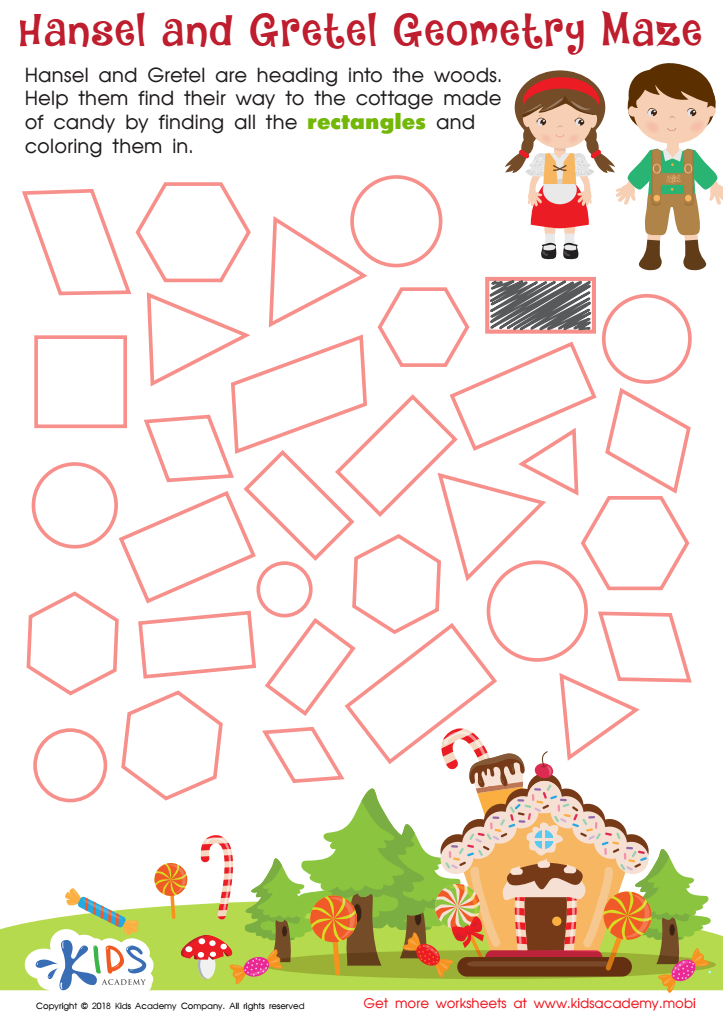
Hansel and Gretel Geometry Maze Worksheet
 Assign to My Students
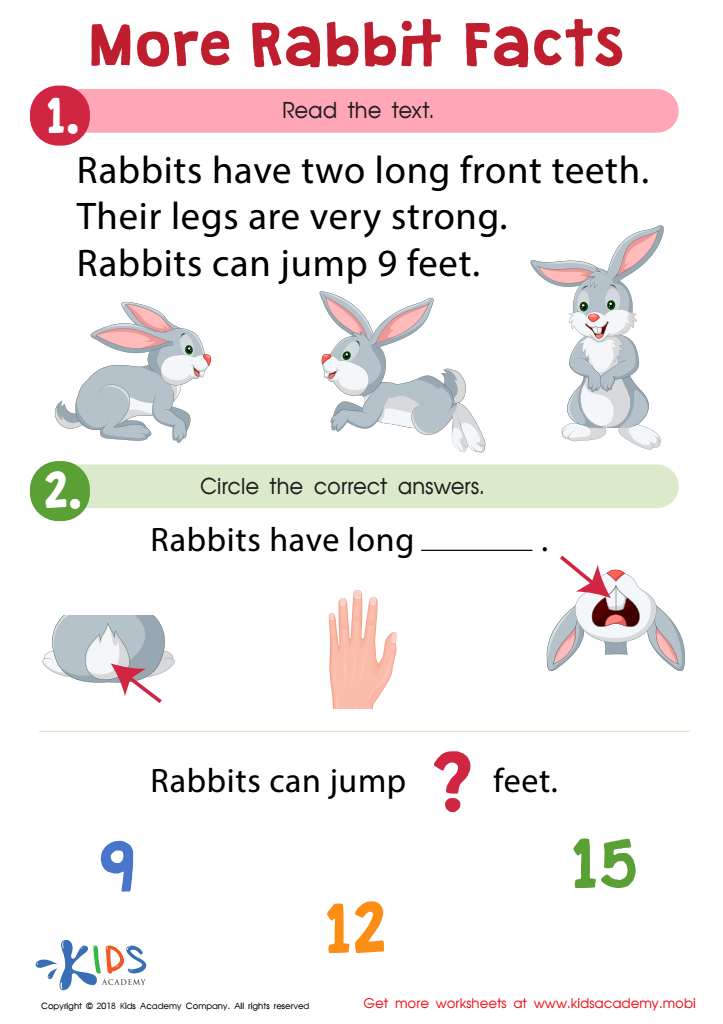
More Rabbit Facts Worksheet
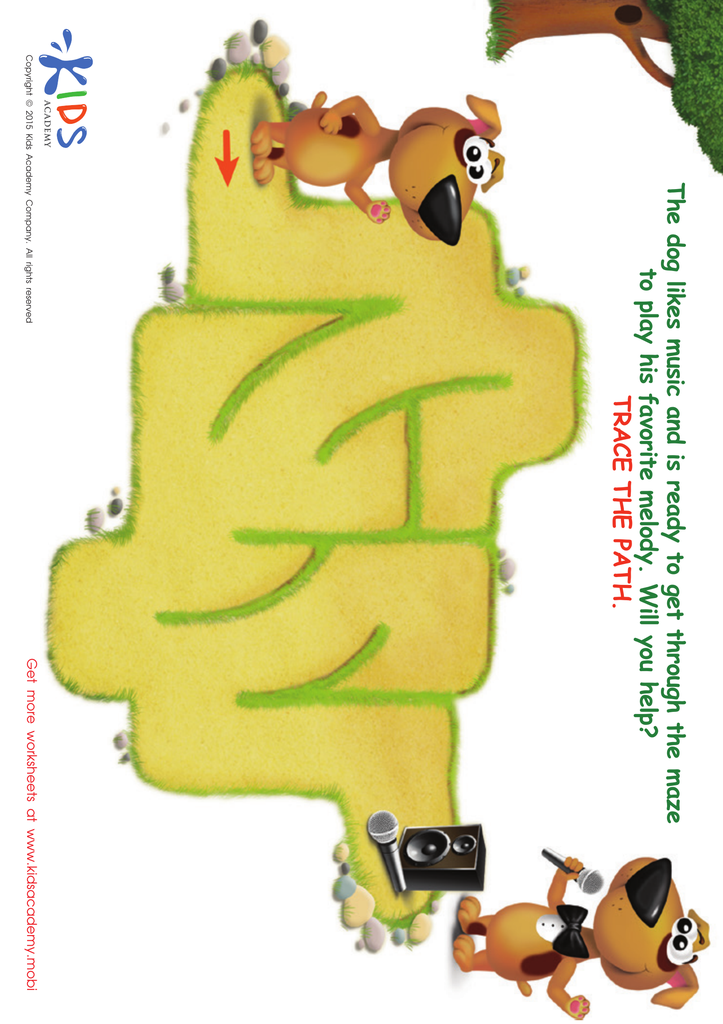
Singer Maze Worksheet
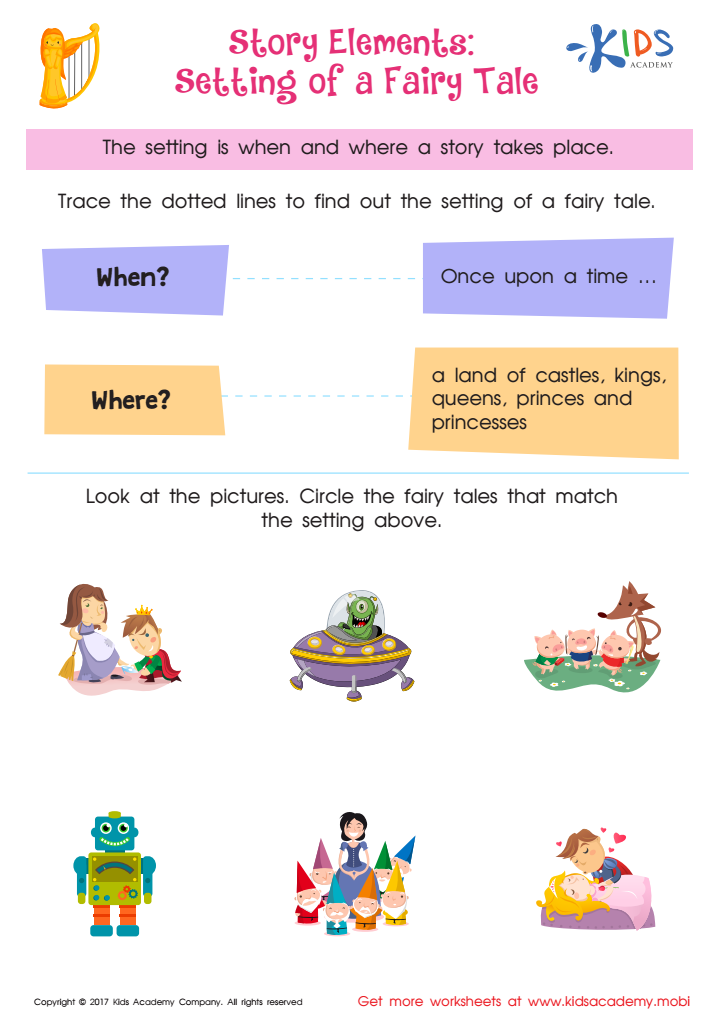
Story Elements: Setting of a Fairy Tale Printable








Vocabulary improvement for children ages 3-6 is paramount for their overall development and future academic success. During these formative years, young children's brains are highly receptive to learning new words and sounds, building the foundation for effective communication, reading, and writing skills. A robust vocabulary helps children to express their thoughts, feelings, and needs more clearly and understand others better, fostering strong social and emotional development.
When children have a rich vocabulary, they find it easier to understand new concepts, follow instructions, and participate actively in conversations and classroom activities. This is especially important as they transition to formal schooling, where strong language skills are directly linked to success in reading comprehension and other subject areas. The ability to grasp and use a wide range of words enables children to connect with more complex ideas, enhancing cognitive development and critical thinking skills.
Moreover, vocabulary development boosts confidence and self-esteem. Children who can articulate their thoughts well are more likely to engage in learning activities, ask questions, and build a love for reading. For parents and teachers, investing time and effort in vocabulary building through reading, conversation, and interactive activities can significantly impact a child's lifelong learning journey and academic trajectory.








