Shape Recognition 2D Shapes Worksheets for Ages 3-6 - Page 2
32 filtered results
-
From - To
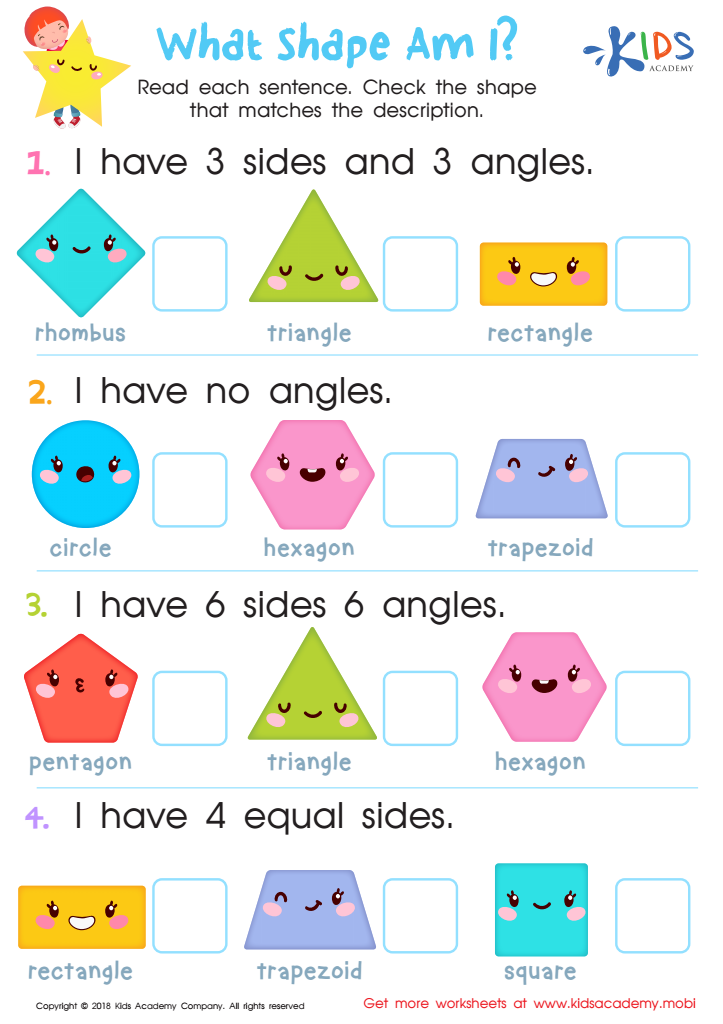
What Shape Am I? Worksheet
 Assign to My Students



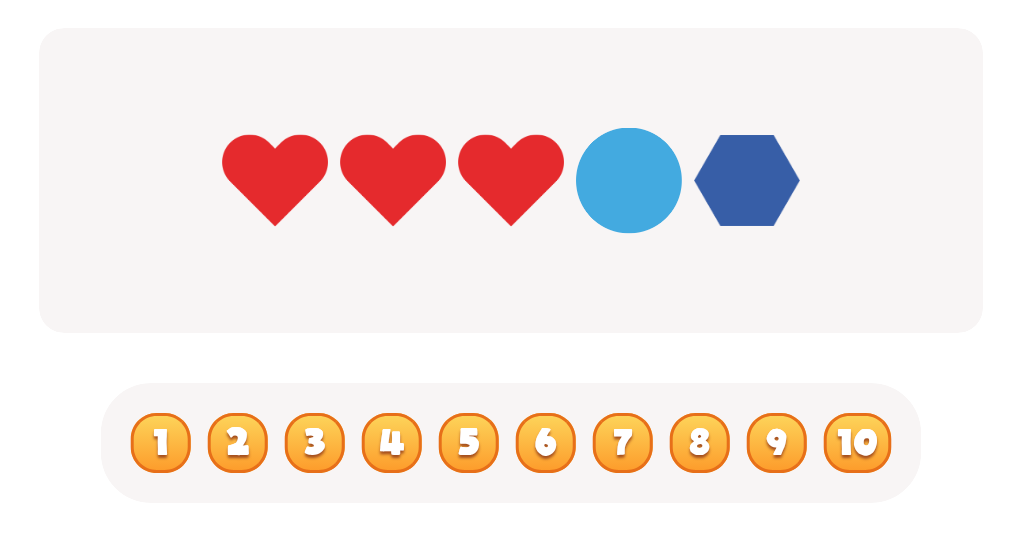
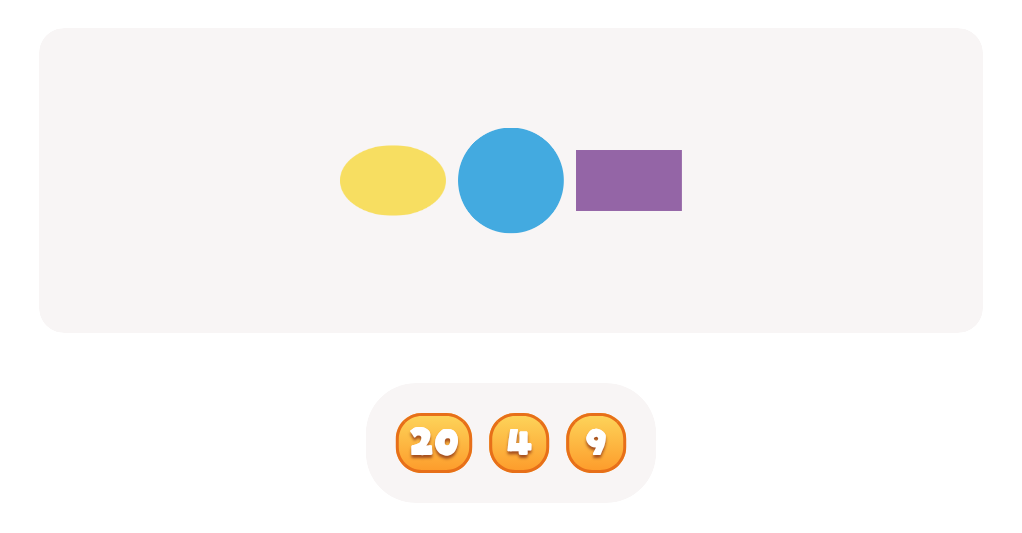
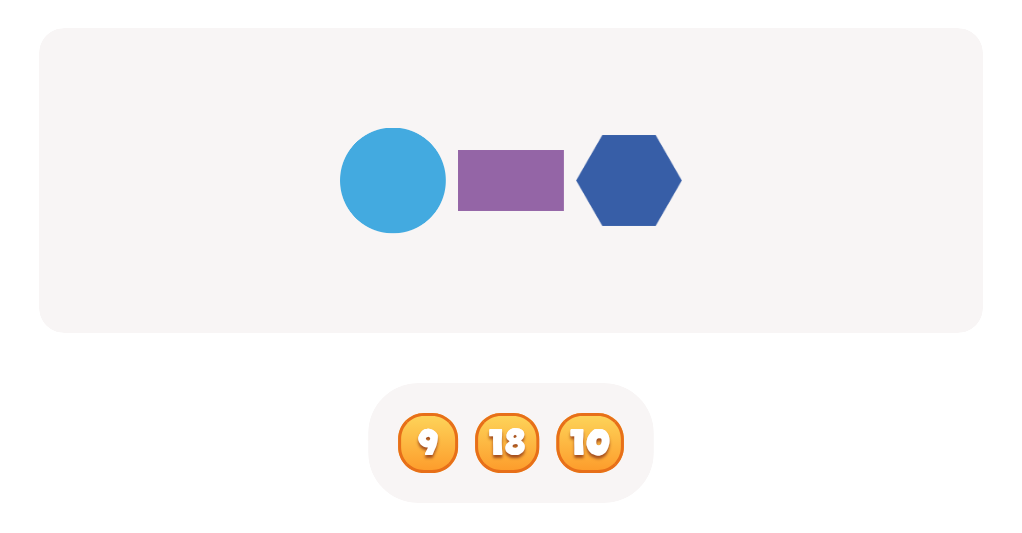
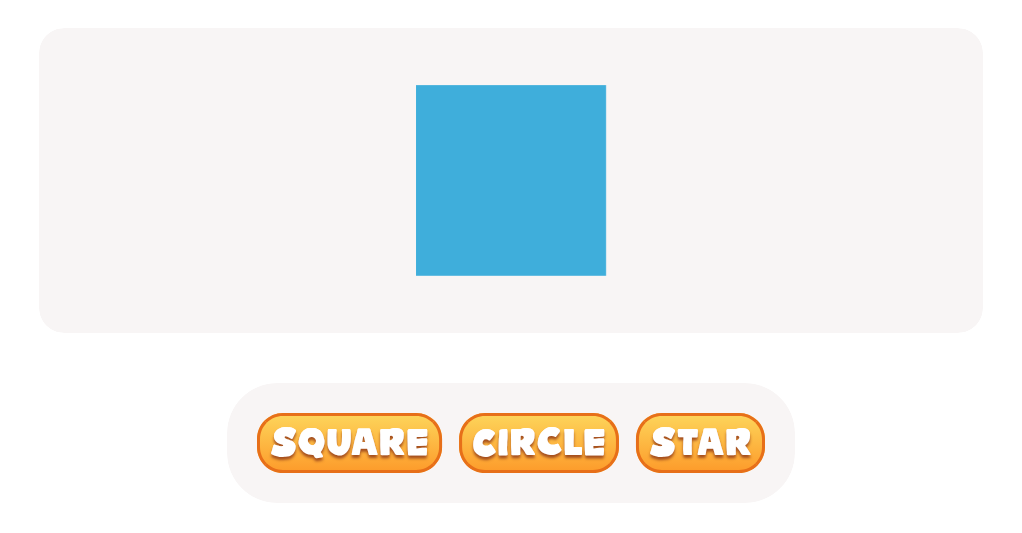
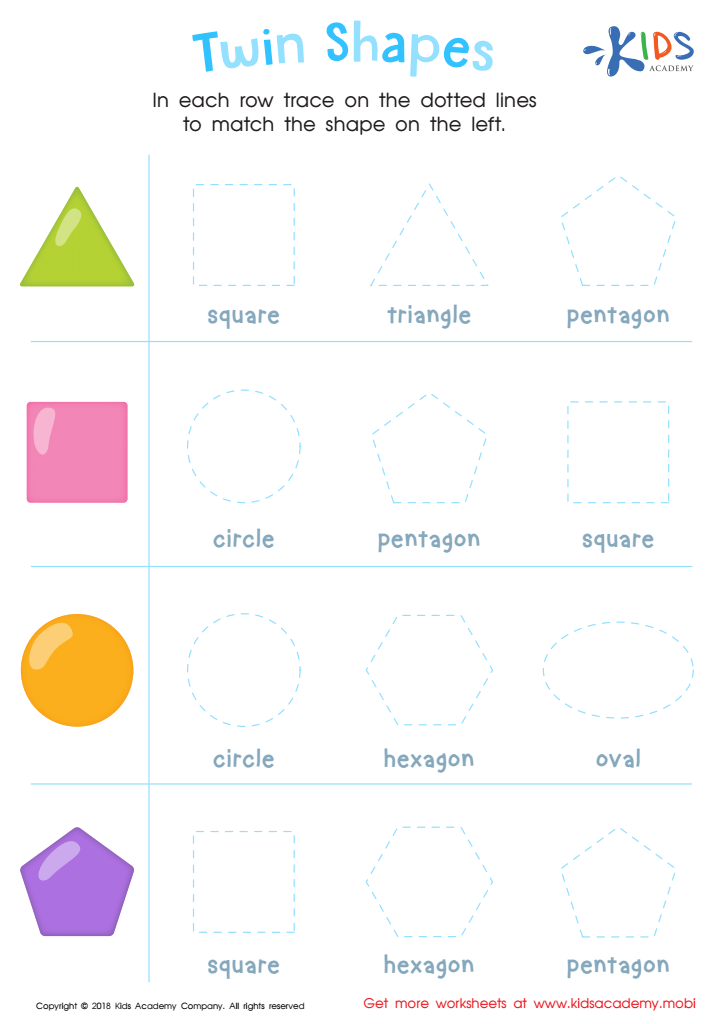
Twin Shapes Dot-to-Dot Worksheet
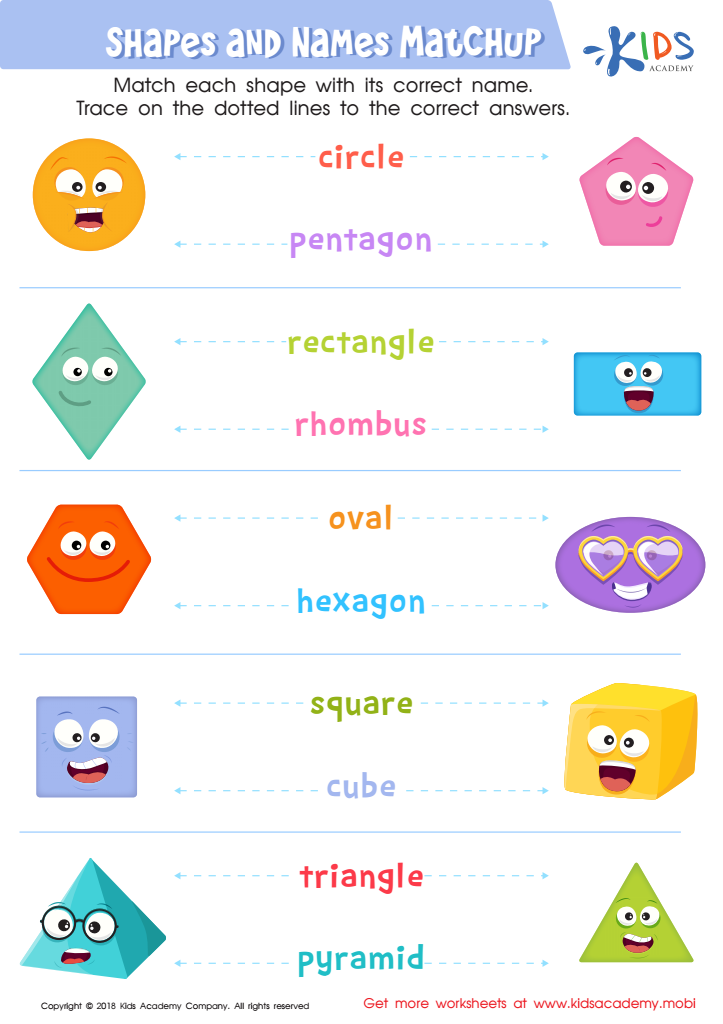
Shapes and Names Matchup Worksheet
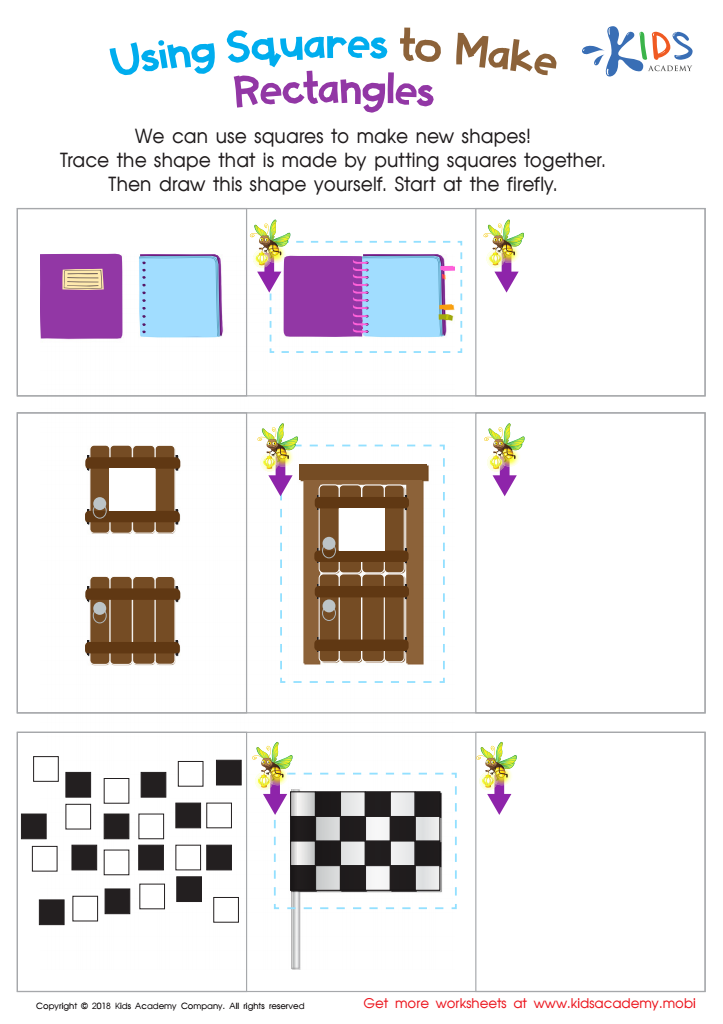
Using Squares to Make Rectangles Worksheet
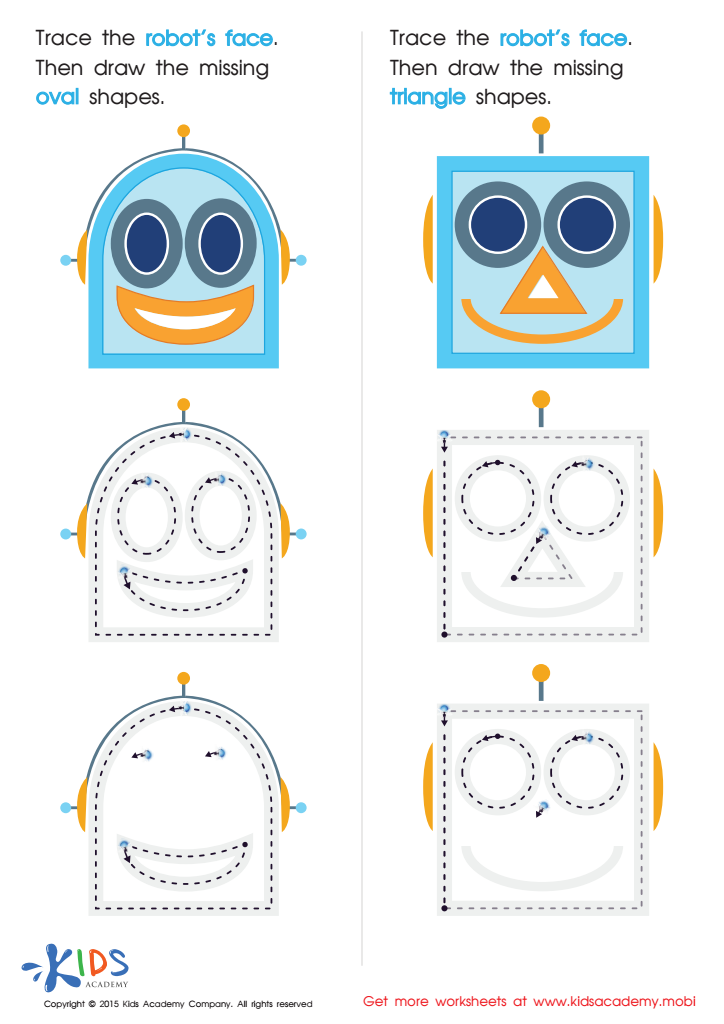
Drawing Ovals And Triangles with Fun Printable
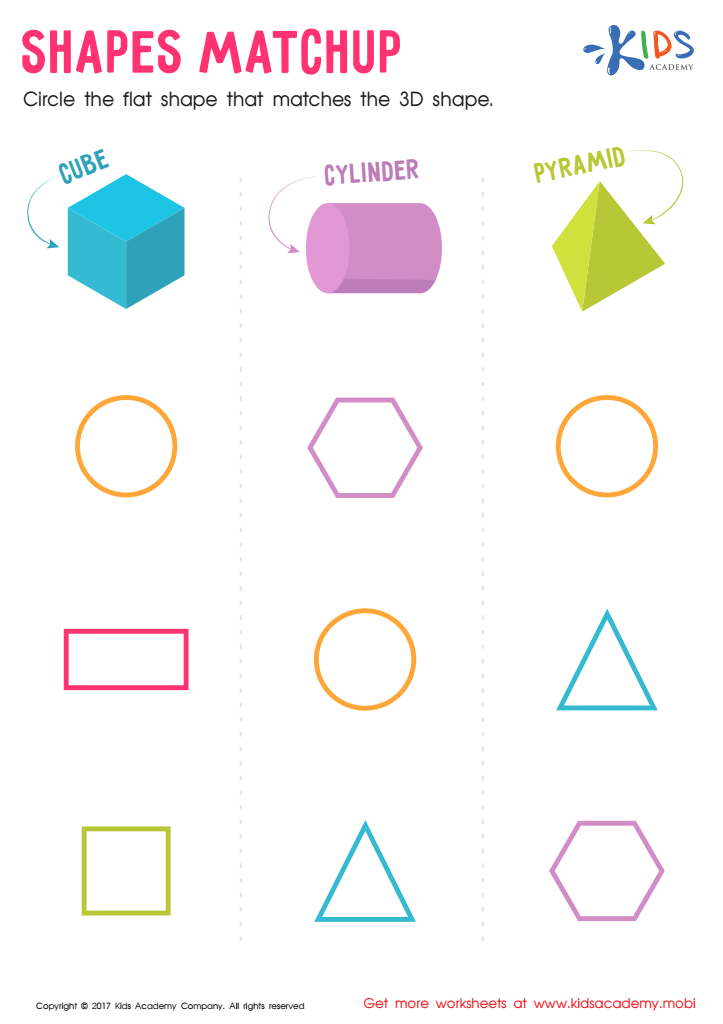
Shapes Matchup Worksheet
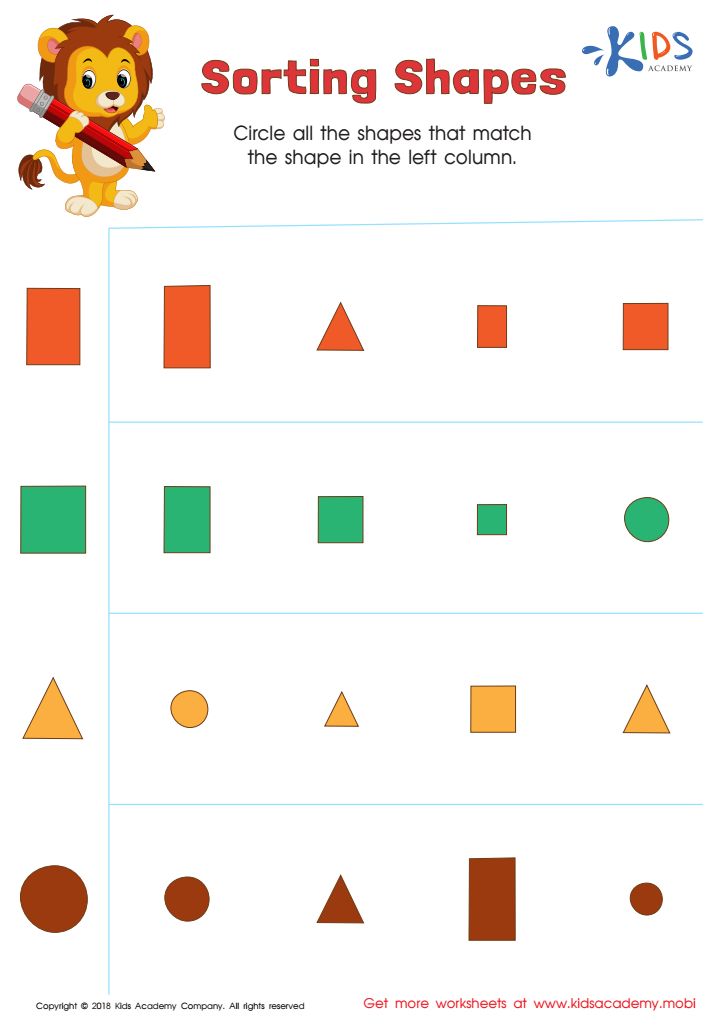
Sorting Shapes - Part 2 Worksheet
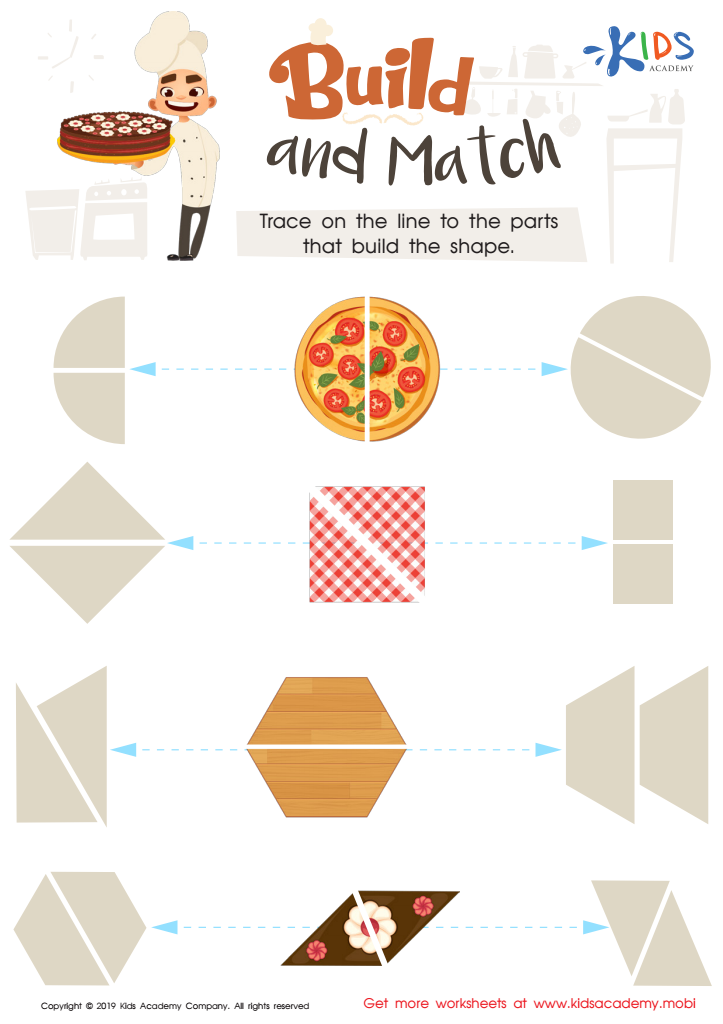
Build and Match Worksheet








Shape recognition is a foundational skill in early childhood education that greatly impacts cognitive development and everyday learning for children aged 3-6. Understanding 2D shapes helps children identify the world around them, establishing a basis for more complex concepts in geometry, mathematics, and spatial awareness.
For parents and teachers, promoting shape recognition encourages critical thinking, problem-solving, and the ability to categorize objects. This skill not only enhances children's mathematical skills but also supports language development as they learn to describe and communicate their understanding of shapes.
Additionally, shape recognition activities can be integrated into play, making learning enjoyable and motivating. Engaging in hands-on activities, such as sorting shapes, drawing, and using shape puzzles, fosters creativity and fine motor skills.
Furthermore, studies suggest that early mastery of shape recognition is linked to later academic success. It builds confidence and prepares children for more complicated lessons in numeracy and literacy. By caring about shape recognition, parents and teachers can help lay a solid foundation for lifelong learning, fostering a positive attitude toward education and exploration in young learners. Acknowledging this important aspect reinforces the idea that learning is a holistic process that extends beyond traditional academic skills.