Visual discrimination 2D Shapes Worksheets for Ages 3-6
4 filtered results
-
From - To
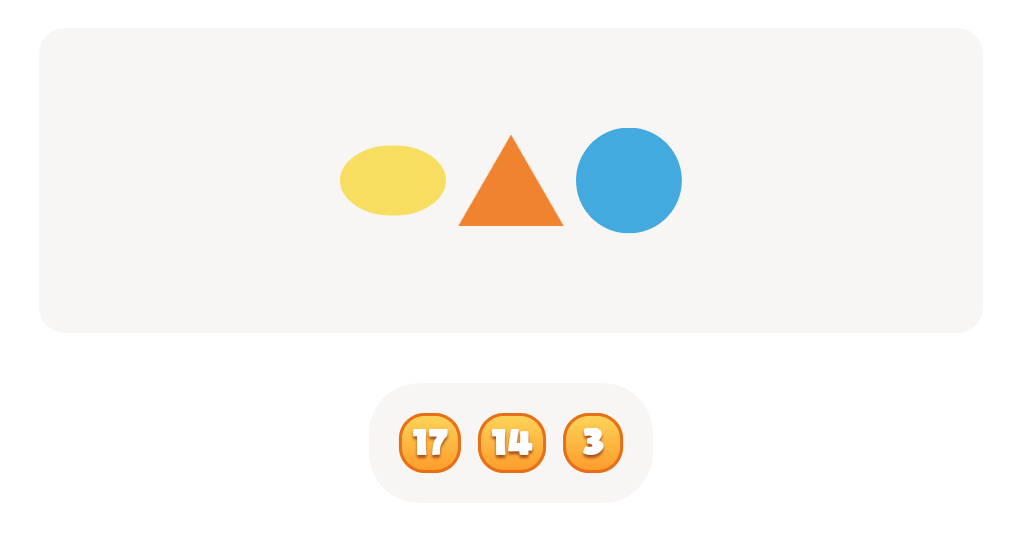
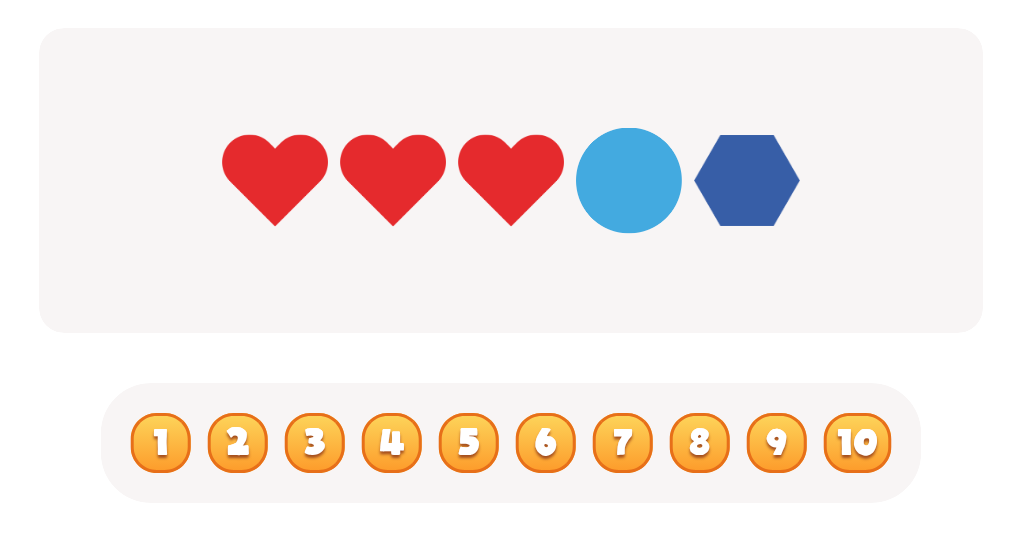
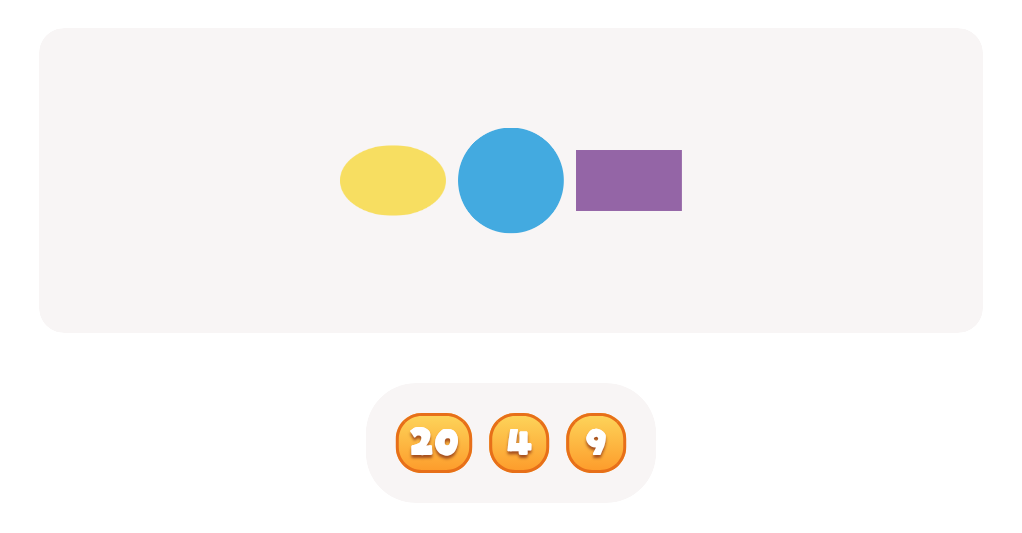
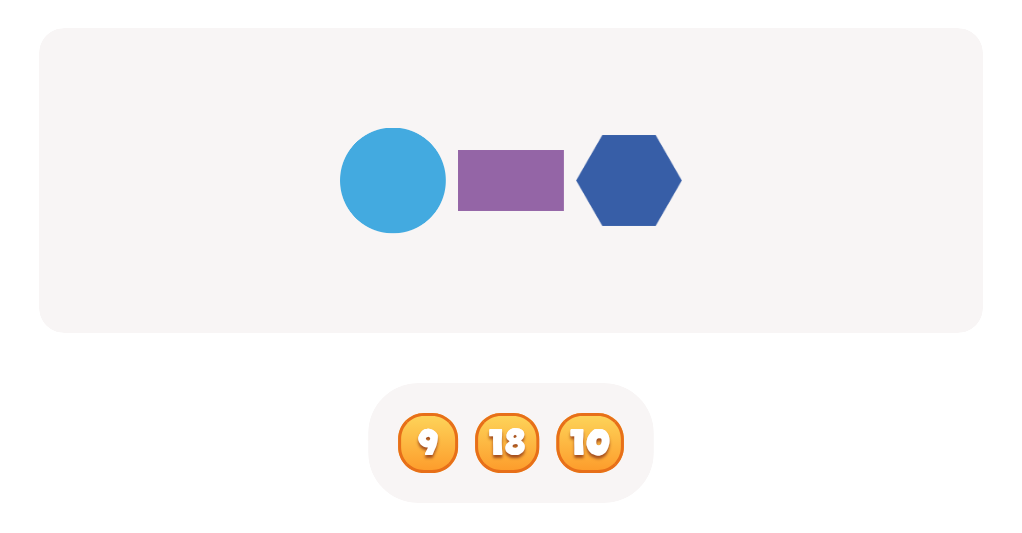
Enhance your child's visual discrimination skills with our engaging 2D shapes worksheets designed for ages 3-6. These fun and interactive activities help young learners identify, differentiate, and compare various shapes, supporting their understanding of geometry and promoting analytical thinking. Each worksheet is carefully crafted to capture children's attention, featuring colorful illustrations and simple tasks that spark curiosity and learning. Perfect for preschool and kindergarten settings, our worksheets encourage skill development through practice and play. Equip your little ones with the foundational abilities they need to excel in math and beyond. Start their shape exploration journey today!
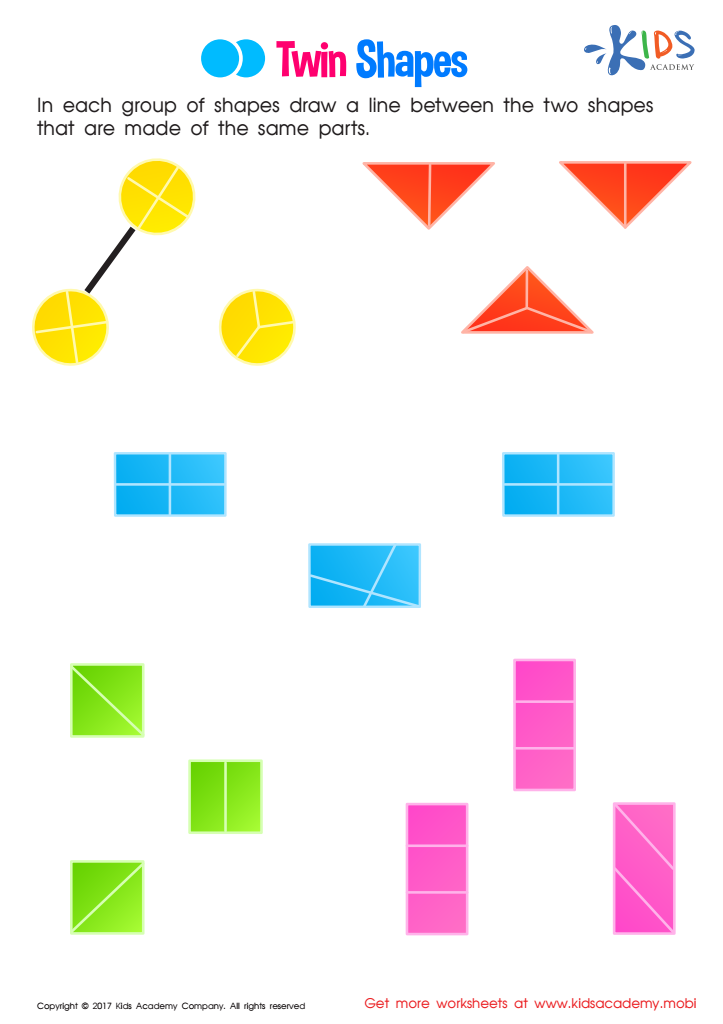
Twin Shapes Worksheet
 Assign to My Students


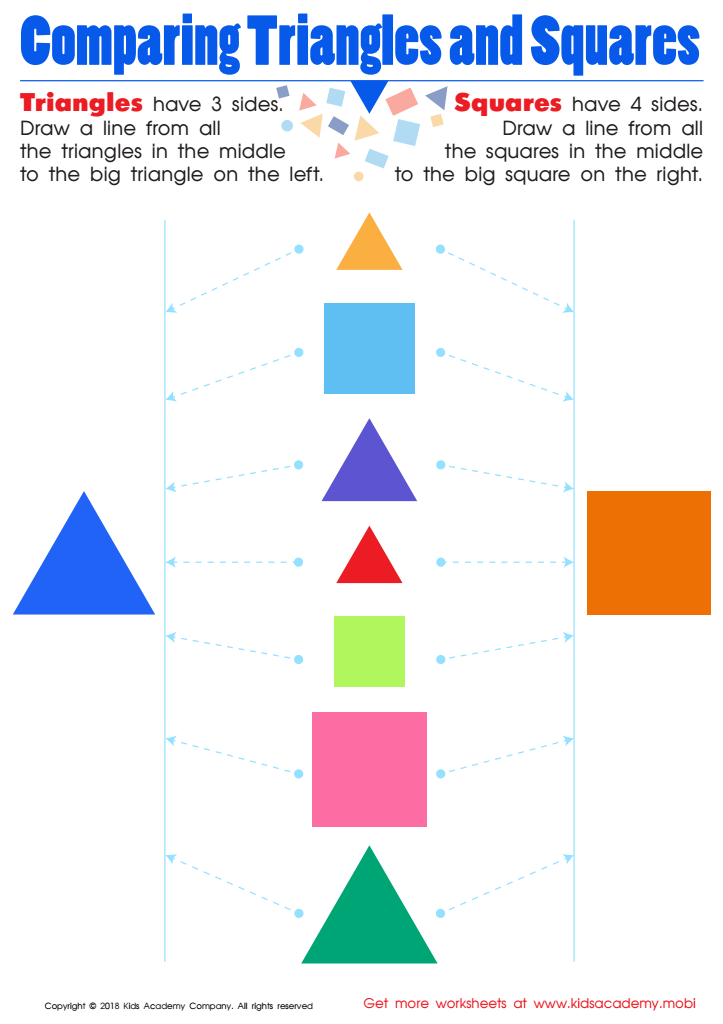
Comparing Triangles Squares Worksheet
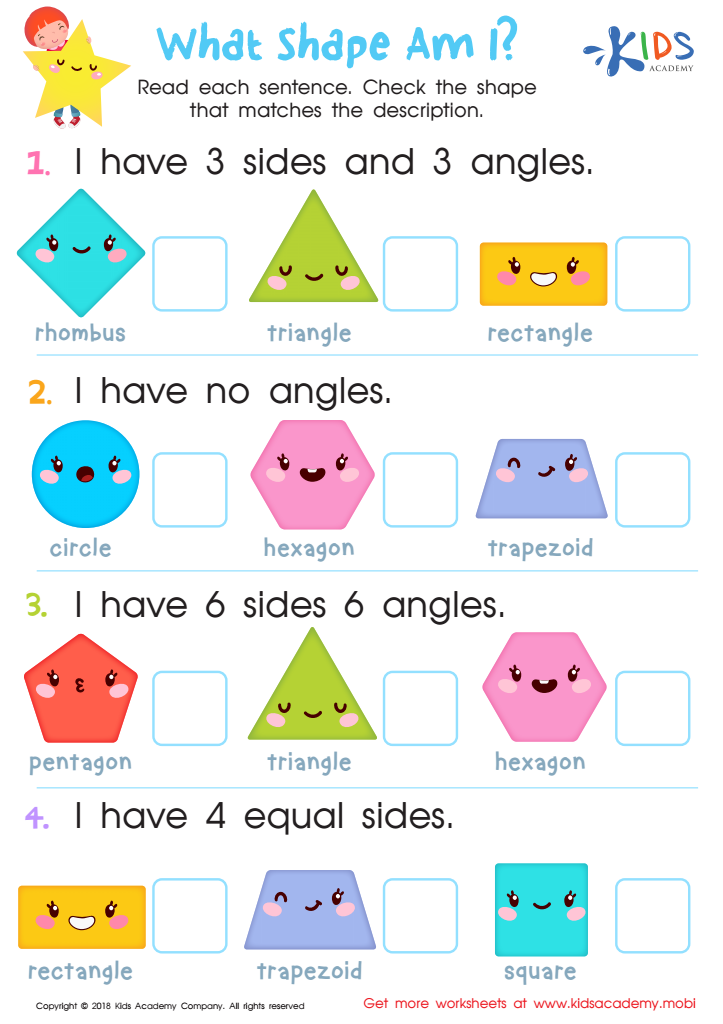
What Shape Am I? Worksheet
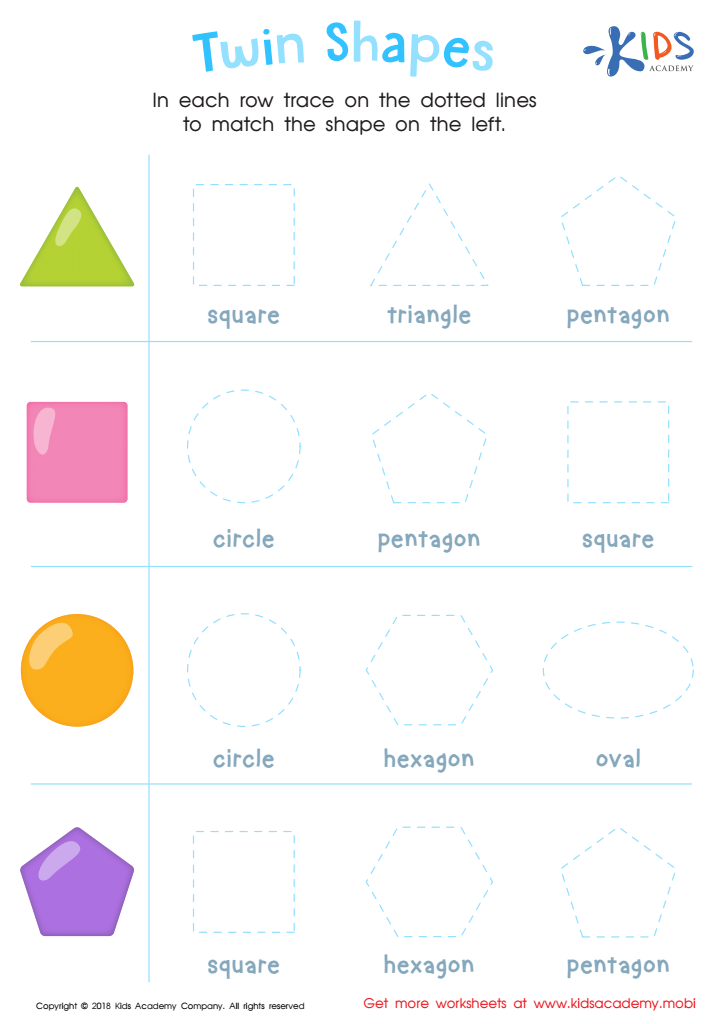
Twin Shapes Dot-to-Dot Worksheet








Visual discrimination of 2D shapes is crucial for children aged 3-6 as it lays a strong foundation for their cognitive development, literacy, and mathematical skills. During these formative years, children learn to identify, compare, and contrast different shapes, which enhances their ability to recognize patterns and understand spatial relationships. This skill acts as a precursor to more complex concepts in geometry and arithmetic.
Parents and teachers should care about visual discrimination because it promotes critical thinking and problem-solving abilities. Recognizing shapes helps children classify objects, make decisions, and build their vocabulary by learning shape names and their attributes. Additionally, mastering this skill boosts confidence and lays the groundwork for future learning.
Beyond academics, developing visual discrimination helps children in everyday life. Whether sorting toys, navigating environments, or understanding maps, shape recognition is integral. Furthermore, activities that enhance visual discrimination, such as drawing, crafting, and puzzles, foster fine motor skills and hand-eye coordination.
In conclusion, prioritizing visual discrimination of 2D shapes in early education empowers children with essential skills that benefit their learning journey, promoting a sense of achievement and readiness for future challenges. Therefore, parents and teachers should actively engage in encouraging this vital area of development.