
Addition Practice Addition Facts Worksheets for Ages 3-6
6 filtered results
Difficulty Level
Grade
Age
-
From - To
Subject
Activity
Standards
Enhance your child's math skills with our "Addition Practice Addition Facts Worksheets" designed for ages 3-6. These engaging and colorful printable worksheets help young learners master essential addition facts through fun and interactive exercises. Tailored to developmental stages, each worksheet simplifies the learning process, making it approachable and enjoyable. Ideal for preschoolers and early elementary students, our resources promote confidence and a strong foundational understanding of addition. Whether used in classrooms or at home, these worksheets are a perfect supplement to any math curriculum, ensuring kids grasp the basics of addition in an engaging way.
Favorites
With answer key
Interactive
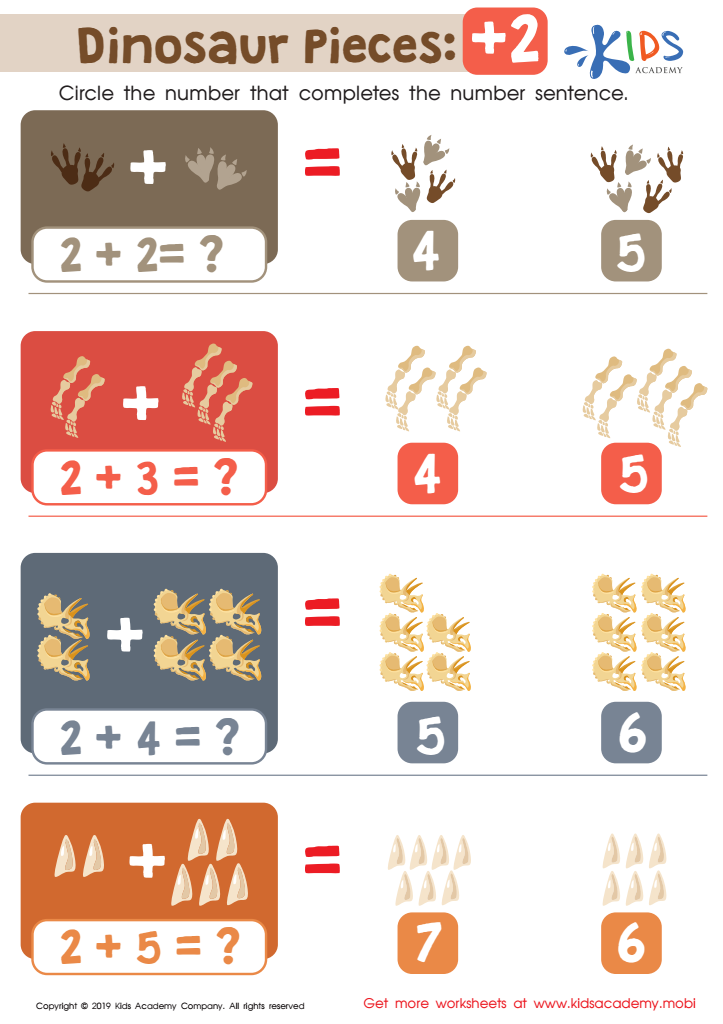
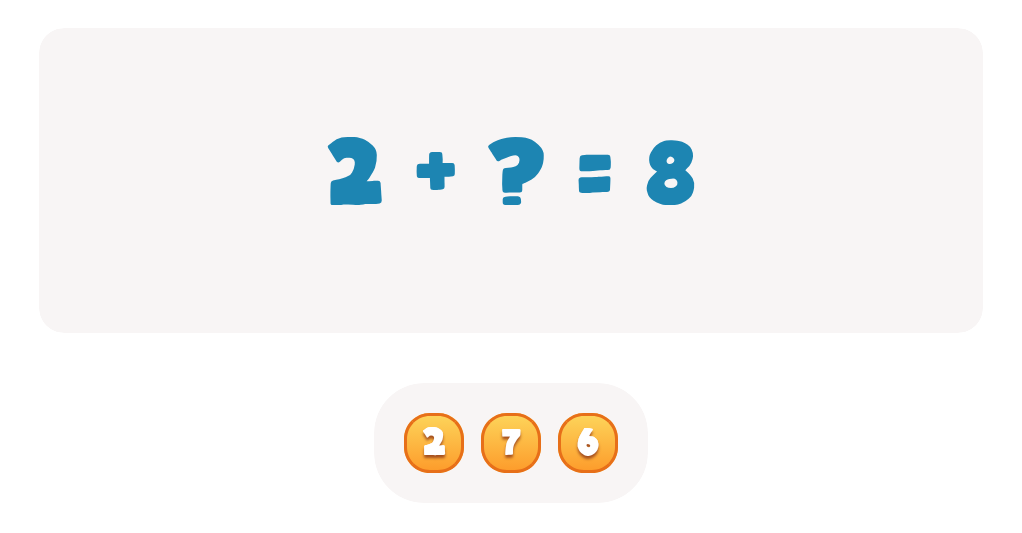
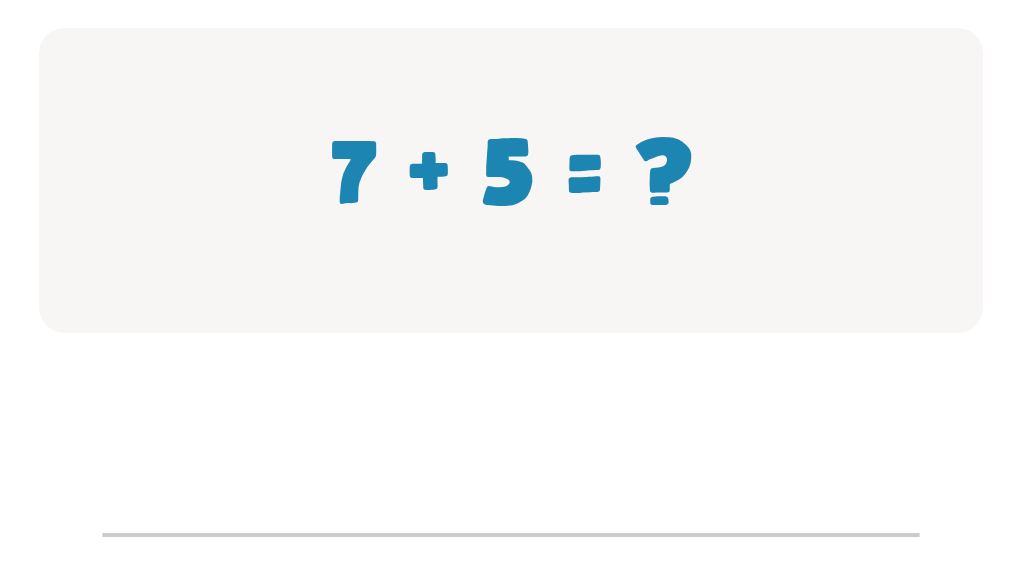
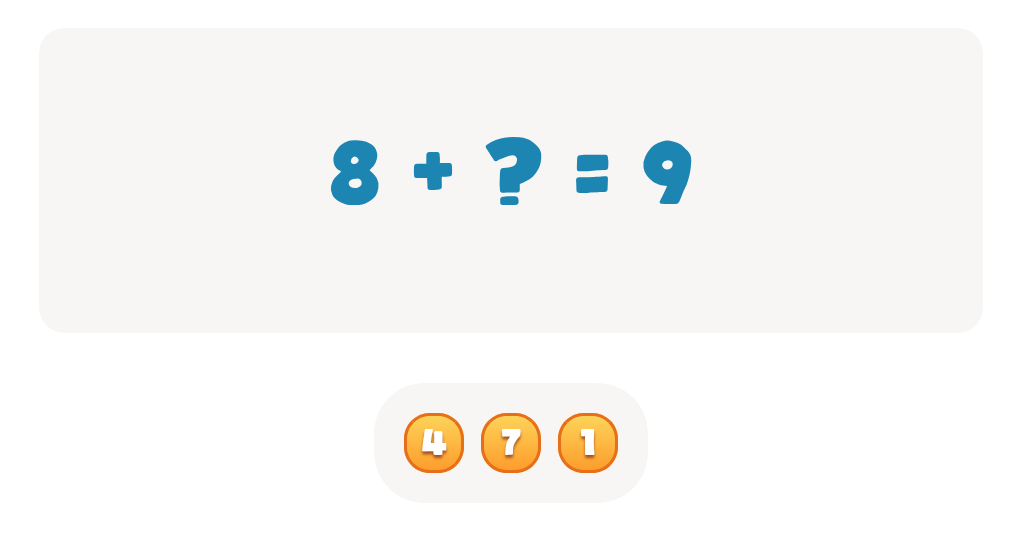
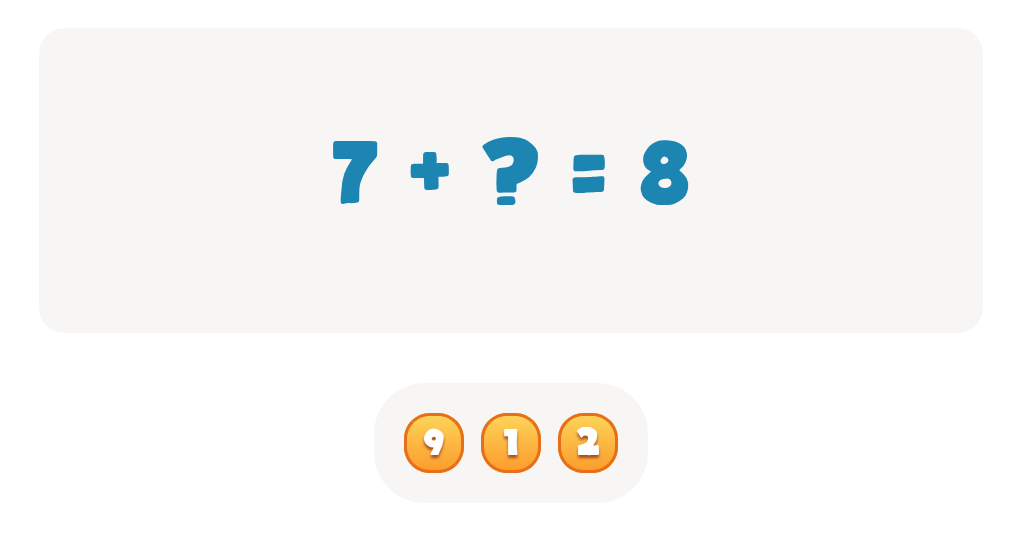
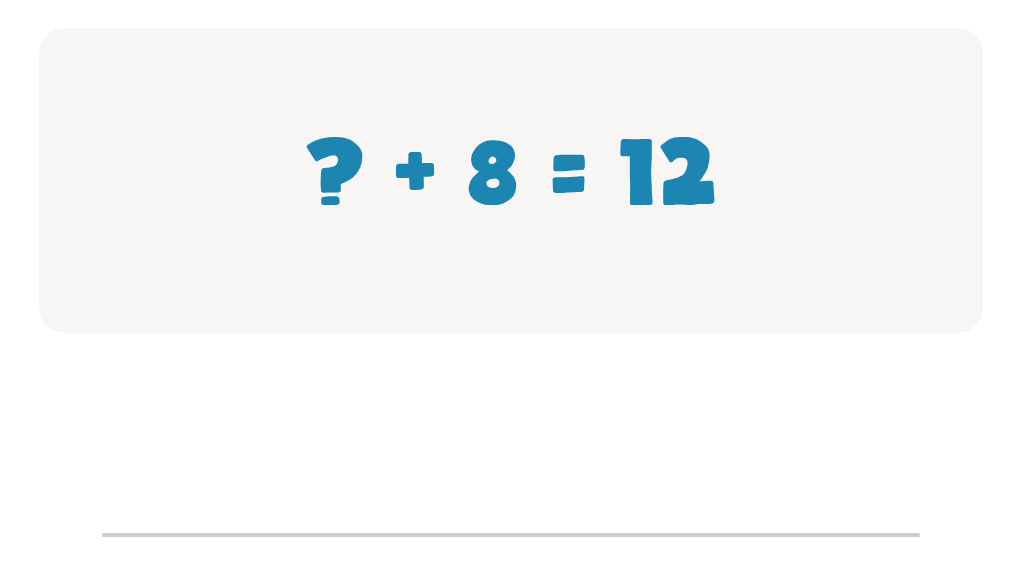
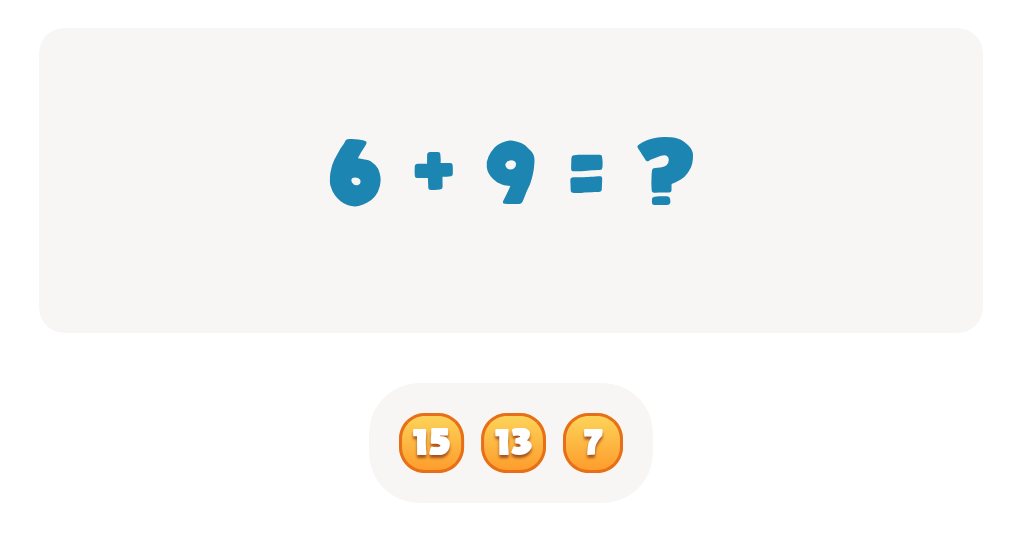
Dinosaur Pieces: +2 Worksheet
Kids love dinosaurs! See if your kids can solve these three equations featuring the mysterious creatures. Download the PDF and have them circle the number that completes each equation. Dinosaurs are extinct, not seen for thousands of years, but they can still help kids work on their math skills!
 Assign to My Students
Dinosaur Pieces: +2 Worksheet
Worksheet


Fact Families: Easter Math Worksheet
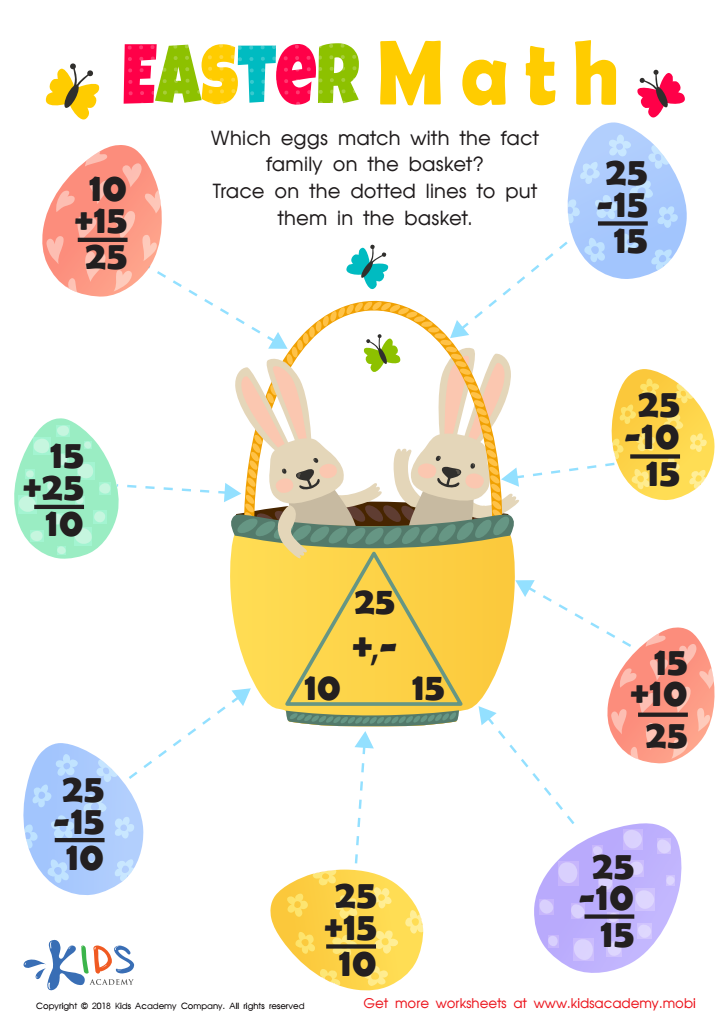
Kids will love this vibrant PDF packed with Easter math fun! Match facts with the colorful eggs, add and subtract multiples of five to boost automaticity, and have a blast with the bunny friends!
Fact Families: Easter Math Worksheet
Worksheet
Addition Facts: Double Dice Worksheet
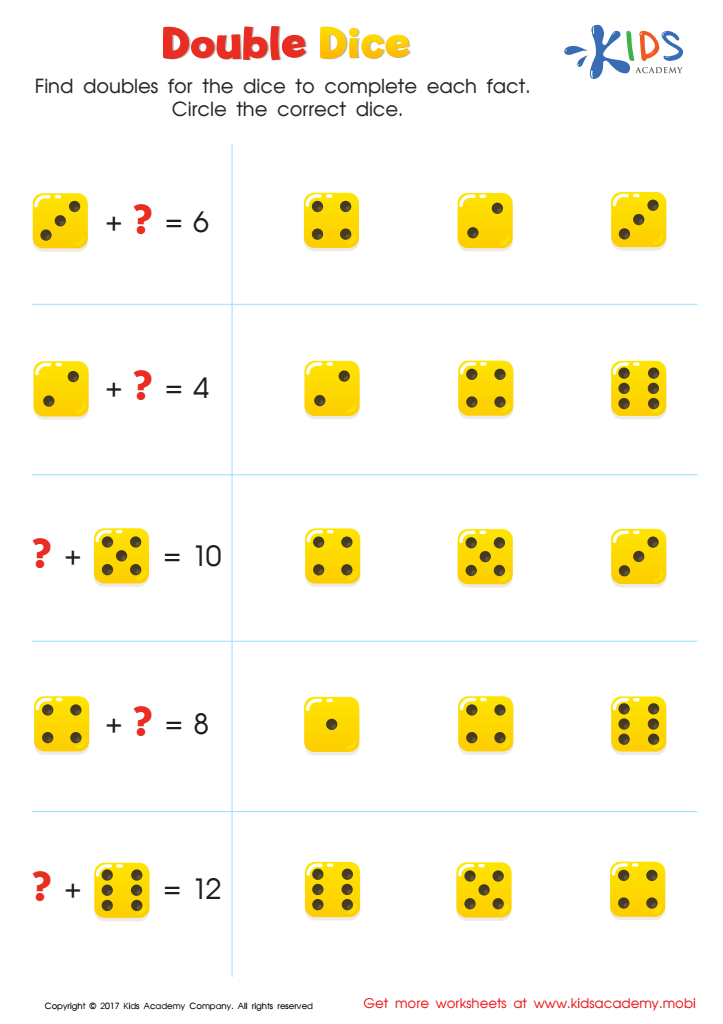
Are you looking for ways to make maths more engaging for kids? Maths can be a bore, but by teaching kids from an early age that it can be fun, they won't struggle with it. This worksheet is a great way to start: your child needs to identify the number on the left dice and find its double on the right. The sum of the two dice is also given.
Addition Facts: Double Dice Worksheet
Worksheet
Friendly Doubles Worksheet
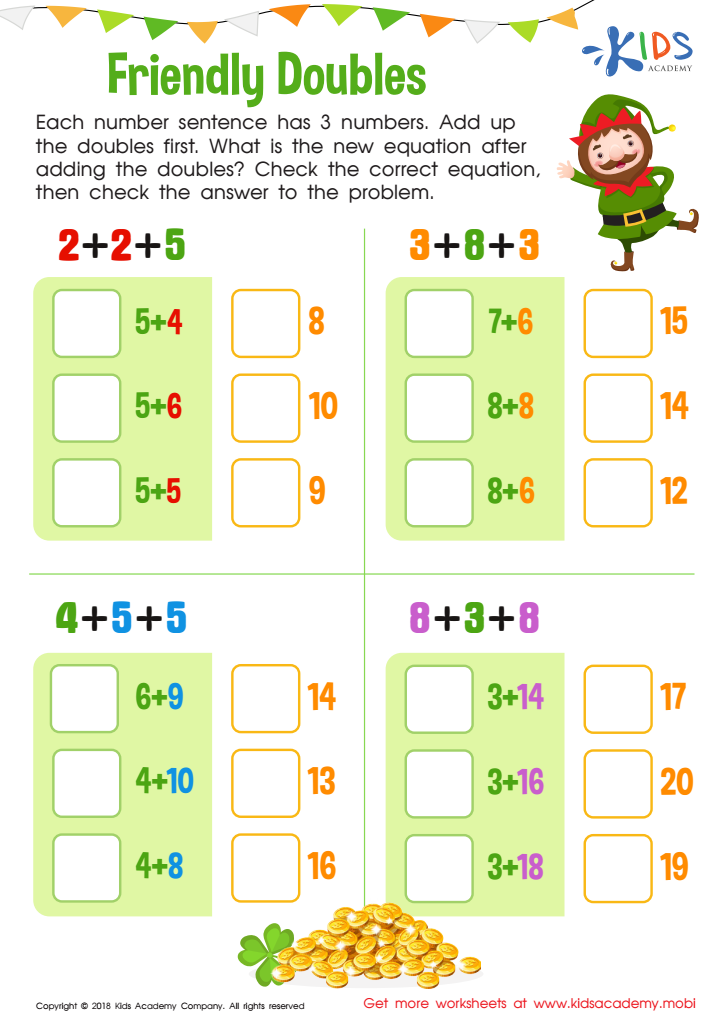
Kids will love this animated worksheet with bright colors! It helps them learn how to use doubles facts to answer three addend addition problems. It boosts their math skills, making computation easier, faster and more efficient. It also assists with adding and subtracting larger numbers. Let the power of doubles get them started!
Friendly Doubles Worksheet
Worksheet
Find Two at the Zoo Worksheet
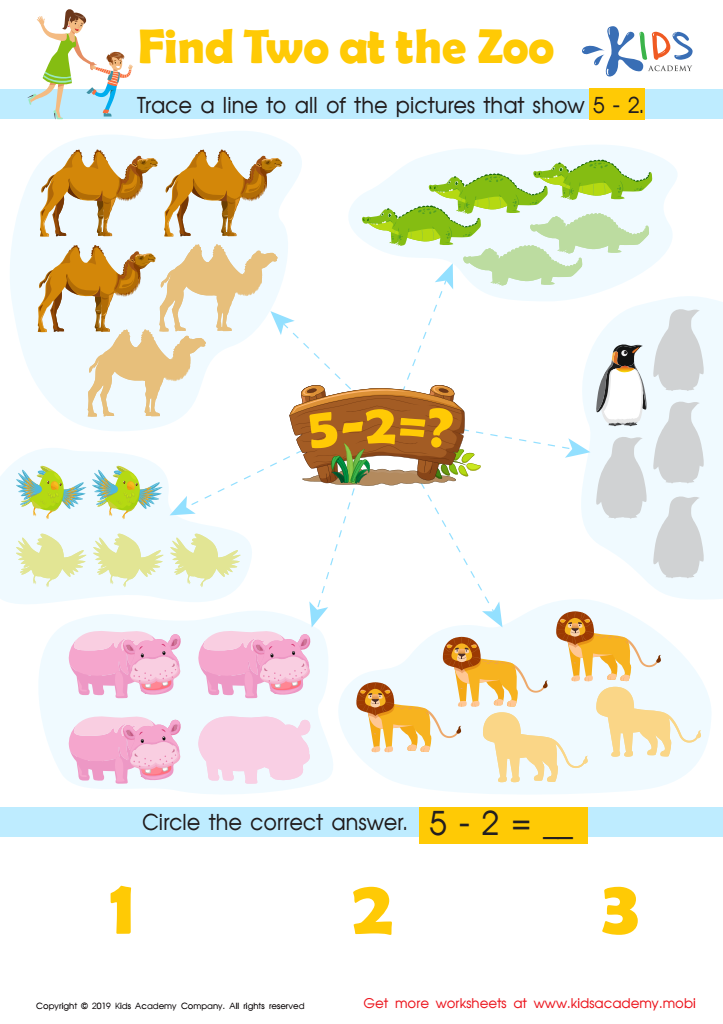
Help your kids overcome math fears and practice subtracting numbers with this traceable PDF. Ask them to identify the 6 groups of animals in the picture and count the animals in each group. Then, help them trace a line to all of the pictures that illustrate the equation 5-2.
Find Two at the Zoo Worksheet
Worksheet
Collect Sticks Worksheet
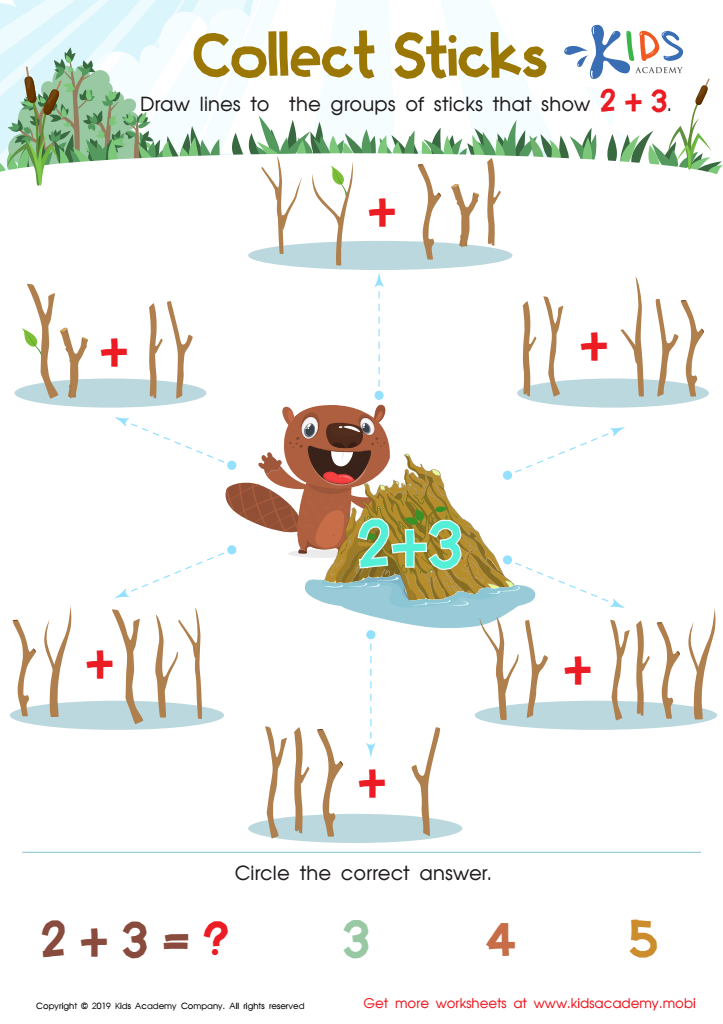
Let math be fun for your kids with a simple and colorful worksheet exercise. Addition and subtraction can be daunting, but you can make it enjoyable with exercises like this one. Get them to draw lines to the groups of sticks that show 2+3 and watch them light up.
Collect Sticks Worksheet
Worksheet
Join Kids Academy for Free
Who is primarily going to use this learning content?




.jpg)



Addition practice for children aged 3-6 is crucial in laying the foundation for future mathematical success. At this early stage, children are highly receptive and are developing critical cognitive skills. Introducing them to basic addition not only helps them understand numerical relationships but also enhances their problem-solving abilities and logical thinking.
Parents and teachers who emphasize addition facts help children build confidence in their math skills, fostering a positive attitude towards learning. Younger children often learn best through play, so incorporating fun, engaging activities can make addition practice enjoyable and memorable. Familiarity with numbers and basic operations prepares children for more complex mathematical concepts as they progress in their education.
Furthermore, early exposure to addition supports the development of fine motor skills and hand-eye coordination when they use physical objects like blocks or beads. It also aids in social development as children often work in groups, learning to collaborate and communicate to solve problems.
Thus, by focusing on addition facts, parents and teachers provide children with a solid mathematical foundation that is essential for their academic growth and everyday life. Early competency in math equips children with critical skills that extend beyond the classroom, shaping them into proficient problem solvers and analytical thinkers.








