Visual-motor skills Addition Worksheets for Ages 3-6
3 filtered results
-
From - To
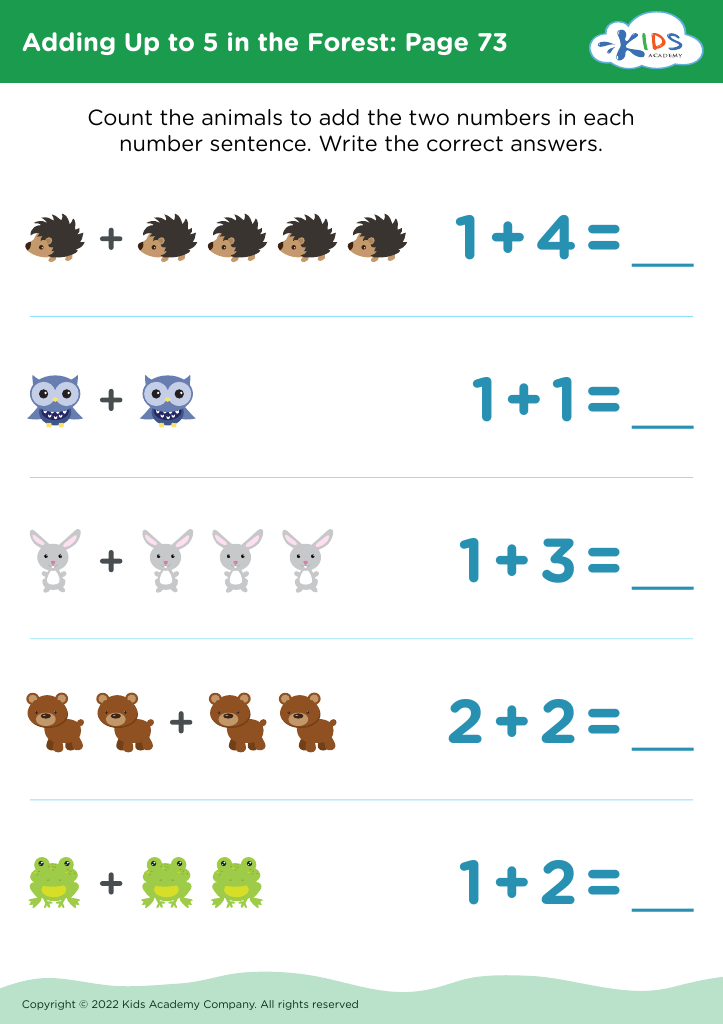
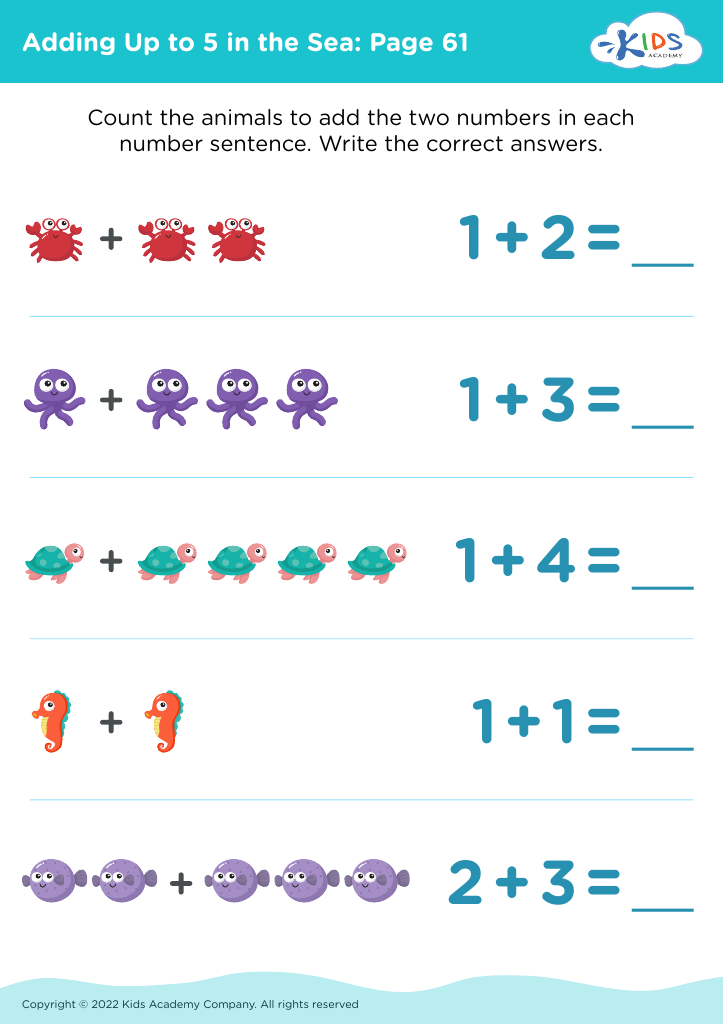
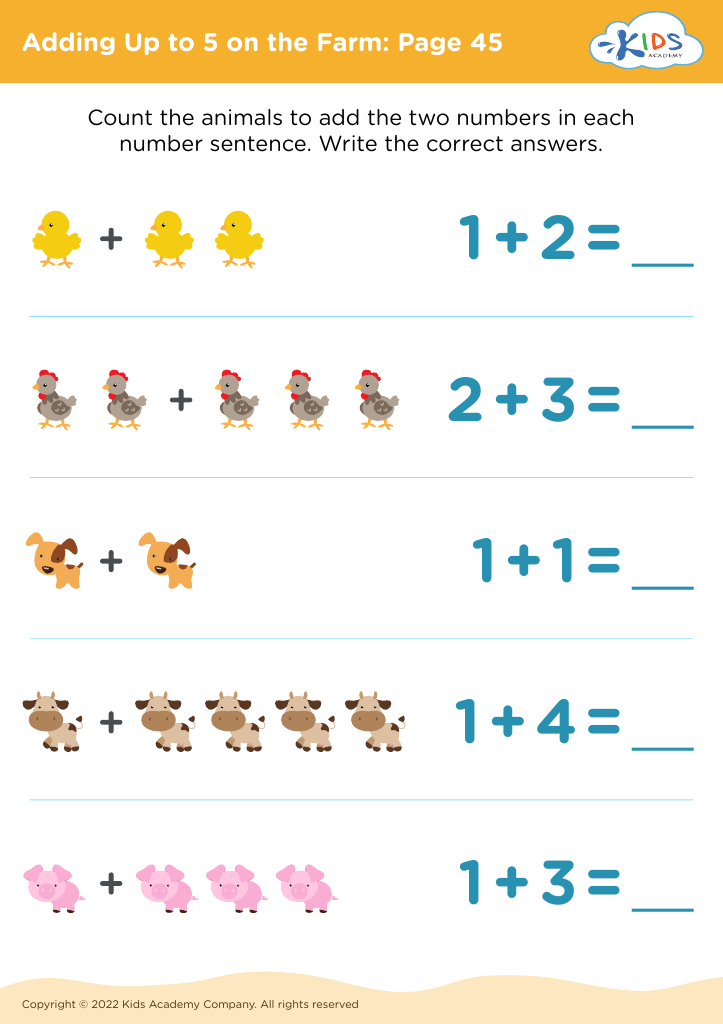
Enhance your child's development with our Visual-motor Skills Addition Worksheets for ages 3-6! Specially designed to cultivate crucial early learning skills, these worksheets combine fun addition exercises with vibrant visuals to engage young minds. Your little learners will practice adding numbers while simultaneously improving their hand-eye coordination and fine motor skills. Perfectly suited for preschoolers and kindergarteners, these printables ensure foundational math concepts are grasped effortlessly. Empower your child’s educational journey with activities that bolster cognitive development, support visual-spatial reasoning, and make learning math an enjoyable adventure. Download today and watch your child thrive academically!








Visual-motor skills are crucial for young children aged 3-6 because they form the foundation for many essential activities in both academic and daily life. These skills involve the coordination of visual perception and motor control, essential for tasks such as writing, drawing, cutting with scissors, and even catching a ball. When young children develop strong visual-motor skills, they can more effectively interact with their environment, leading to better hand-eye coordination and improved fine motor abilities.
In the classroom, strong visual-motor skills are pivotal for learning to write letters and numbers, which are integral to early literacy and numeracy development. When children struggle with these skills, they may face challenges in academic performance, lowering their confidence and enthusiasm for learning. Beyond academics, daily tasks like tying shoelaces, buttoning clothes, or assembling puzzles also rely on these skills. Ensuring children develop proficient visual-motor coordination sets them up for greater independence and success in everyday life.
For teachers and parents, supporting the development of visual-motor skills involves engaging children in activities such as drawing, coloring, playing with building blocks, and simple sports. Recognizing the importance of these skills encourages more focused, supportive interactions and creates opportunities for diverse and meaningful play, laying the groundwork for a child's holistic development.








