Comparing Numbers Worksheets for Ages 3-6 - Page 2
25 filtered results
-
From - To
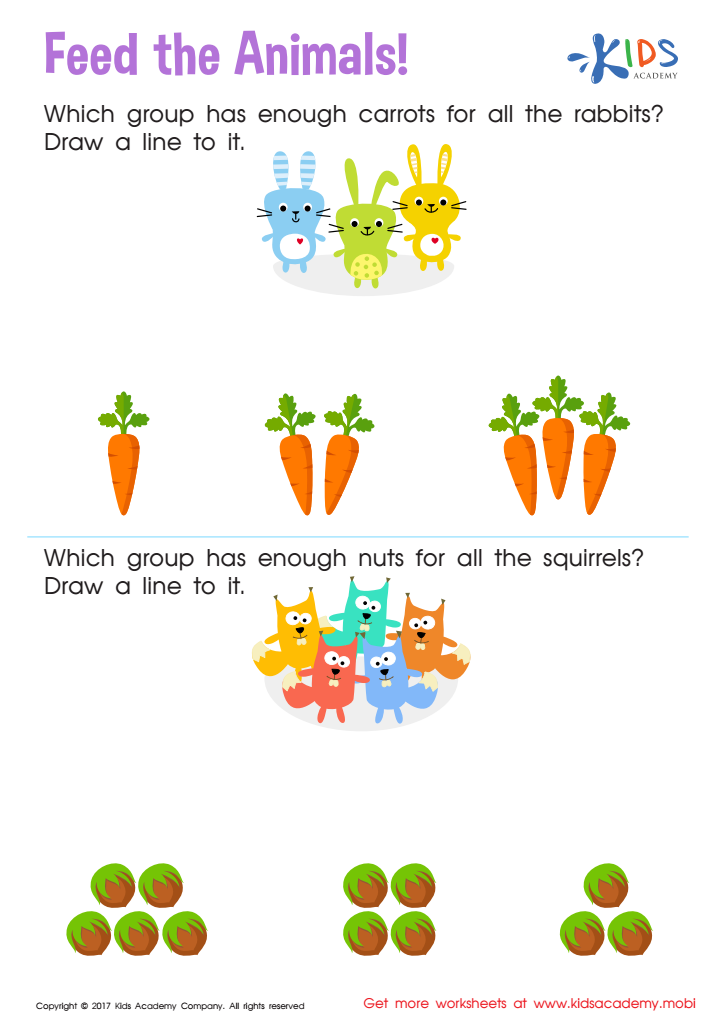
Count and Match: Feed the Animals Worksheet
 Assign to My Students
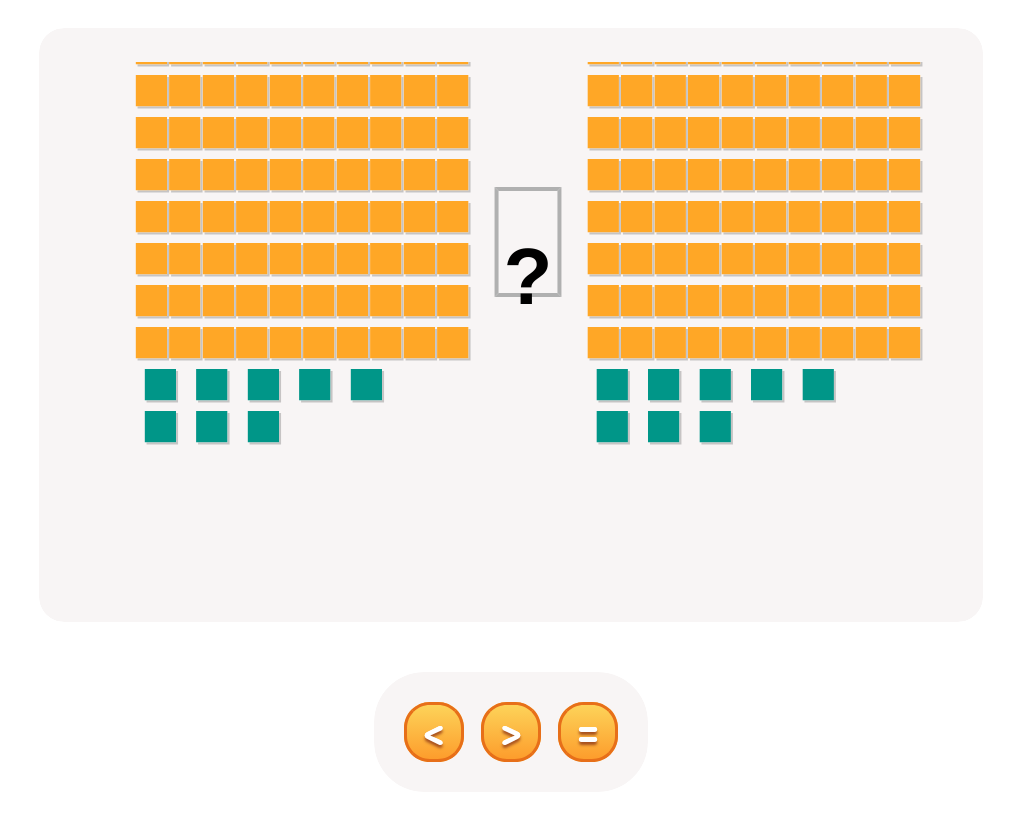

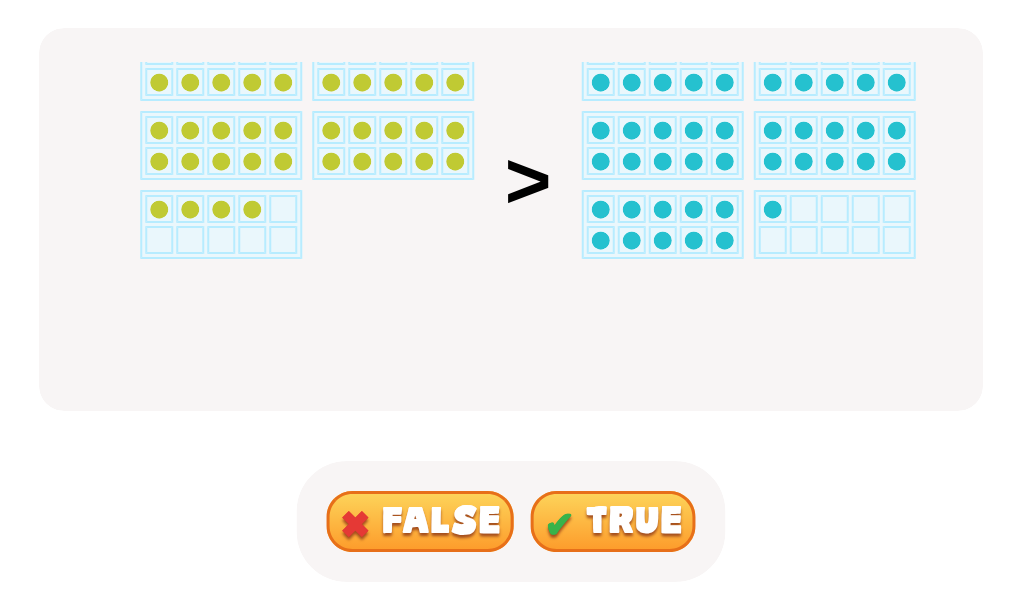
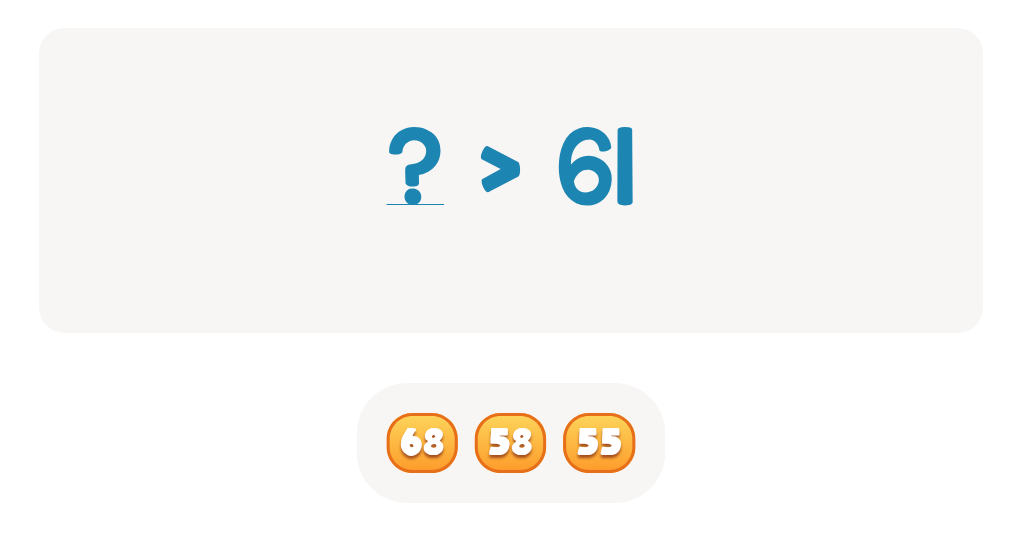
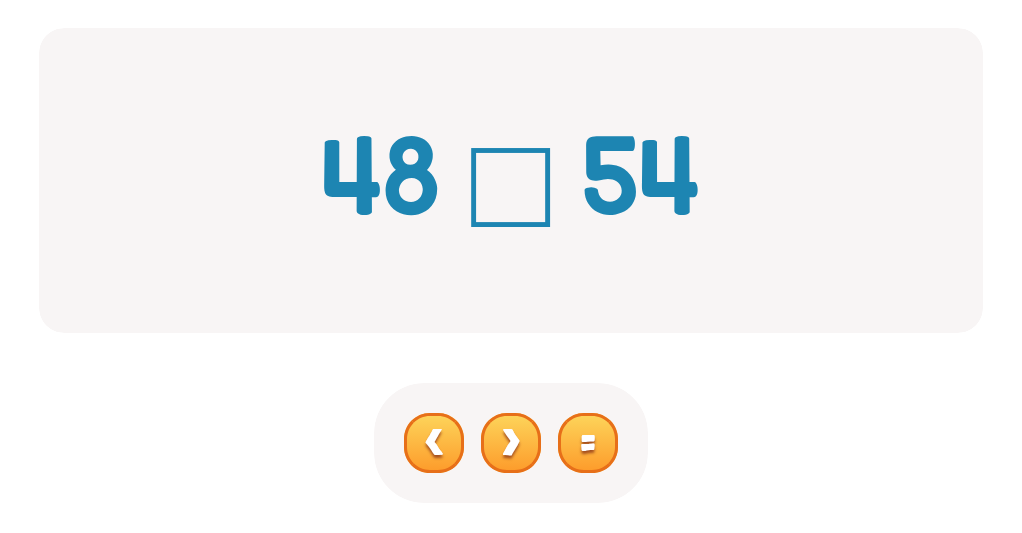
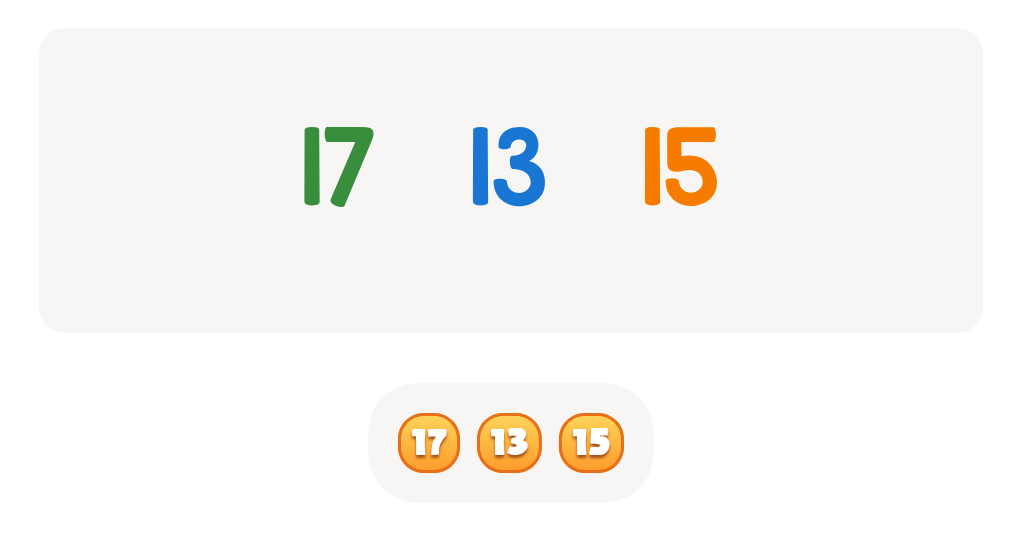
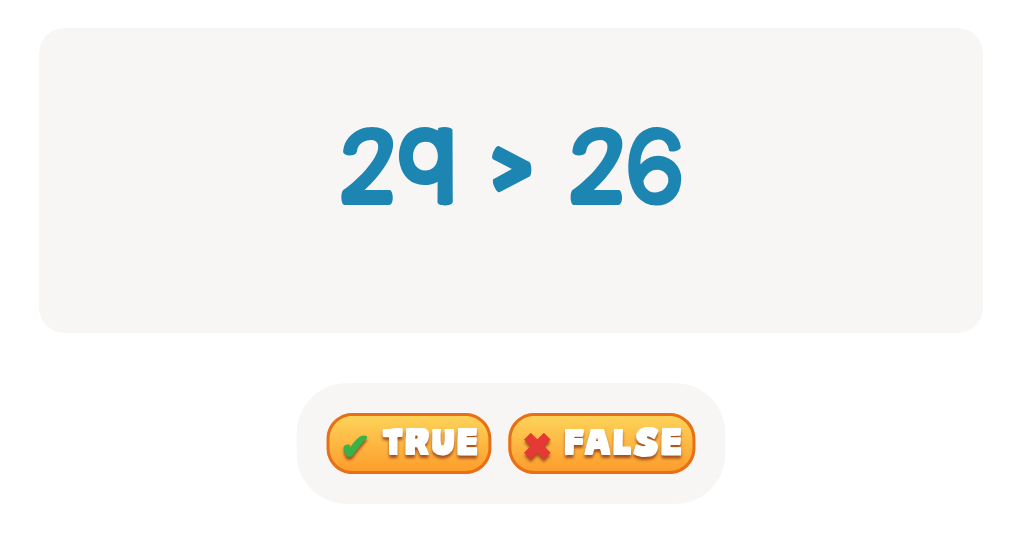
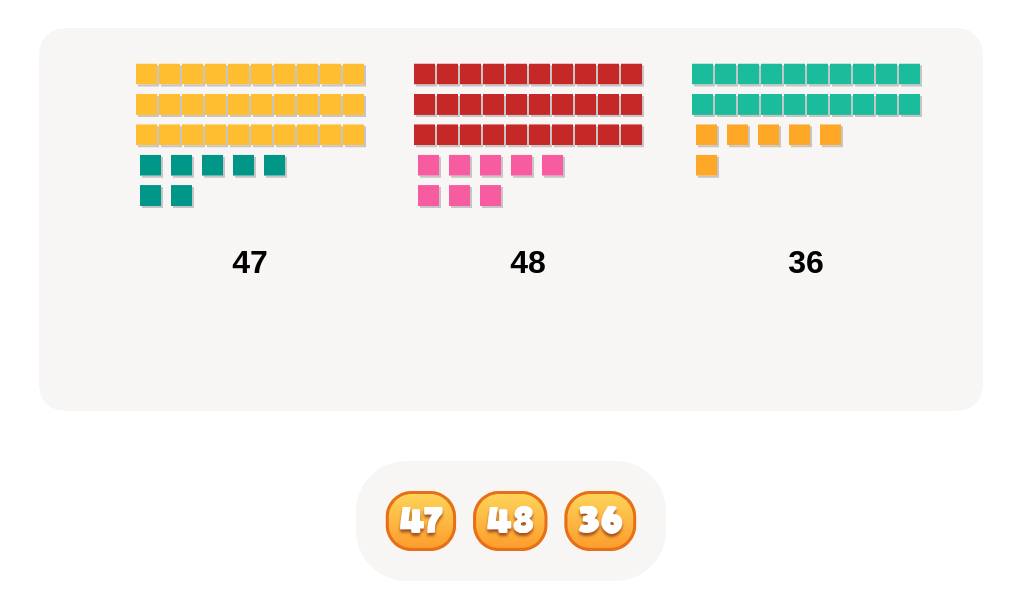
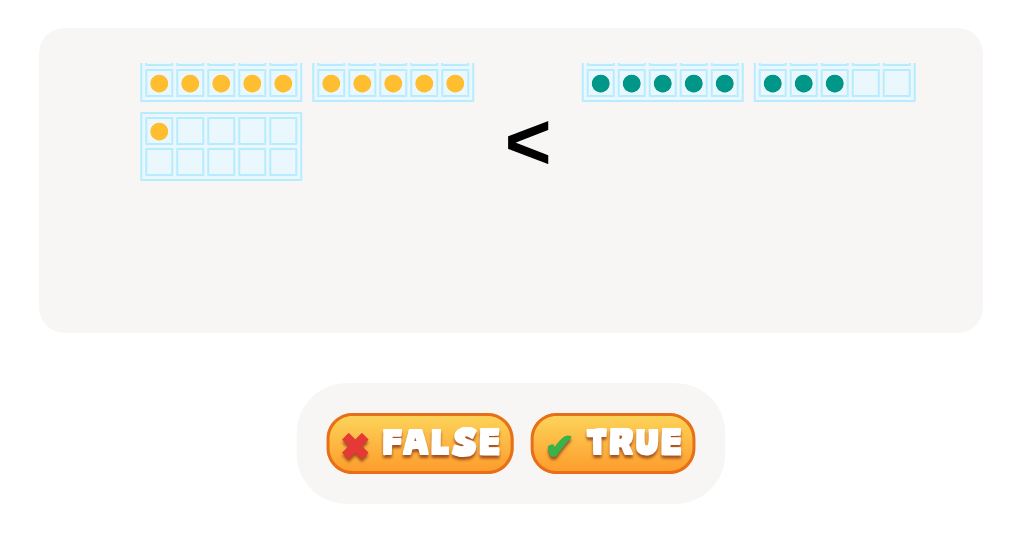
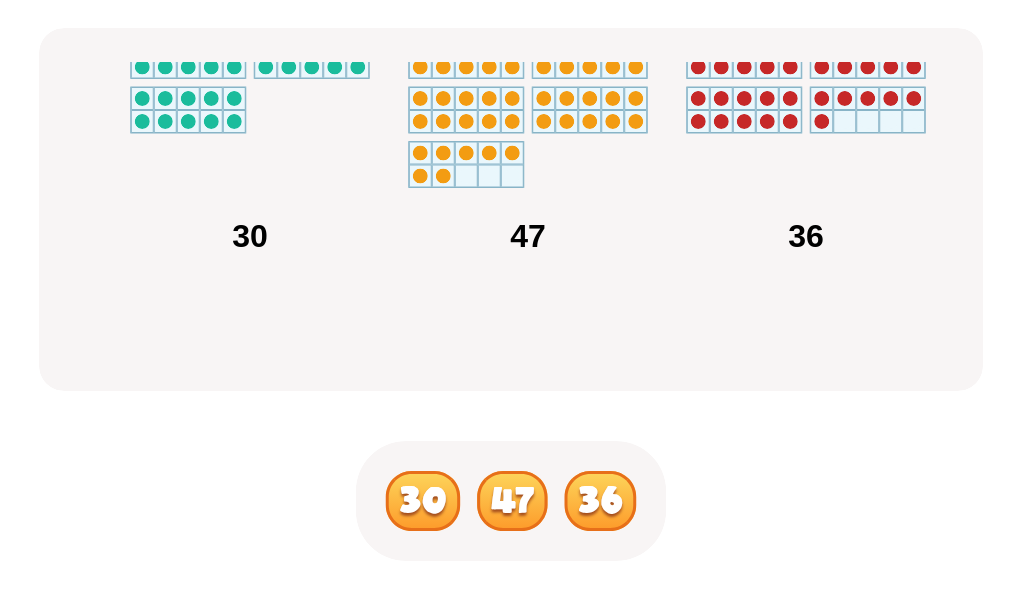
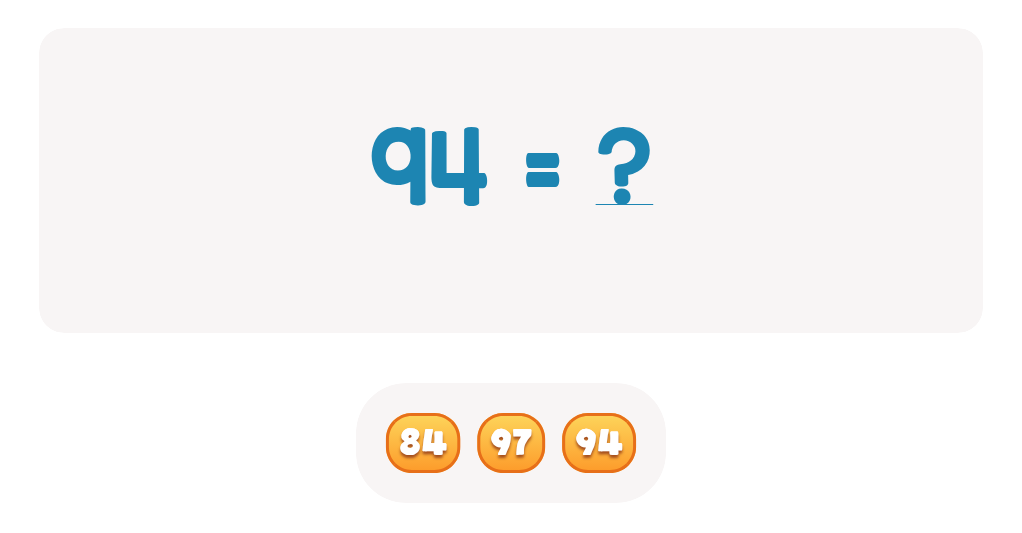








Comparing numbers is a fundamental mathematical skill that lays the groundwork for future learning in mathematics. For children ages 3-6, understanding how to compare numbers helps to develop their cognitive skills, including critical thinking and analytical reasoning. At this young age, children learn to recognize the concept of quantity, which can help them understand the world around them.
Parents and teachers should care about this skill because it supports essential literacy and numeracy development. Engaging children in activities that involve comparing numbers, such as counting objects, recognizing symbols (greater than, less than, equal to), and ordering numbers, builds a foundational number sense. This early exposure positively influences a child's confidence in mathematics, making them more likely to embrace challenging concepts as they move into formal education settings.
Additionally, comparing numbers can be integrated into everyday play and routines—making learning authentic and enjoyable. Utilizing games, visuals, and interactive activities captures children's attention and encourages participation. When parents and teachers prioritize this aspect of learning, they not only improve mathematical understanding but also nurture a child's overall growth, allowing them to succeed academically and build a passion for learning.