Number Recognition Comparing Numbers Worksheets for Ages 3-6
5 filtered results
-
From - To
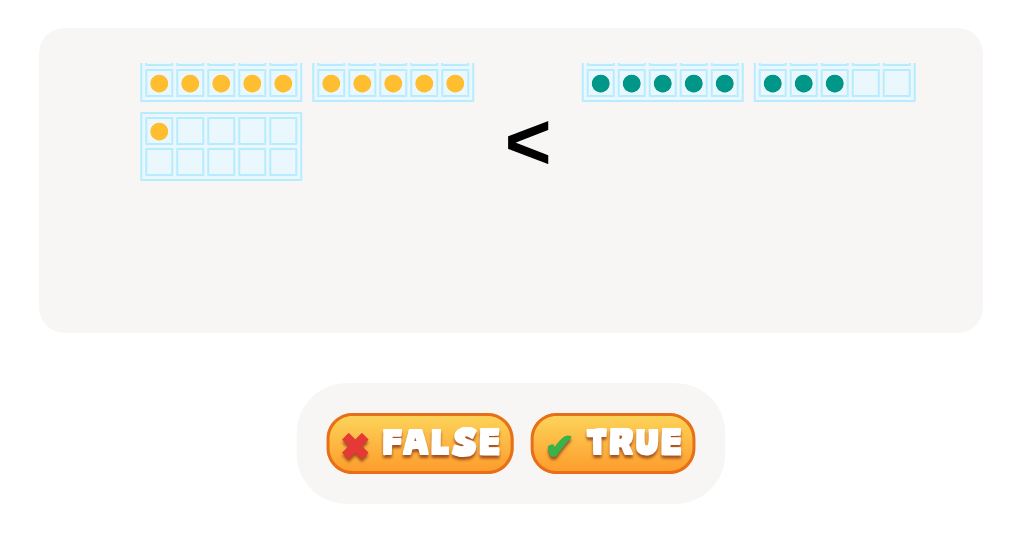
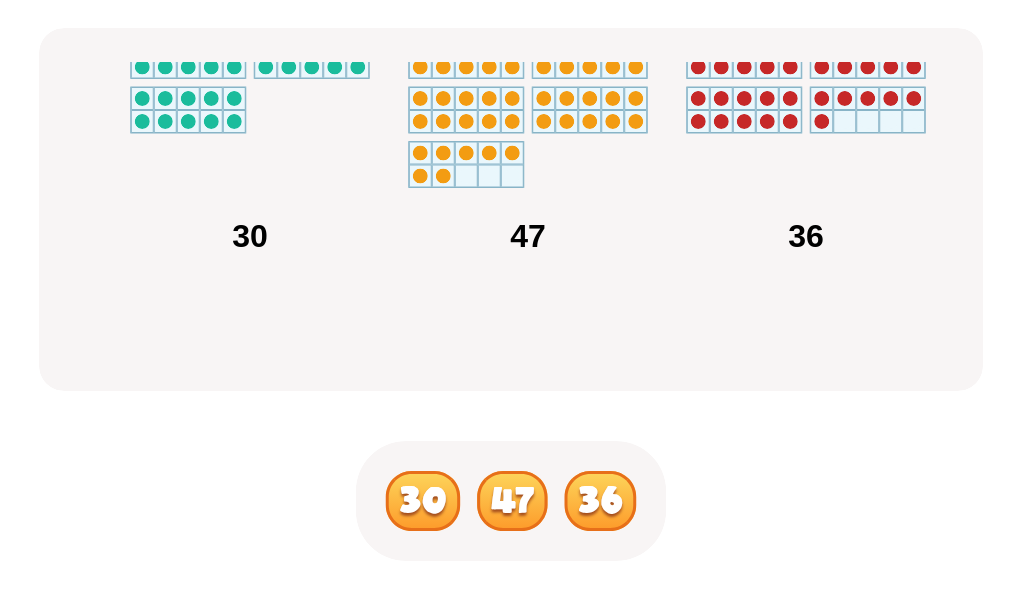
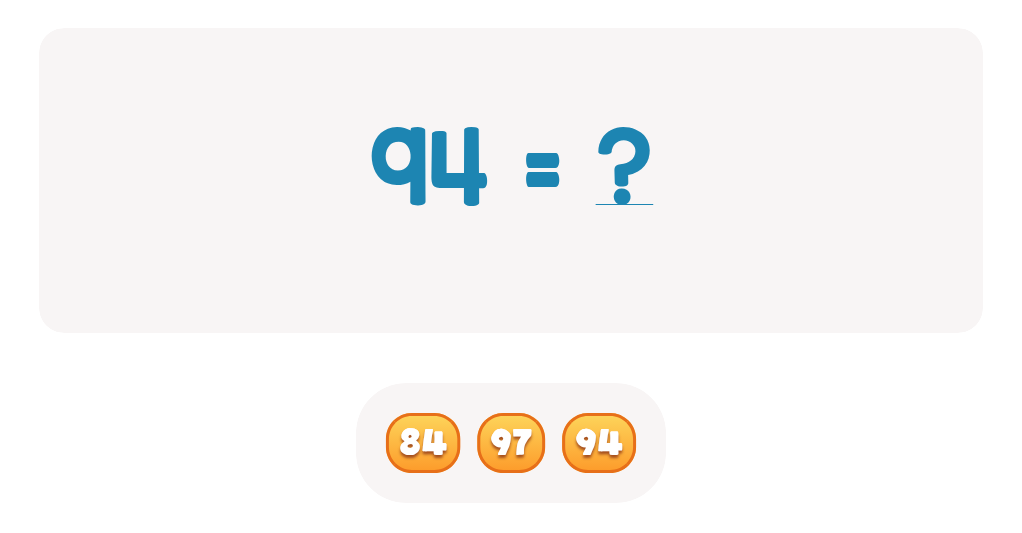
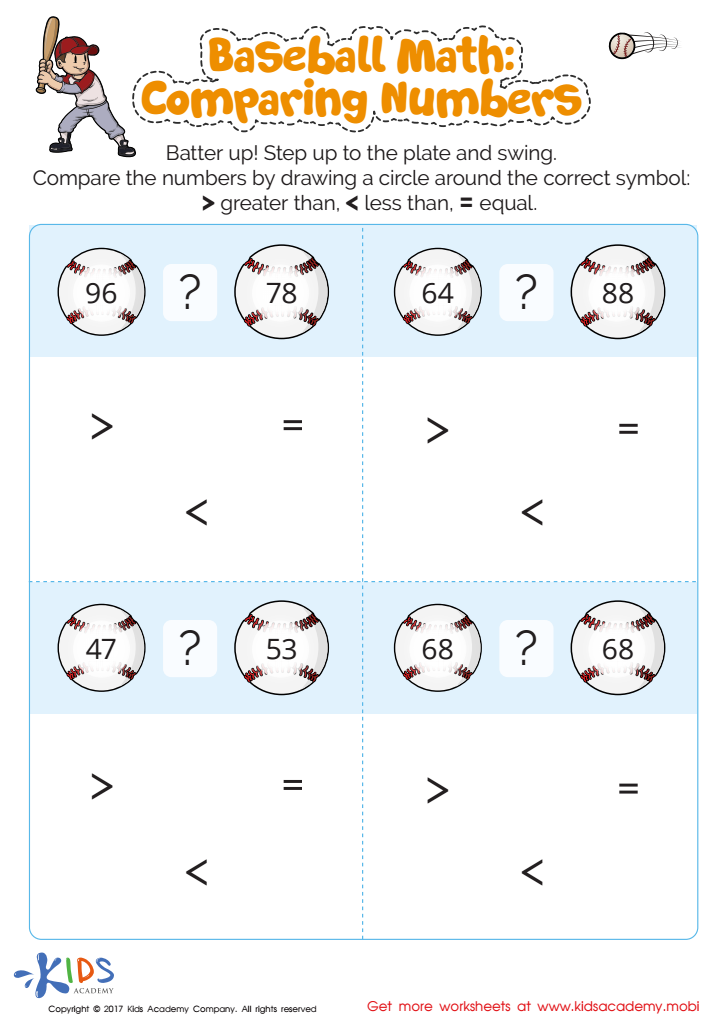
Welcome to our engaging Number Recognition Comparing Numbers Worksheets designed specifically for children aged 3 to 6! These worksheets are perfect for developing essential early math skills, allowing young learners to identify, compare, and understand numbers visually. With vibrant illustrations and fun activities, kids will enjoy playing with numbers while enhancing their visual recognition and critical thinking abilities. Each worksheet encourages children to practice comparing quantities, fostering a foundational understanding of greater than, less than, and equal to. Join us in making number learning an enjoyable experience! Download now and help your child build confidence in their number recognition skills.
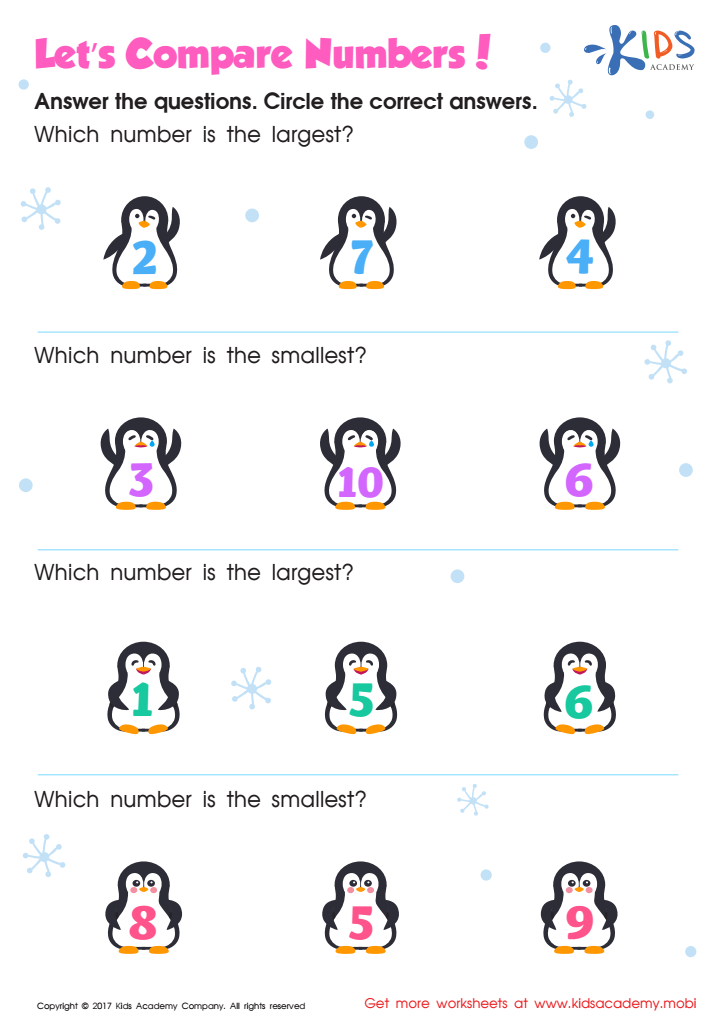
Comparing Numbers 1–10 Worksheet Kindergarten
 Assign to My Students
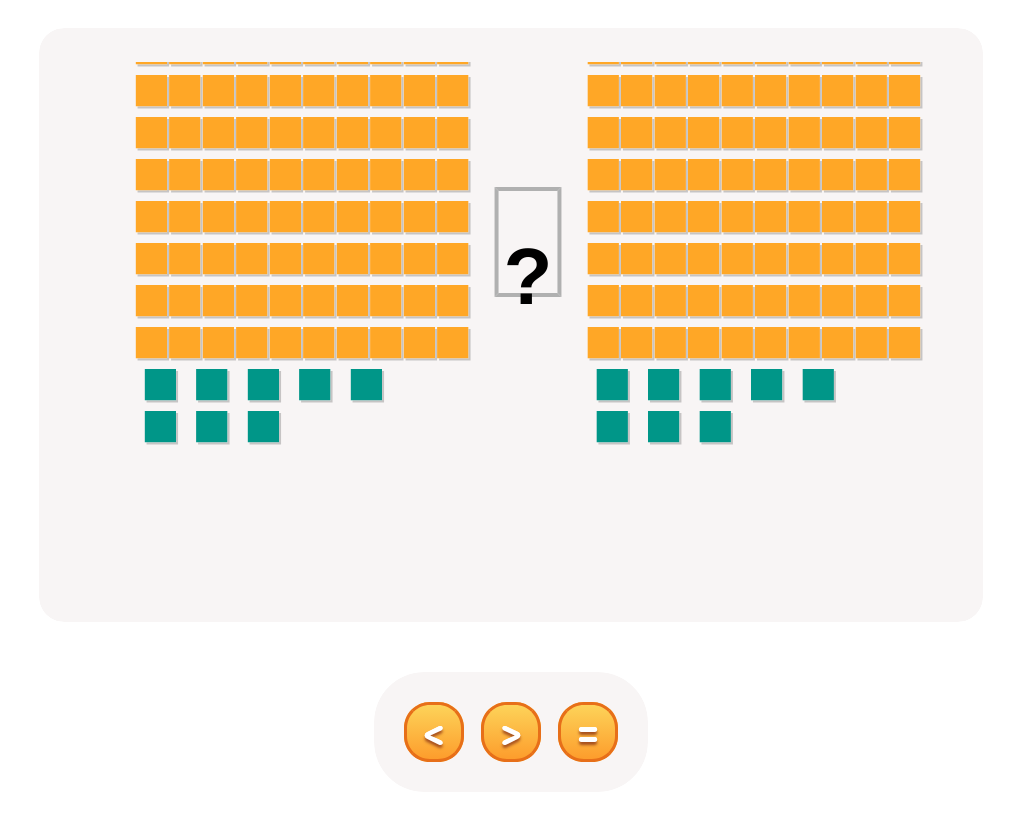

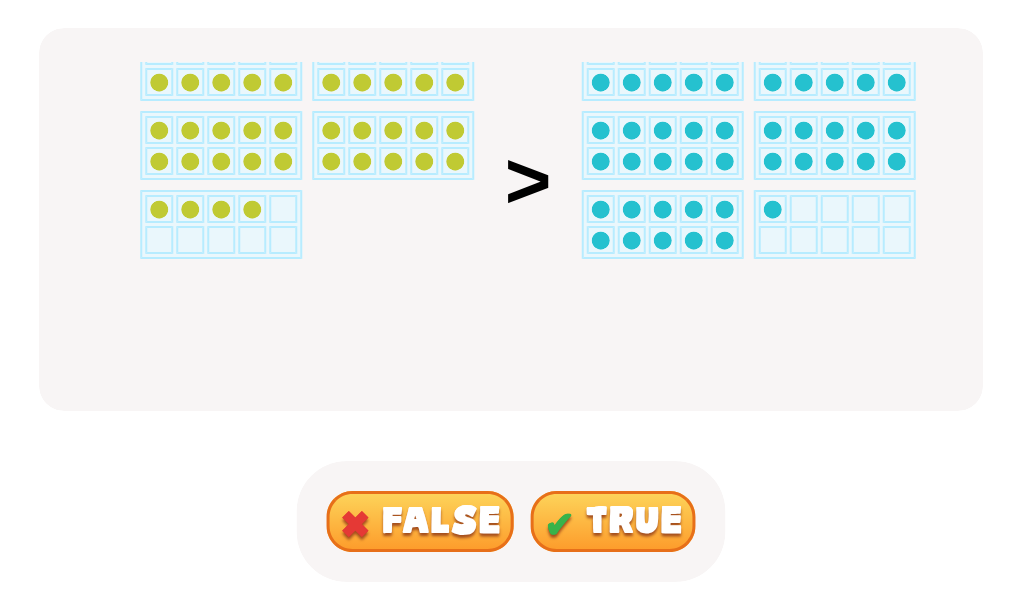
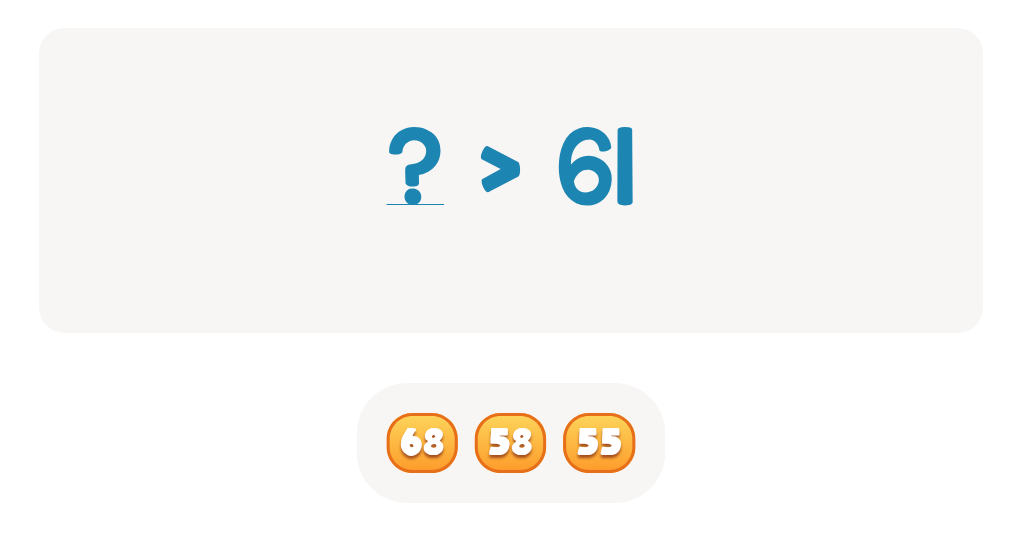
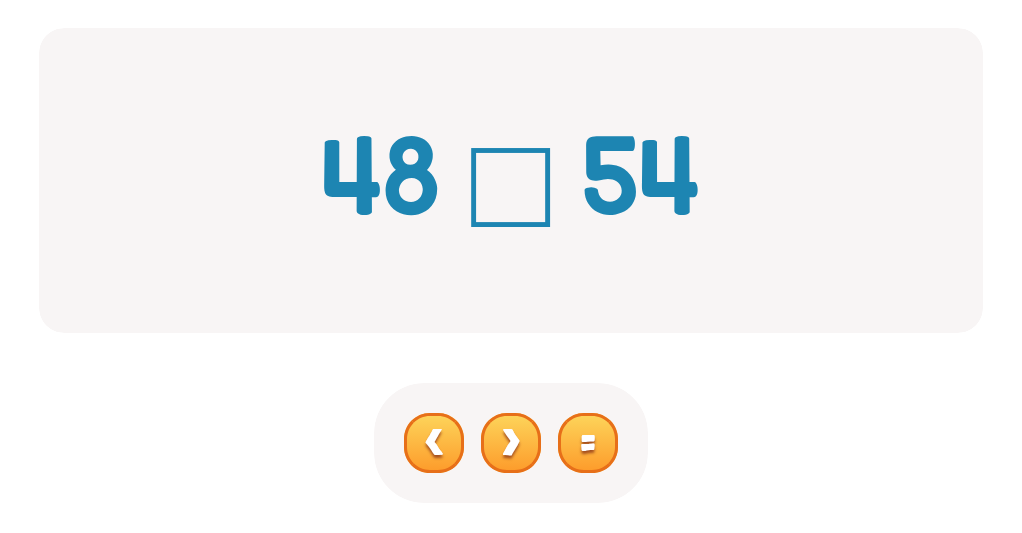
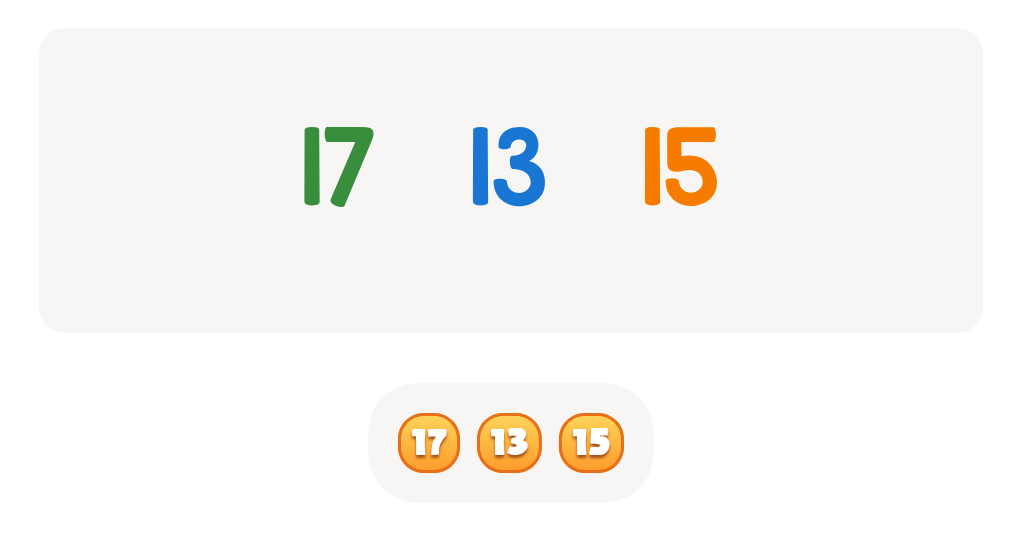
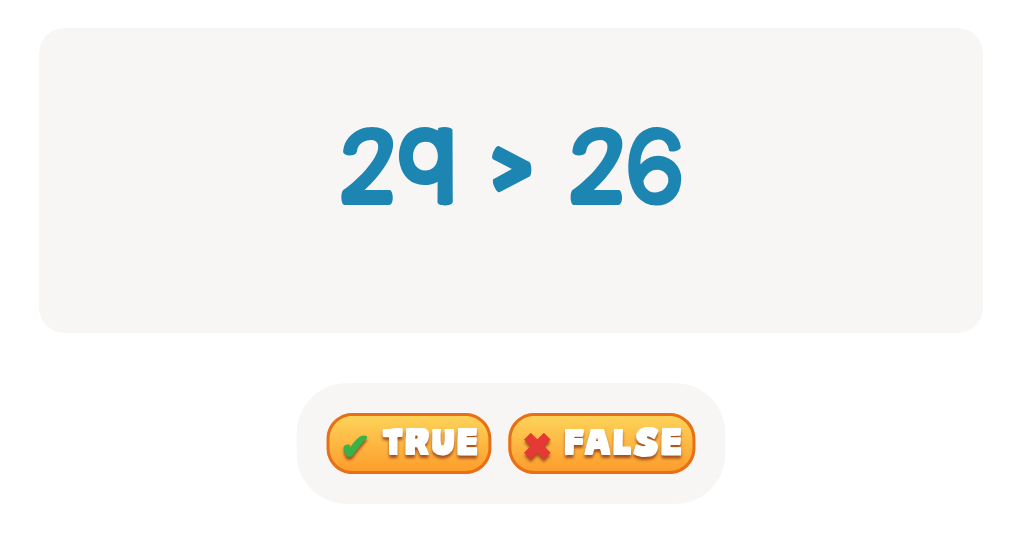
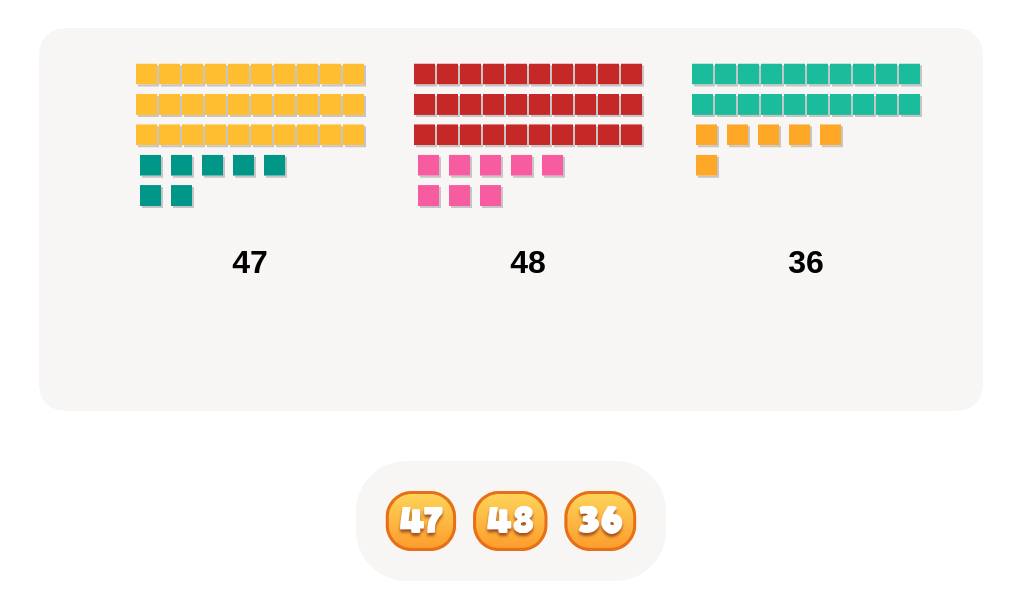
Compare Numbers Printable
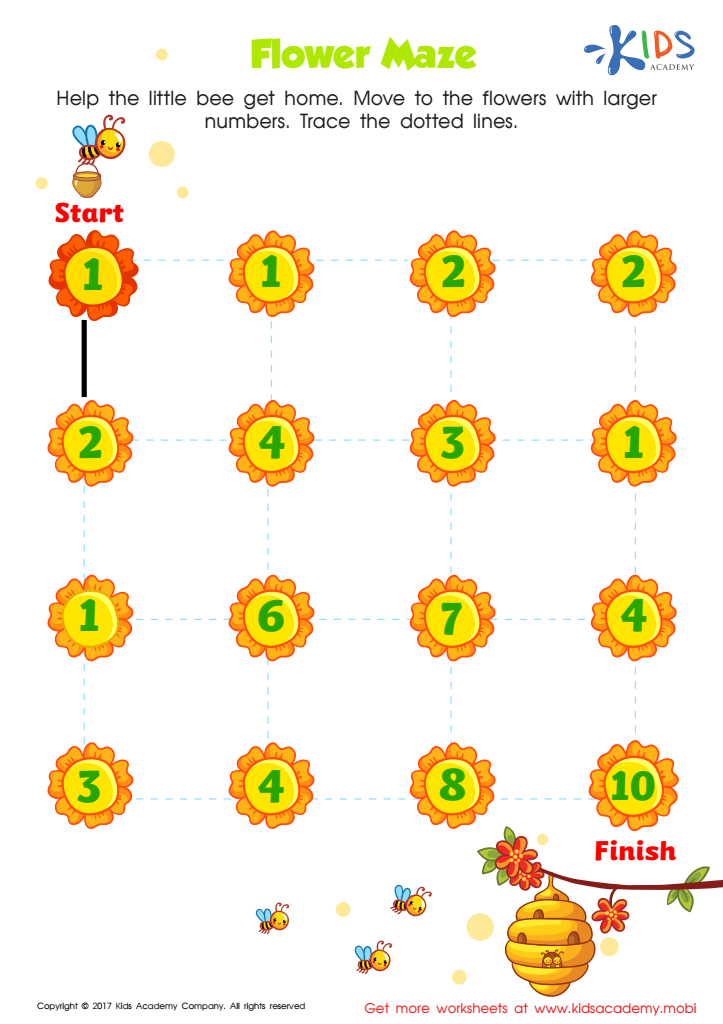
Number Maze For Kindergarten Printable
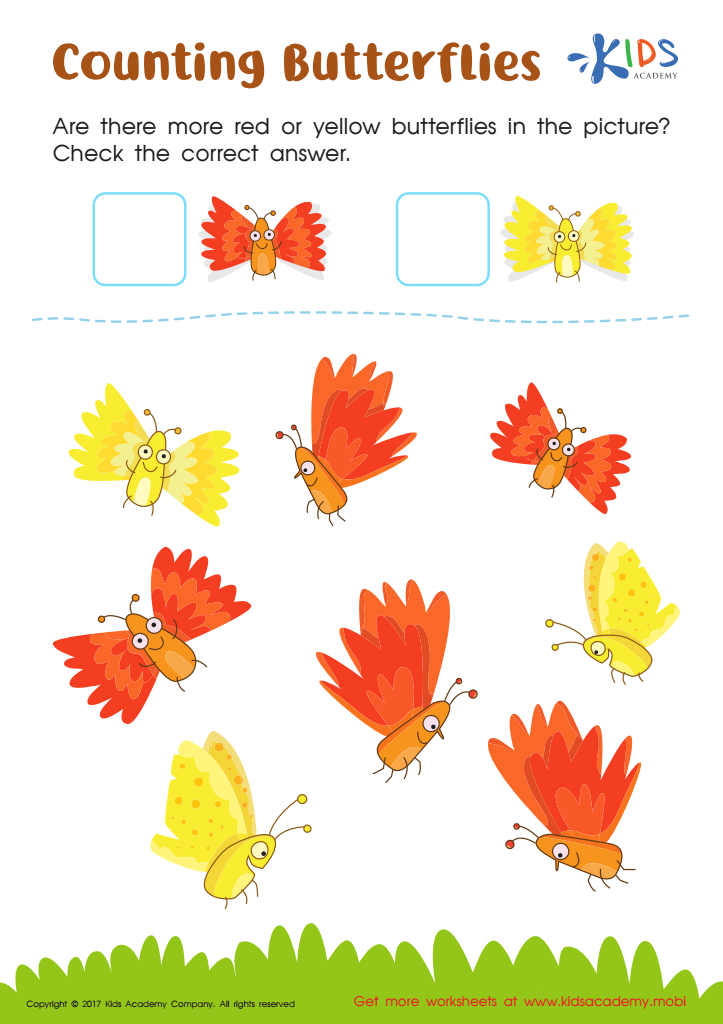
Counting Butterflies Worksheet
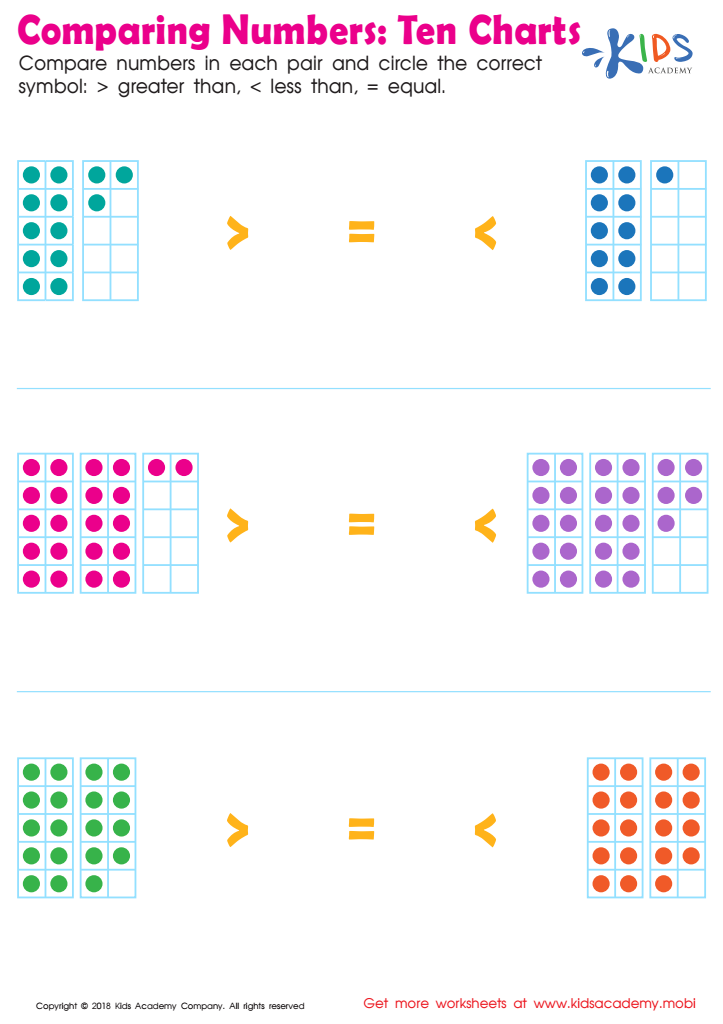
Ten Charts Worksheet








Number recognition and the ability to compare numbers are foundational skills that play a critical role in early childhood mathematics development. For children aged 3 to 6, mastering these concepts is essential for fostering mathematical understanding. Parents and teachers should prioritize these skills for several reasons.
Firstly, number recognition is the gateway to more complex mathematical concepts. It allows young learners to identify and understand numerical symbols, facilitating basic counting and operations. A solid grasp of numbers helps in understanding quantity, addition, subtraction, and eventually more advanced math skills.
Secondly, the ability to compare numbers—understanding concepts like “more” and “less”—is vital for problem-solving and critical thinking. It aids children in making decisions based on quantity, which is a key aspect of everyday life.
Moreover, early exposure to these skills promotes confidence and positive attitudes towards math. When children feel competent in their numerical abilities, they are more likely to engage with math activities, enhancing their overall cognitive development.
Finally, fostering these skills encourages parental involvement and reinforces the vital role that a nurturing learning environment plays in a child’s education. Engaging in number recognition and comparison together can strengthen the parent-child bond while laying a robust foundation for lifelong mathematical understanding.








