Basic Addition Numbers Worksheets for Ages 3-6
38 filtered results
-
From - To
Welcome to our Basic Addition Numbers Worksheets for Ages 3-6! These engaging and colorful worksheets are designed to introduce young learners to the fundamentals of addition in a fun and interactive way. Tailored for preschool and early elementary students, our resources help build essential math skills through playful exercises that make learning enjoyable. Each worksheet features easy-to-follow instructions, encouraging children to practice basic addition by using visual aids and games. Perfect for home or classroom use, our worksheets foster confidence and a love for math in early learners. Start your child’s addition journey today and watch them thrive!
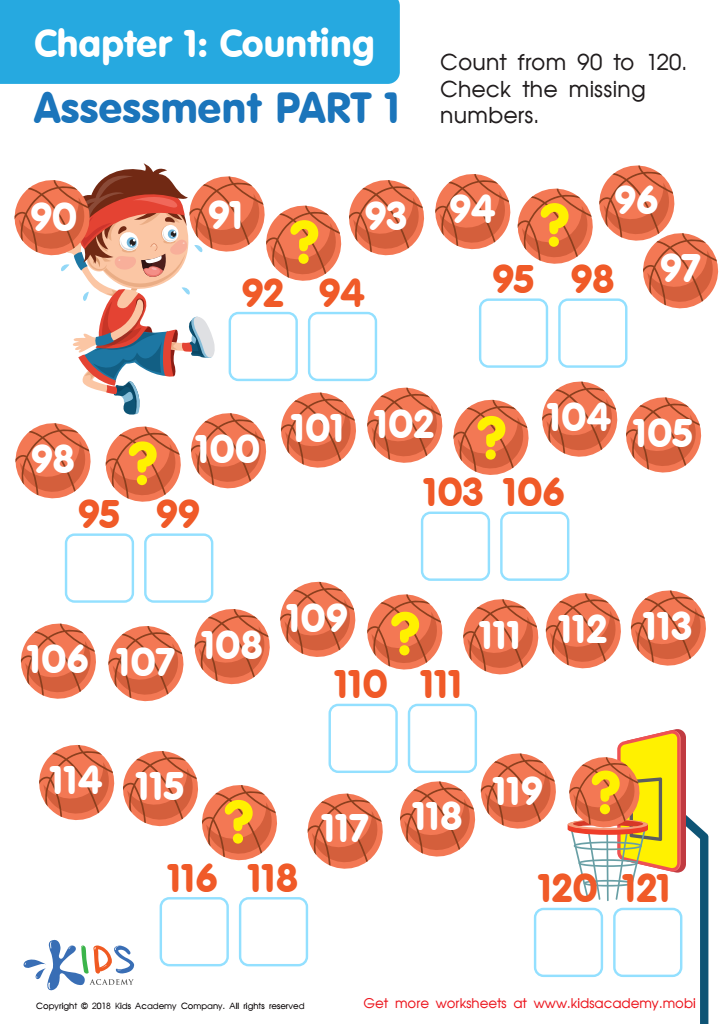
Counting Past 1: Assessment 1 Worksheet
 Assign to My Students
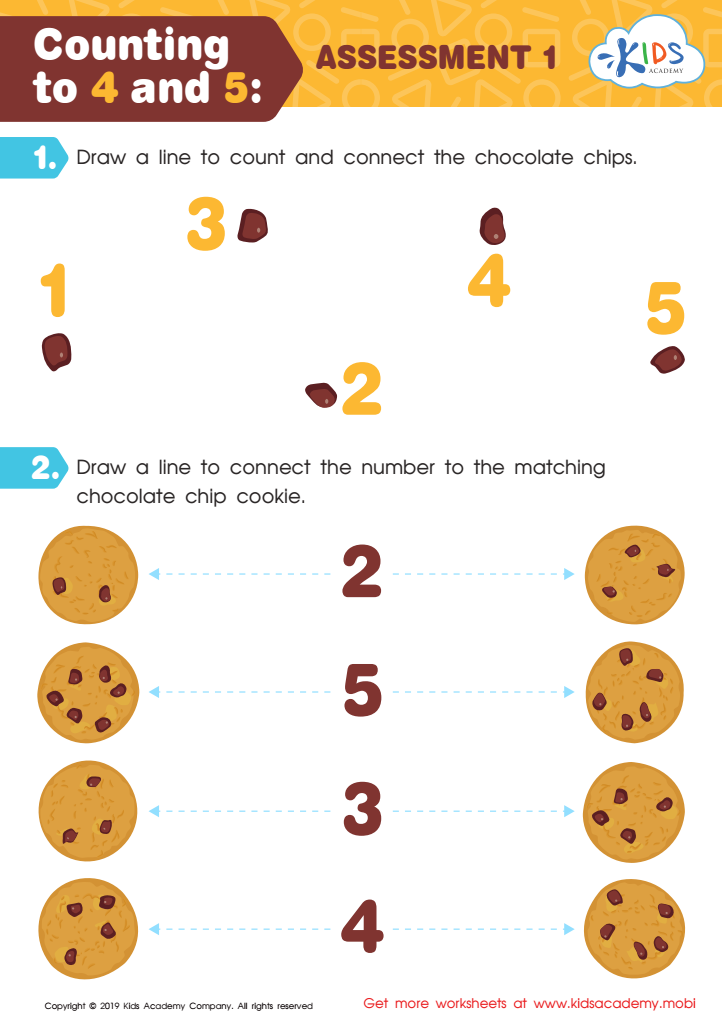
Counting to 4 and 5: Assessment 1 Worksheet
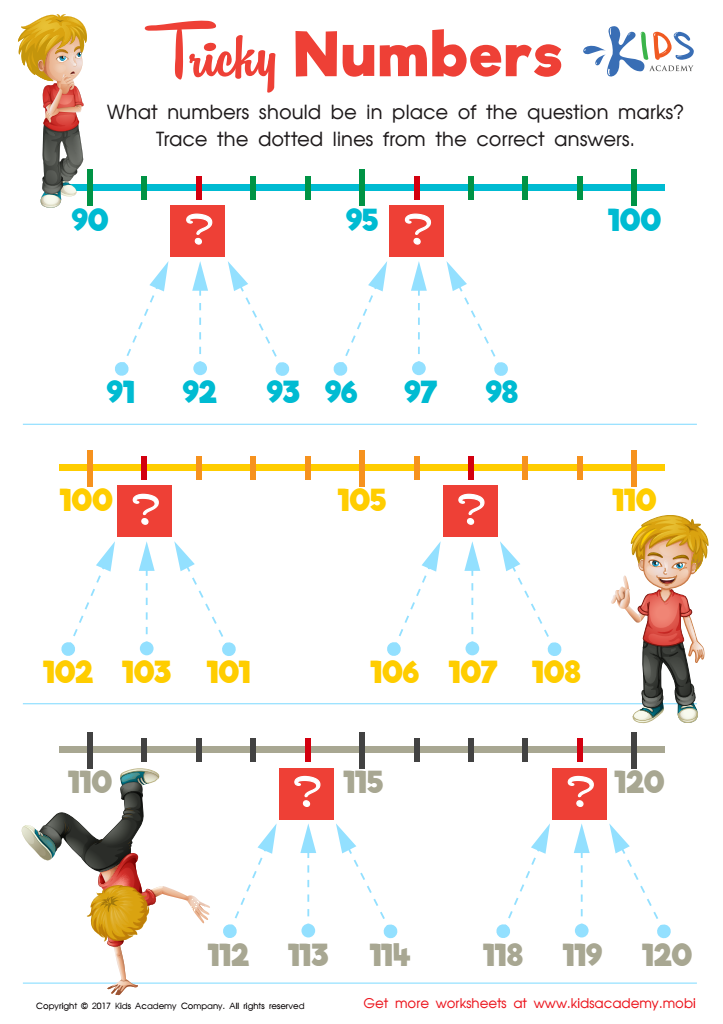
Tricky Numbers Worksheet
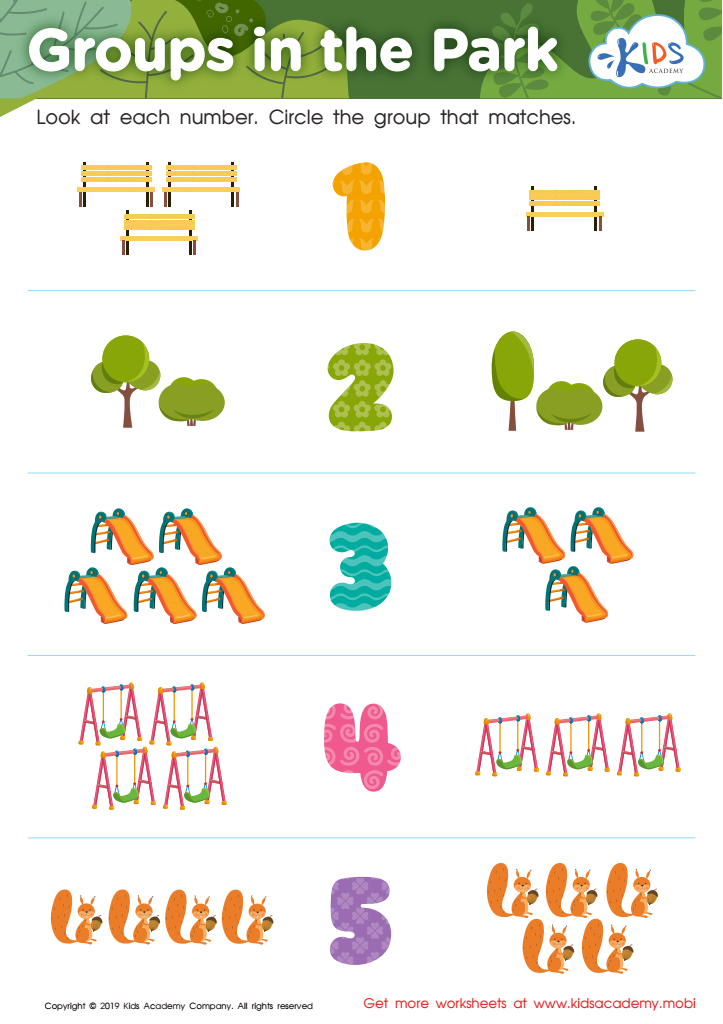
Groups in the Park Worksheet
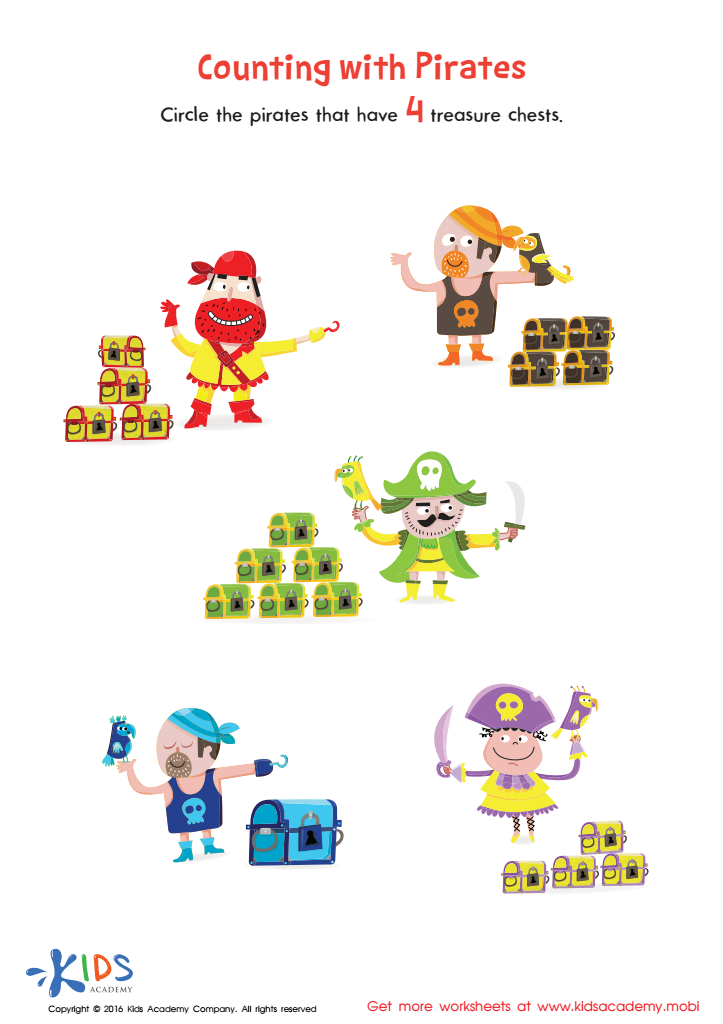
Counting With Pirates Worksheet
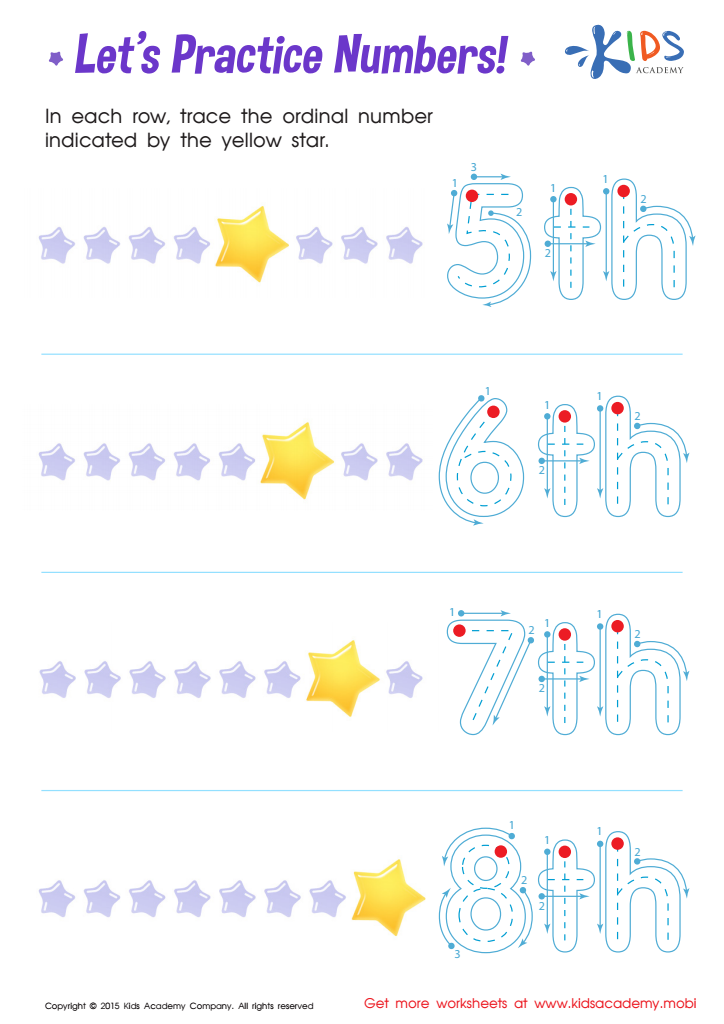
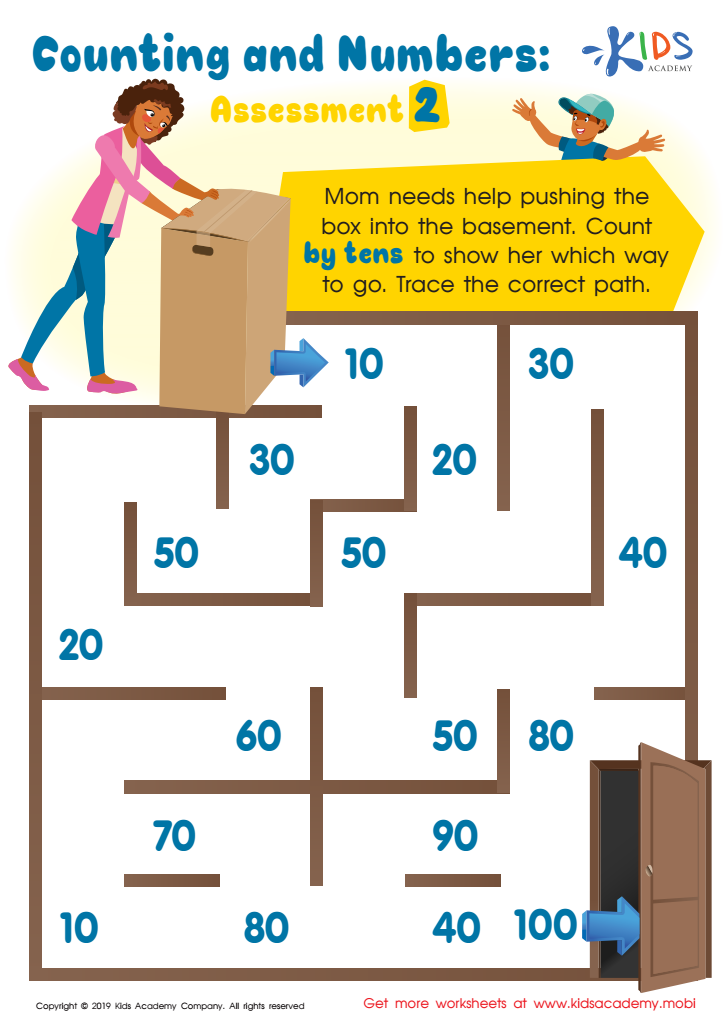
Counting and Numbers: Assessment 2 Worksheet
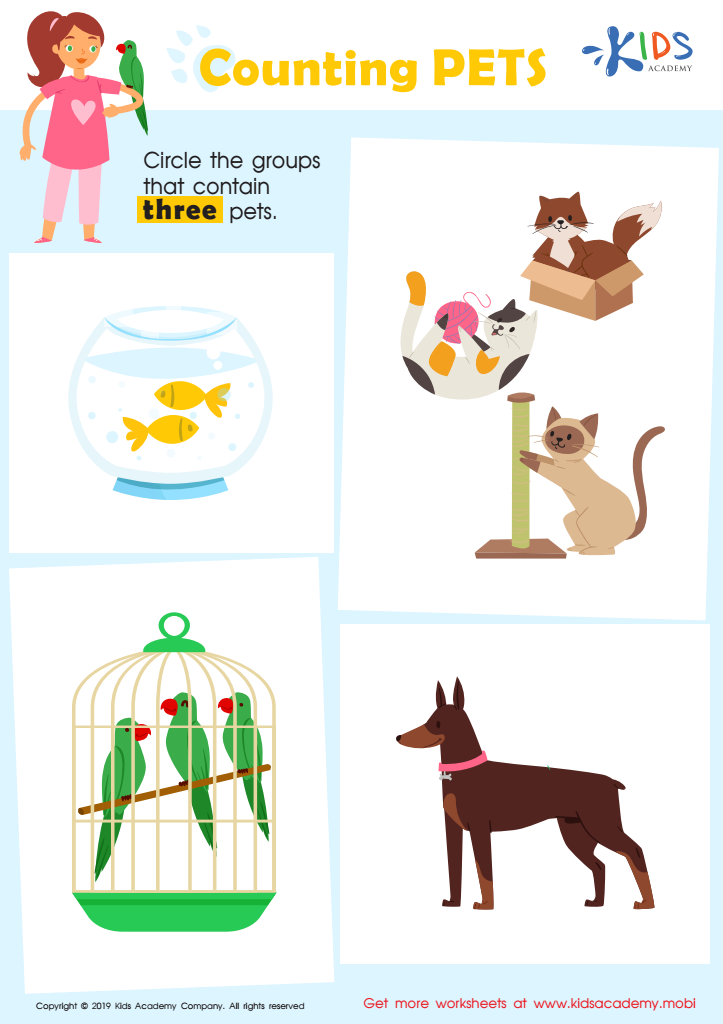
Counting Pets Worksheet
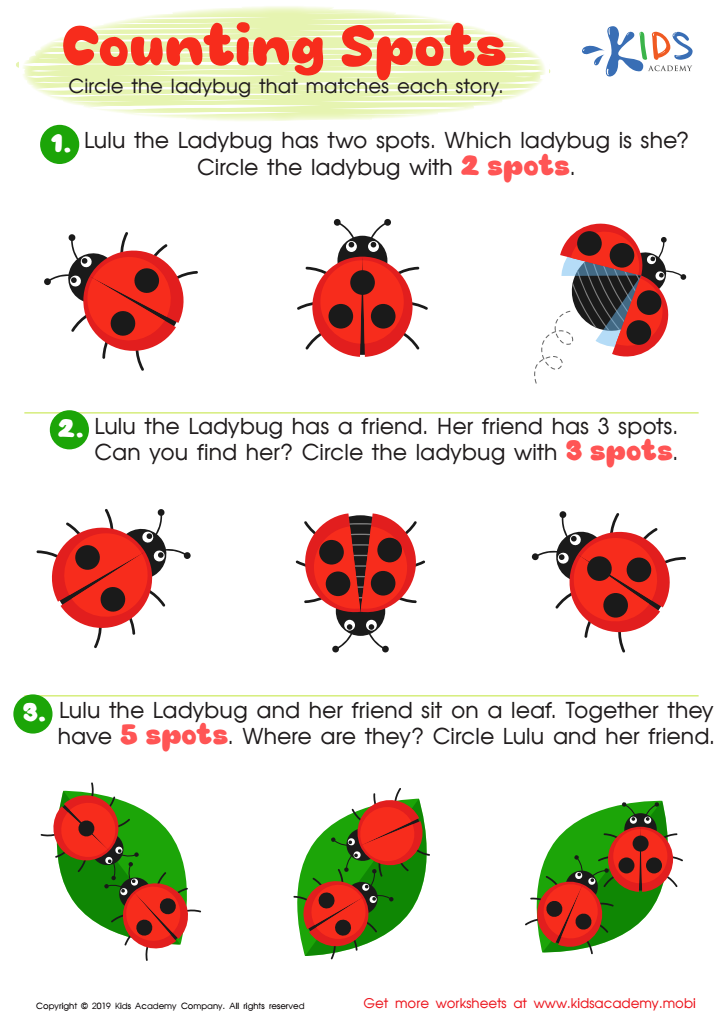
Counting Spots Worksheet
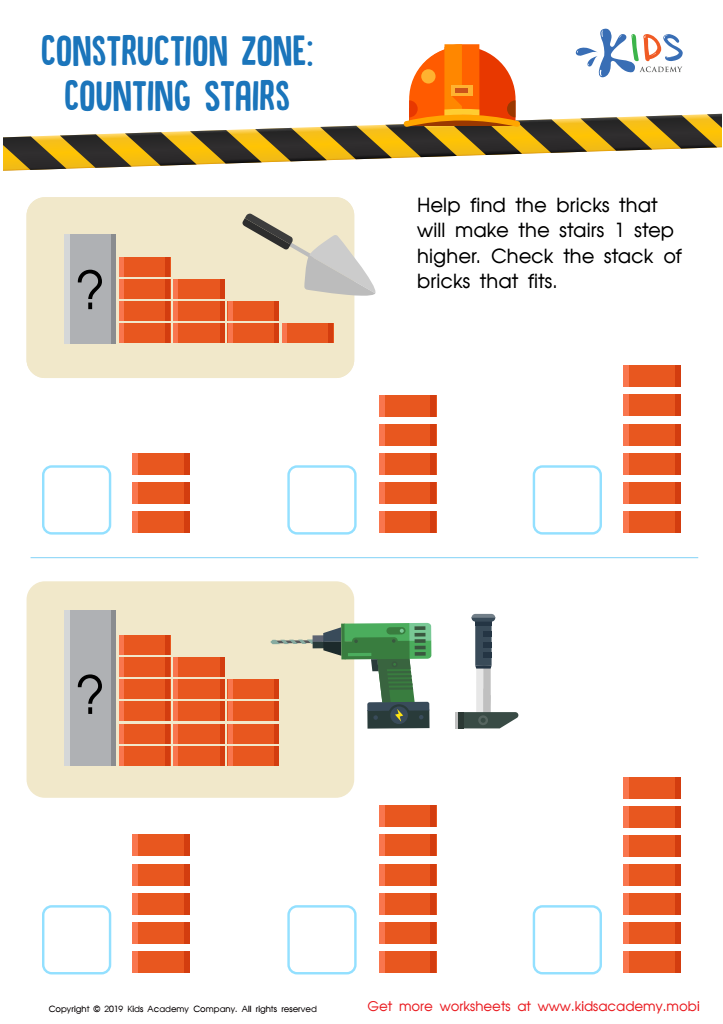
Construction Zone: Counting Stairs Worksheet
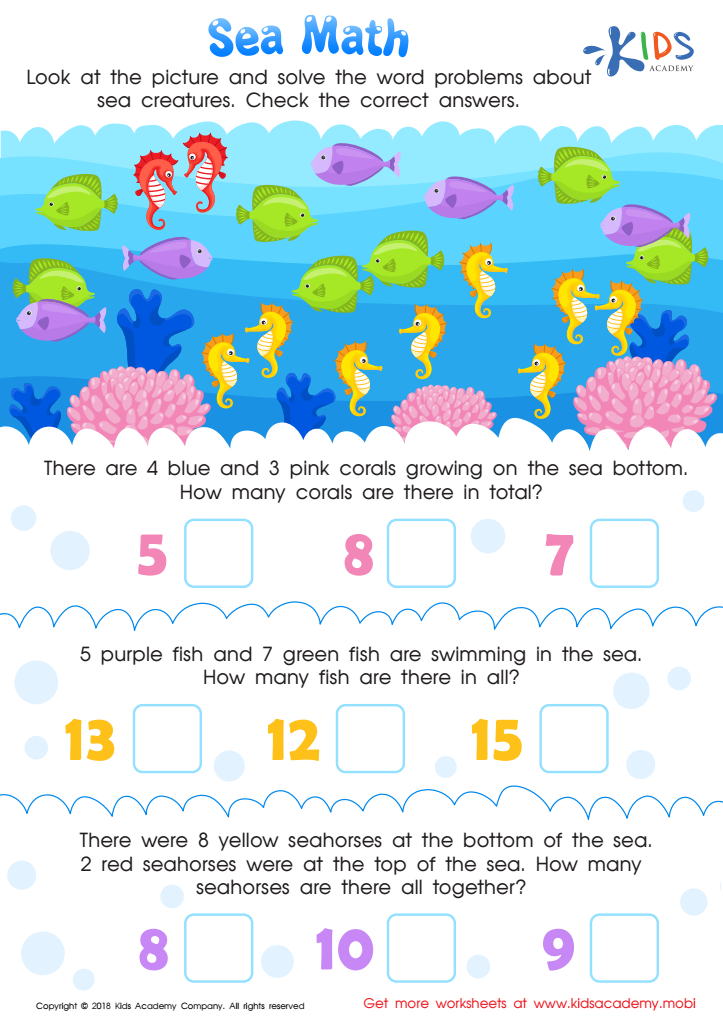
Sea Math Worksheet

Count the Deer Worksheet
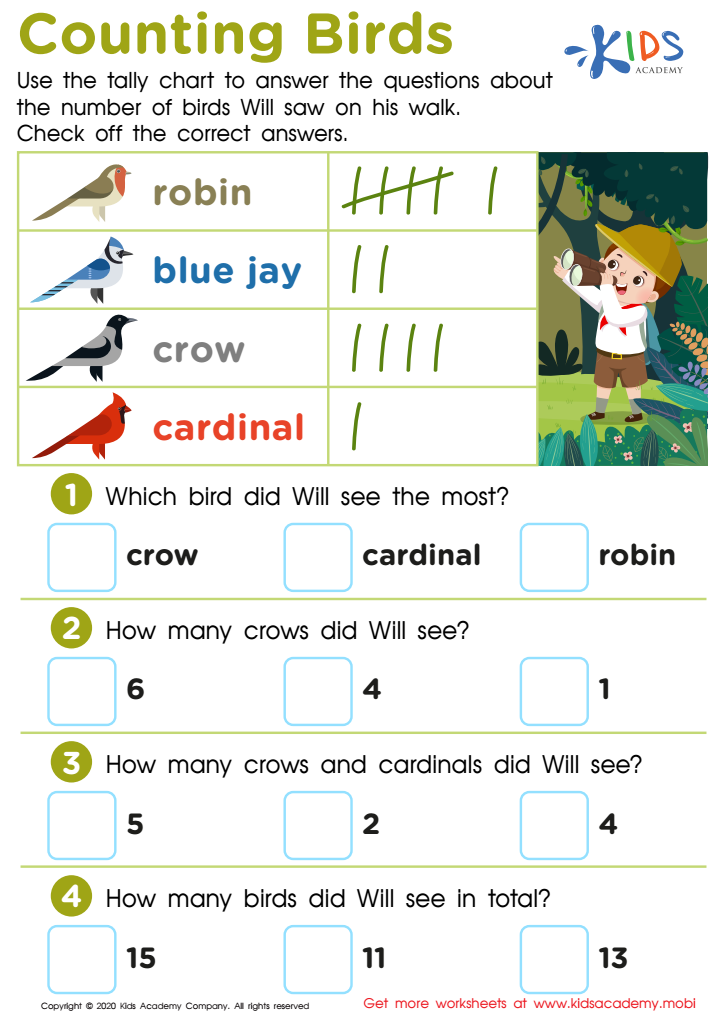
Counting Birds Worksheet
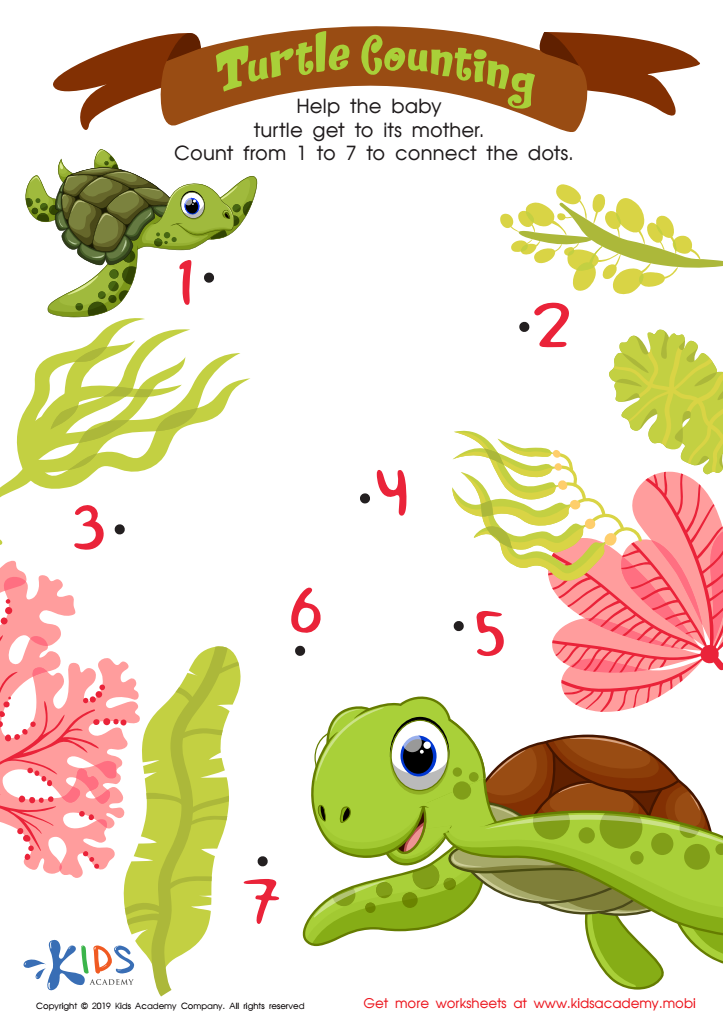
Turtle Counting Worksheet
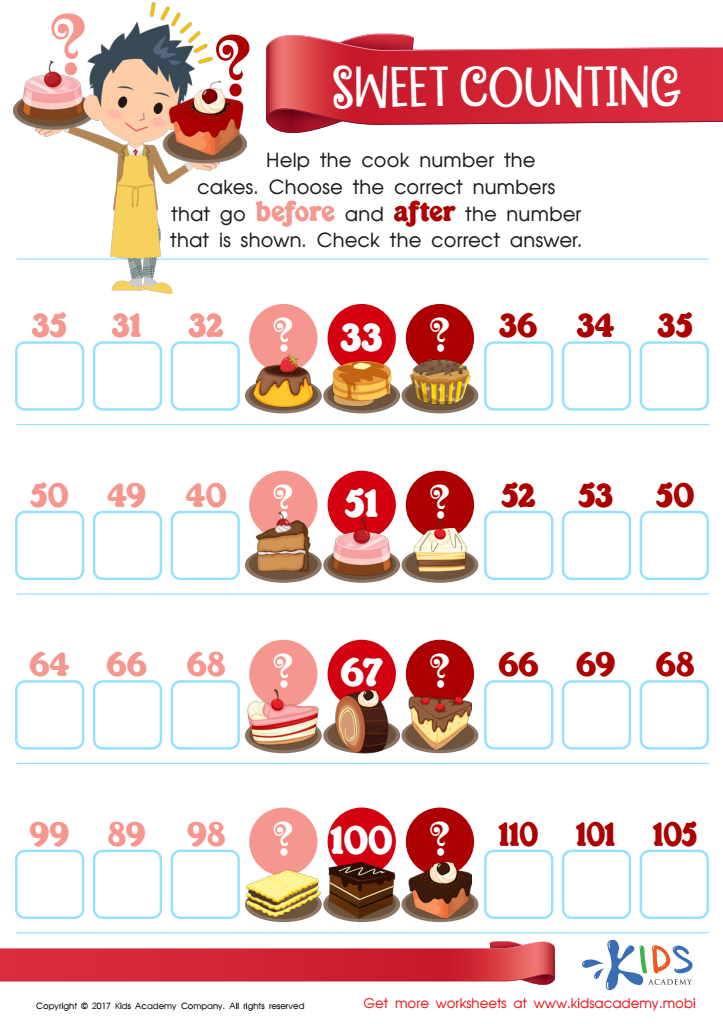
Sweet Counting - Part 1 Worksheet
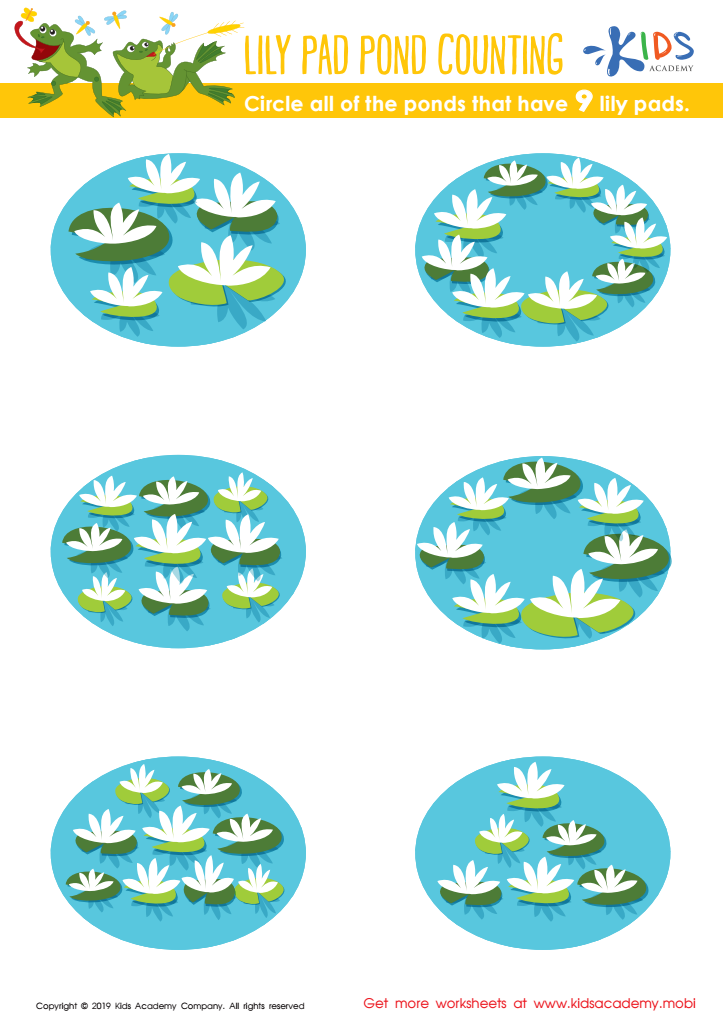
Lily Pad Pond Counting Worksheet
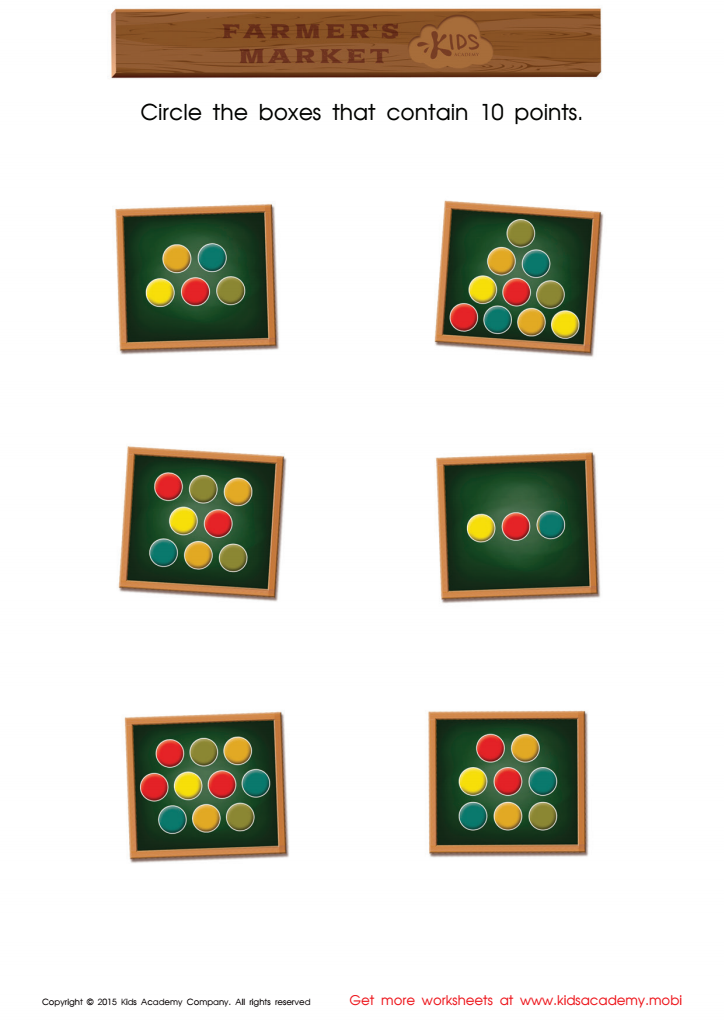
Count and Match Points 10 Math Worksheet
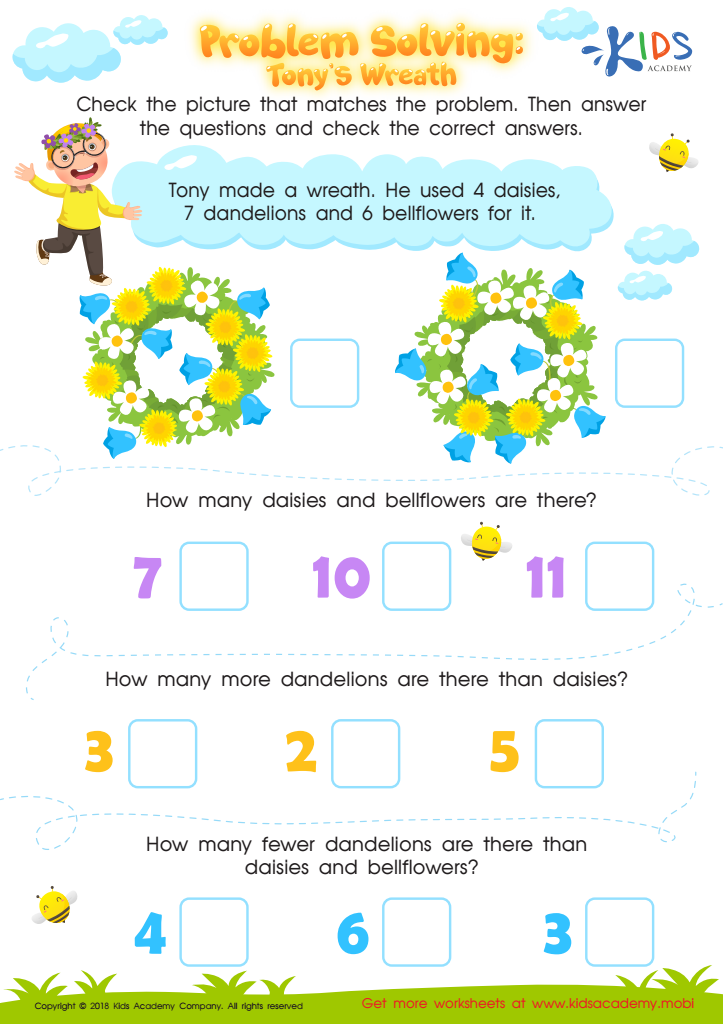
Problem Solving: Tony's Wreath Worksheet
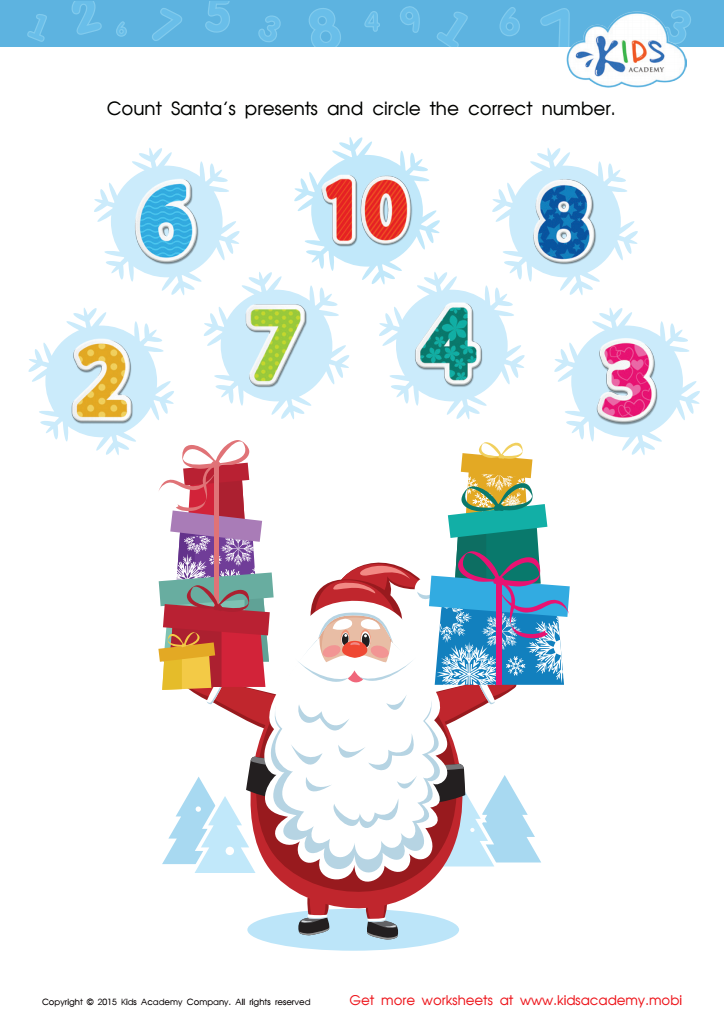
Count Santa's Presents Worksheet
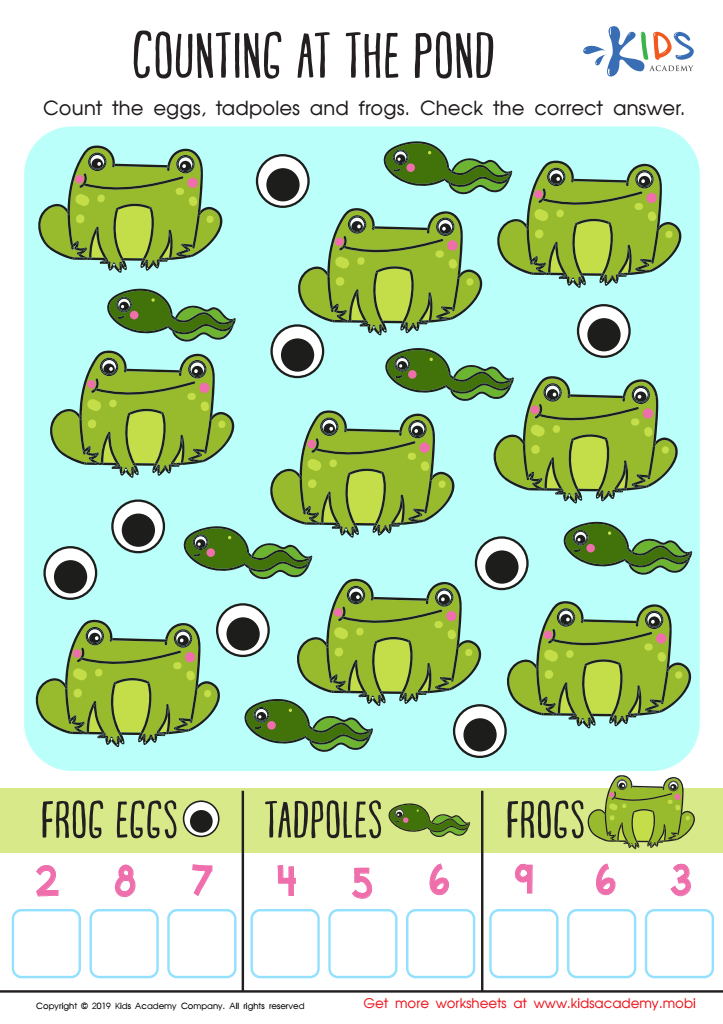
Counting at the Pond Worksheet
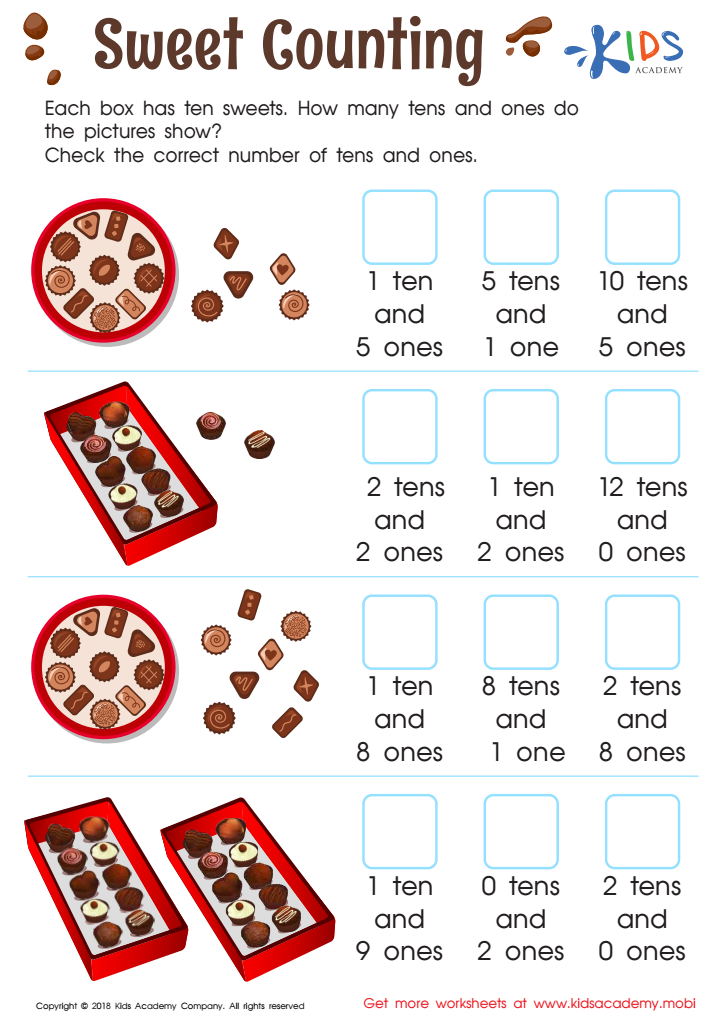
Sweet Counting - Part 2 Worksheet
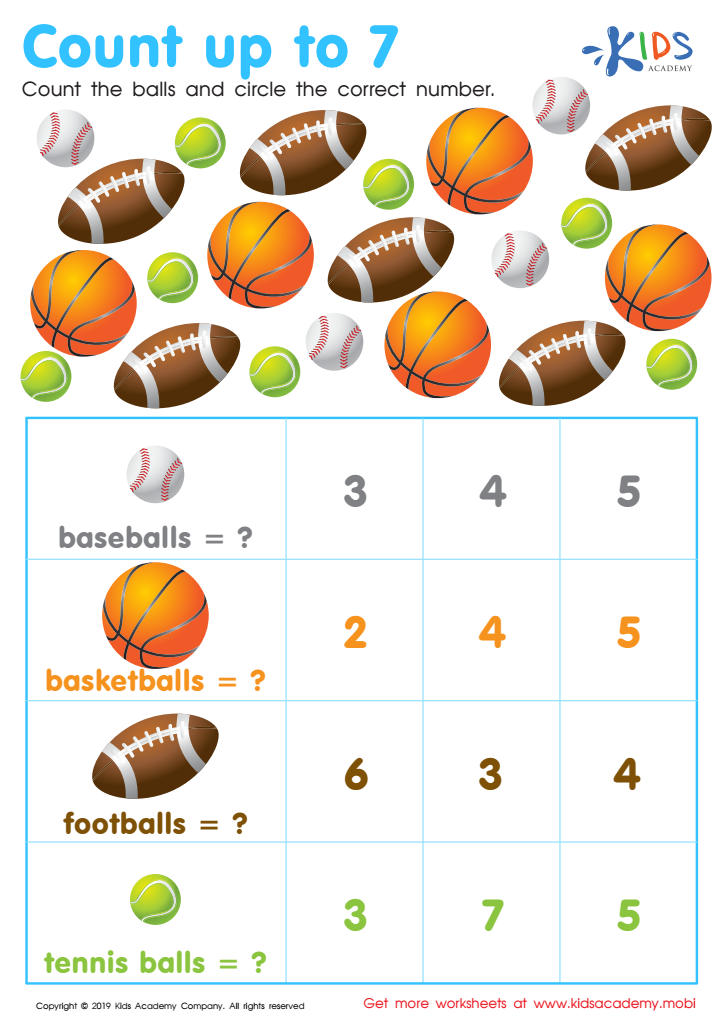
Count up to 7 Worksheet
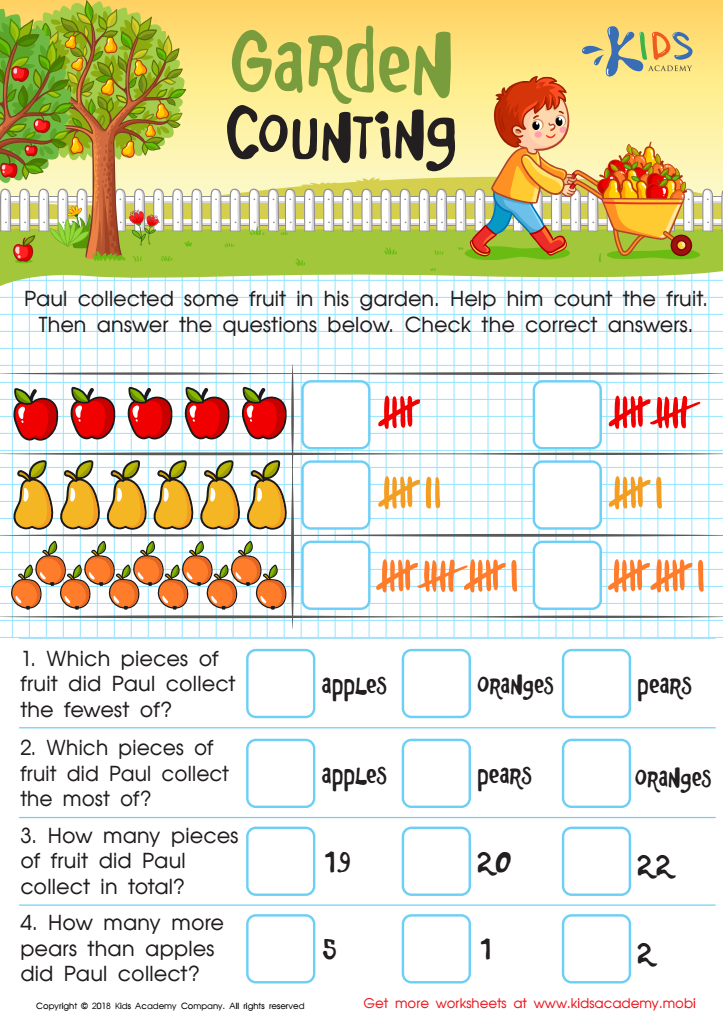
Garden Counting Worksheet
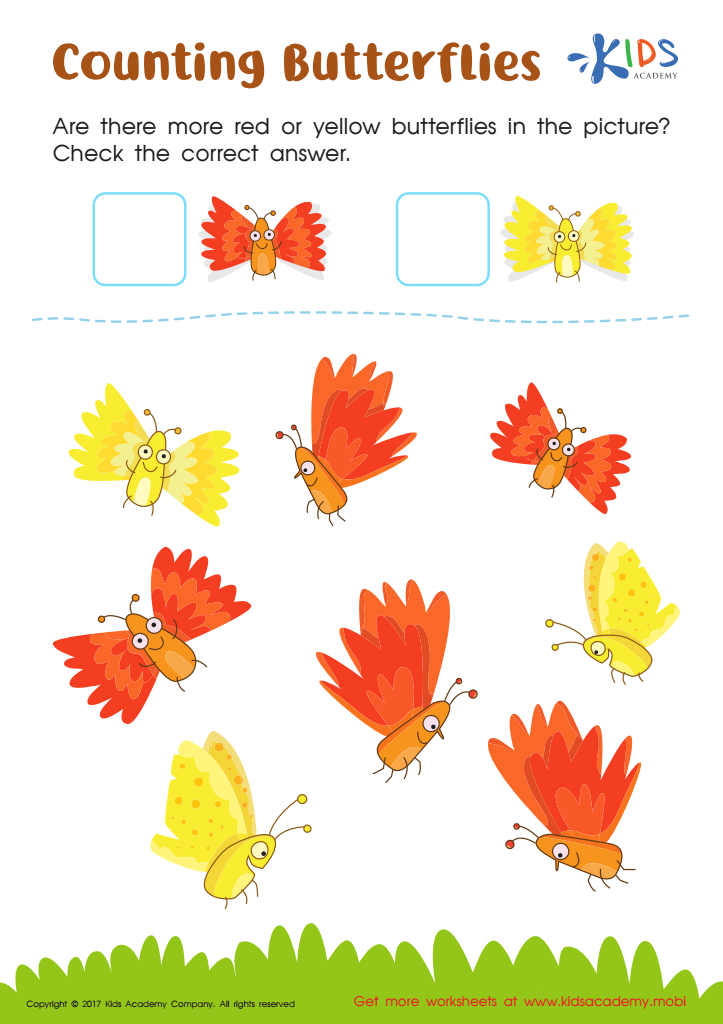
Counting Butterflies Worksheet




%20(1).jpg)



Basic addition skills are fundamental for children aged 3-6 as they lay the groundwork for future math understanding and cognitive development. During this critical period, children are highly receptive to learning through play and exploration. Familiarity with basic addition helps in developing their problem-solving skills, logical thinking, and understanding of relationships between numbers.
Early exposure to basic math, such as simple addition, aids in building confidence and encourages a positive attitude towards learning. Engaging parents and teachers in this process ensures a supportive learning environment, which is essential for children to thrive. Integrating addition into daily activities, like sharing snacks or counting toys, makes learning fun and relatable.
Moreover, these early skills contribute to stronger academic performance later in life. Understanding addition also ties into various life skills, including money management and measurement concepts. By prioritizing basic addition, parents and teachers can help ignite a lifelong love of learning in children, along with boosting their social maturity and communication skills through collaborative problem-solving activities.
In conclusion, nurturing basic addition skills is vital as it enhances not only mathematical abilities but also fosters overall developmental growth, preparing children for more complex concepts in the future.








