Basic addition practice Numbers Worksheets for Ages 3-6
5 filtered results
-
From - To
Welcome to our Basic Addition Practice Worksheets, specifically designed for children aged 3-6! Our engaging and interactive worksheets make learning basic addition fun and enjoyable for young learners. Featuring colorful illustrations and easy-to-follow exercises, these worksheets help kids develop essential math skills while building their confidence. Whether at home or in the classroom, our resources promote hands-on learning and are perfect for reinforcing early math concepts. Watch your little ones master the fundamentals of addition as they count, match numbers, and solve simple equations. Start exploring today to embark on a math adventure that cultivates a lifelong love for learning!
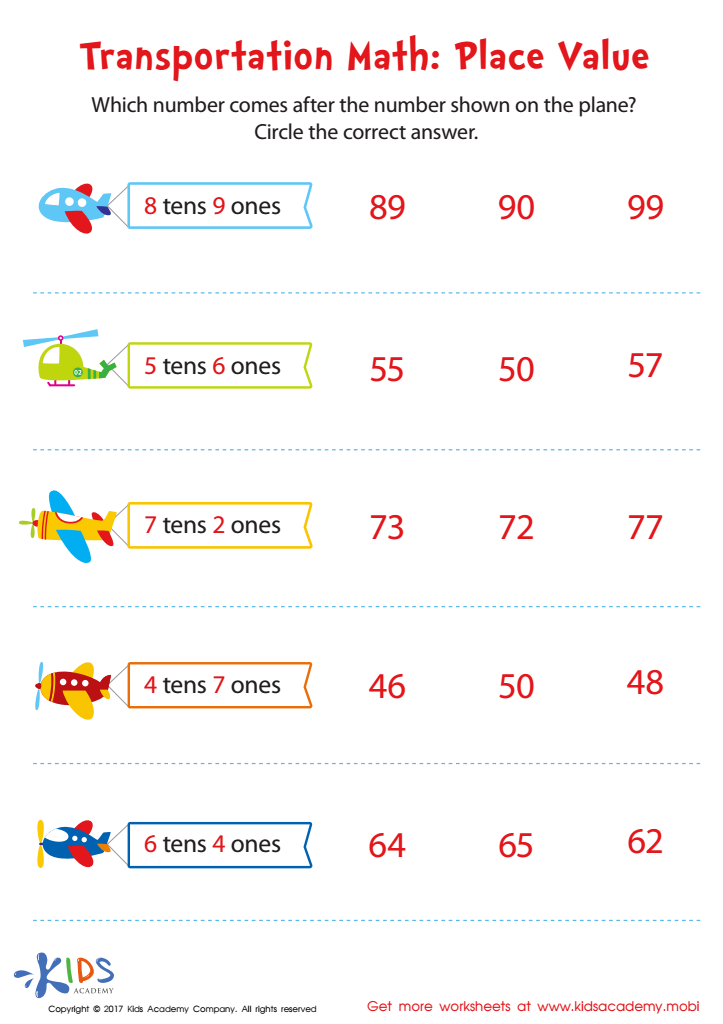
Transportation Math Printable
 Assign to My Students
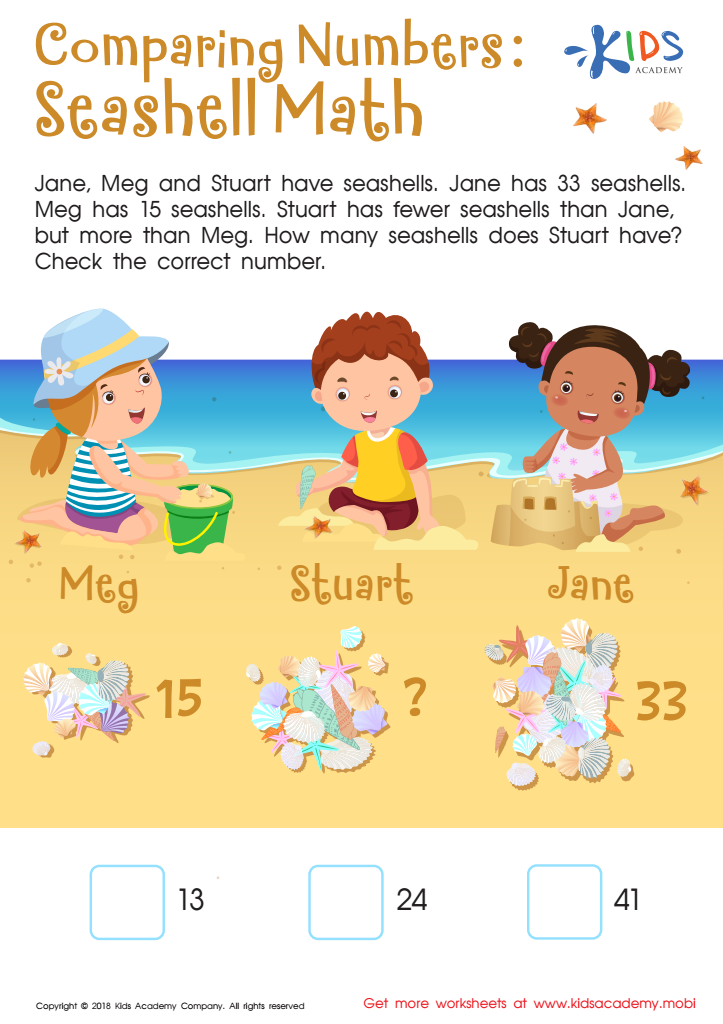
Seashell Collectors Worksheet
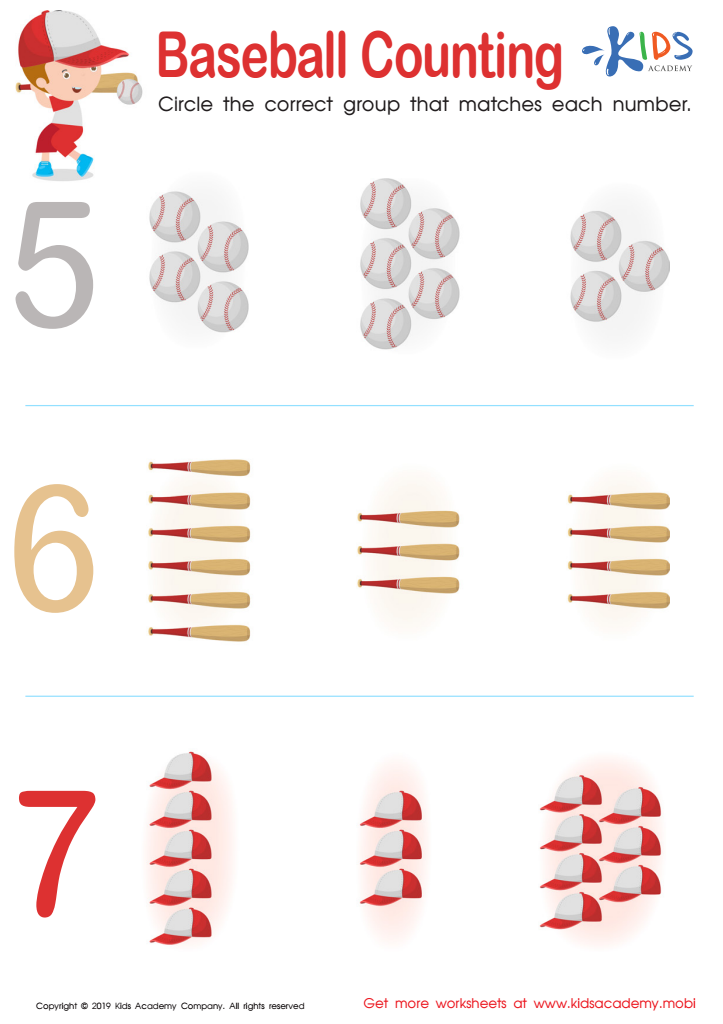
Baseball Counting Worksheet
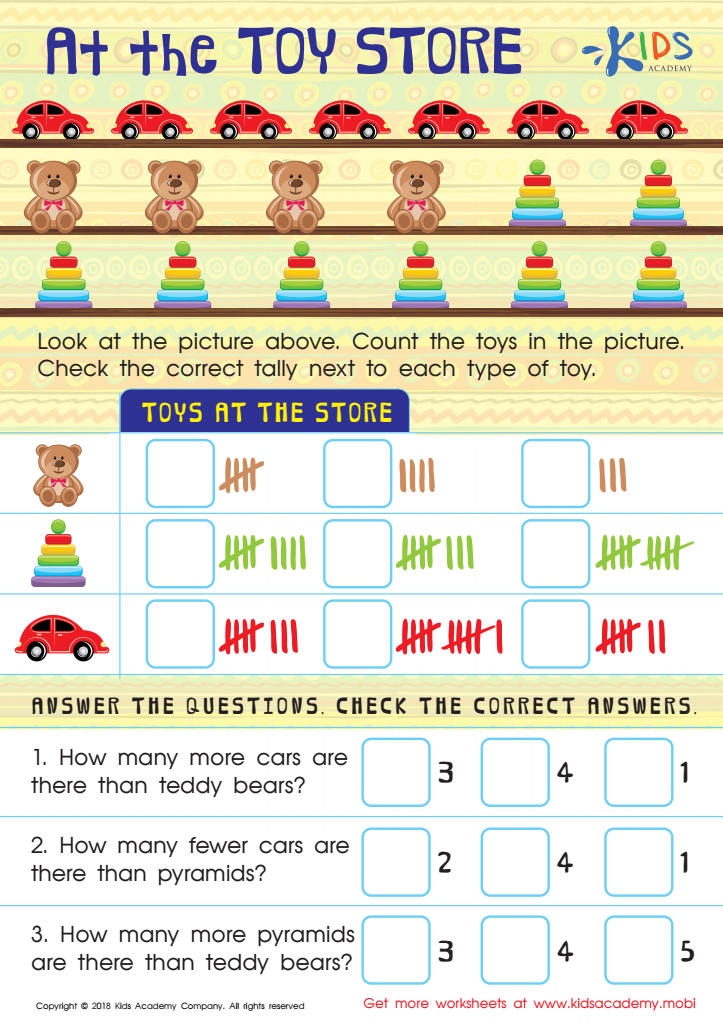
Tally Chart: At the Toy Store Worksheet
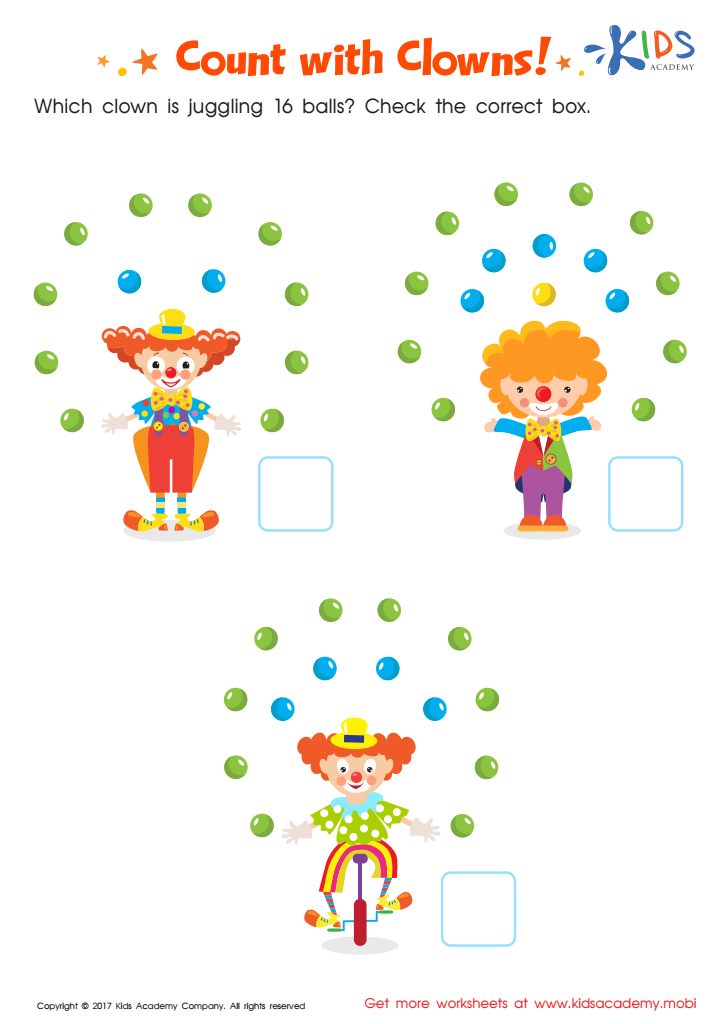
Count with Clowns Worksheet







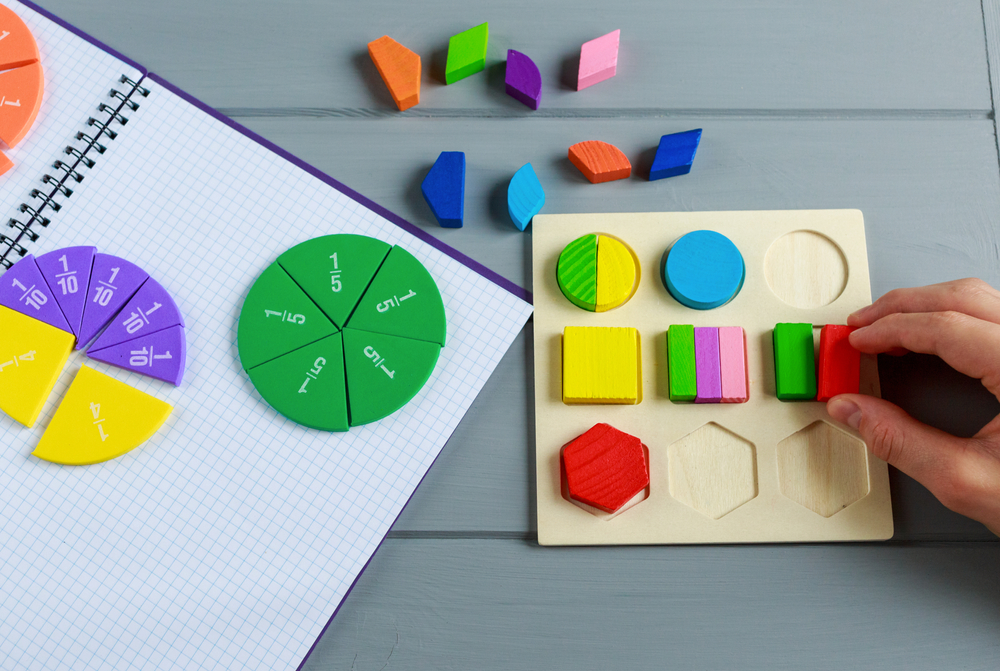
Basic addition practice for children aged 3-6 is crucial for several reasons. First, it lays the foundation for future mathematical learning. Early exposure to numbers and simple addition fosters an understanding of basic concepts, making it easier for children to grasp more complex mathematics as they progress in school.
Moreover, mastering basic addition promotes cognitive development. Working with numbers enhances problem-solving skills, critical thinking, and logical reasoning. It encourages children to recognize patterns and develop strategies, contributing to their overall intellectual growth.
Engaging in addition activities also aids in language development. As children discuss their calculations, they learn new vocabulary and improve their communication skills. Additionally, these interactions strengthen bonds between parents, teachers, and children, creating a more supportive learning environment.
Furthermore, basic addition practice instills confidence. As children successfully master these skills, they gain self-assurance in their abilities, paving the way for a positive attitude towards learning. This resulting enthusiasm can foster a lifelong love for mathematics.
In summary, focusing on basic addition practice for young children not only prepares them for academic success but also supports their cognitive, language, and emotional development, ultimately setting a solid foundation for their future educational journey.








