Basic counting skills Numbers Worksheets for Ages 3-6
11 filtered results
-
From - To
Explore our engaging Basic Counting Skills Number Worksheets designed specifically for children ages 3-6. These worksheets provide a fun, interactive way to help young learners build essential counting skills. Each worksheet focuses on various counting activities, from recognizing numbers to counting objects, ensuring a comprehensive understanding of basic math concepts. With colorful illustrations and age-appropriate exercises, kids will enjoy developing their numeracy skills at their own pace. Perfect for parents and educators alike, our worksheets foster a love for math while enhancing focus and cognitive abilities. Start your child's journey to math mastery today with our easy-to-use, printable resources!
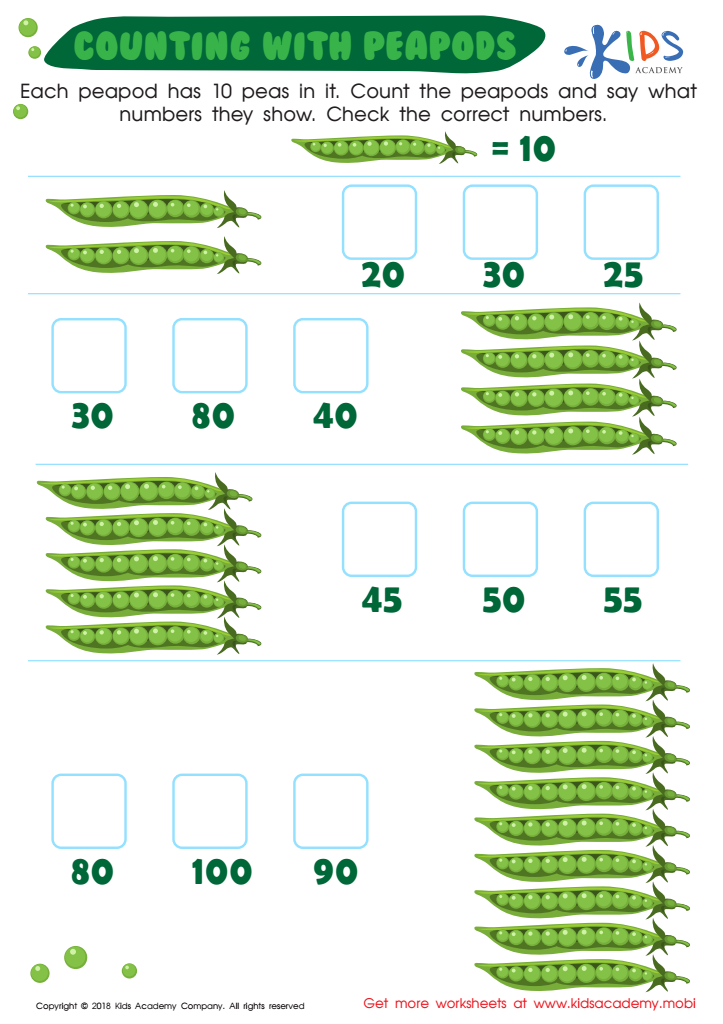
Number Worksheet: Counting With Peapods
 Assign to My Students
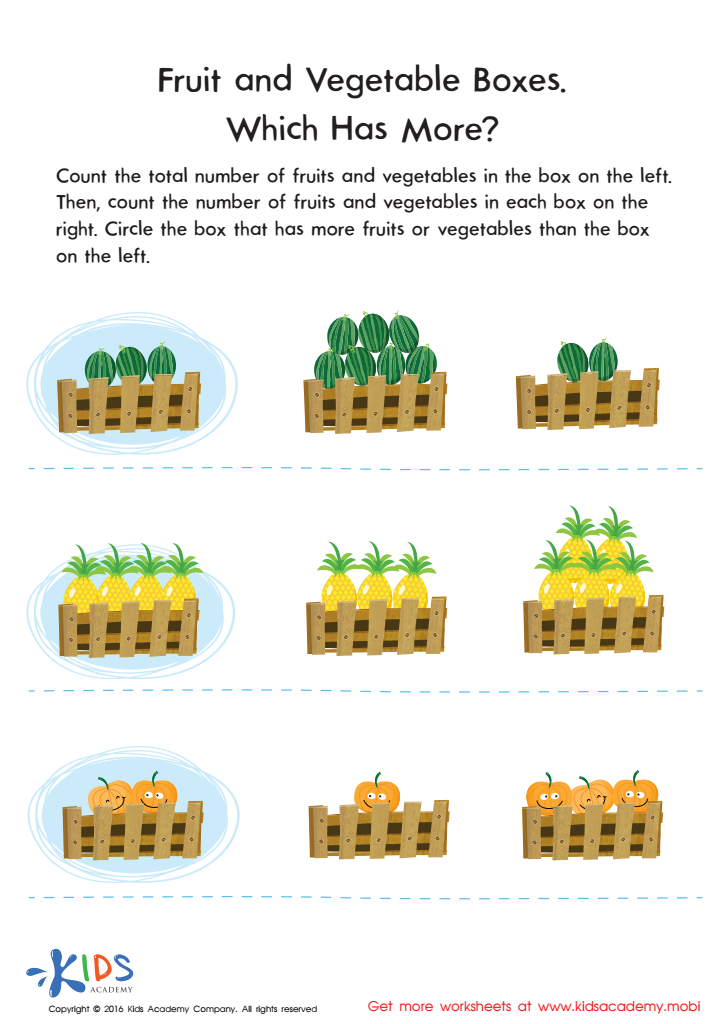
Which Has More? Size Worksheet
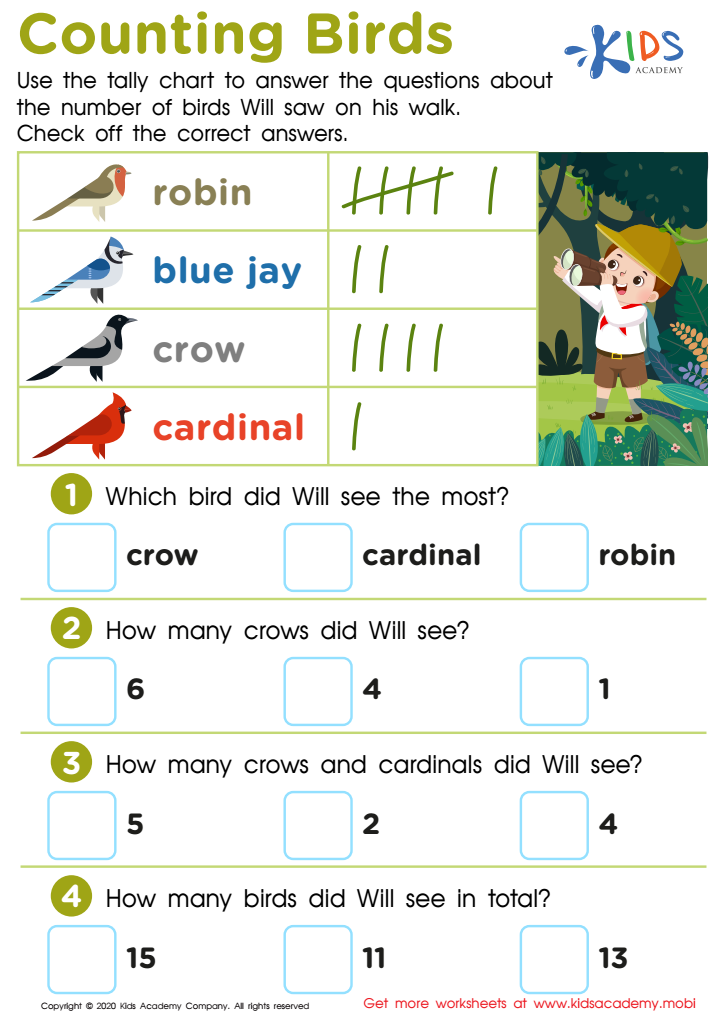
Counting Birds Worksheet
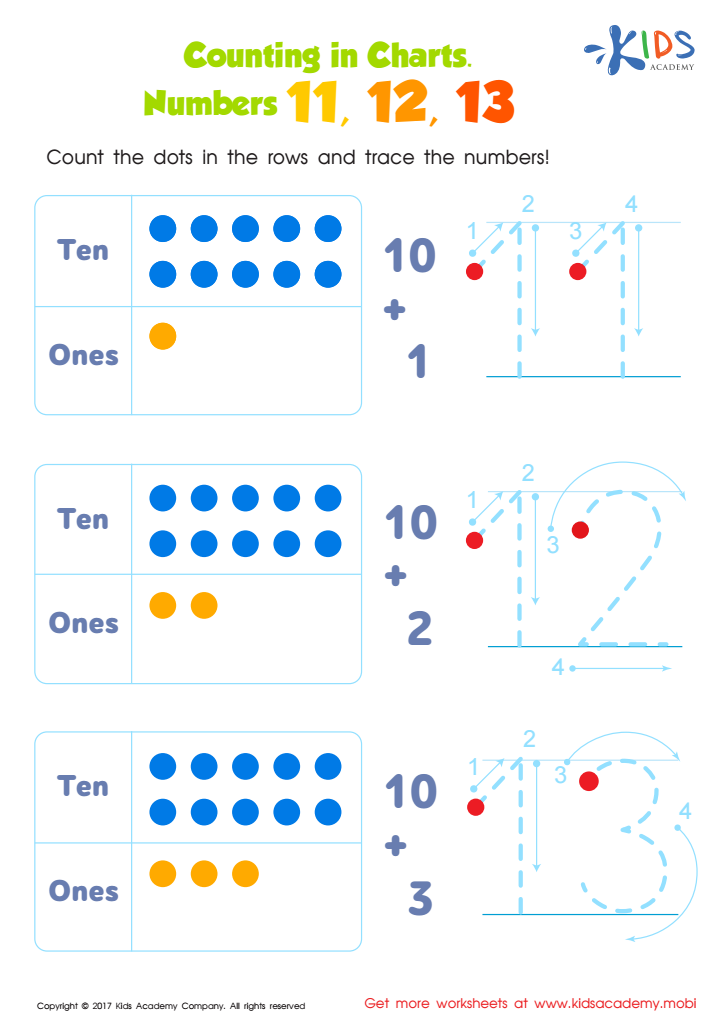
Number Tracing Worksheet For Kindergarten
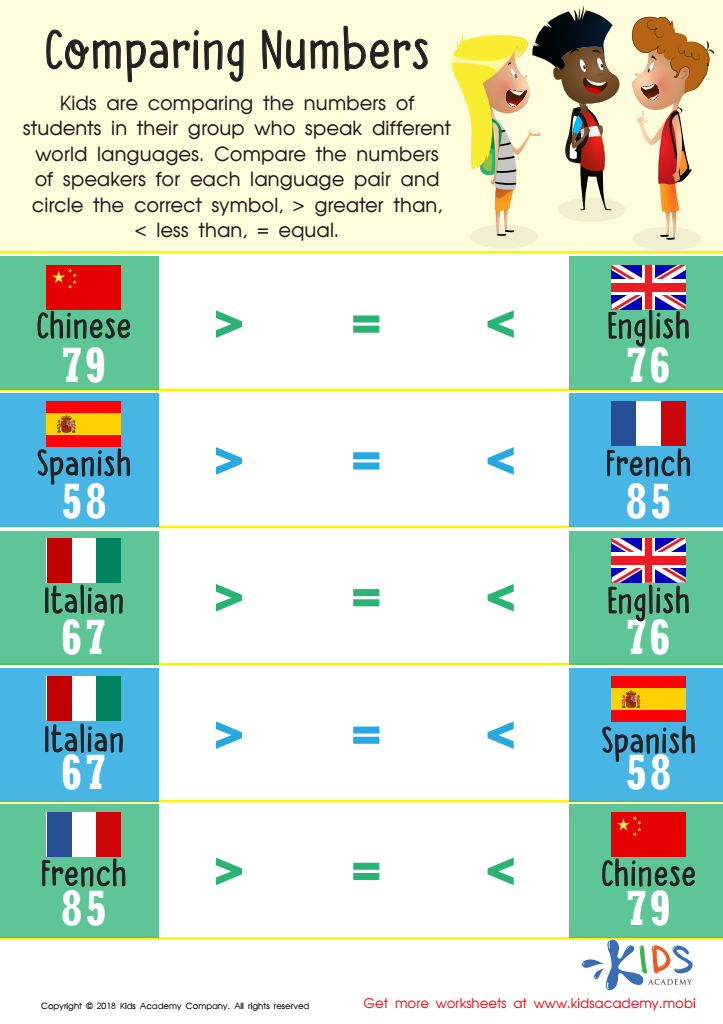
Comparing Numbers Worksheet for 1st Grade
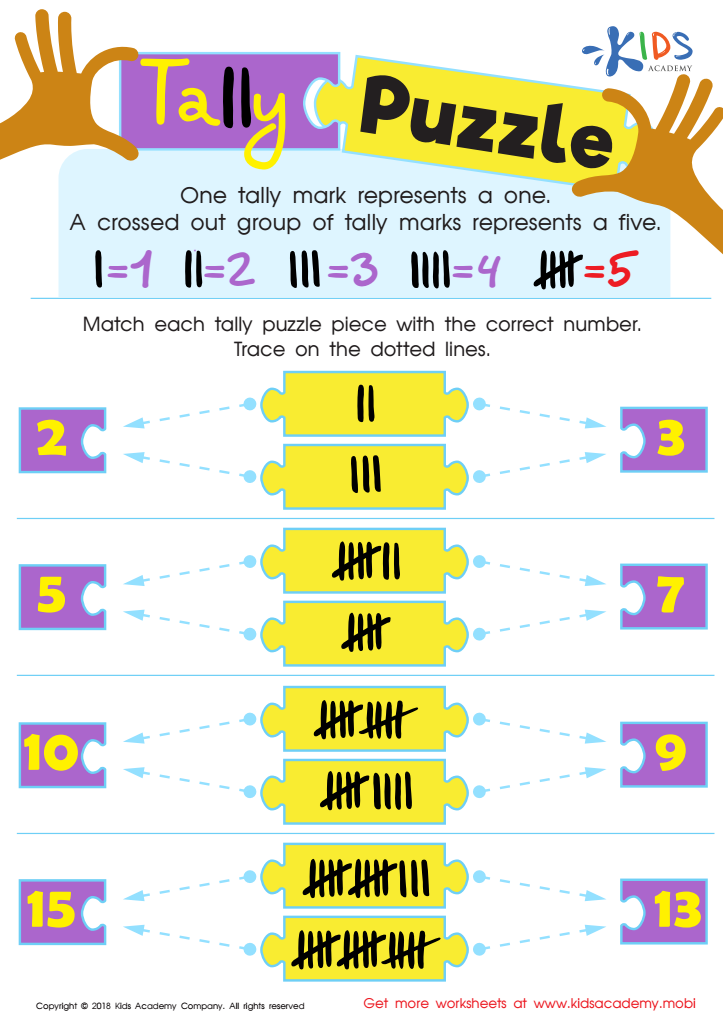
Tally Puzzle Worksheet
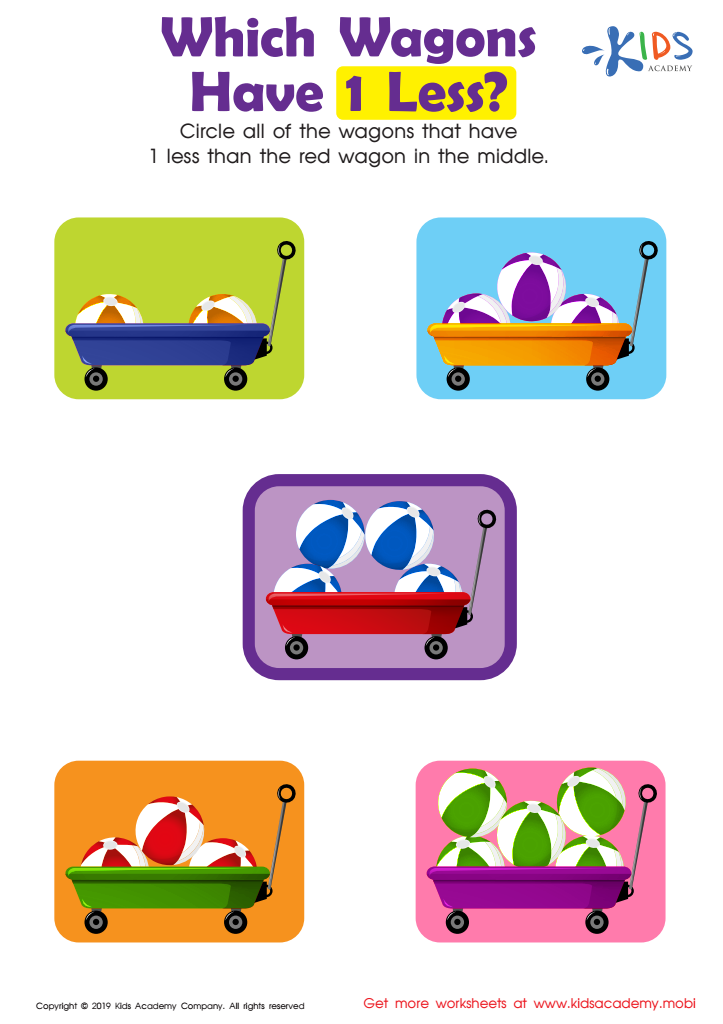
Which Wagons Have 1 Less? Worksheet
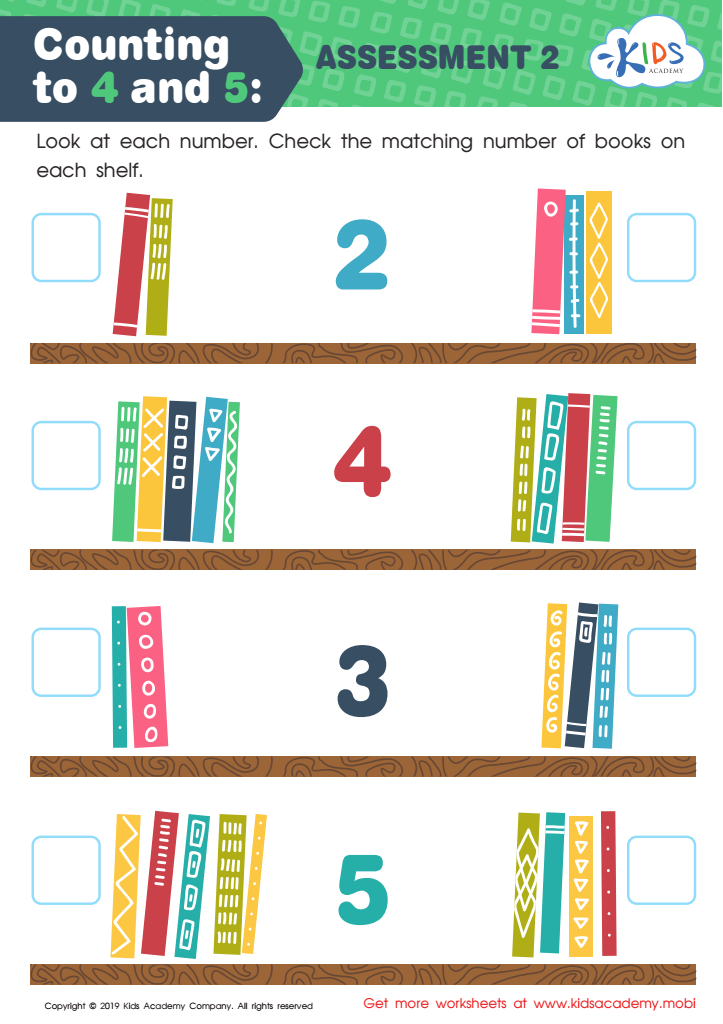
Counting to 4 and 5: Assessment 2 Worksheet
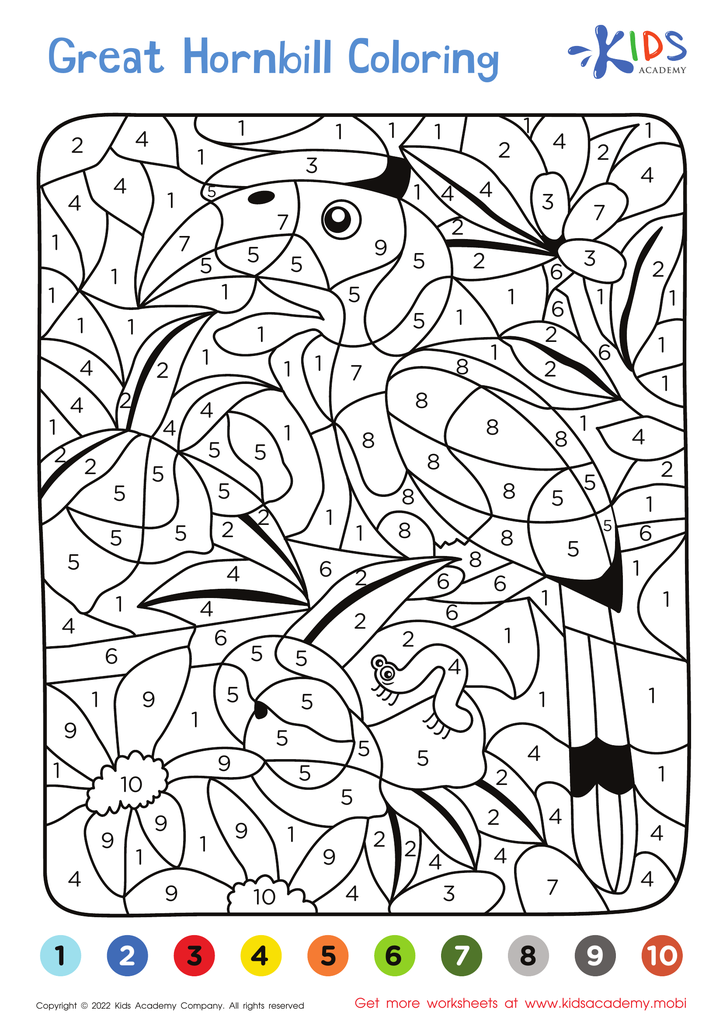
Great Hornbill – Coloring by Numbers
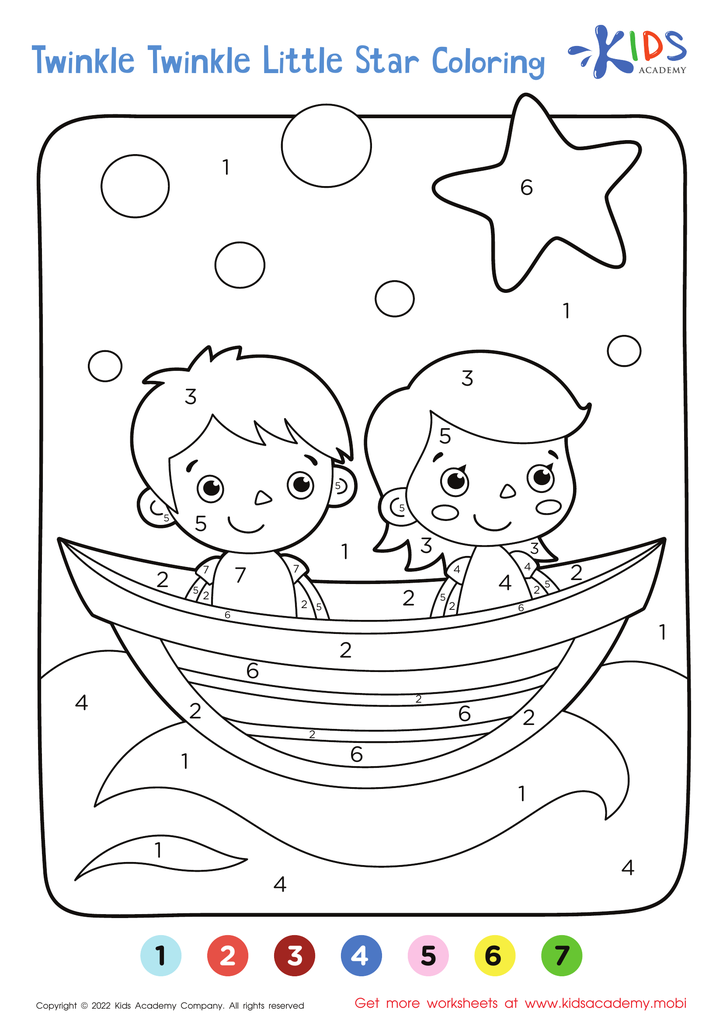
Twinkle, Twinkle, Little Star – Coloring by Numbers
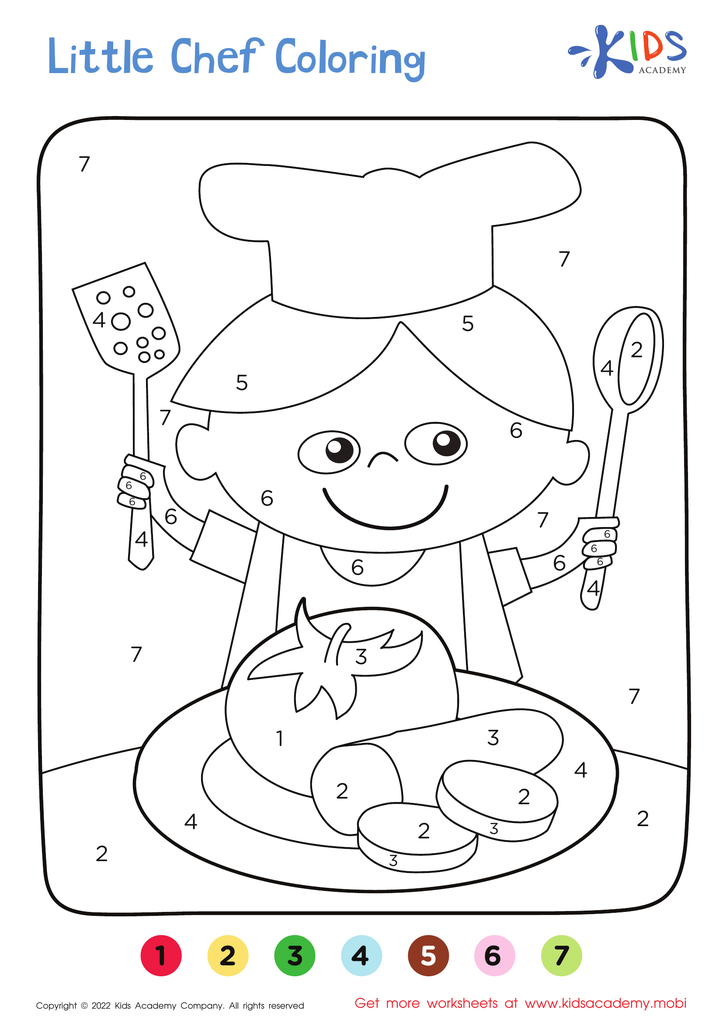
Little Chef – Coloring by Numbers







Basic counting skills are foundational for young children, serving as building blocks for future mathematical understanding. For parents and teachers of children aged 3-6, fostering these skills is crucial for several reasons.
Firstly, counting helps develop cognitive abilities. It enhances critical thinking and problem-solving skills as children learn to recognize patterns and relationships between numbers. Additionally, counting forms the basis for more complex mathematical concepts, such as addition and subtraction, which will be essential as children progress in their education.
Secondly, counting supports language development. As children verbalize numbers and quantities, they improve vocabulary and communication skills. Activities involving counting can provide rich opportunities for discussions, enriching their overall language experience.
Moreover, basic counting skills promote confidence and independence. When children grasp counting, they begin to feel a sense of accomplishment, which encourages them to tackle more challenging tasks. This confidence often spills over into other areas of learning and daily life.
Finally, understanding numbers and counting fosters early literacy and numeracy skills that are linked to future academic success. By prioritizing basic counting skills, parents and teachers set the stage for a lifetime of learning and exploration in mathematics and beyond.








