Critical Thinking Numbers Worksheets for Ages 3-6
5 filtered results
-
From - To
Unlock the power of critical thinking for young learners aged 3-6 with our engaging Numbers Worksheets. Designed to foster essential reasoning skills early on, these worksheets attract children’s attention while reinforcing their number recognition and comprehension. Through fun activities, puzzles, and creative challenges, kids not only practice counting but also learn to analyze, compare, and make connections between numbers. Ideal for preschool and kindergarten learning, these printable resources help cultivate inquisitive minds and a strong foundation in mathematics. Give your child the tools to think critically as they explore the fascinating world of numbers, setting the stage for future academic success!
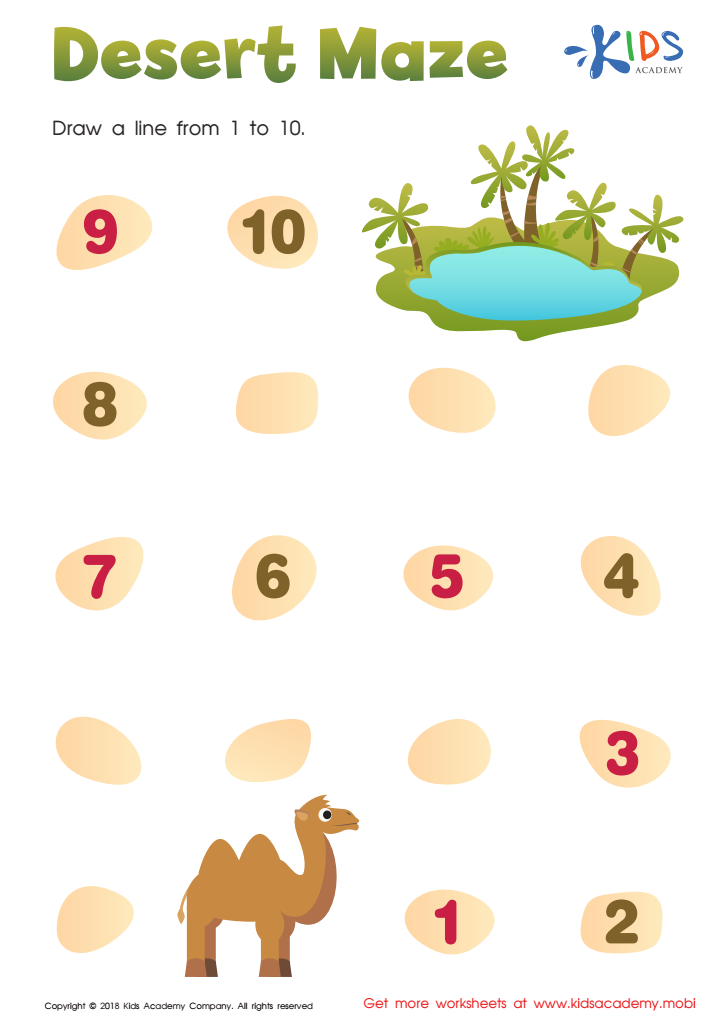
Desert Maze Worksheet
 Assign to My Students
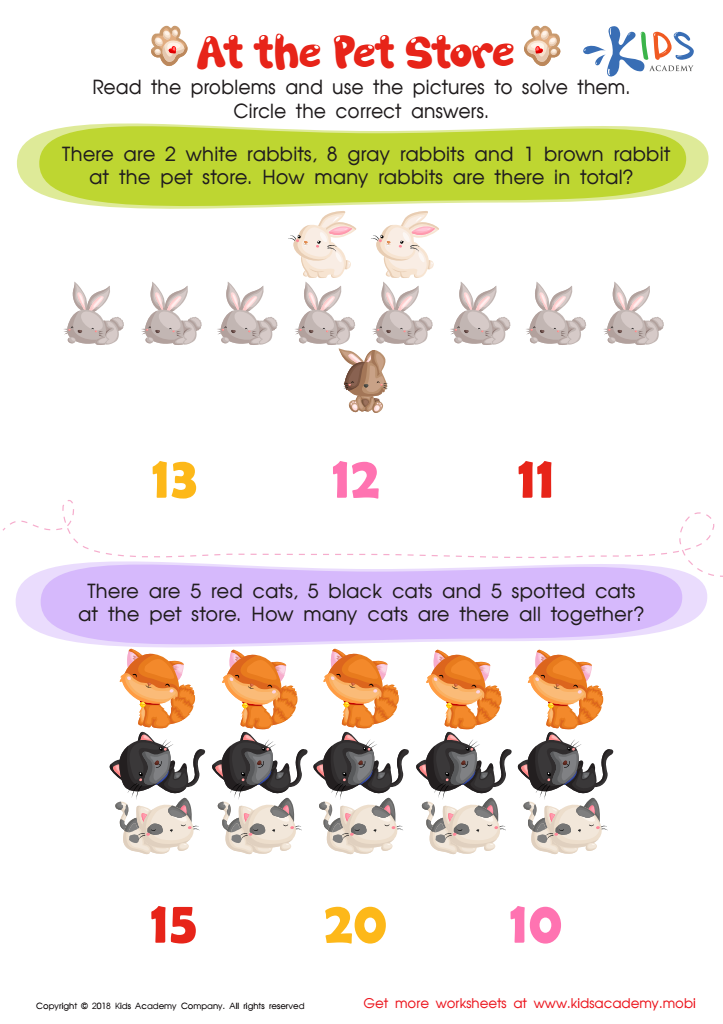
At the Pet Store Word Problems Worksheet
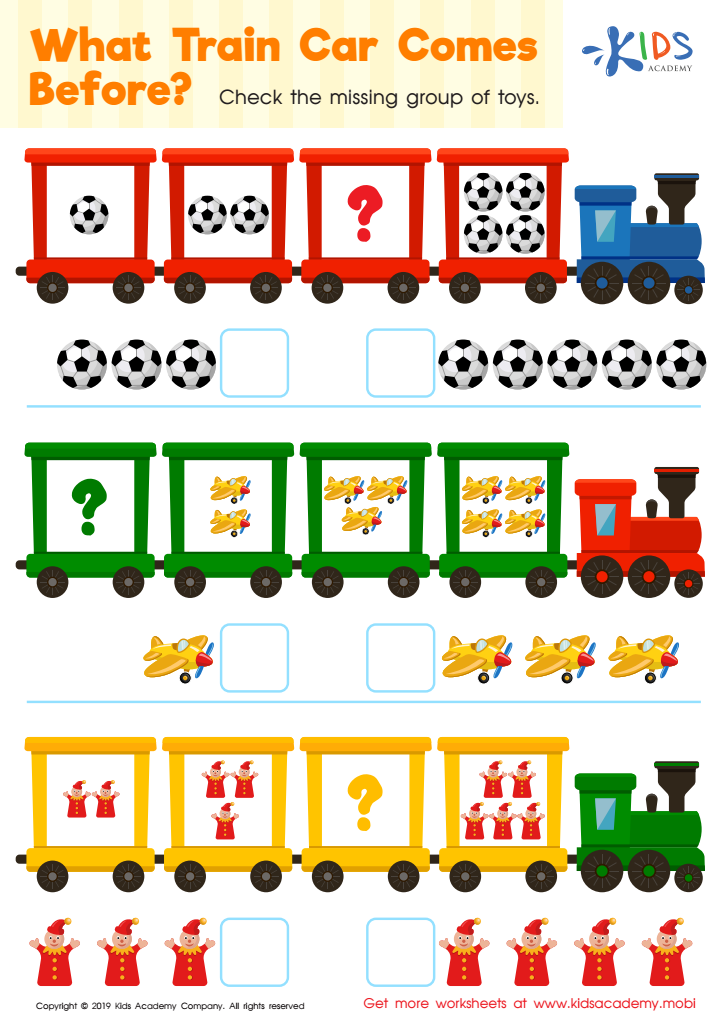
What Train Car Comes Before? Worksheet
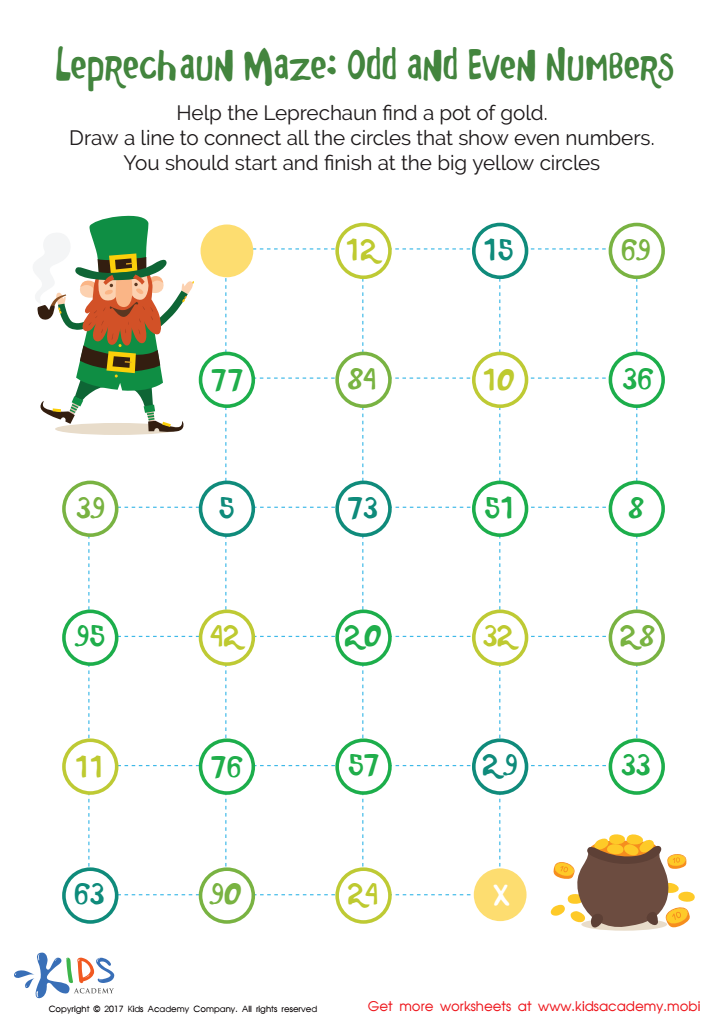
Leprechaun Maze Printable
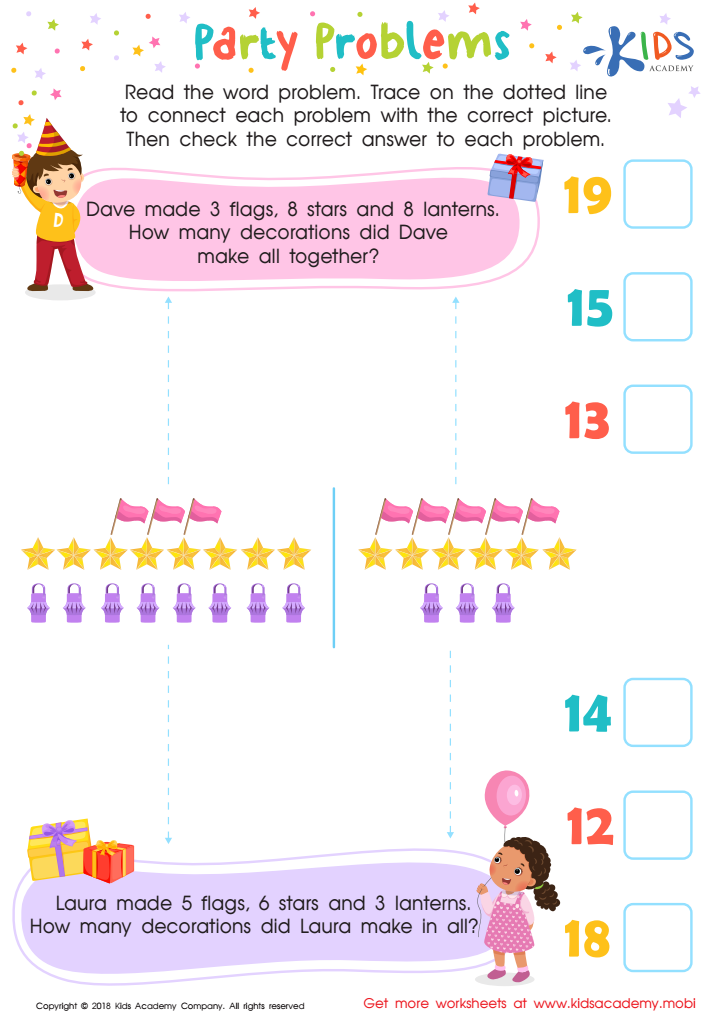
Party Problems Worksheet




%20(1).jpg)



Critical Thinking Numbers for ages 3-6 is vital for early development, as it lays the foundation for essential problem-solving and analytical skills. During these formative years, children are naturally curious, and fostering their ability to think critically about numbers enhances their understanding of mathematical concepts and promotes cognitive growth.
Encouraging critical thinking with numbers assists young learners in recognizing patterns, making connections, and solving problems independently. This skill not only aids in mathematical proficiency but also translates to everyday situations, helping children make informed decisions as they navigate the world around them.
Moreover, developing critical thinking at an early age supports emotional and social development. Children learn to express their reasoning, consider various viewpoints, and collaborate with peers to reach conclusions. This promotes confidence and resilience, allowing them to approach challenges with a proactive mindset.
For parents and teachers, prioritizing critical thinking in early education helps to prepare children for future academic success and lifelong learning. It cultivates a love for exploration and inquiry, setting a strong precedent for thoughtful and engaged citizenship later in life. Investing in these formative years creates a solid bedrock for better reasoning skills, ensuring children can effectively analyze and engage with the complex mathematics they will encounter as they grow.








