Data interpretation Numbers Worksheets for Ages 3-6
5 filtered results
-
From - To
Explore our "Data Interpretation Numbers Worksheets" designed specifically for children ages 3 to 6! These engaging worksheets help young learners develop essential math skills through fun and interactive activities. Your child will master the basics of interpreting data as they learn to read simple graphs, understand patterns, and analyze information in a playful way. Our colorful, kid-friendly designs make learning enjoyable, encouraging creativity and critical thinking from an early age. Perfect for parents and teachers, these worksheets are an excellent resource for building a strong math foundation. Help your little ones learn to interpret numbers confidently—small steps lead to big achievements!
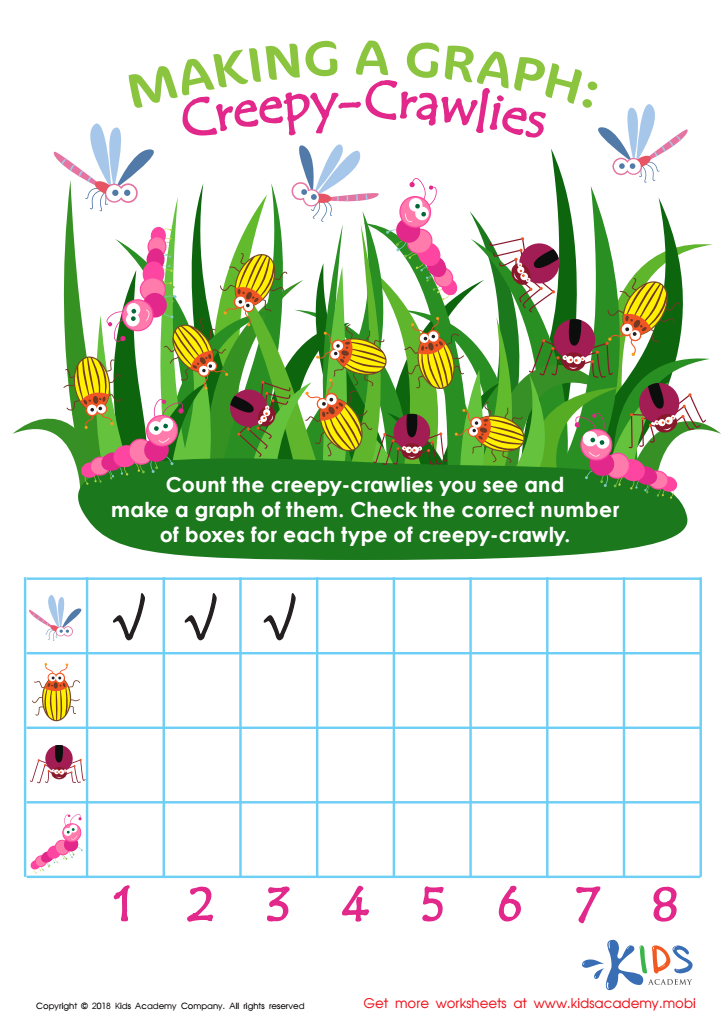
Making a Graph: Creepy Crawlies Worksheet
 Assign to My Students
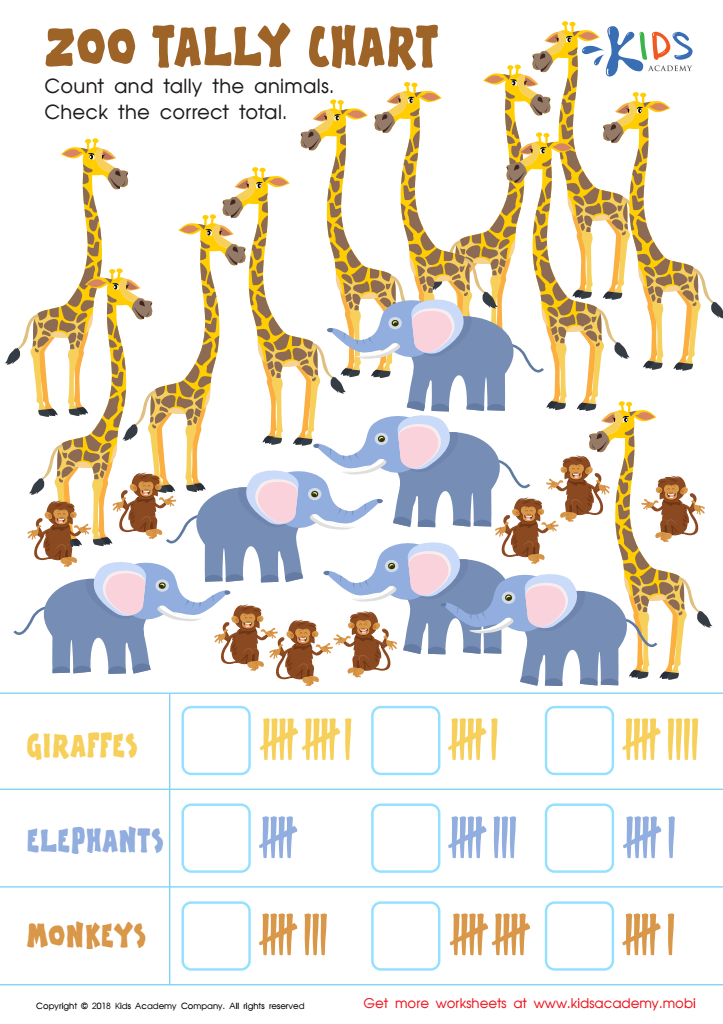
Zoo Tally Chart Worksheet
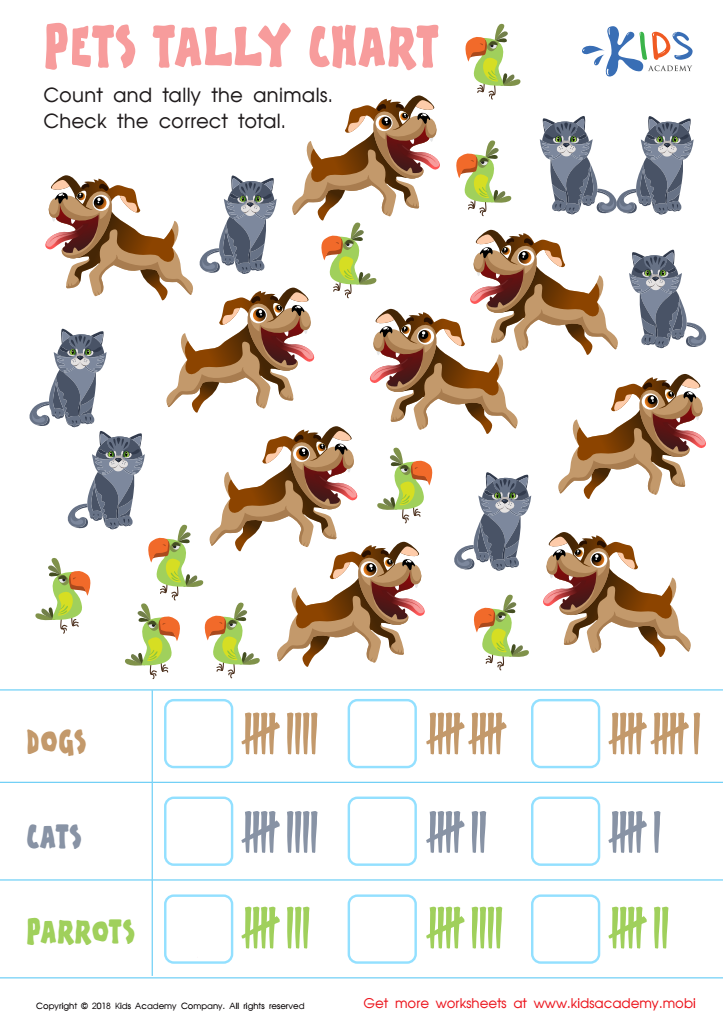
Pets Tally Chart Worksheet
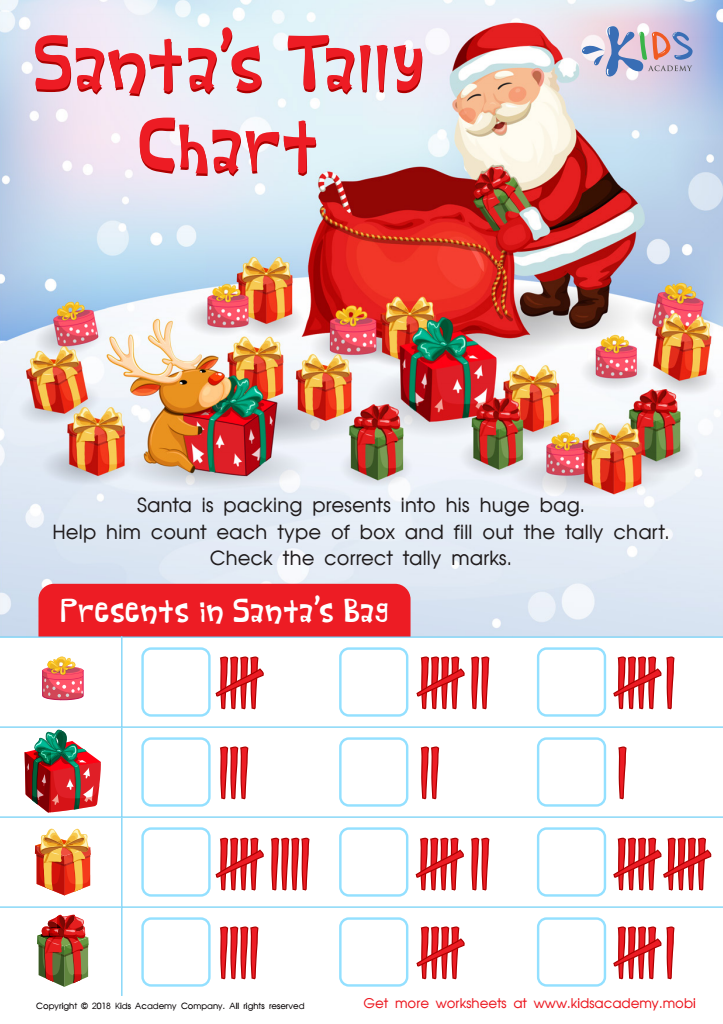
Santa Tally Chart Worksheet
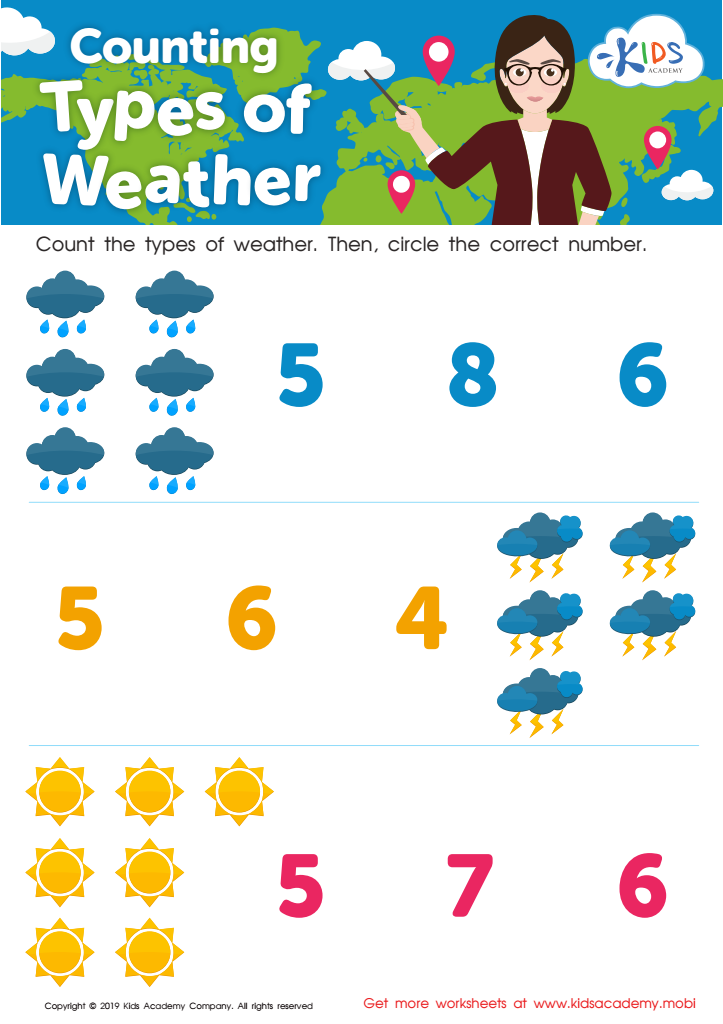
Counting Types of Weather Worksheet


%20(1).jpg)





Data interpretation and understanding numbers are fundamental skills that lay the groundwork for early learning, especially for children aged 3 to 6. At this stage, children begin to explore the world around them through counting, sorting, and recognizing patterns, which enhances their cognitive and critical thinking skills.
When parents and teachers prioritize data interpretation, they equip children with essential tools for making sense of their experiences. For instance, comparing quantities during play helps children grasp the concept of more or less. As they engage in simple activities like counting objects or categorizing toys, they build foundational numeracy skills, fostering confidence in their ability to engage with math later in life.
Moreover, understanding data at a young age promotes curiosity and encourages children to ask questions. This skill is vital not only for math but also for scientific inquiry and problem-solving. By immersing children in experiences featuring numbers—like measuring ingredients while cooking or tallying scores in a game—adults help cultivate an intrinsic motivation to learn.
Ultimately, investing in kids’ early exposure to data interpretation and numbers supports their overall academic development, equipping them for future success in a world increasingly driven by data analytics and quantitative reasoning.








