Pattern recognition Numbers Worksheets for Ages 3-6
4 filtered results
-
From - To
Unlock the joy of learning with our engaging Pattern Recognition Numbers Worksheets designed specifically for children ages 3-6. These interactive worksheets introduce early learners to the exciting world of patterns through numbers, fostering essential skills in counting, comparison, and visual perception. Our age-appropriate activities captivate young minds, making math both fun and educational. As children identify and create patterns, they develop critical thinking and problem-solving abilities that lay a strong foundation for future learning. Explore our carefully crafted resources today and watch your little ones thrive while mastering essential math concepts through playful exploration! Perfect for home or classroom setting!
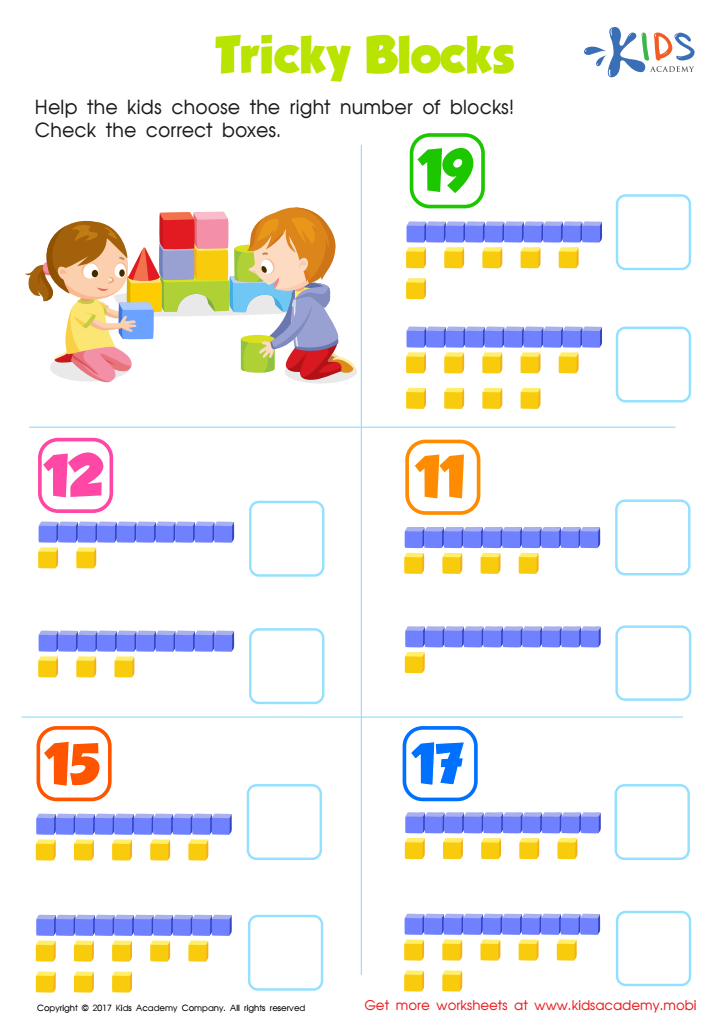
Tricky Blocks Worksheet
 Assign to My Students
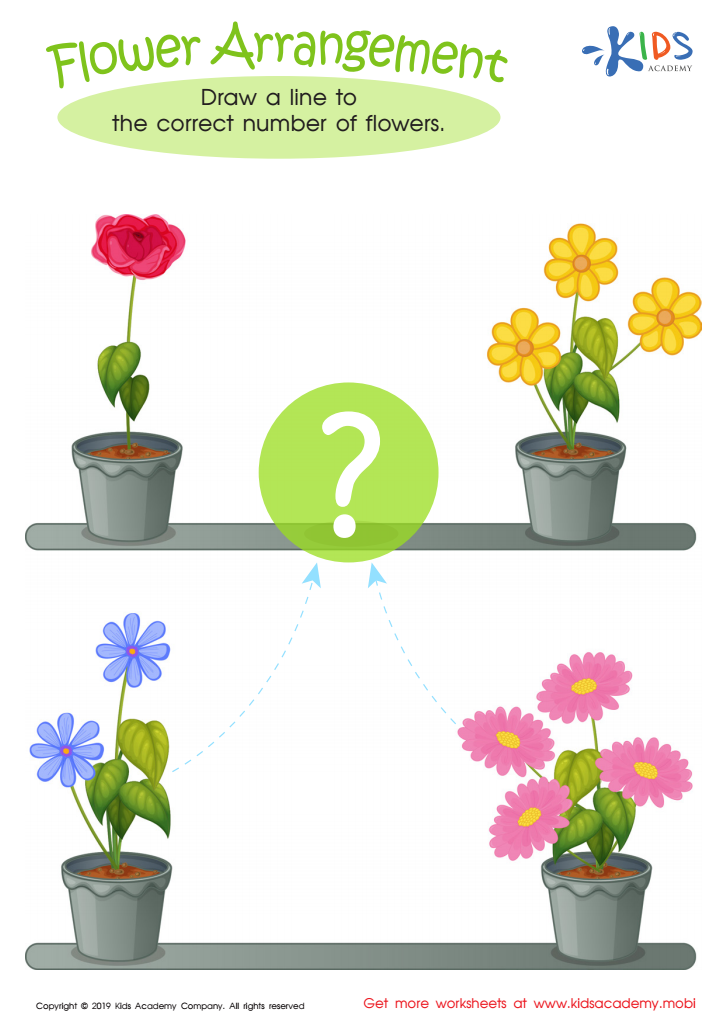
Flower Arrangement Worksheet
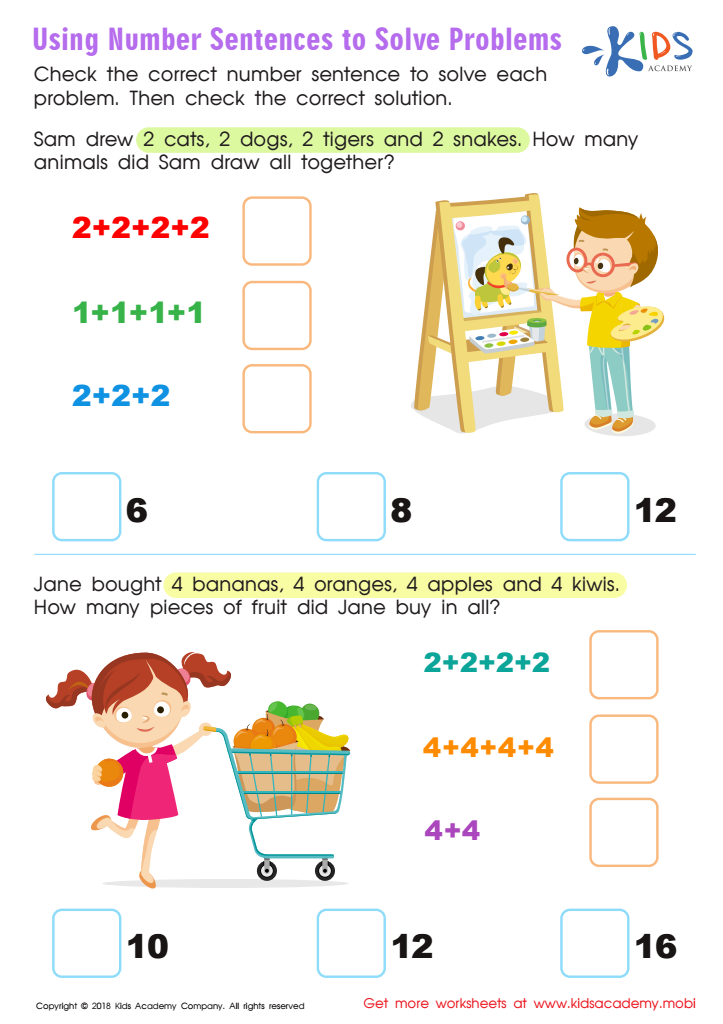
Using Number Sentences to Solve Problems Worksheet
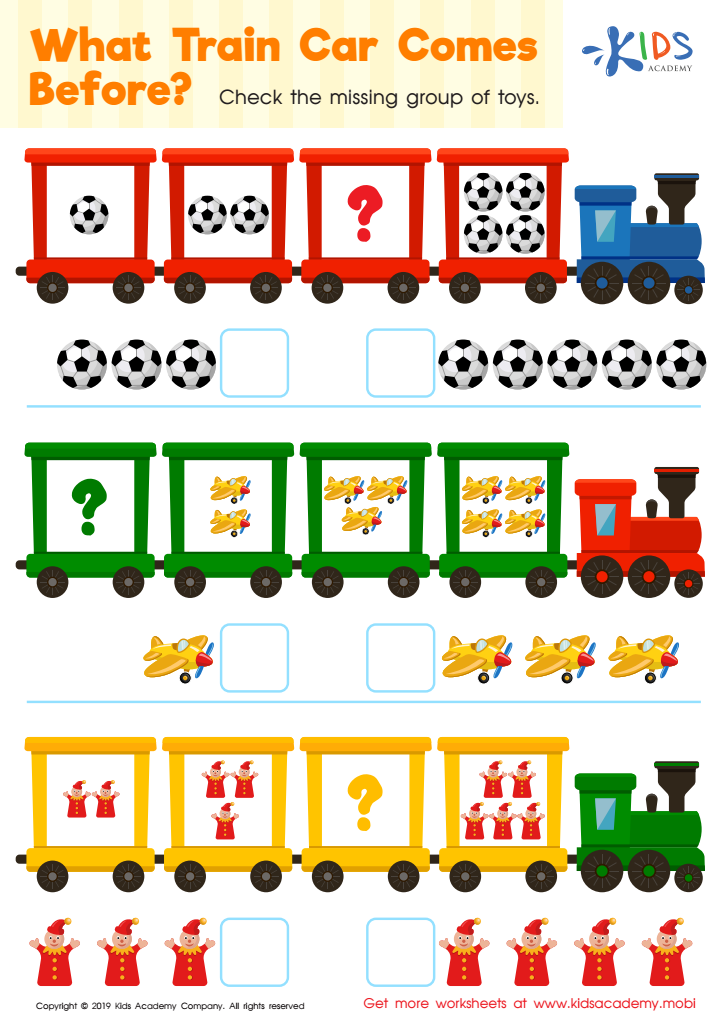
What Train Car Comes Before? Worksheet





.jpg)


Pattern recognition is a crucial skill for children ages 3-6, serving as a foundational element for their cognitive development, mathematical understanding, and overall learning. Parents and teachers should prioritize this skill for several reasons.
First, recognizing patterns enhances critical thinking and problem-solving abilities. Children learn to identify similarities, differences, and sequences, which are essential skills for tackling complex tasks later in life. Additionally, early exposure to patterns fosters math readiness; understanding numerical patterns underpins more advanced mathematical concepts, like addition, subtraction, and eventually algebra.
Moreover, engaging in pattern activities—be it through games, songs, or arts and crafts—encourages language development and fosters communication skills. Children articulate their thoughts as they describe patterns and make predictions, enriching their vocabulary and expression.
Socially, pattern recognition aids children in joining group activities and developing collaboration skills. As they engage with their peers, they share strategies and solve problems collectively, building important interpersonal skills.
Lastly, recognizing patterns supports emotional development; it nurtures a sense of predictability and control, contributing to a child’s confidence. By fostering pattern recognition, adults empower young learners to become curious, thoughtful, and engaged learners, setting a strong educational foundation for future success.








