Shape Recognition Numbers Worksheets for Ages 3-6
7 filtered results
-
From - To
Discover our engaging Shape Recognition Numbers Worksheets designed for children ages 3-6. These fun and educational printables help young learners identify and trace various shapes while reinforcing number recognition and counting skills. Perfect for preschool and kindergarten, these worksheets feature vibrant graphics and simple instructions suitable for early learners. Ideal for both classroom and at-home activities, they promote fine motor skills development and cognitive growth in a playful environment. Increase your child's confidence with numbers and shapes through our expertly crafted resources, available for hassle-free download. Let's make learning mathematically magical!
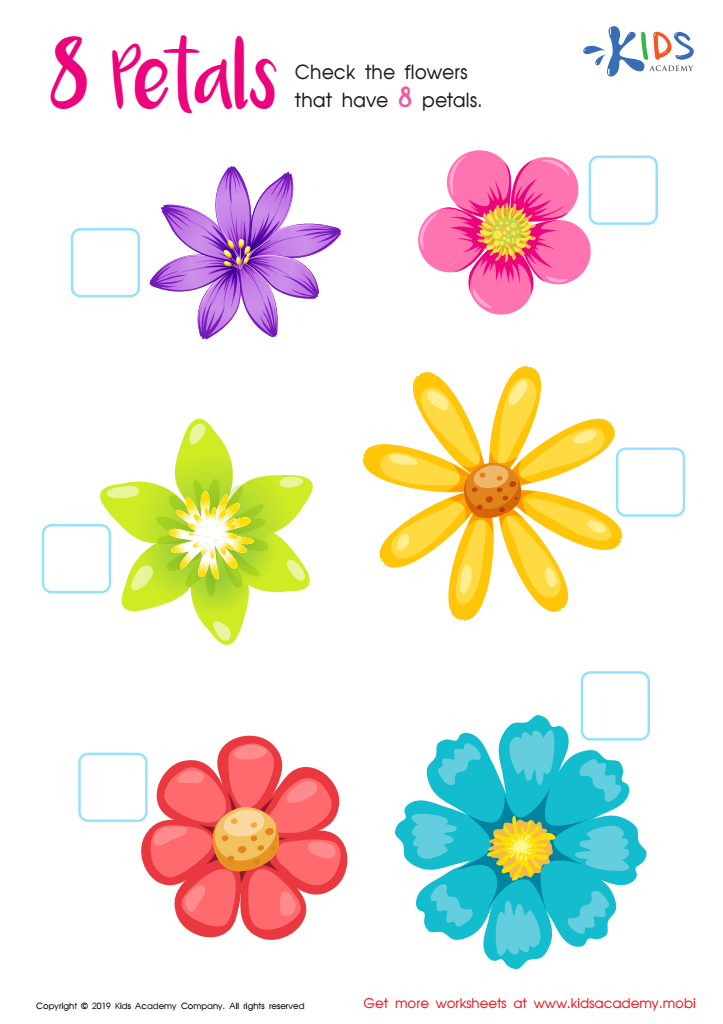
8 Petals Worksheet
 Assign to My Students
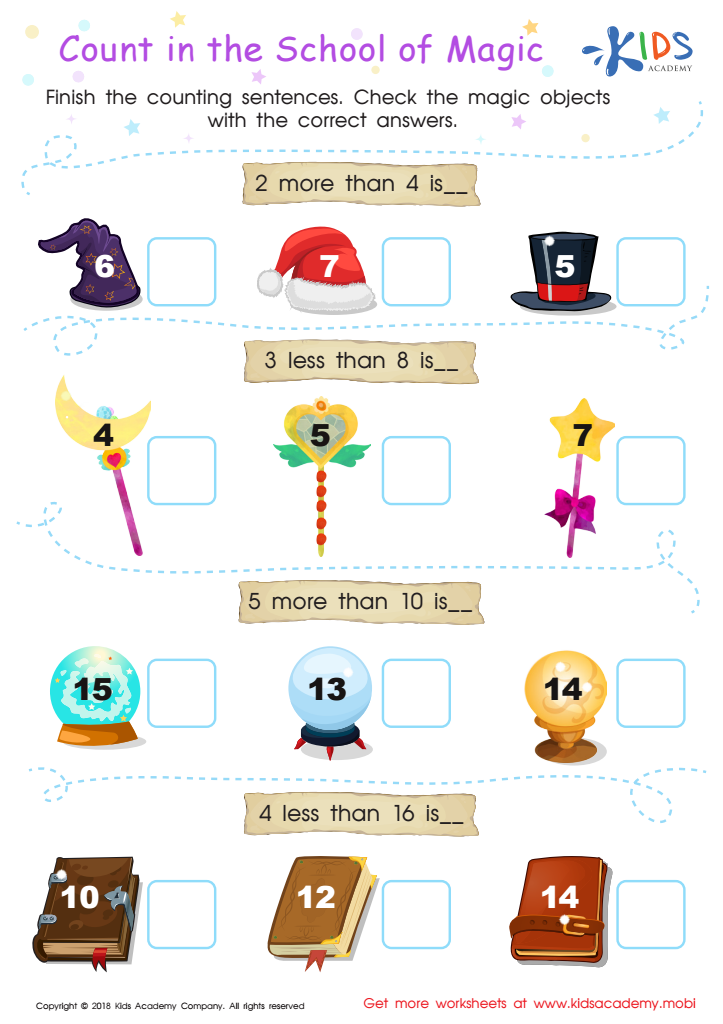
Count in the School of Magic Worksheet
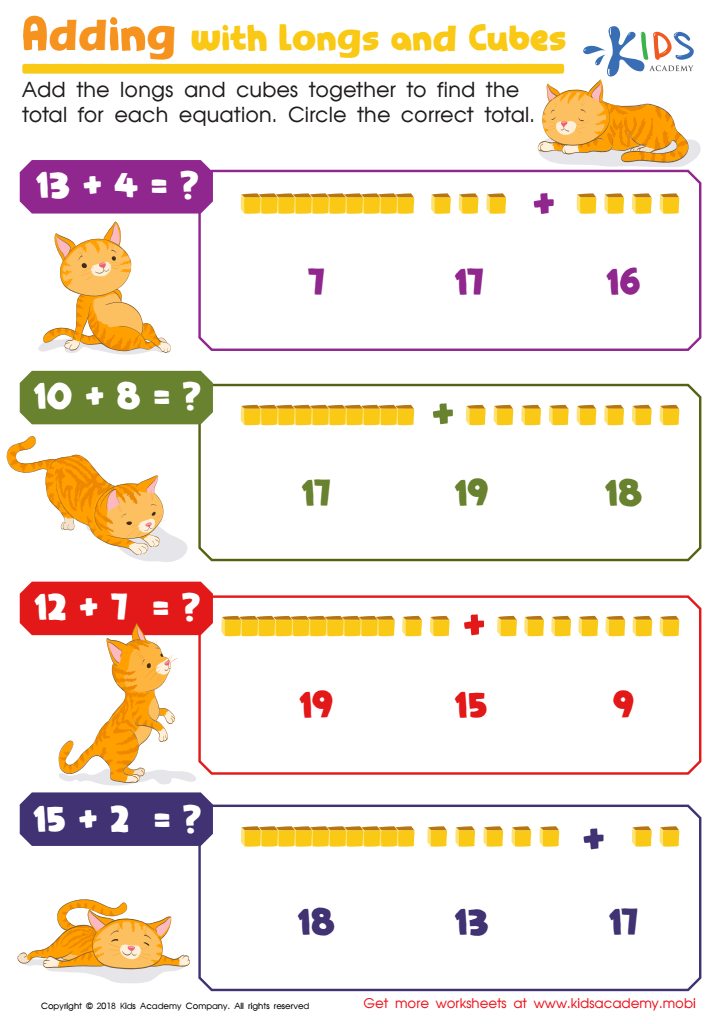
Adding With Longs and Cubes Worksheet
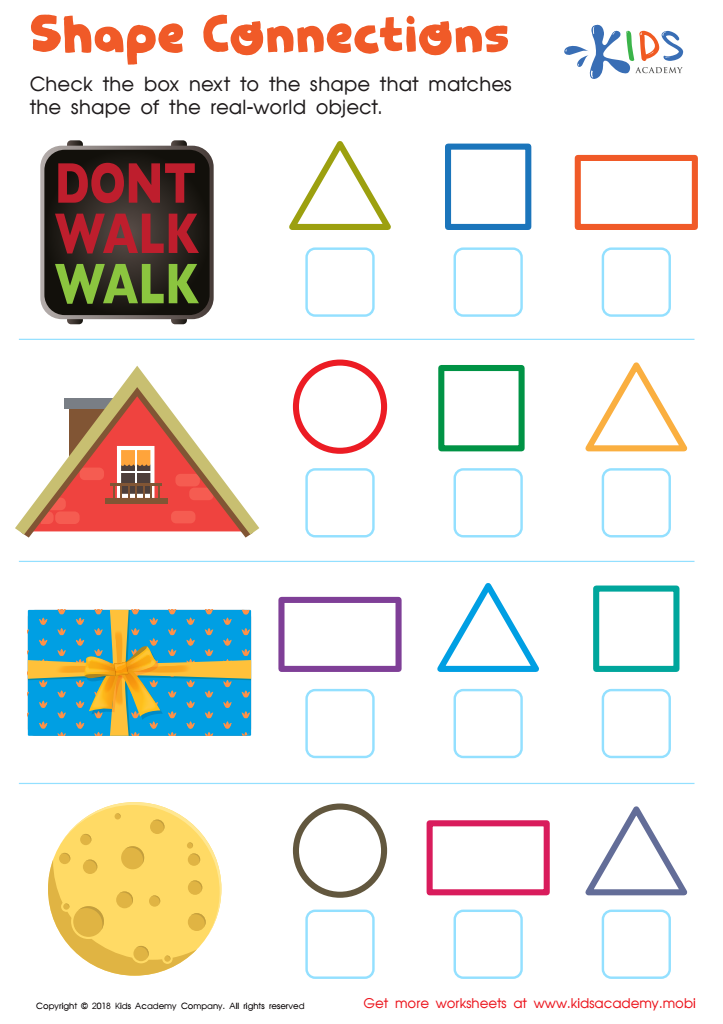
Shape Connections Worksheet
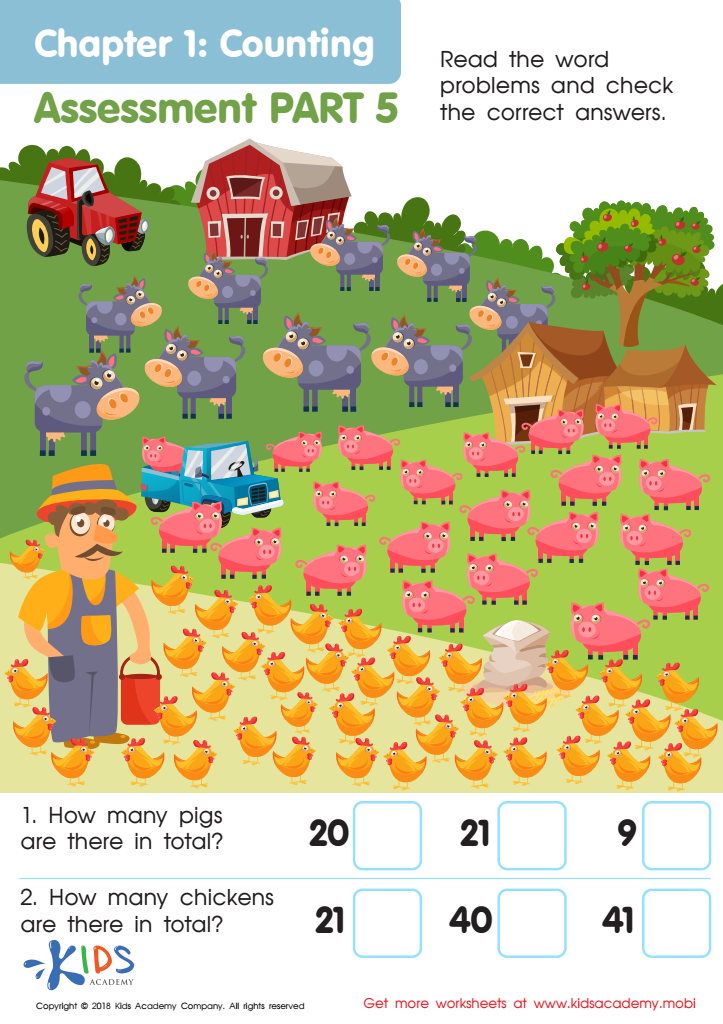
Counting: Assessment 5 Worksheet
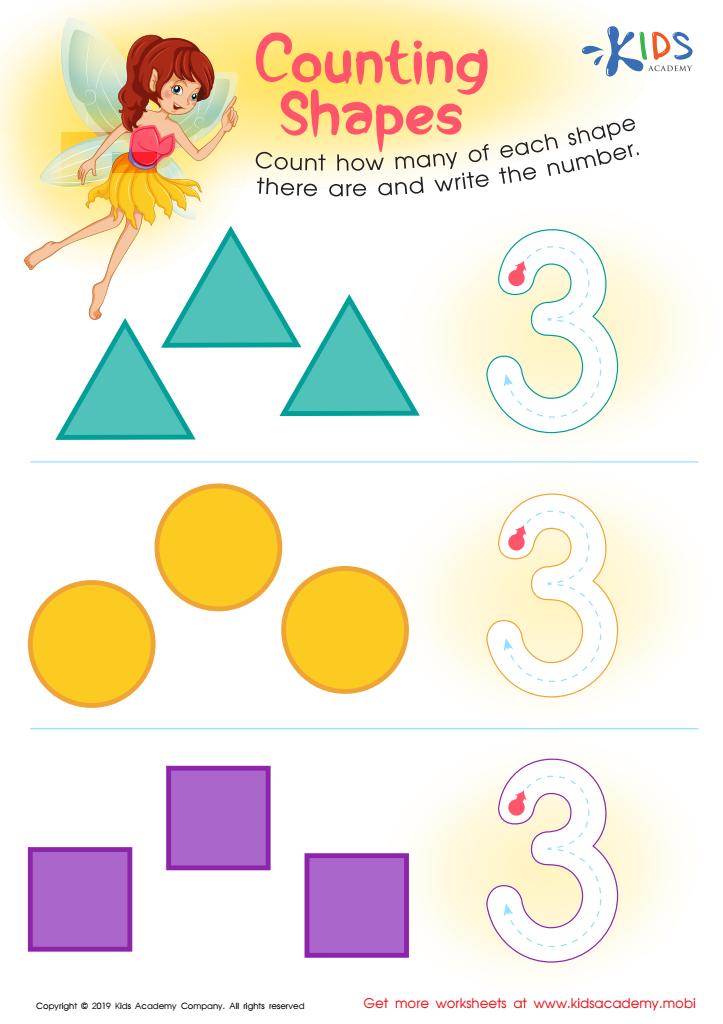
Counting Shapes Worksheet
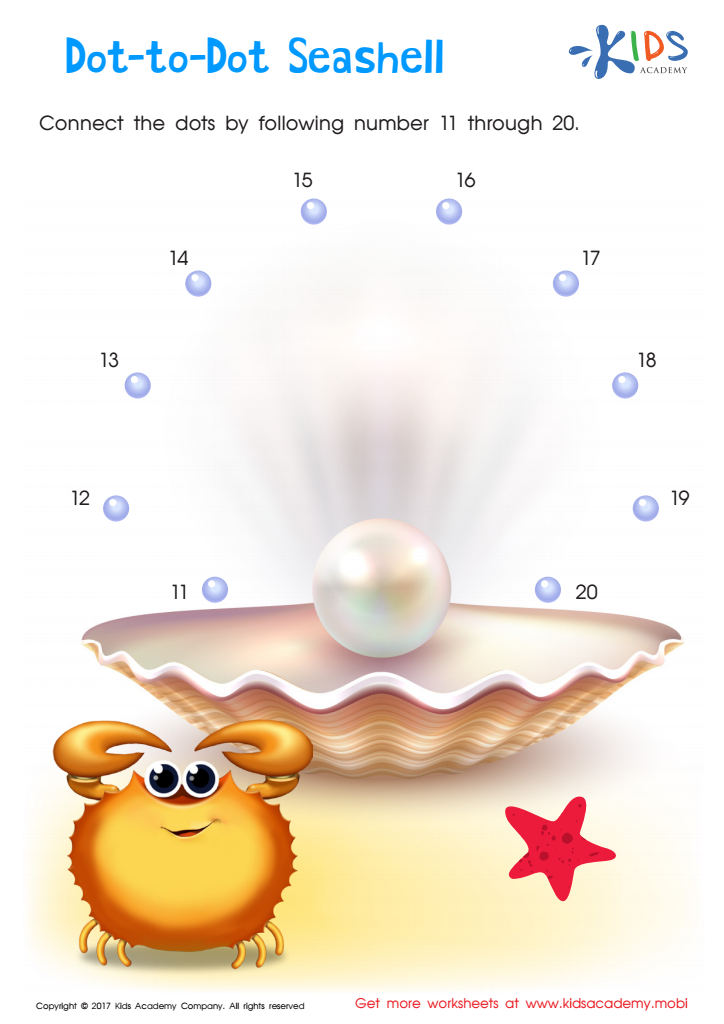
Ordering 11–20: Dot–to–dot Seashell Printable








Shape recognition and number identification are foundational skills for young children, often introduced between the ages of 3-6. These skills serve as a cornerstone for later academic success and everyday functioning.
Understanding shapes helps children discern and categorize objects in their environment. This enhances their spatial awareness, which is crucial for activities such as reading and writing. For instance, distinguishing between a circle and a square helps children recognize letters and numbers, build puzzle-solving skills, and understand more complex geometric concepts later on.
Number recognition is equally vital. It forms the basis for arithmetic and quantitative reasoning, essential skills in daily life and future schooling. Early mastery of numbers aids children in understanding patterns, comparing quantities, and performing simple calculations.
Integrating shape and number recognition makes learning engaging and fun. Activities like sorting shapes, counting objects, or identifying shapes in pictures stimulate cognitive development and reinforce attention to detail.
For parents and teachers, focusing on these skills early establishes a strong educational foundation, fostering lifelong learning and problem-solving abilities. Actively encouraging shape and number recognition doesn't just prepare children for formal education; it enhances their interaction with the world around them.








