Understanding patterns Numbers Worksheets for Ages 3-6
6 filtered results
-
From - To
"Understanding Patterns Numbers Worksheets for Ages 3-6" offers engaging activities designed to enhance your child's foundational math skills. These worksheets assist young learners in recognizing and creating numerical patterns through fun and interactive exercises. By working with colourful sequences, children develop critical thinking and problem-solving abilities. The resources are perfect for both classroom and home use, ensuring consistent practice through captivating number games and activities. Helping kids ages 3-6 understand numerical relationships sets a solid foundation for future math success. Your child will gain confidence and joy in learning, making math both enjoyable and educational. Explore now for a bright math future!
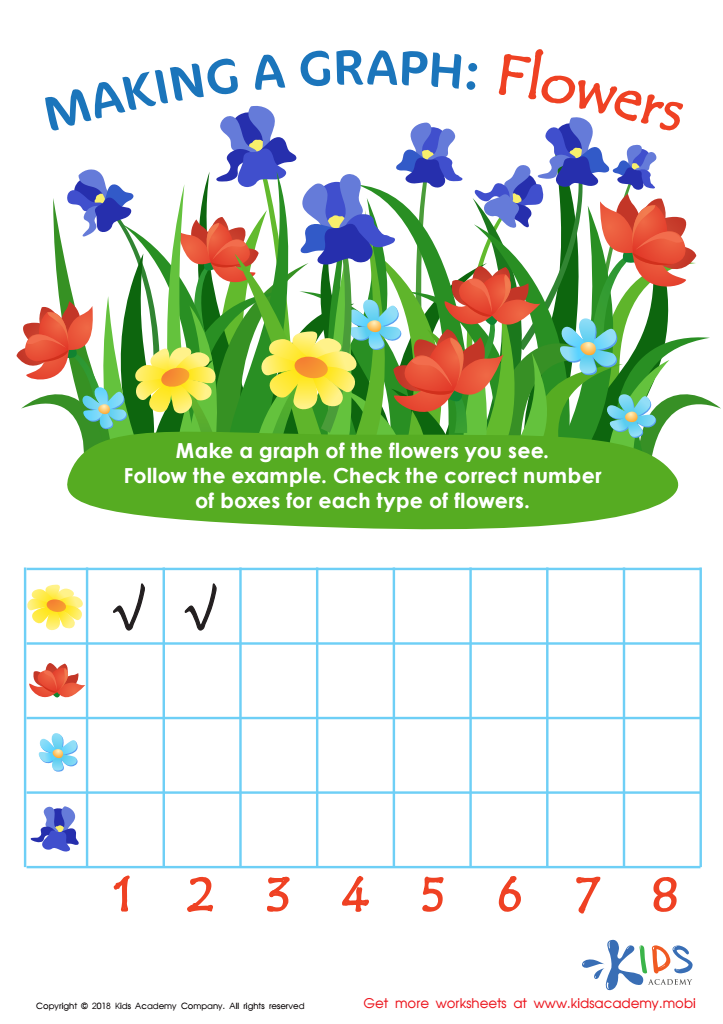
Making a Graph: Flowers Worksheet
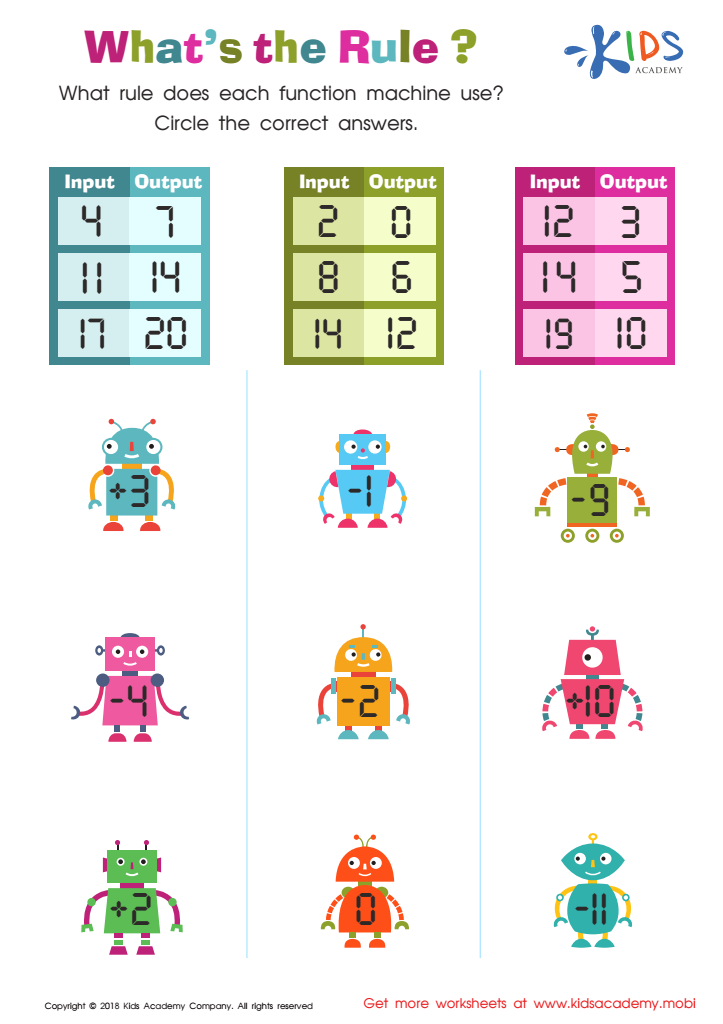
What's the Rule Worksheet
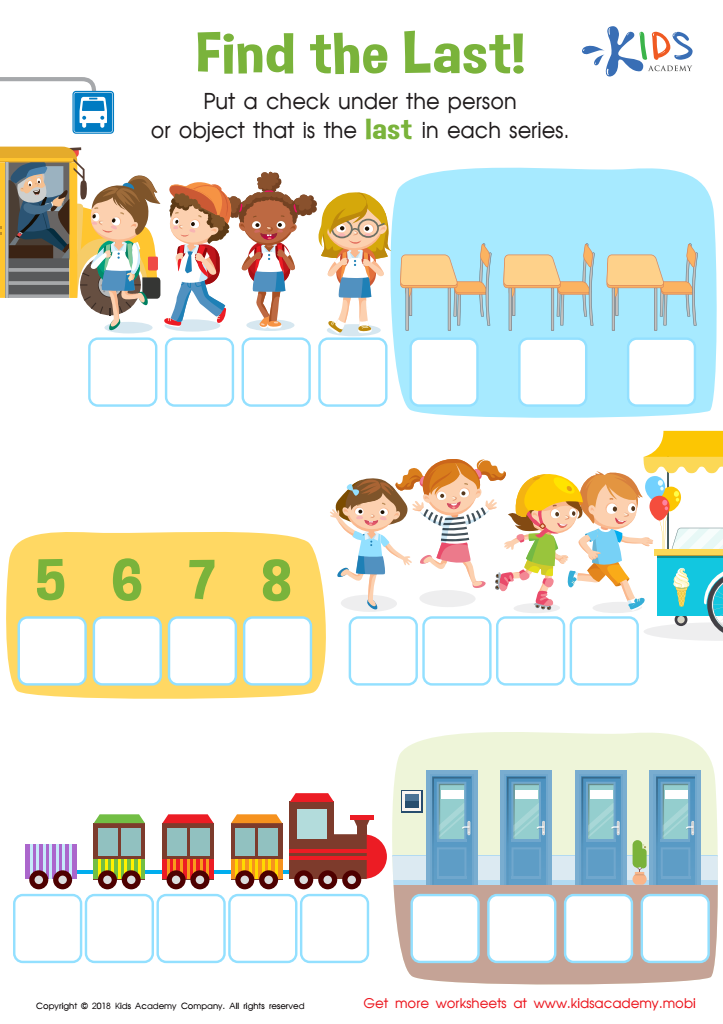
Find the Last! Worksheet
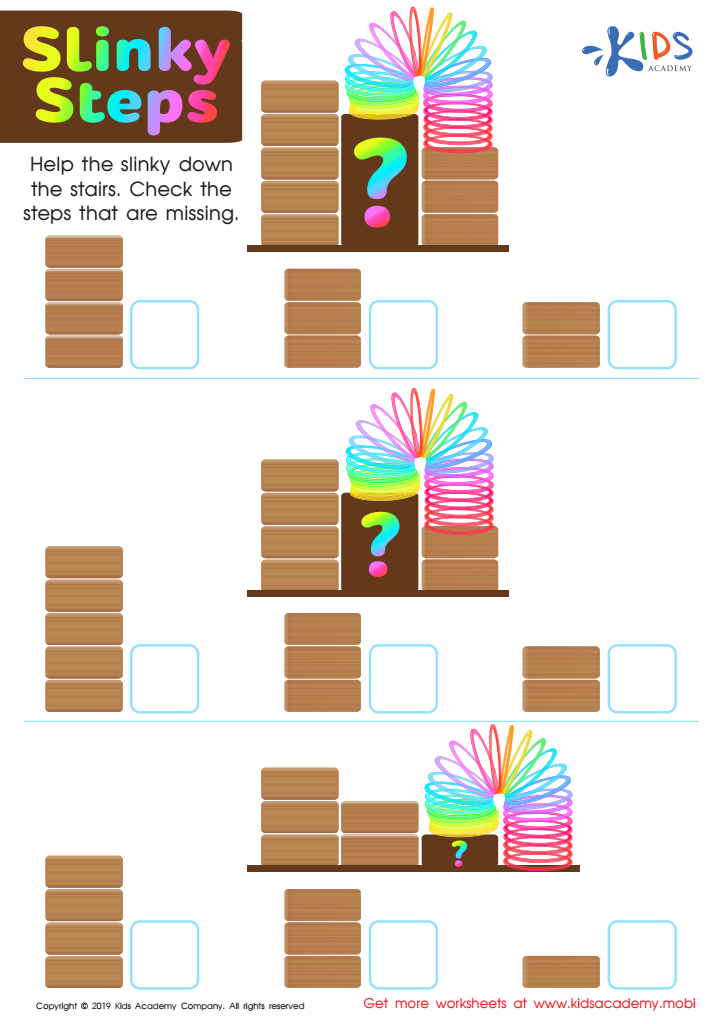
Slinky Steps Worksheet
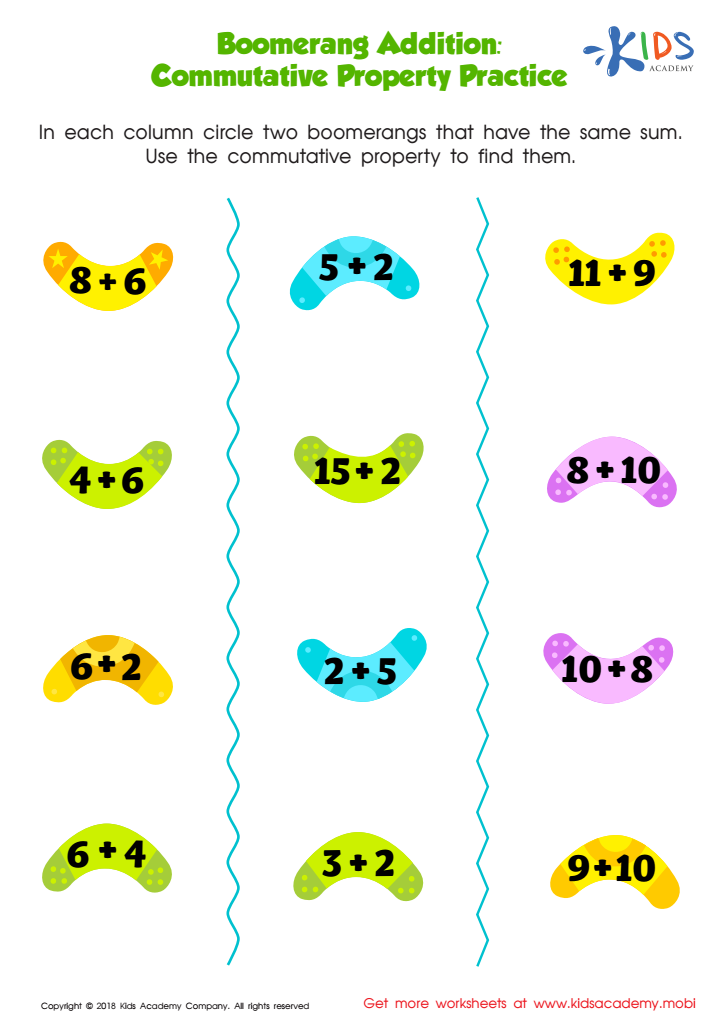
Boomerang Addition Worksheet
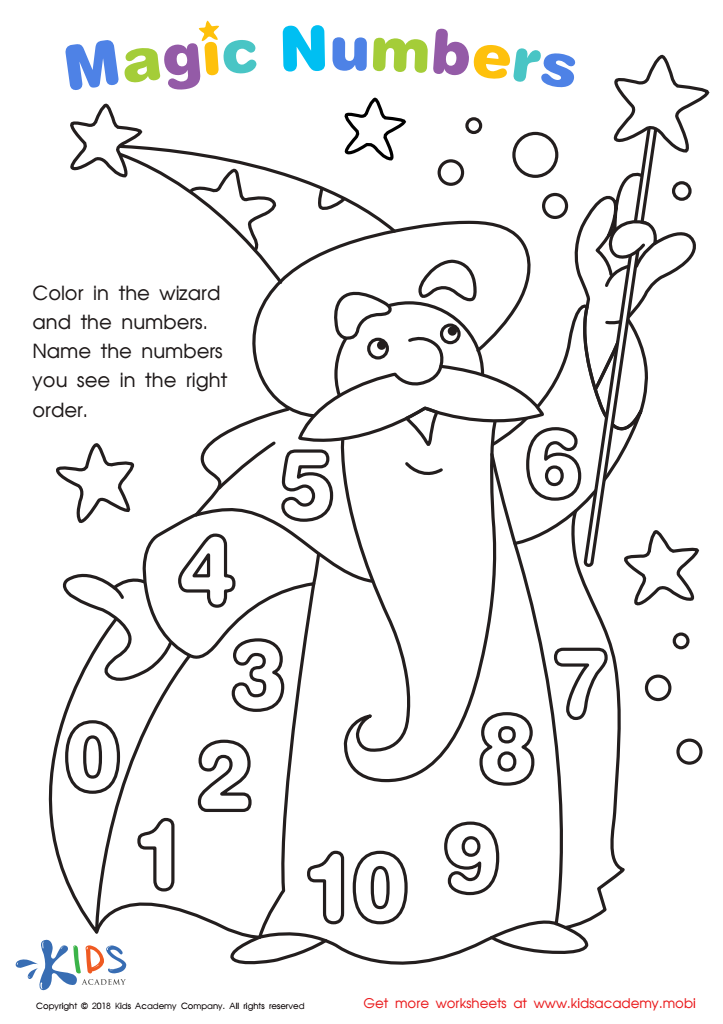
Magic Numbers Worksheet
 Assign to My Students







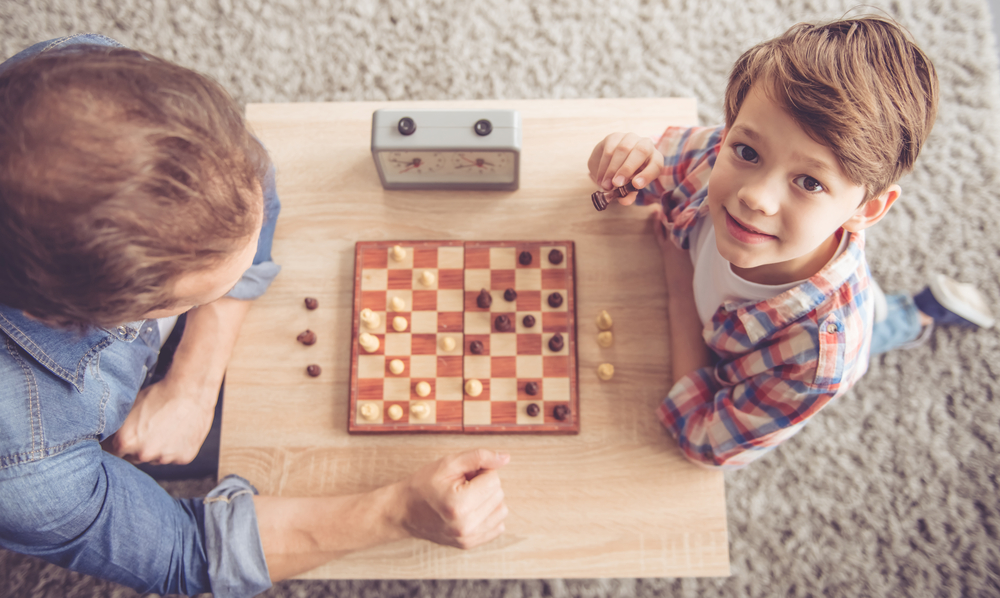
Understanding patterns and numbers from an early age is crucial for children ages 3 to 6 because it lays the foundational groundwork for future mathematical proficiency and critical thinking skills. Patterns help young learners recognize order and predictability in their environment, which is essential for problem-solving and logical reasoning. When children identify and create patterns, they boost their cognitive processes by learning sequencing, which is directly linked to their ability to understand more complex mathematical concepts later.
Moreover, early exposure to numbers and patterns helps children develop a comfort and familiarity with quantification, counting, and number recognition. This early numeracy primes them for more advanced arithmetic, such as addition, subtraction, and even multiplication, as they progress in their education.
For parents and teachers, fostering an environment enriched with patterns and numerical activities can encourage curiosity, enhance memory, and promote a positive attitude towards learning. Simple, engaging activities, such as sorting objects, clapping rhythms, or identifying numeric sequences in everyday contexts, can be both fun and educational. By prioritizing these learning experiences, parents and teachers not only equip children with essential skills but also kindle a lifelong love for mathematics and learning.








