Shape comparison Math Worksheets for Ages 3-6
3 filtered results
-
From - To
Introducing our engaging Shape Comparison Math Worksheets, specially designed for children ages 3-6! These worksheets provide a fun and interactive way for young learners to explore concepts of shape recognition and comparison. With colorful visuals and age-appropriate exercises, kids will develop essential math skills while identifying similarities and differences among various shapes. Perfect for home or classroom use, these worksheets encourage critical thinking and creativity. Ideal for preschool and kindergarten teachers seeking effective resources, our Shape Comparison Math Worksheets nurture a positive learning environment while building a strong foundation in math. Download yours today and watch your child’s confidence soar!
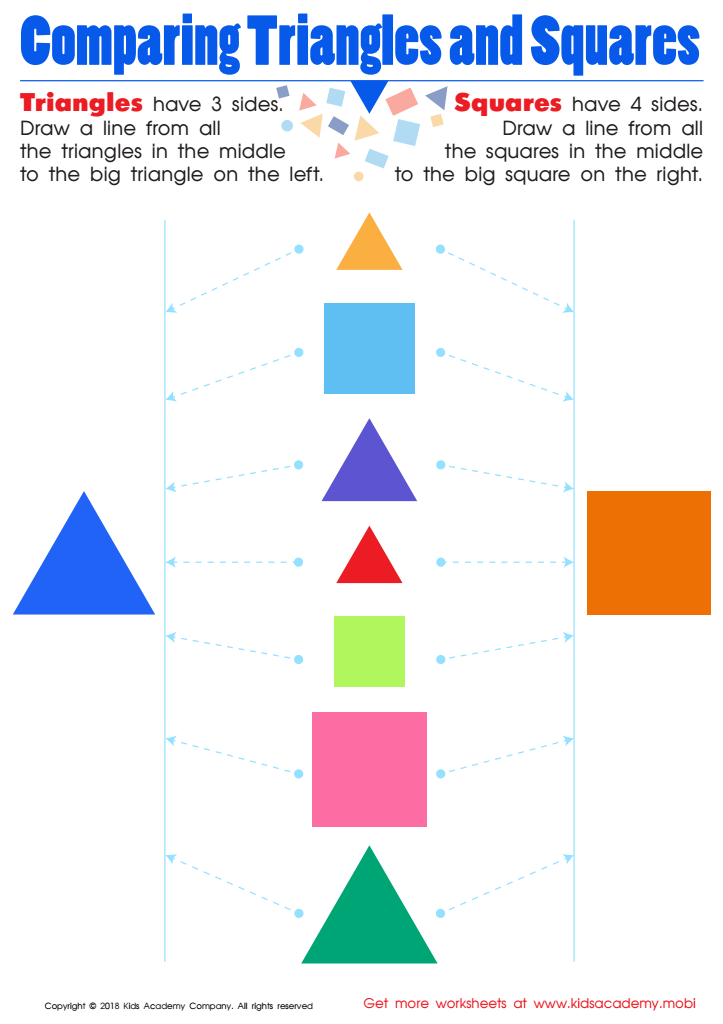
Comparing Triangles Squares Worksheet
 Assign to My Students
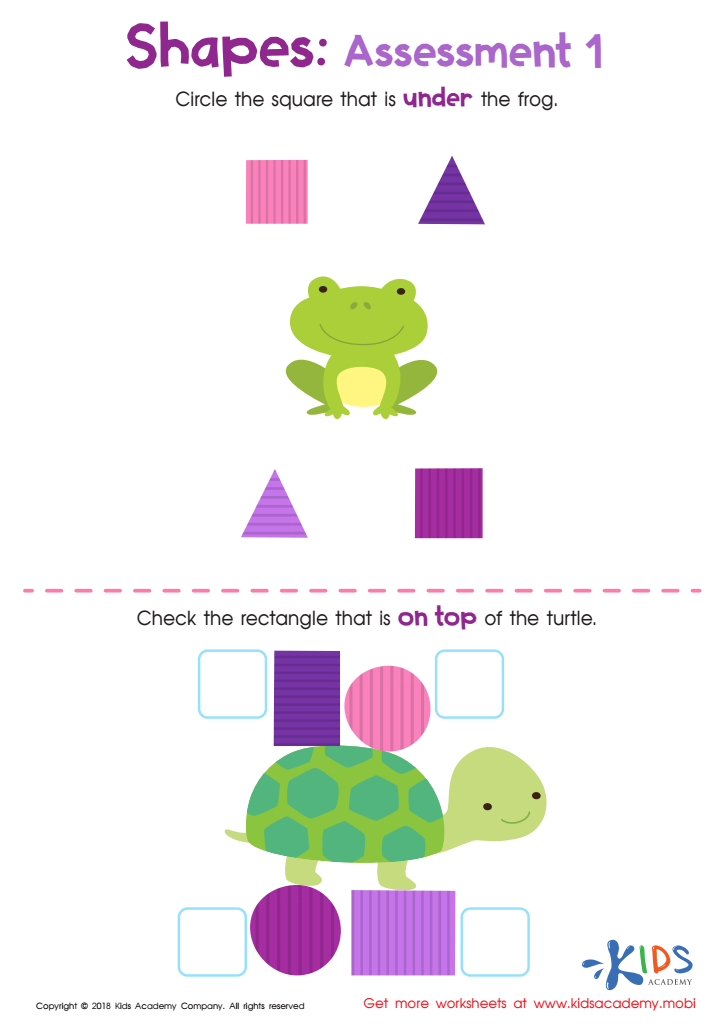
Geometry – Assessment 1 Worksheet
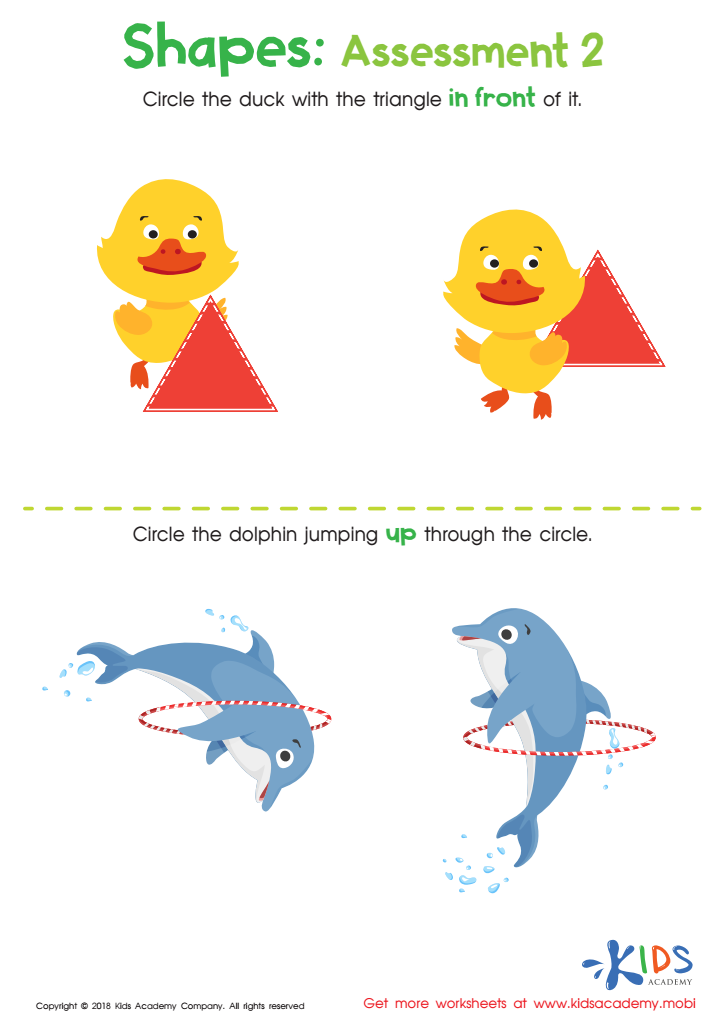
Geometry – Assessment 2 Worksheet







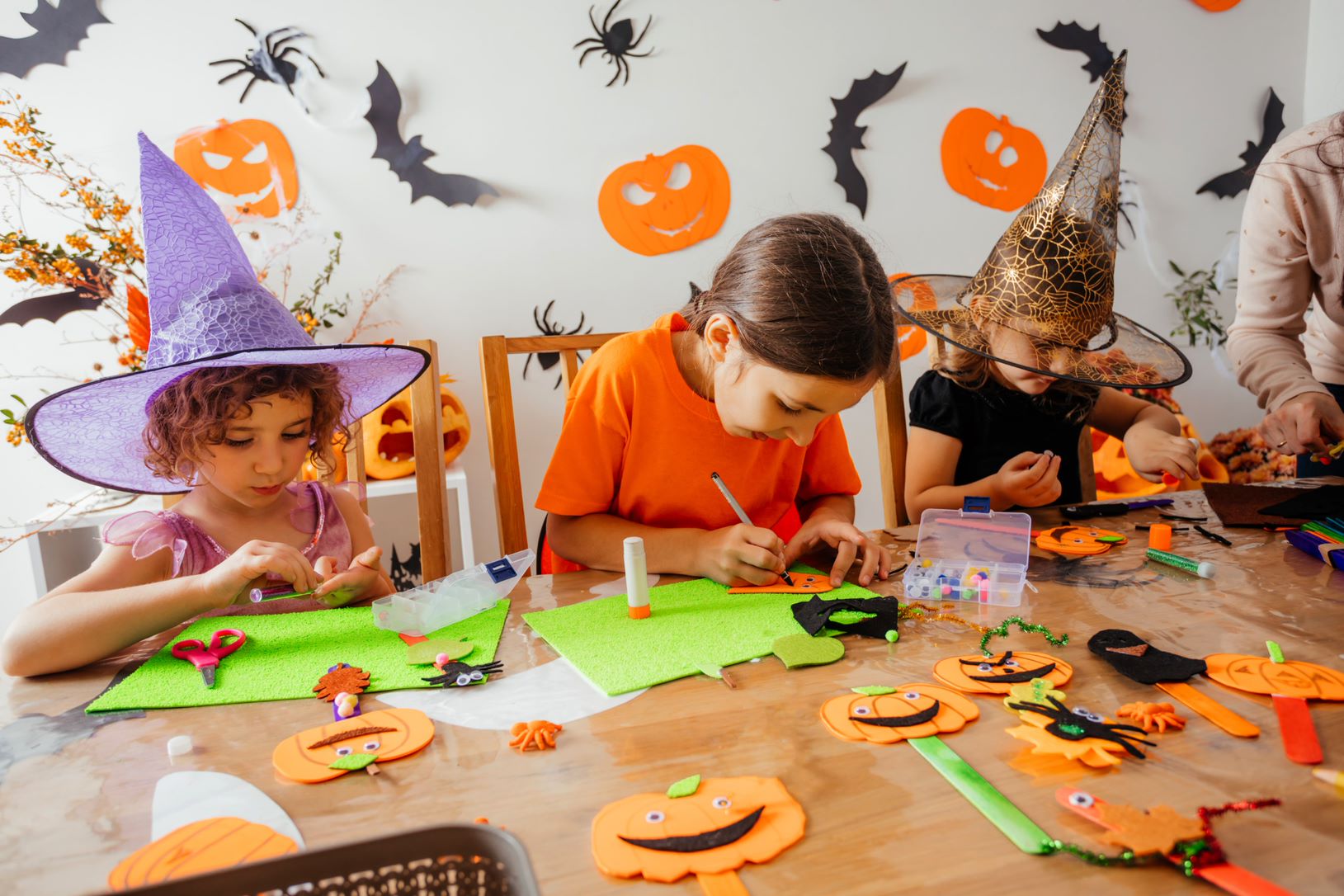
Shape comparison mathematics is crucial for children aged 3-6 as it lays a foundational understanding for future mathematical concepts. During these formative years, young learners develop critical thinking and problem-solving skills. Engaging in shape comparison activities helps children recognize differences and similarities between various shapes, which fosters cognitive skills such as sorting, classifying, and reasoning.
Moreover, shape comparison enhances spatial awareness by teaching children to visualize and manipulate objects in space. This skill is essential not only for geometry but also for daily life tasks, like navigating through environments. Parents and teachers can leverage shape comparison as a fun and interactive way to promote language development, encouraging children to express their thoughts and understanding of shapes verbally.
Furthermore, early exposure to comparison skills prepares children for more complex mathematical operations like addition and subtraction that involve quantitative reasoning later on. Integrating shape comparison into educational activities cultivates enthusiasm for learning and mathematics. By prioritizing this aspect of early education, caregivers are not only building essential math skills but also encouraging a lifelong appreciation for numbers, shapes, and the world around them. Thus, it’s vital for parents and teachers to invest time in this engaging learning process.








