Shape Recognition Math Worksheets for Ages 3-6 - Page 3
65 filtered results
-
From - To
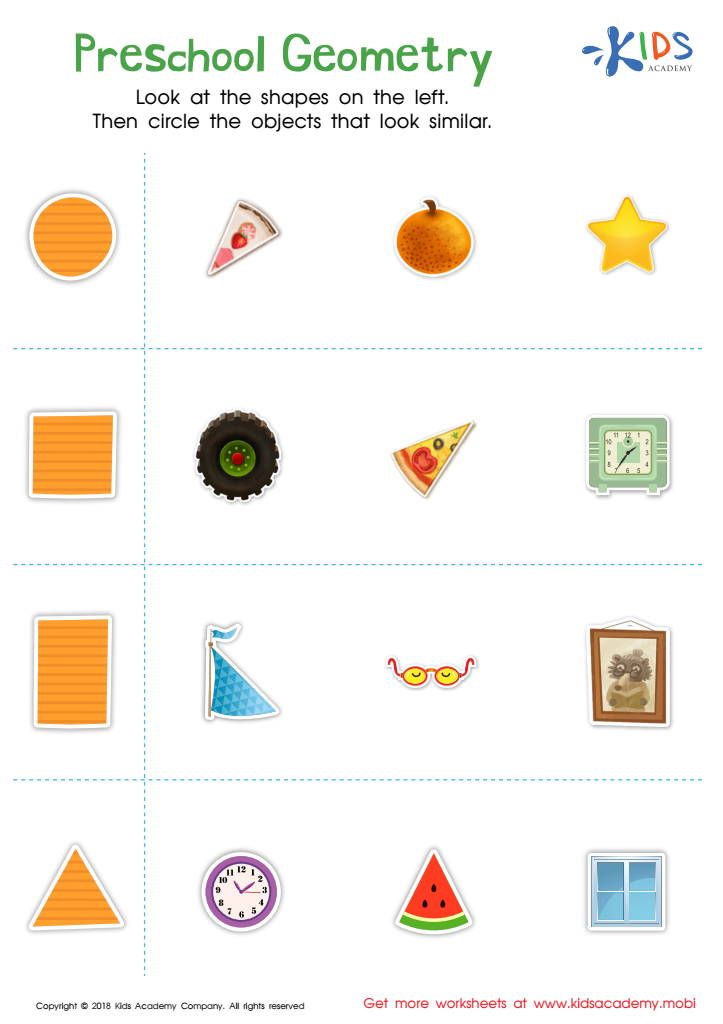
Preschool Geometry Worksheet
 Assign to My Students
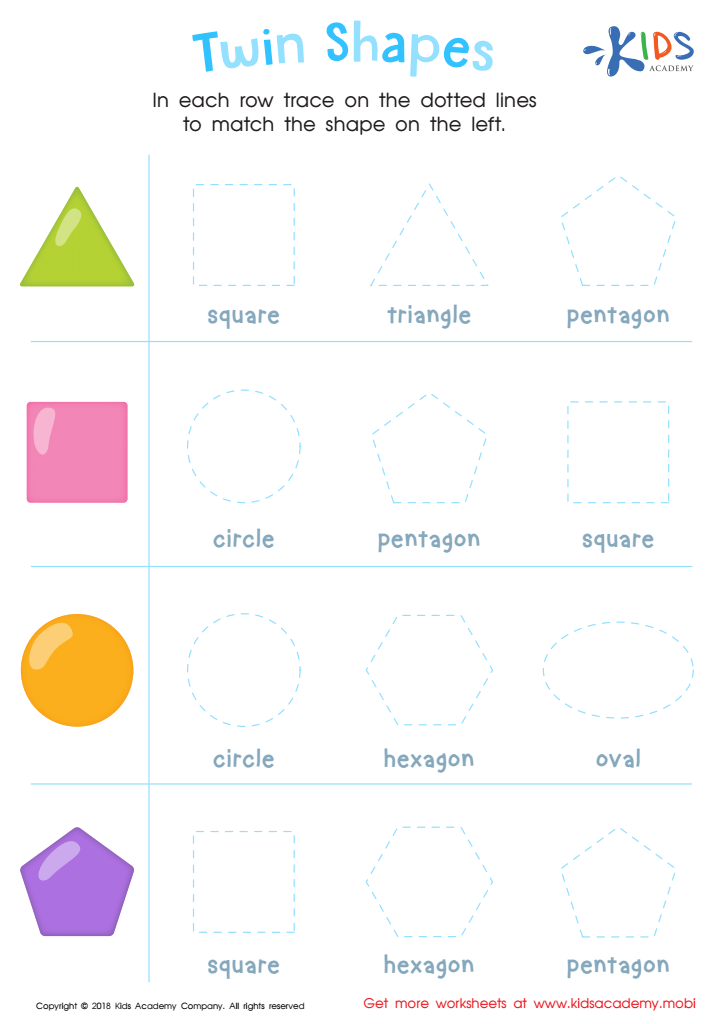
Twin Shapes Dot-to-Dot Worksheet
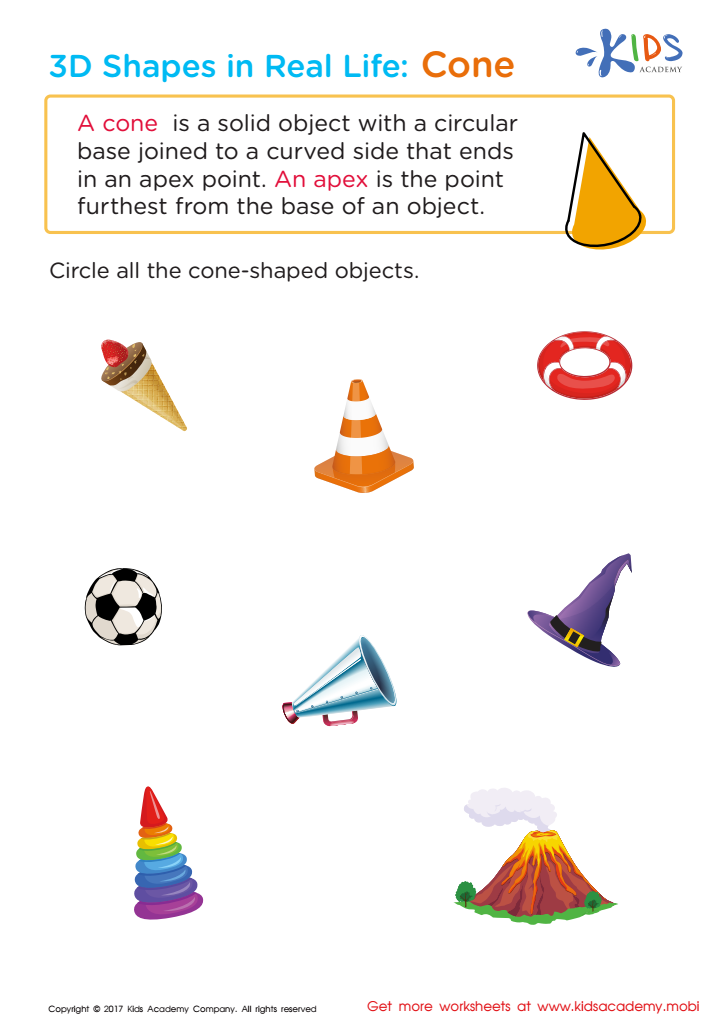
Shapes in Real Life: Cone Worksheet
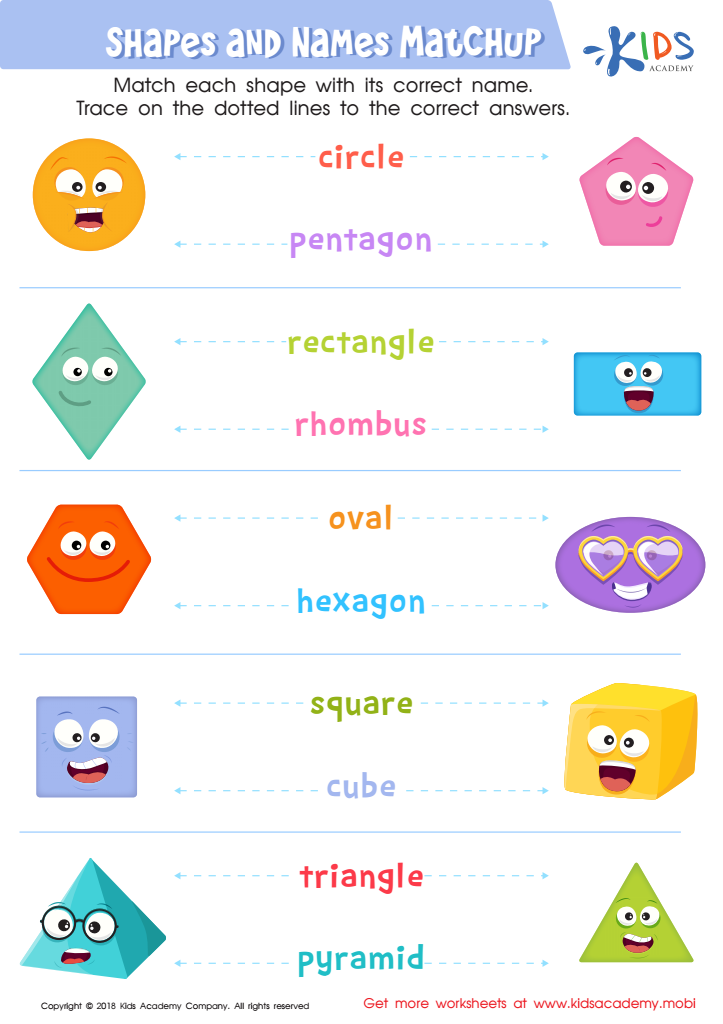
Shapes and Names Matchup Worksheet
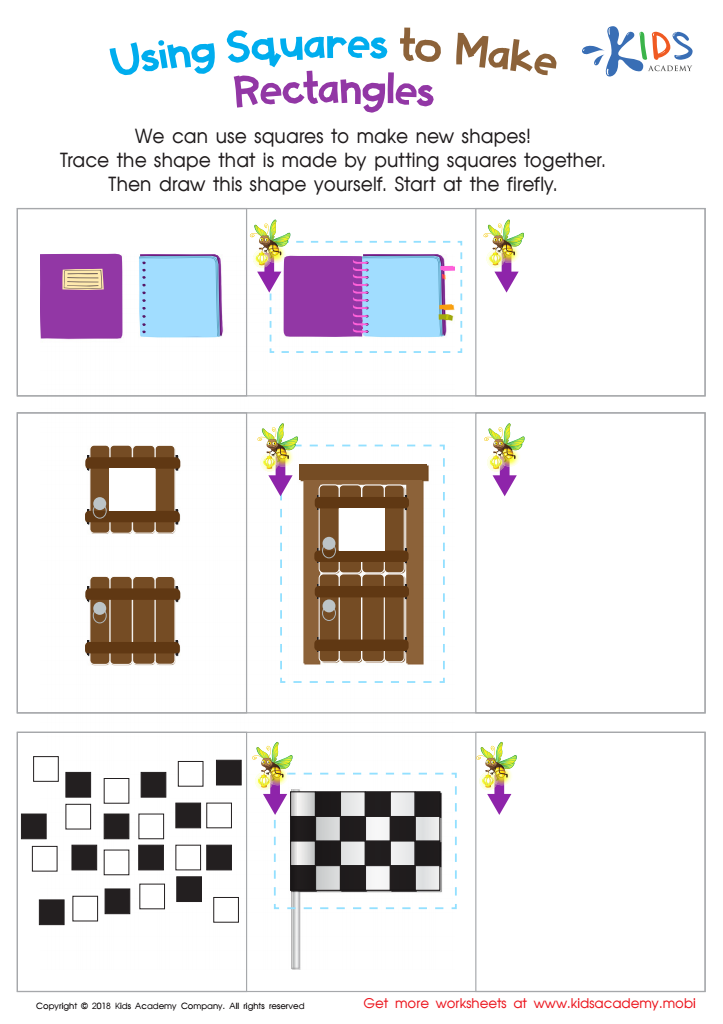
Using Squares to Make Rectangles Worksheet
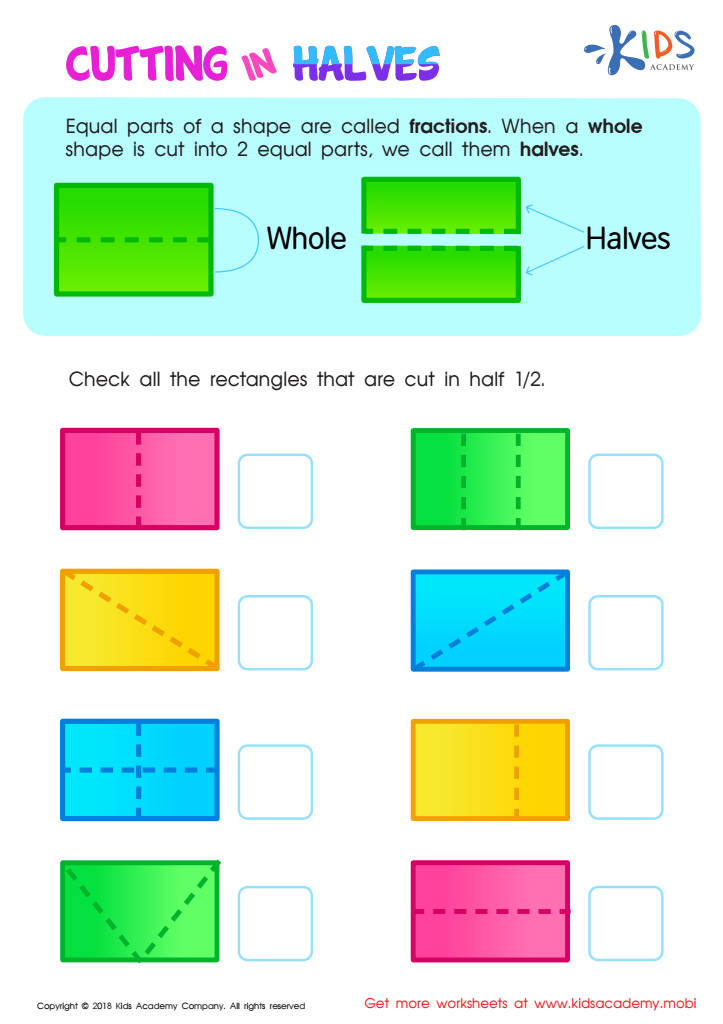
Cutting in Halves Worksheet
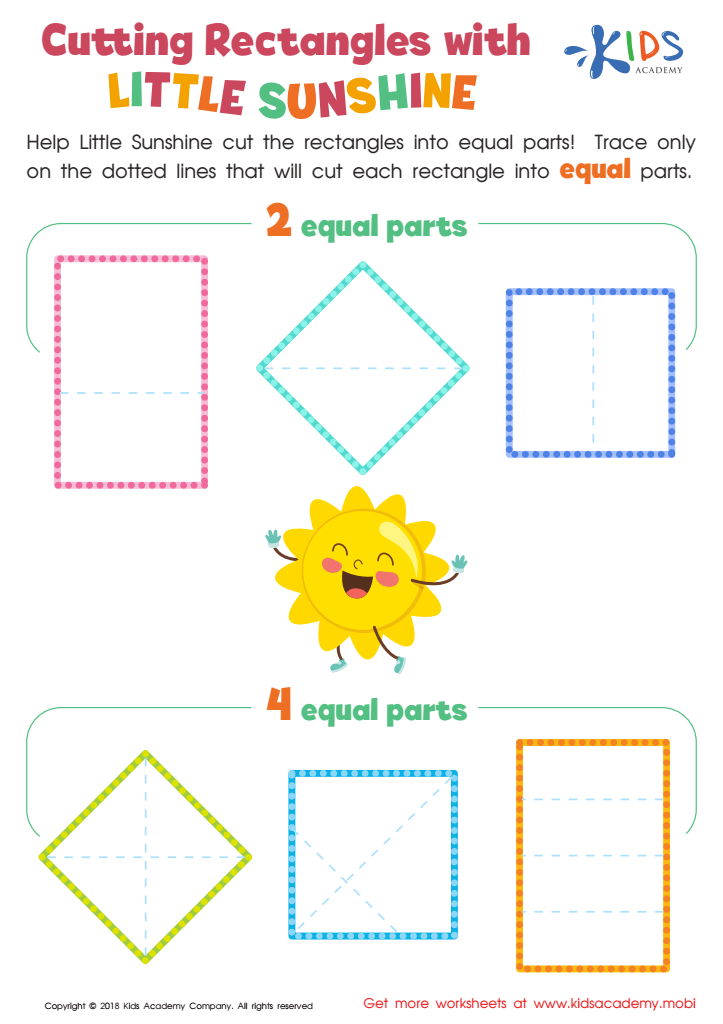
Cutting Rectangles with Little Sunshine Worksheet
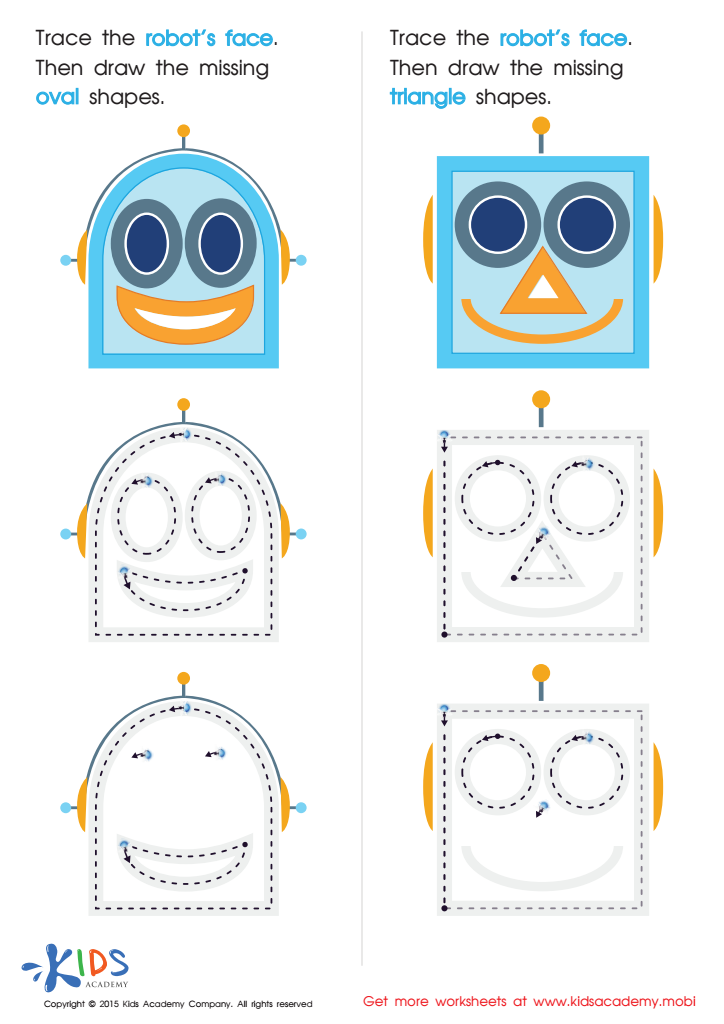
Drawing Ovals And Triangles with Fun Printable
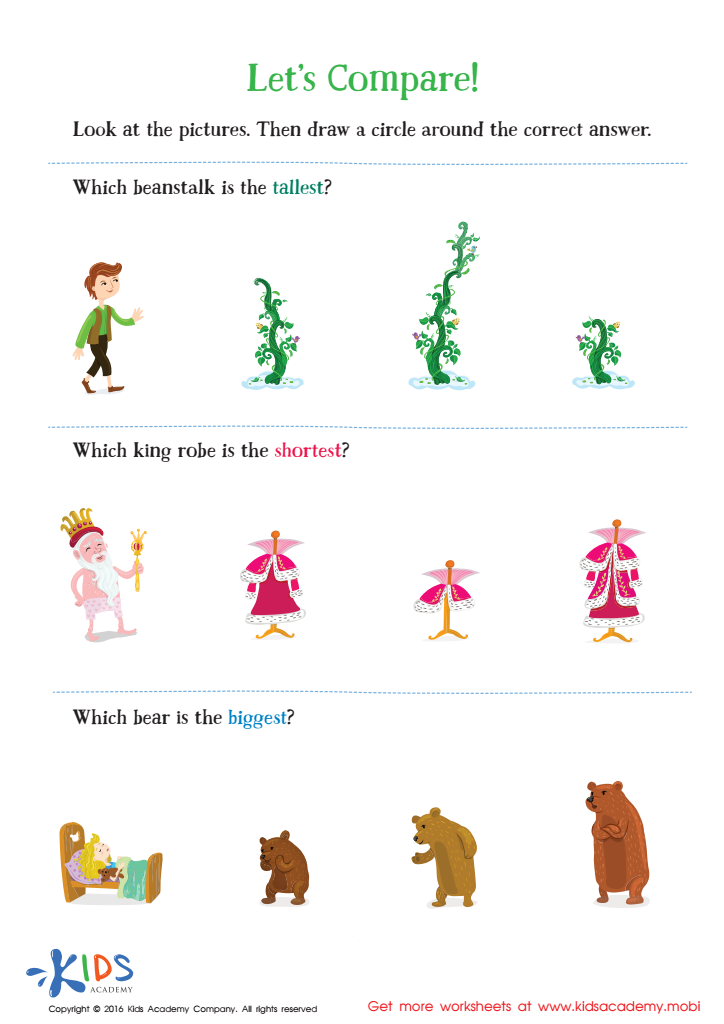
Fairy Tale Worksheet: Let's Compare
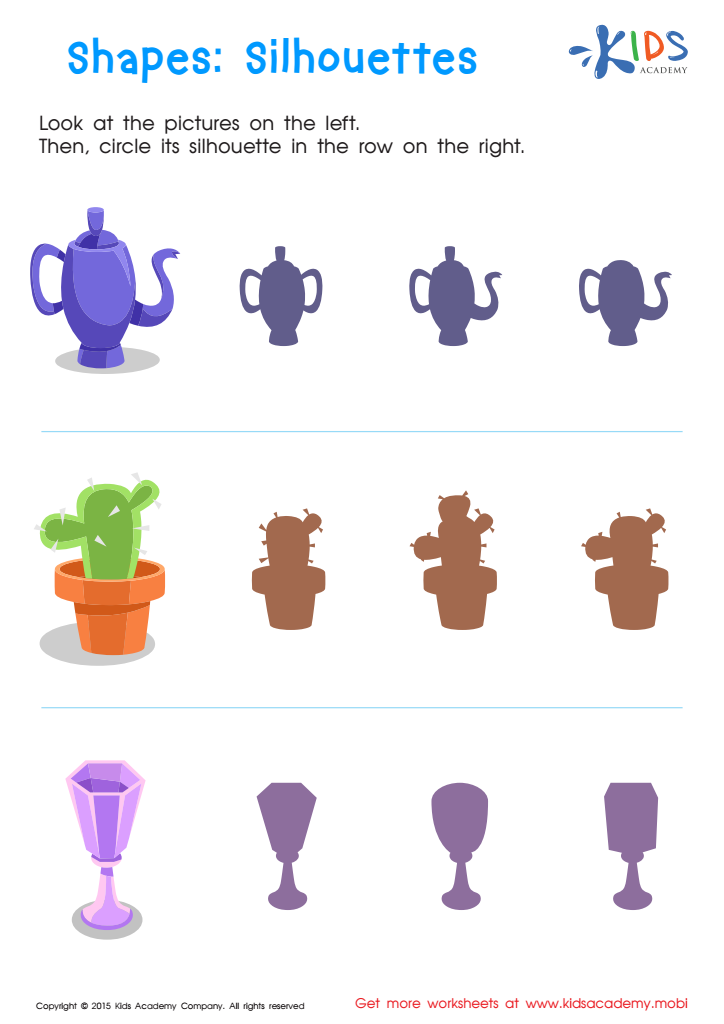
Silhouettes – Shapes Worksheet
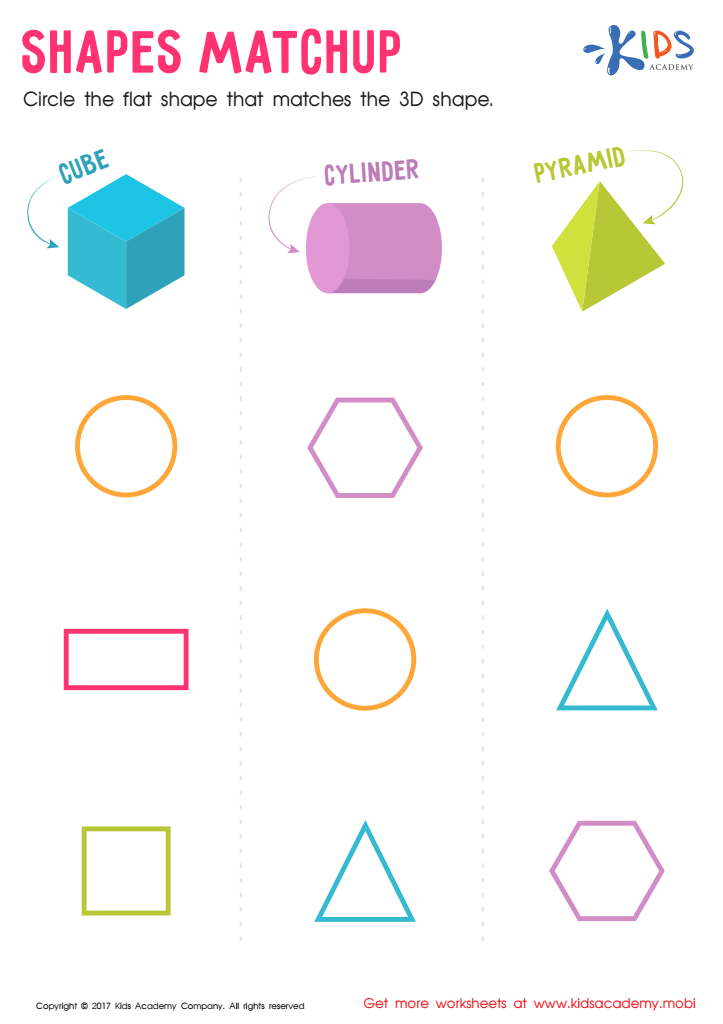
Shapes Matchup Worksheet
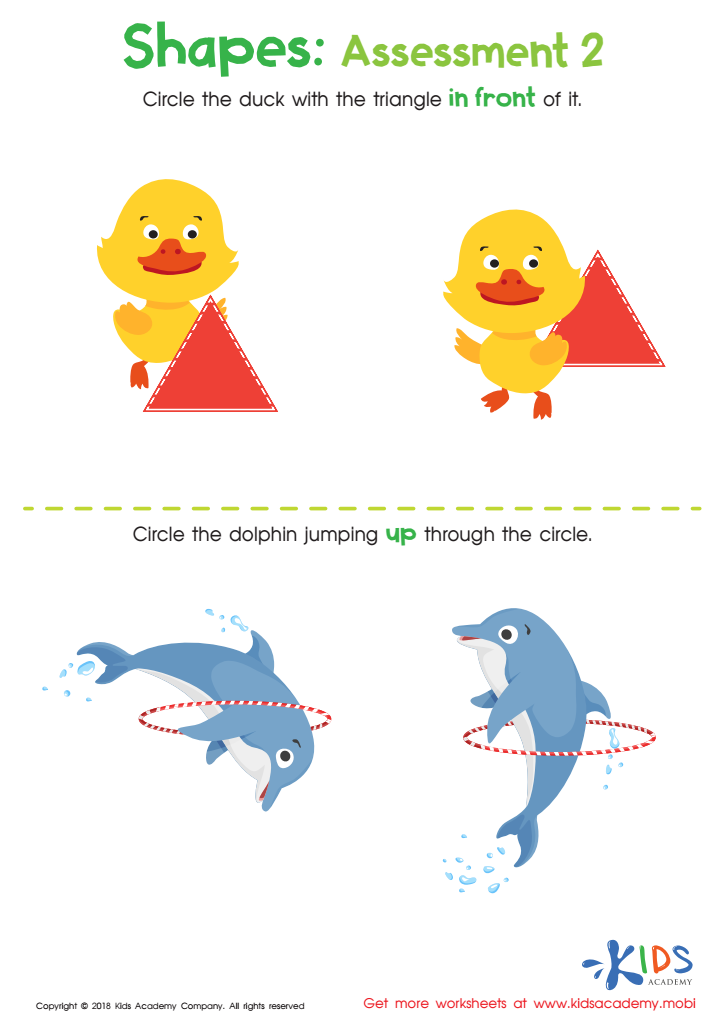
Geometry – Assessment 2 Worksheet
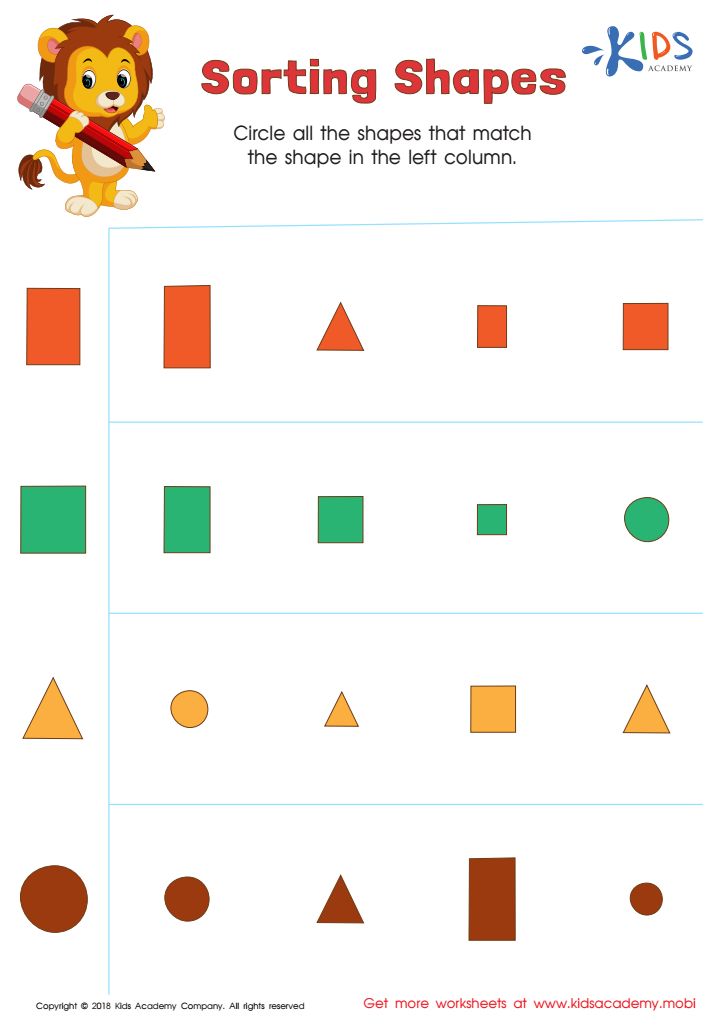
Sorting Shapes - Part 2 Worksheet
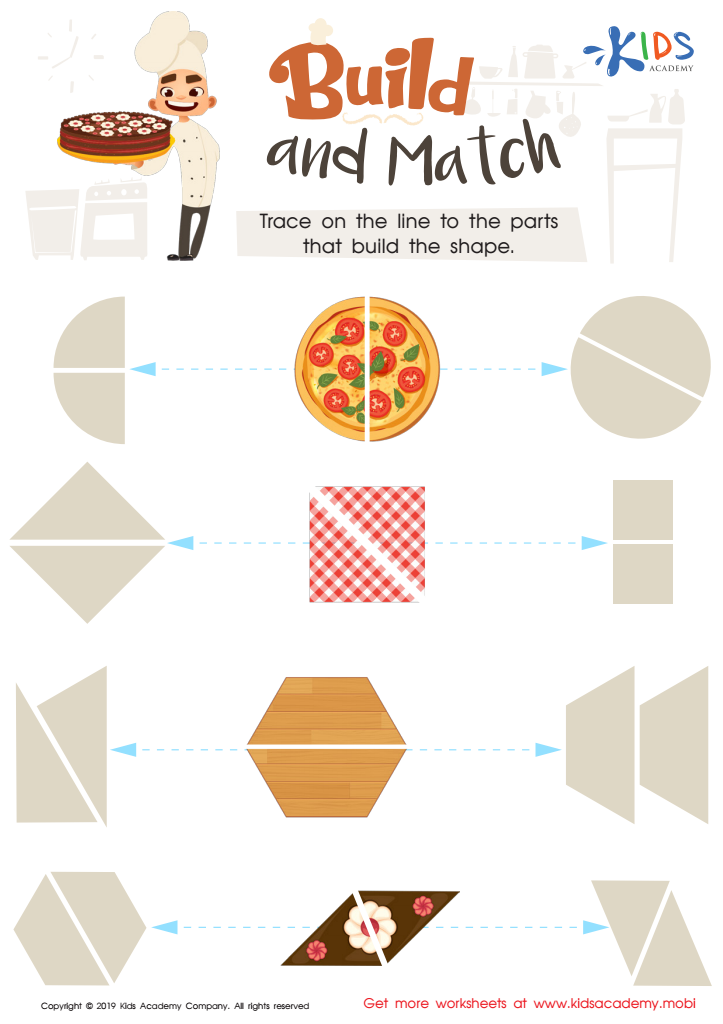
Build and Match Worksheet
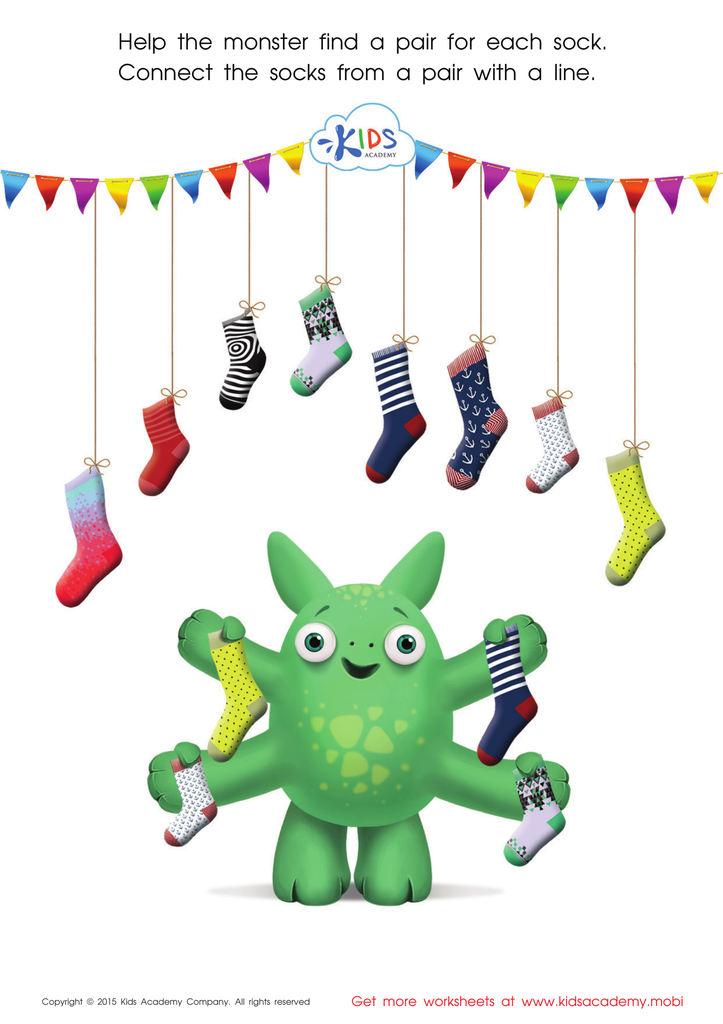
Math Matching Pairs Game: Monsterв's Socks Worksheet
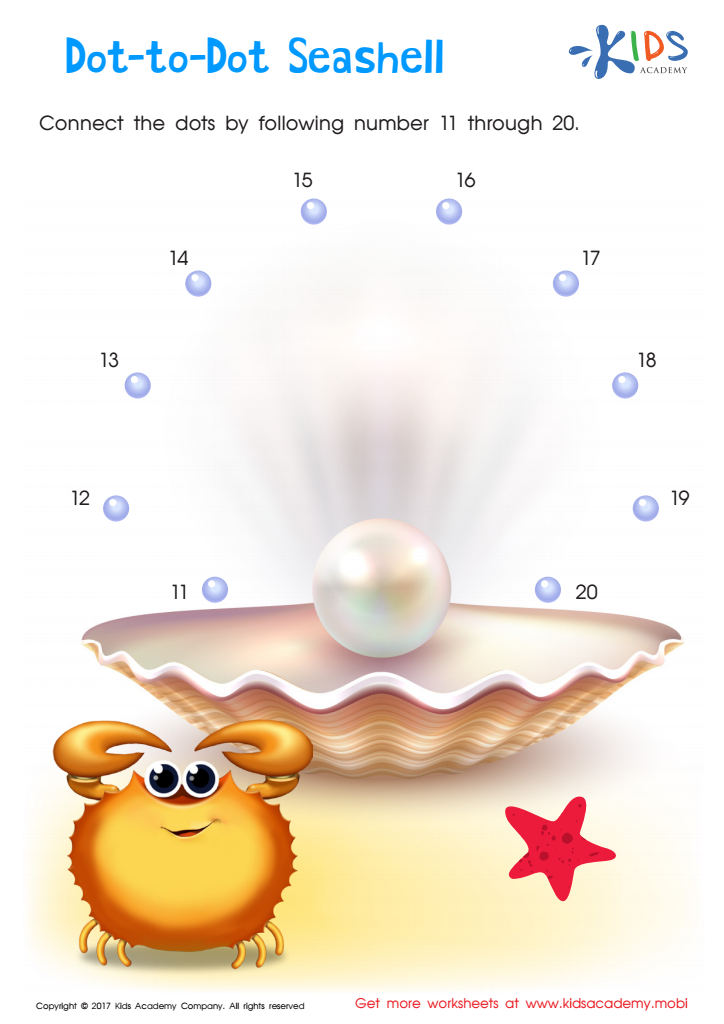
Ordering 11–20: Dot–to–dot Seashell Printable
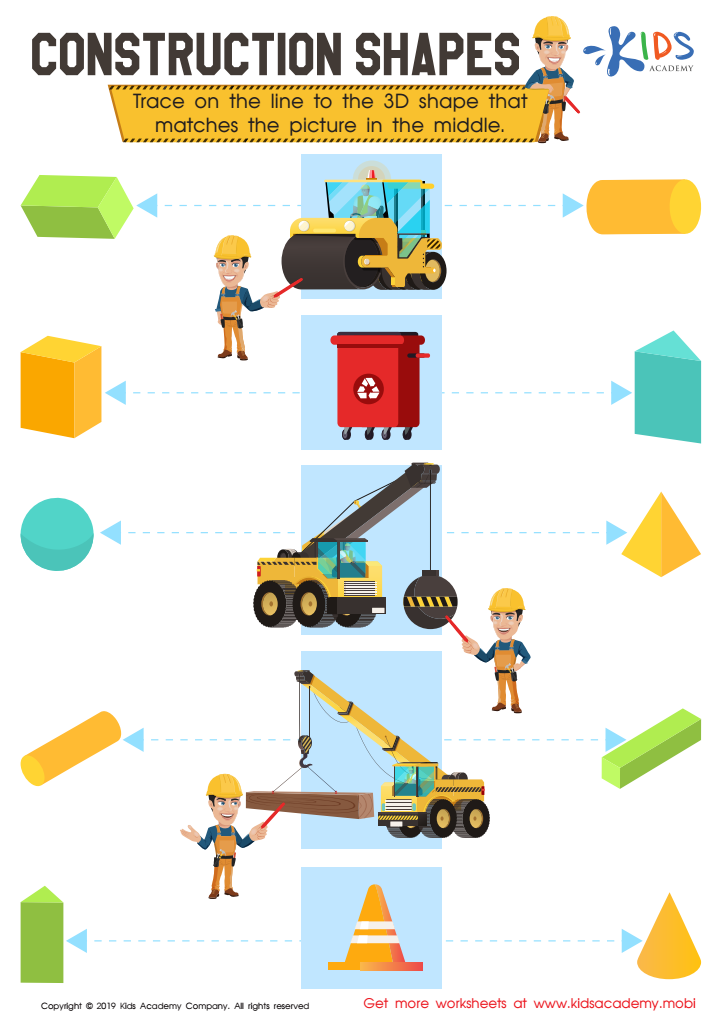
Construction Shapes Worksheet








Parents and teachers should prioritize shape recognition math for children aged 3-6 because it lays the foundation for essential cognitive and spatial skills. Engaging young minds in recognizing and identifying shapes not only enhances their ability to observe and describe the world around them but also supports mathematical learning. Shape recognition helps children understand geometry concepts, which are fundamental to future mathematical problem-solving.
Moreover, early exposure to shapes aids in developing important visual-spatial skills required for reading and writing. Children learn to distinguish between different shapes, contributing to their ability to decipher letters and numbers, leading to improved literacy and numeracy skills. Activities involving shape recognition also improve fine motor skills and hand-eye coordination when children draw, cut, or trace shapes.
Socio-emotionally, discussing and exploring shapes encourages language development and fosters interactive learning. Kids learn to use descriptive language, enhance their vocabulary, and communicate their ideas more effectively. This interactive aspect can make learning enjoyable, nurturing a positive attitude towards education.
Overall, shape recognition math in early childhood is a multifaceted tool that bridges visual, cognitive, and motor development. It sets the stage for more complex learning, fostering holistic growth crucial for a child’s academic and everyday success.








