Understanding symmetry Math Worksheets for Ages 3-6
5 filtered results
-
From - To
Discover an engaging way to teach young learners about symmetry with our "Understanding Symmetry Math Worksheets" designed specifically for ages 3-6. These worksheets provide a variety of fun activities that will help children grasp the concept of symmetry through hands-on practice. Featuring colorful illustrations and interactive tasks, they encourage creativity while promoting critical thinking skills. From mirror images to identifying symmetrical shapes, your child will explore the world of symmetry in an enjoyable manner. Perfect for parents and educators alike, these worksheets are ideal for enhancing early math skills in a playful environment. Start your child's journey into the world of math today!
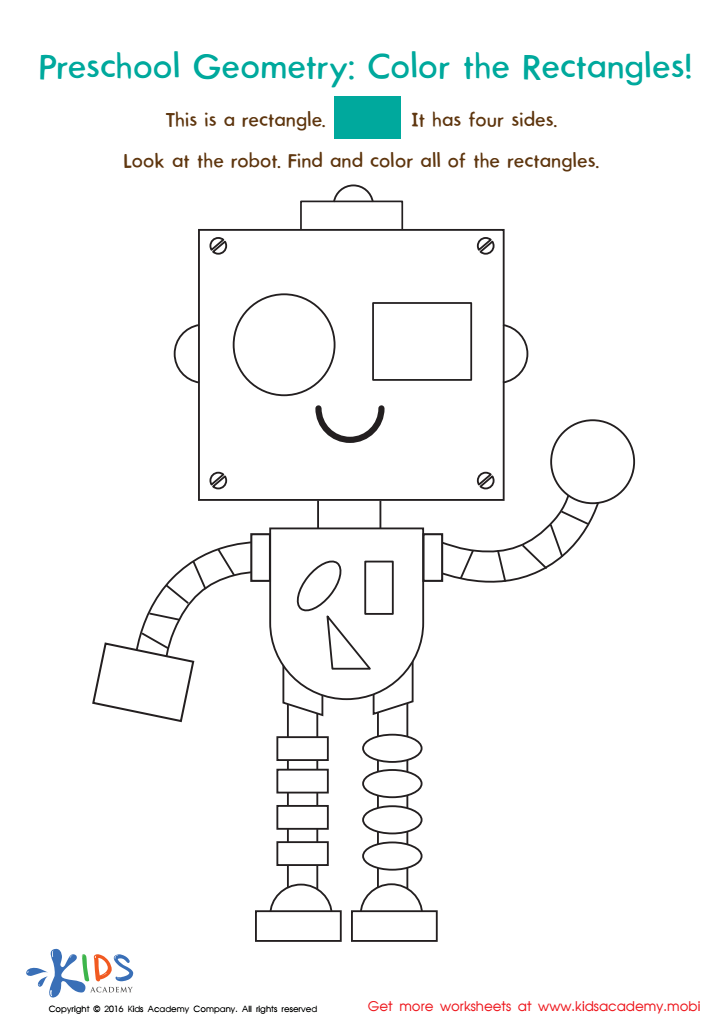
Geometry Worksheet
 Assign to My Students
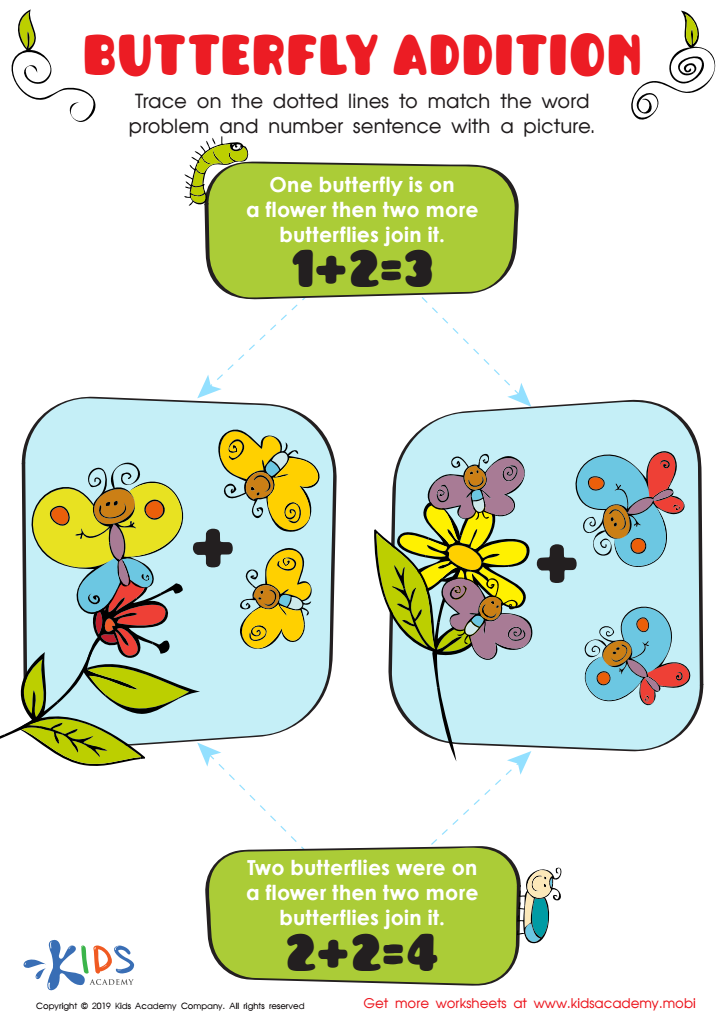
Butterfly Addition Worksheet
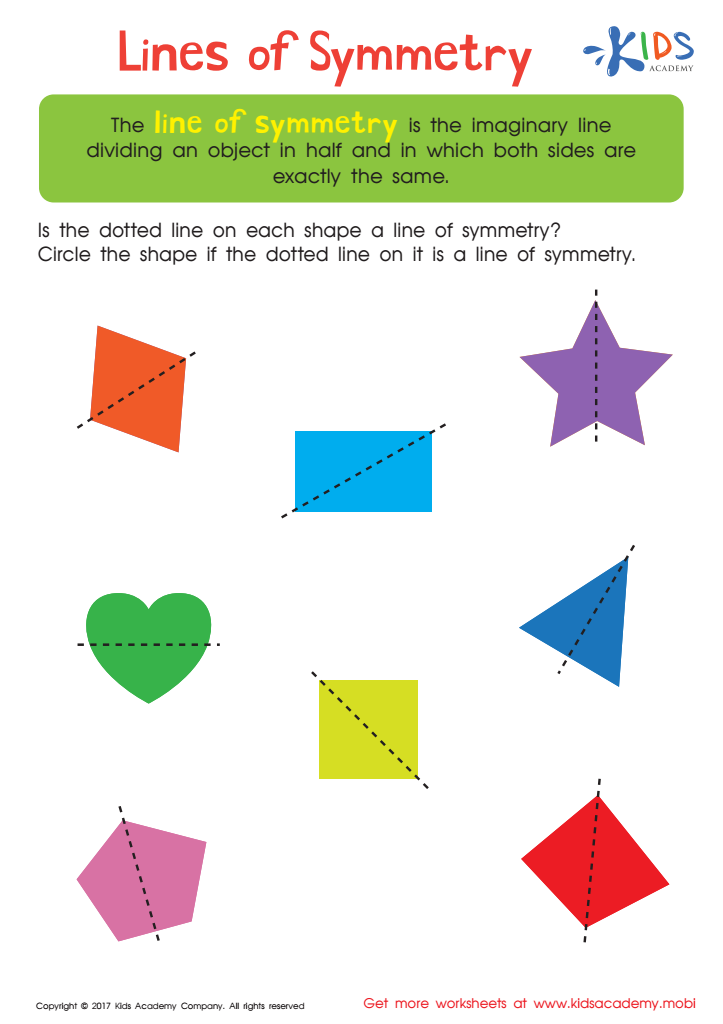
Lines of Symmetry Printable
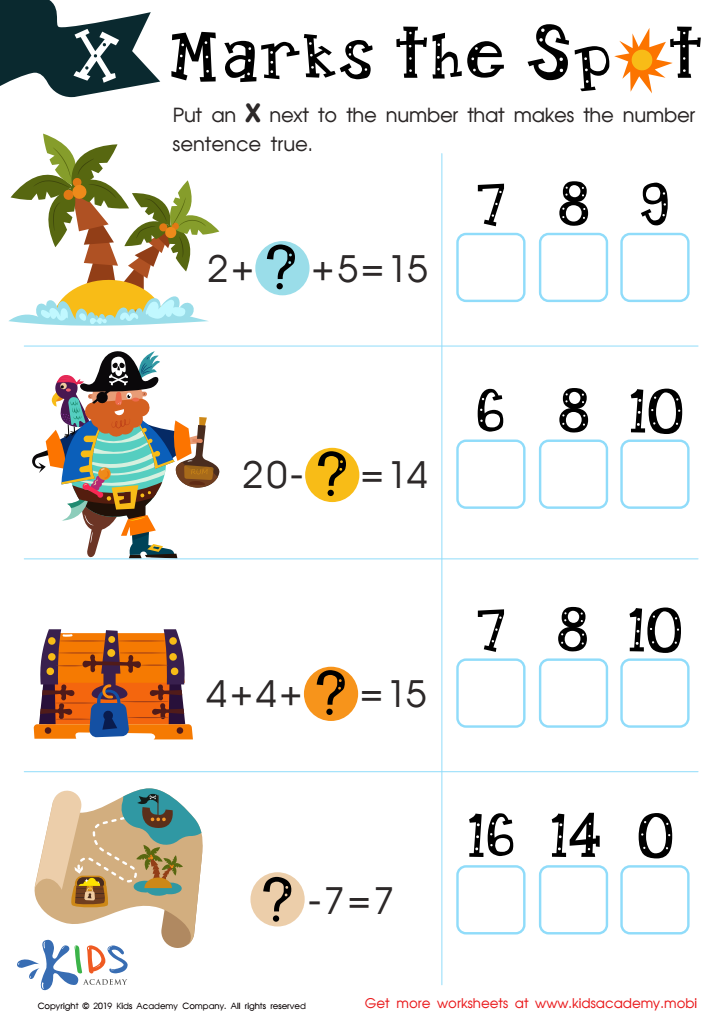
X Marks the Spot Worksheet
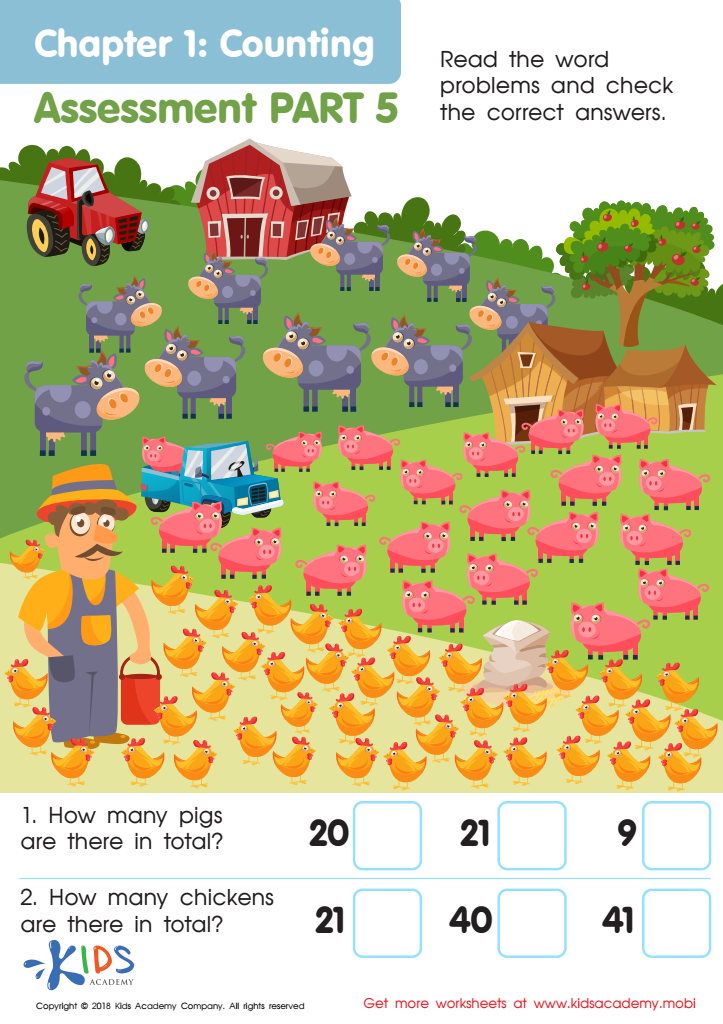
Counting: Assessment 5 Worksheet








Understanding symmetry is essential for young children's mathematical development, particularly for those aged 3-6. At this age, kids are naturally curious about shapes and patterns, and introducing them to symmetry lays the groundwork for critical thinking skills and visual-spatial awareness. Recognizing symmetrical patterns enhances children’s ability to make connections between different concepts, which is vital for later mathematical learning.
Symmetry also nurtures creativity and improves fine motor skills. Activities like drawing, cutting, or folding symmetrical shapes allow children to express themselves while developing hand-eye coordination. Furthermore, symmetry is everywhere in nature and art, illustrating its relevance to the world around them.
When parents or teachers engage children in discussions and activities centered around symmetry, they foster a sense of wonder and exploration. This not only builds a strong mathematical foundation but also encourages problem-solving skills. Supporting children to recognize and understand symmetry can inspire a lifelong appreciation for math and the beauty of patterns, ultimately empowering them as learners. Investing time in teaching early symmetries cultivates positive attitudes towards math, setting the stage for more complex mathematical concepts in the future.








