
Visual comprehension Math Worksheets for Ages 3-6
7 filtered results
Difficulty Level
Grade
Age
-
From - To
Subject
Activity
Standards
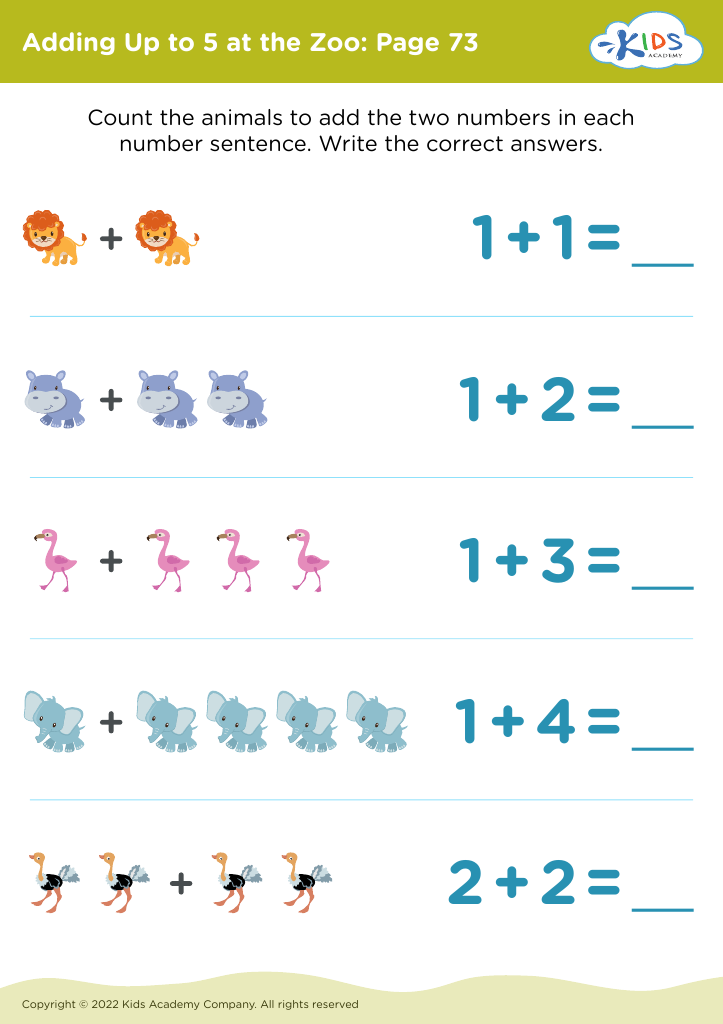
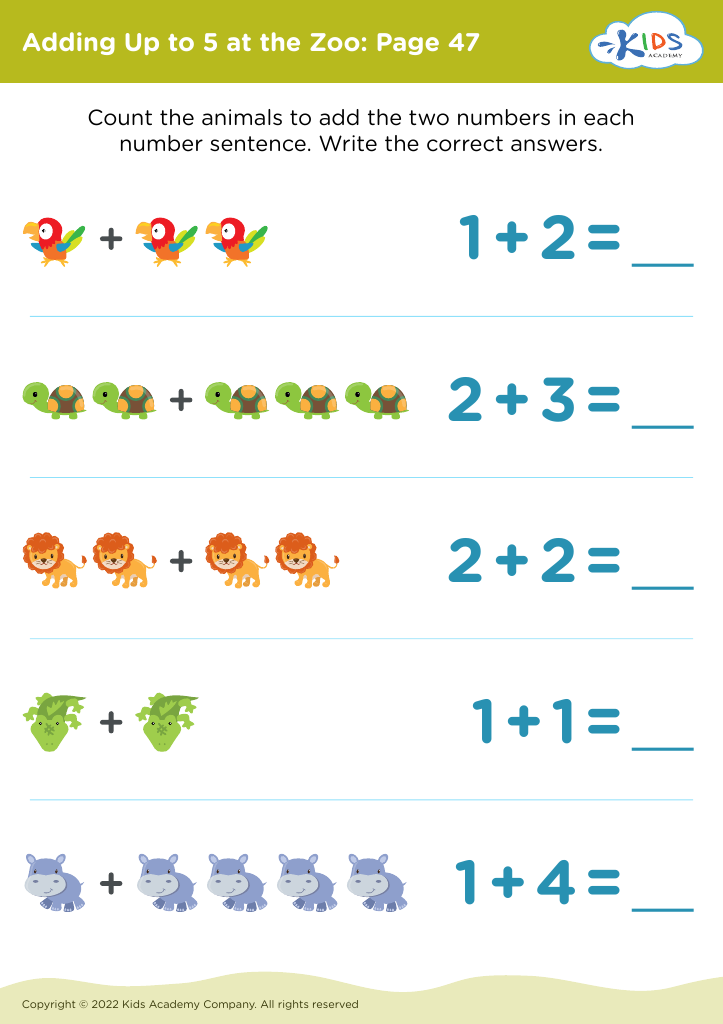
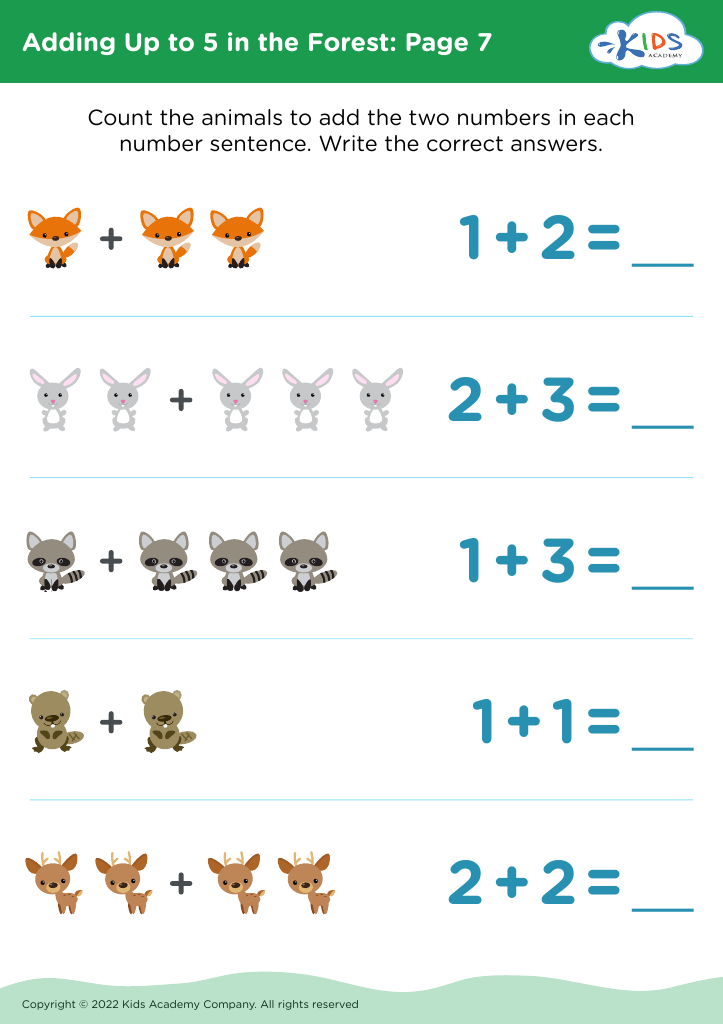
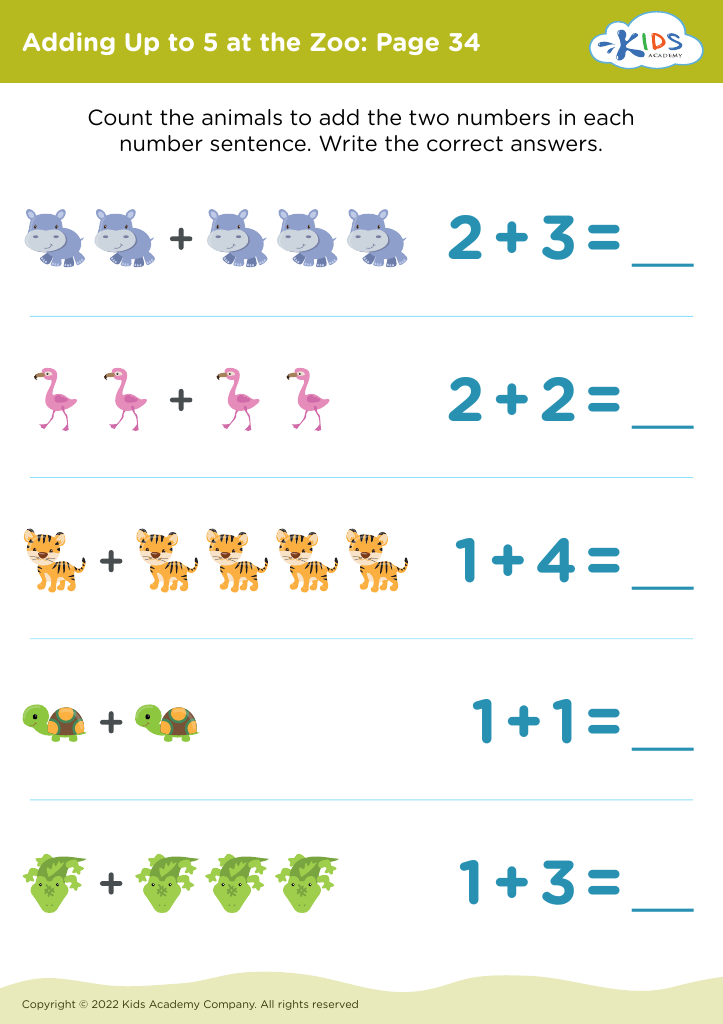
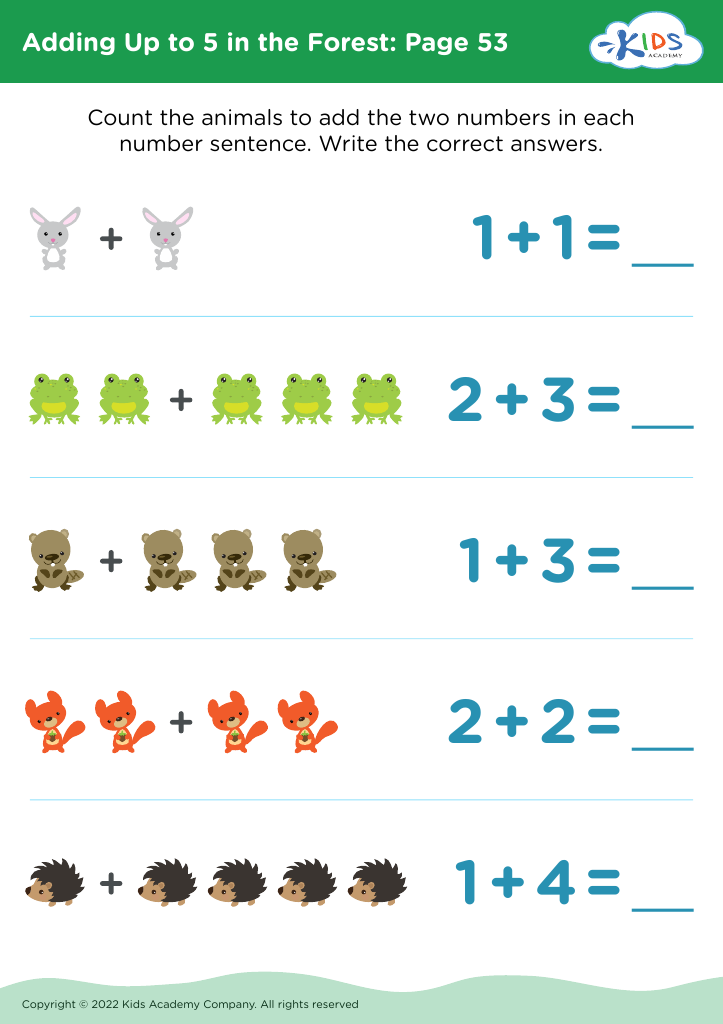
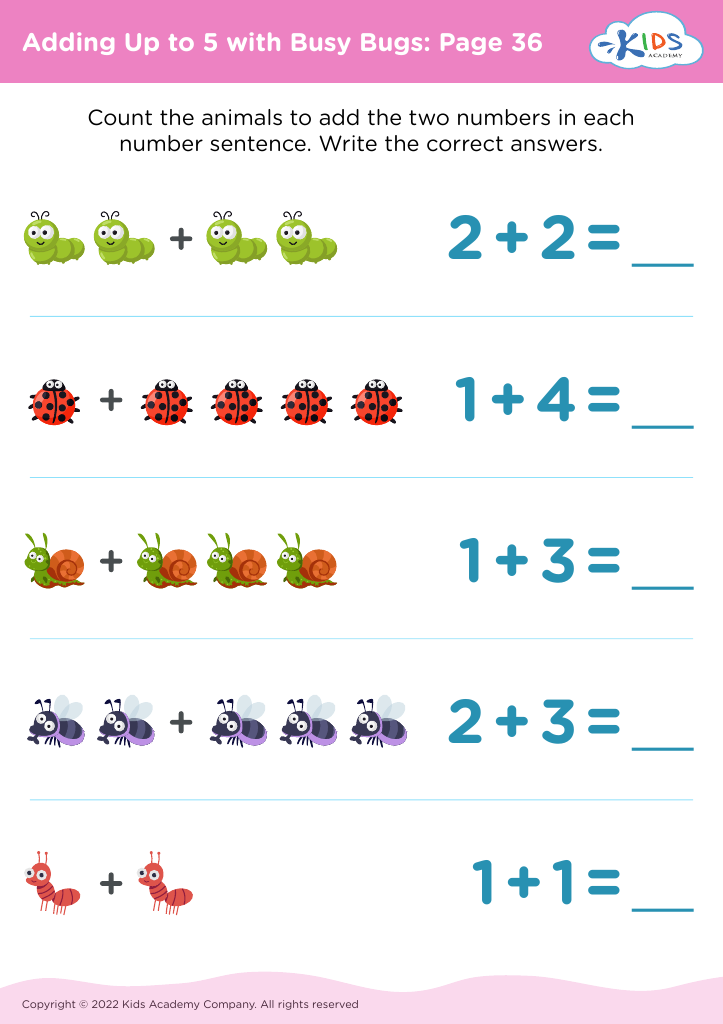
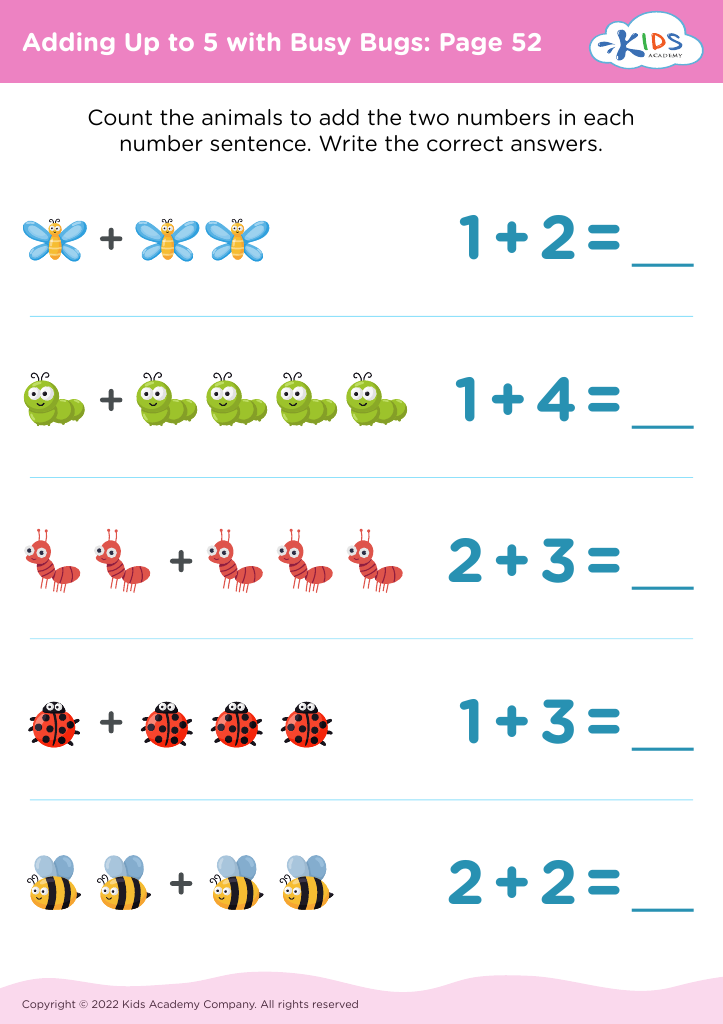
Discover engaging Visual Comprehension Math Worksheets designed for children ages 3-6! These interactive resources help young learners enhance their understanding of math concepts through vibrant visuals and fun activities. Our worksheets encourage critical thinking, pattern recognition, and problem-solving skills, setting a solid foundation for future math success. Each worksheet is thoughtfully crafted to promote visual learning while keeping children entertained and motivated. Parents and educators can easily integrate these tools into their teaching methods to foster a love for math from an early age. Explore our wide range of printable worksheets to support your child’s educational journey today!
Favorites
With answer key
Interactive
Join Kids Academy for Free
Who is primarily going to use this learning content?








Visual comprehension in math for ages 3-6 is vital because it lays the foundation for early cognitive development. During these formative years, children are naturally inclined to explore and understand the world around them through visual experiences. By emphasizing visual comprehension, parents and teachers can enhance a child's ability to identify shapes, patterns, and quantities, which are essential components of mathematical understanding.
Engaging children with visual aids—like counting blocks, number lines, and colorful charts—can make abstract concepts more tangible. This approach not only makes math enjoyable but also fosters critical thinking skills. Furthermore, visual learning supports diverse learning styles; some children grasp concepts more effectively when they observe rather than when they hear instructions.
Additionally, early visual comprehension in math correlates strongly with future academic success. Research indicates that children who grasp visual math concepts in their early years tend to perform better in later grades. Thus, by prioritizing visual comprehension in math education, parents and teachers can empower children to build confidence, enhance problem-solving abilities, and develop a lifelong love of learning. This investment in early math skills creates a strong foundation that positively influences children's academic journey.








