Visual-motor skills Math Worksheets for Ages 3-6
4 filtered results
-
From - To
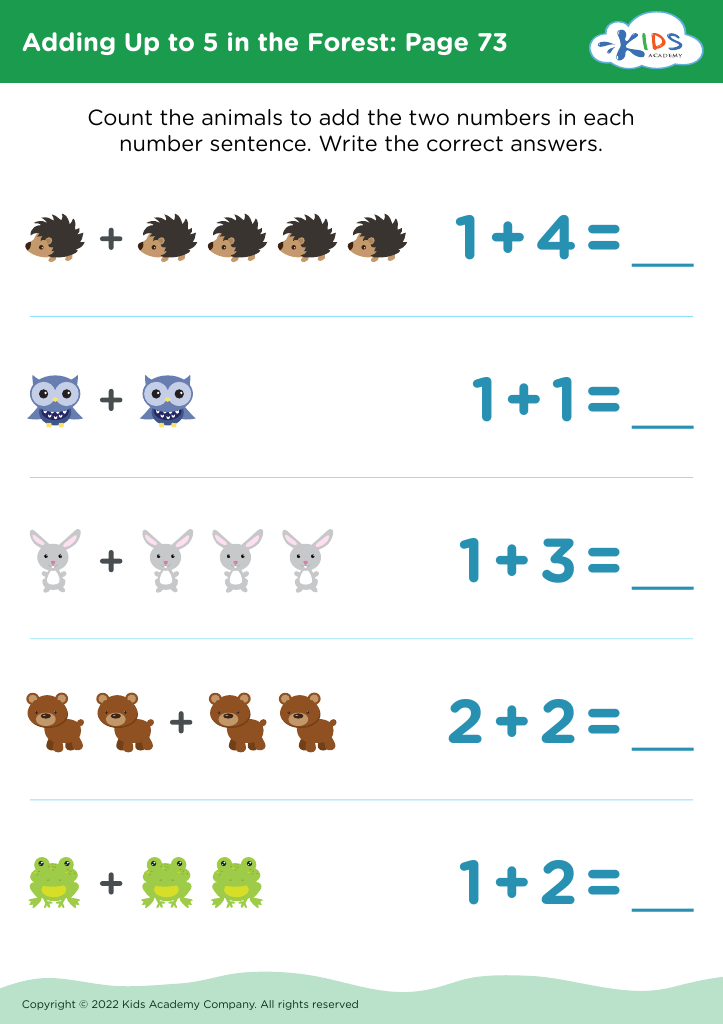
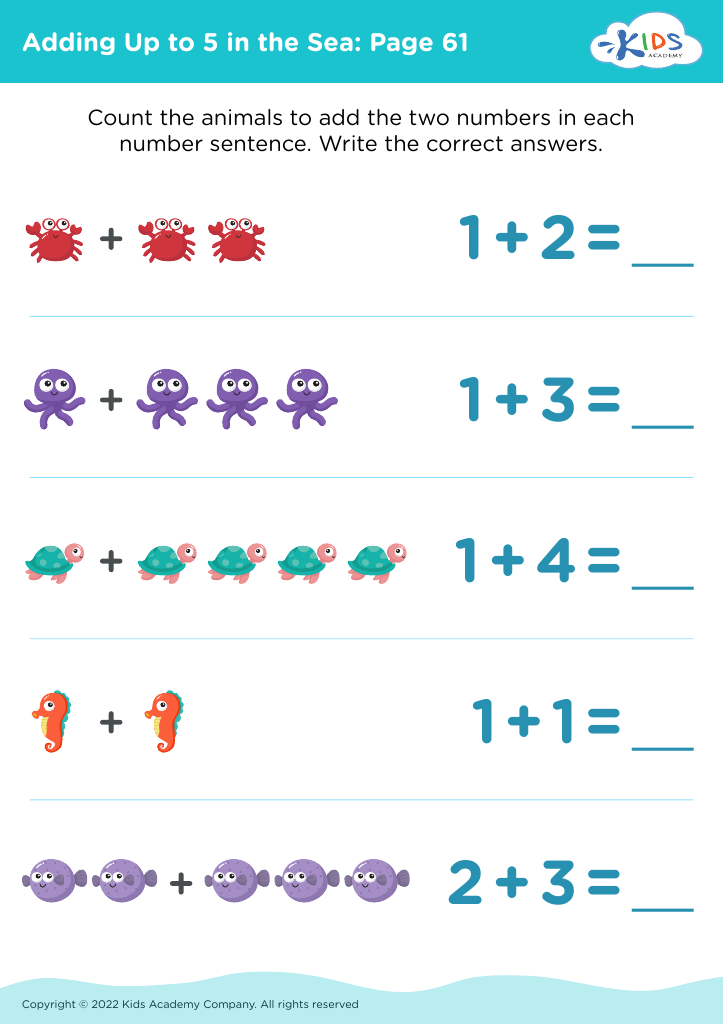
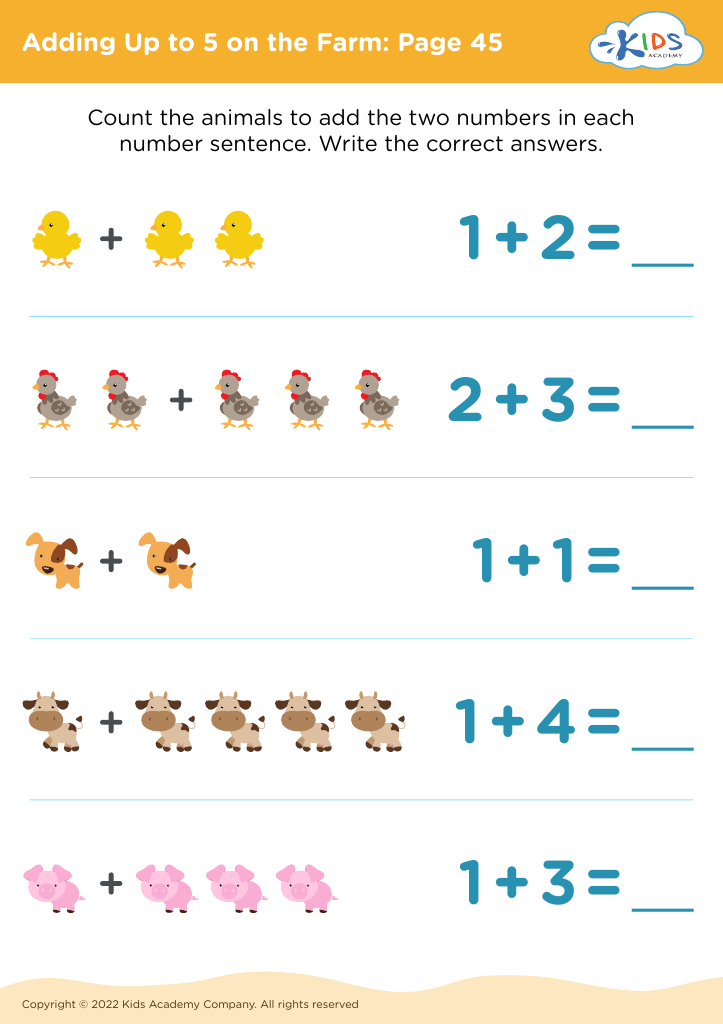
Enhance your child's learning journey with our Visual-Motor Skills Math Worksheets designed for ages 3-6! These engaging worksheets combine fun activities with essential math concepts, promoting both fine motor skills and visual perception. Your little ones will enjoy tracing numbers, connecting dots, and solving simple math problems, all while building their coordination and concentration. Ideal for preschool and kindergarten learners, these resources support early foundational skills in a playful manner. Foster a love for learning and provide your child with the essential tools for mathematical success. Explore our collection today and watch your child's confidence soar!
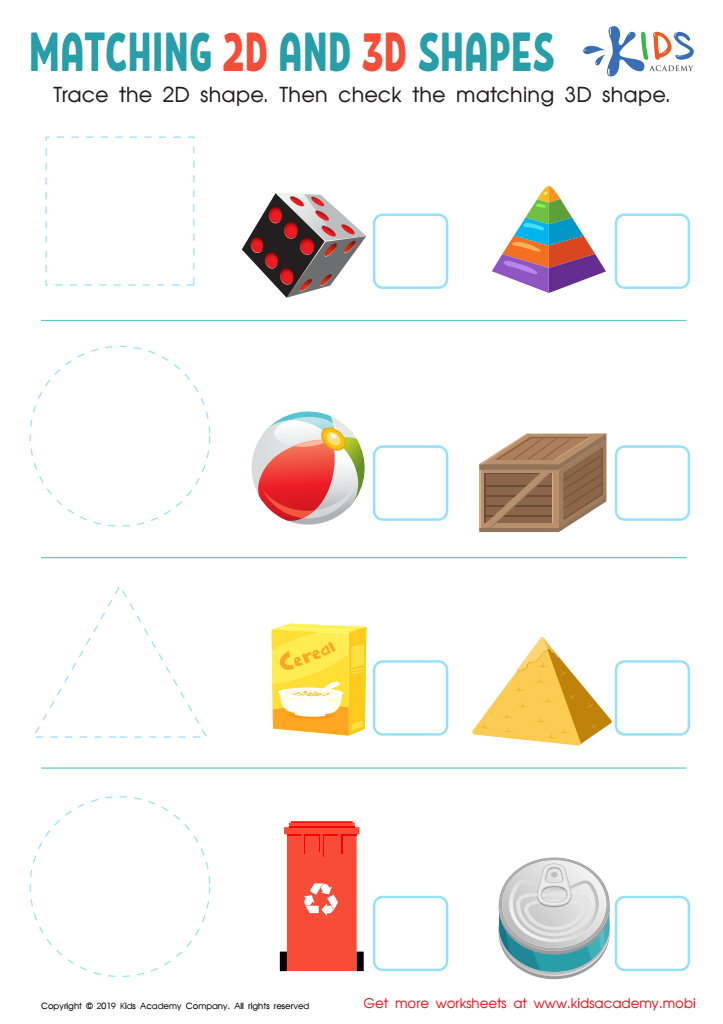
Matching 2D and 3D Shapes Worksheet
 Assign to My Students







Visual-motor skills are crucial for early childhood development, particularly in subjects like math. For children ages 3-6, these skills refer to the ability to coordinate visual information with motor actions, which is fundamental for activities like counting, writing numbers, and understanding shapes. Parents and teachers should care about these skills because they form the foundation for more complex mathematical concepts and problem-solving abilities later on.
As kids engage with math through hands-on activities such as cutting shapes, drawing patterns, and manipulating blocks, they not only enhance fine motor skills but also deepen their understanding of mathematical relationships. When children can visually process information and translate it into movement, they become more adept at tasks like aligning numbers or constructing graphs, which are essential in later education.
Furthermore, strong visual-motor skills can boost a child's confidence and motivation in math, helping to foster a positive attitude towards the subject. By emphasizing these skills in early learning, parents and teachers can ensure that children develop the necessary tools to thrive in math, leading to better academic performance and a love for learning that lasts a lifetime.








