Visual perception Math Worksheets for Ages 3-6 - Page 3
52 filtered results
-
From - To
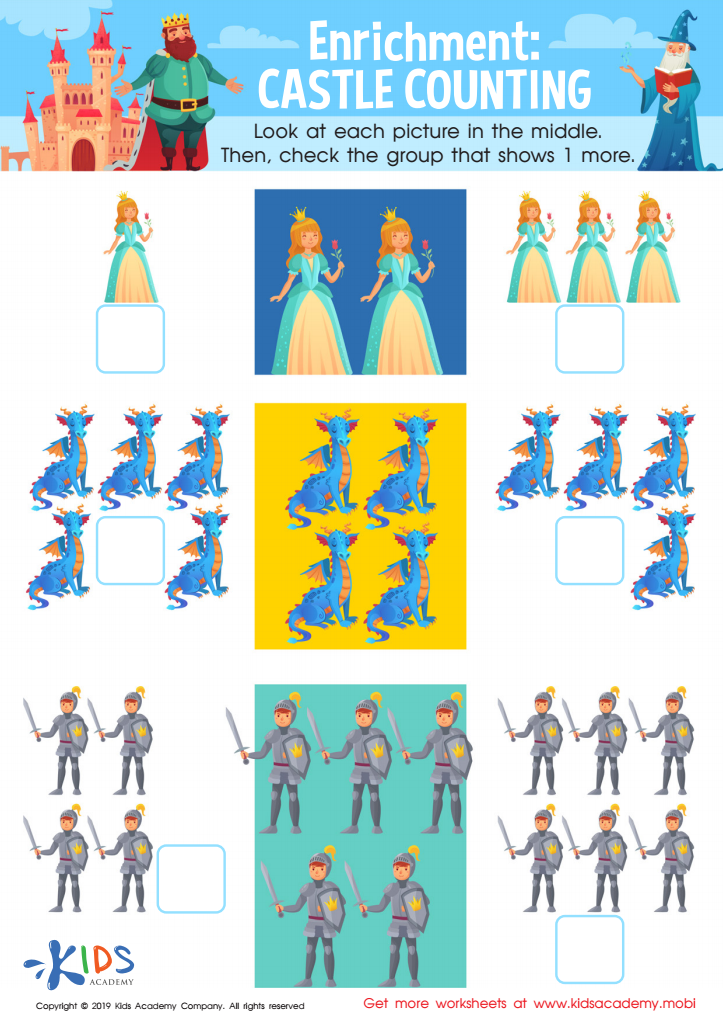
Enrichment: Castle Counting Worksheet
 Assign to My Students
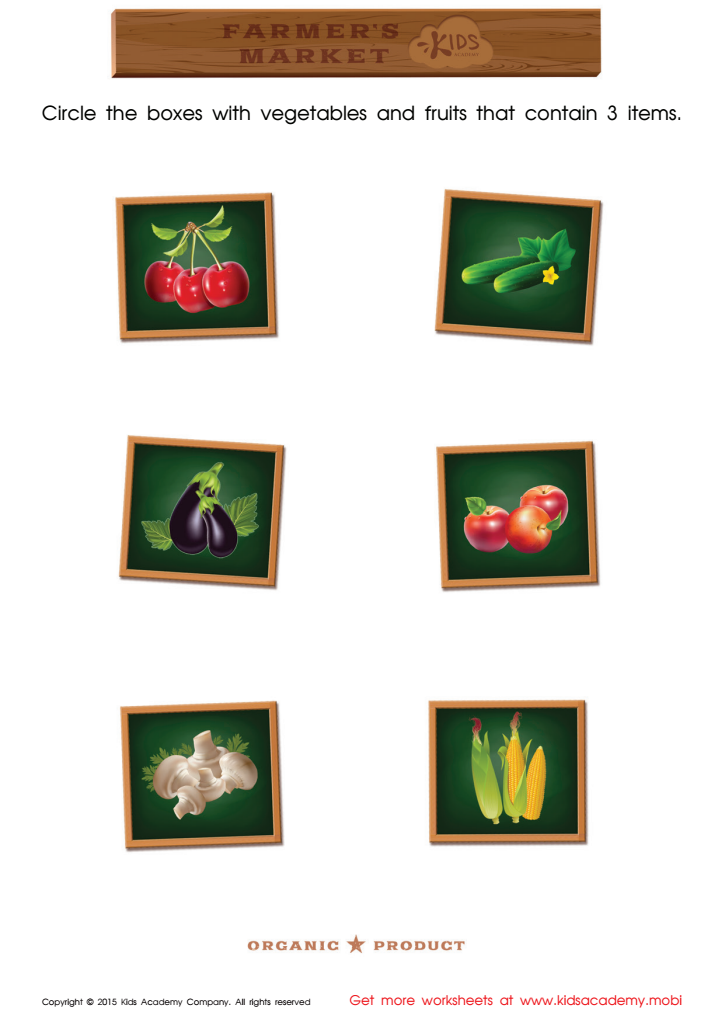
Count and Match Vegetables 1 – 5 Math Worksheet
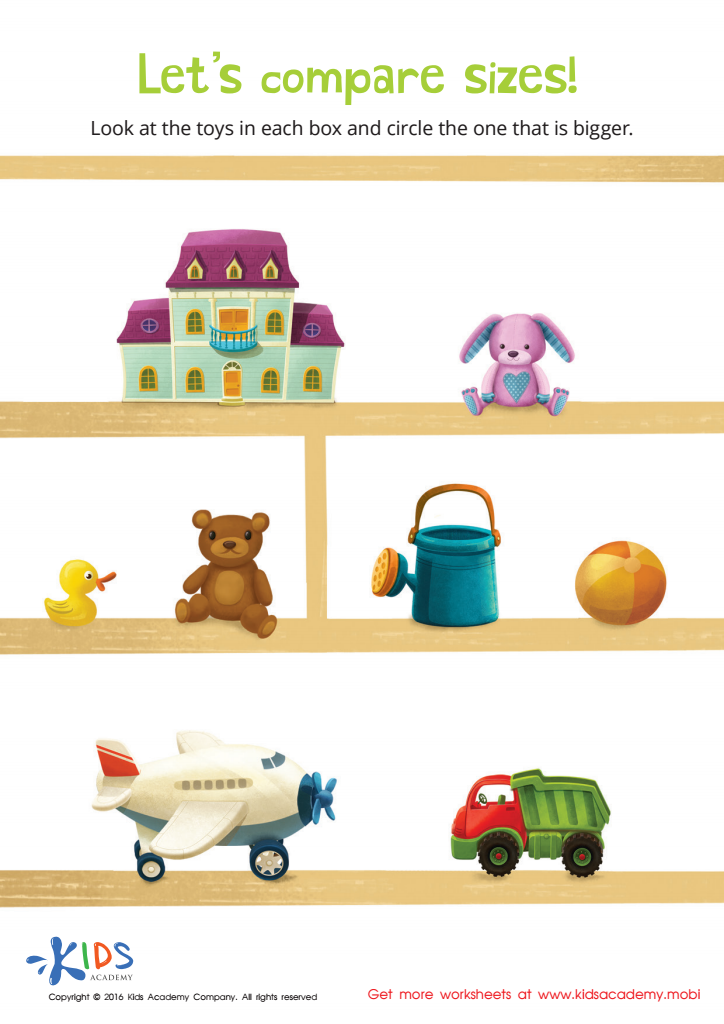
Classifying by Size Sorting Worksheet








Visual perception is a critical foundational skill for young children, particularly in the context of math learning. For ages 3-6, developing strong visual perception abilities enhances children's understanding of spatial relationships, shapes, and patterns, all of which are integral to early mathematics.
When children accurately interpret visual information, they can make sense of numerical concepts, such as counting, sorting, and comparing sizes. This understanding directly contributes to problem-solving skills, as they learn to visualize math problems in their minds. Parents and teachers should care about this development because it lays the groundwork for more complex mathematical operations in later years.
Moreover, engaging children in activities that promote visual perception—such as puzzles, block play, and pattern recognition games—can be a fun and effective way to boost their cognitive skills. This not only fosters a love for learning but also builds their confidence in tackling math-related tasks.
Investing time early on in enhancing visual perception not only benefits children academically but also equips them with critical thinking and observational skills applicable in various aspects of life. Thus, cultivating these abilities is crucial for preparing young learners for future success in school and beyond.








