Counting skills Matching Worksheets for Ages 3-6
13 filtered results
-
From - To
Introducing our engaging Counting Skills Matching Worksheets for ages 3-6! Designed to captivate young learners, these worksheets promote early numeracy by helping children master counting through fun matching activities. Each worksheet offers colorful illustrations and interactive exercises that encourage children to link numbers with corresponding quantities and visuals. These activities not only reinforce counting skills but also enhance critical thinking and problem-solving abilities. Ideal for preschool and kindergarten settings, our worksheets are perfect for at-home learning or classroom practice. Watch your child's confidence grow as they enjoy learning with our Counting Skills Matching Worksheets! Start their counting journey today!
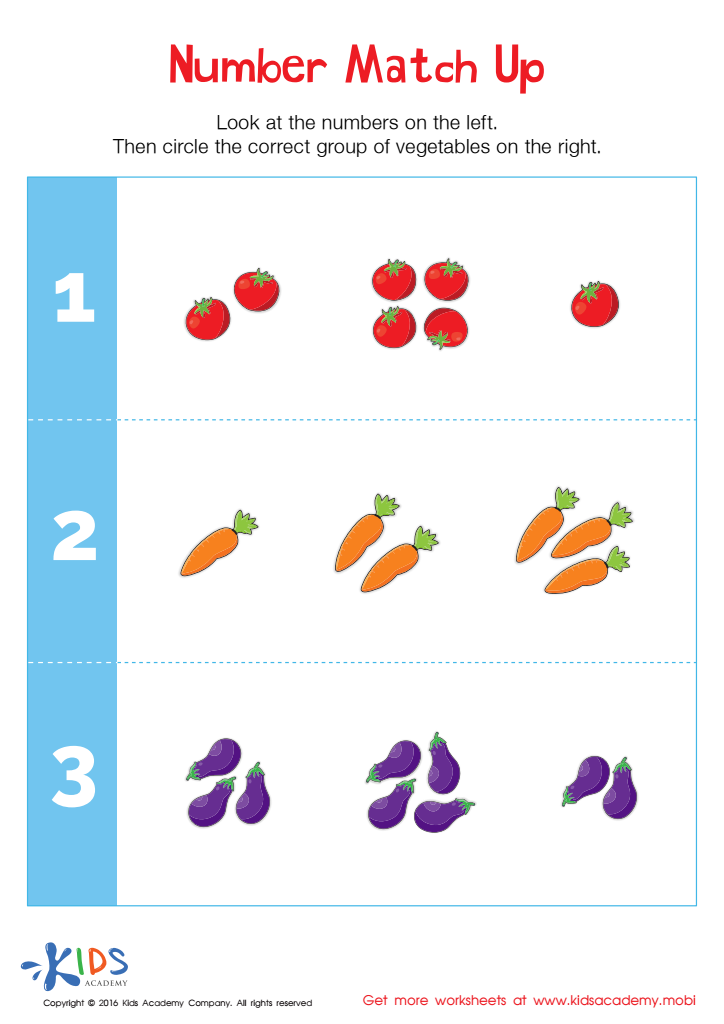
Number Match Up Worksheet
 Assign to My Students
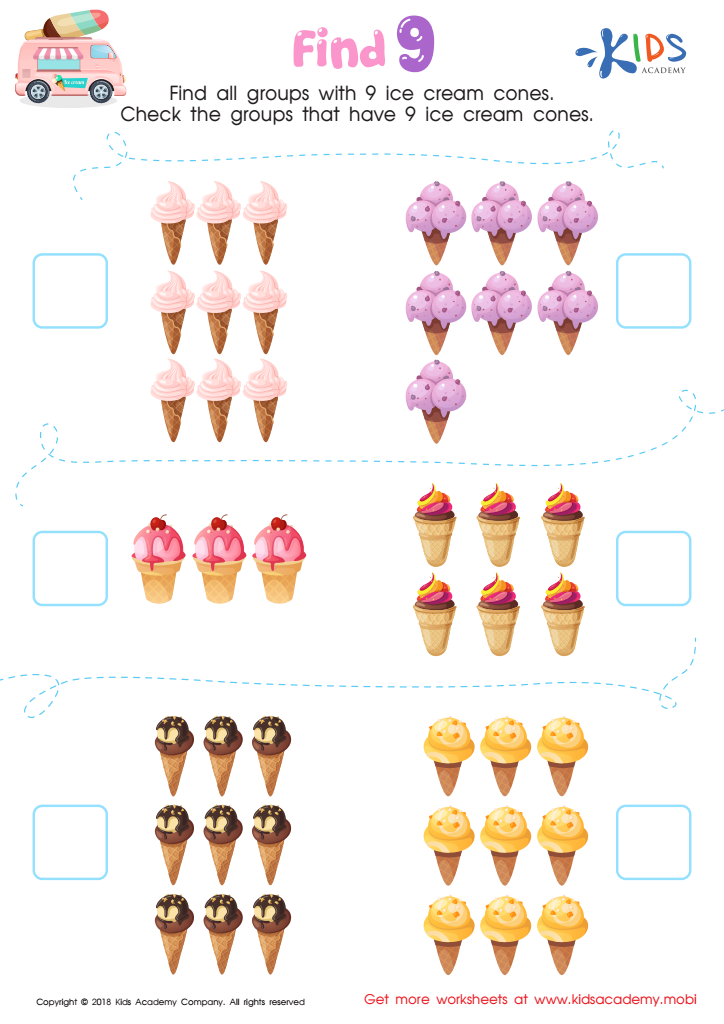
Find 9 Worksheet
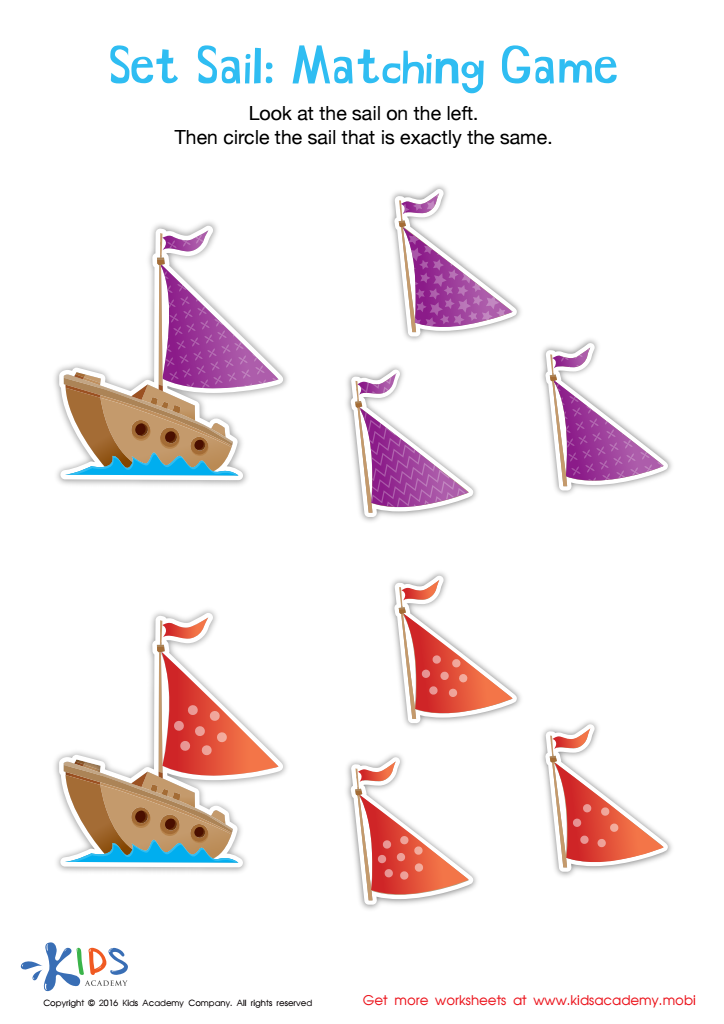
Set Sail Worksheet
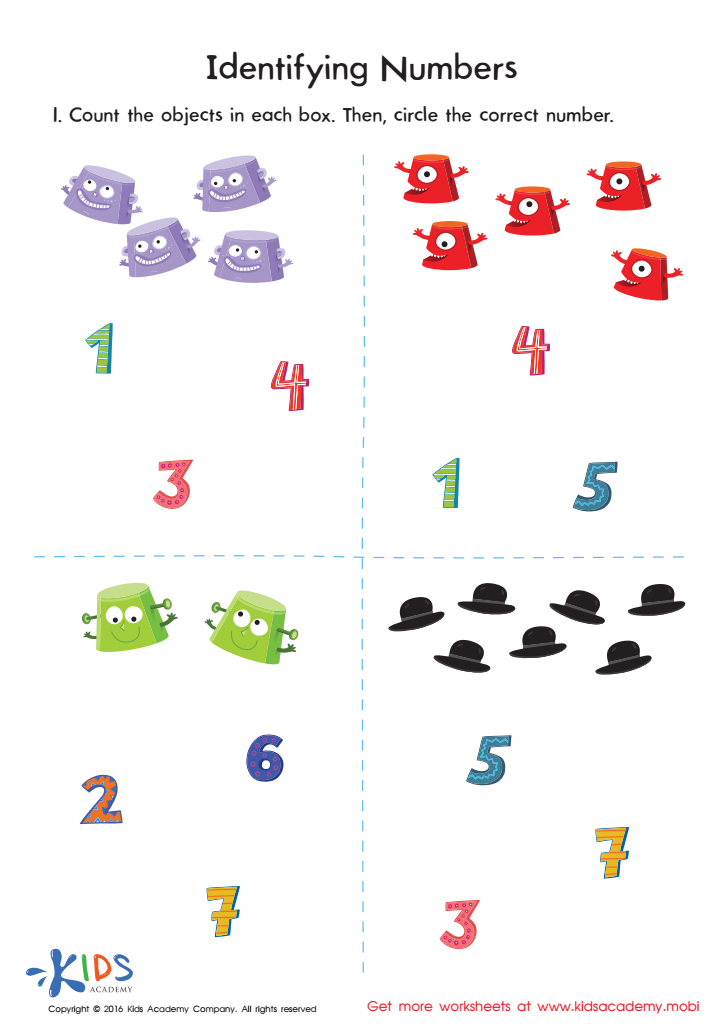
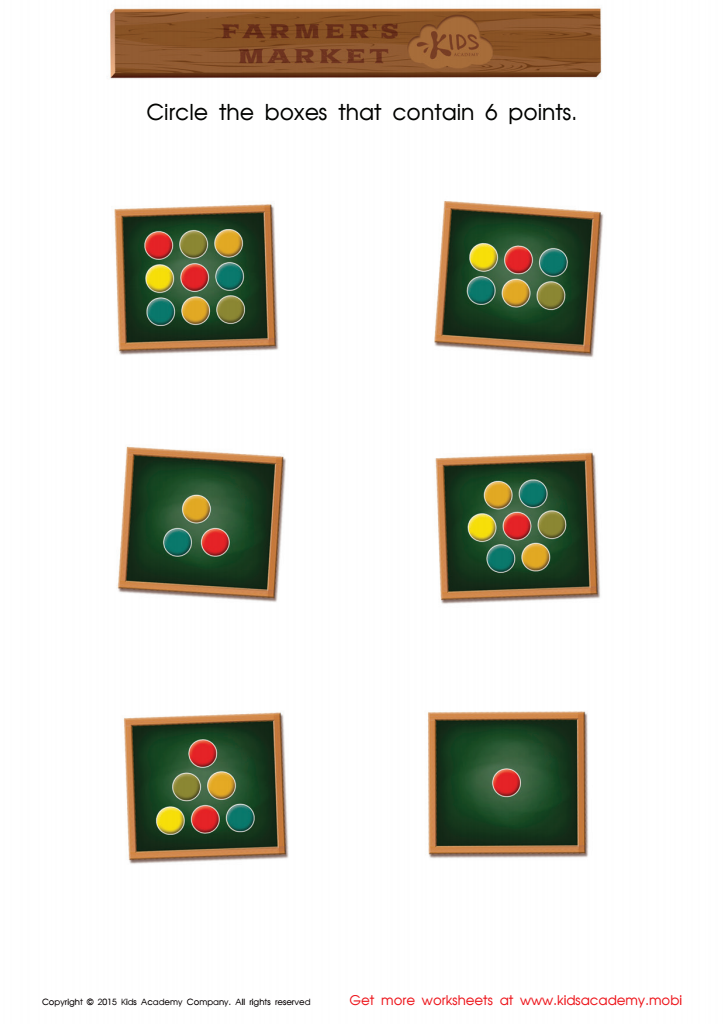
Count and Match Points 6 Math Worksheet
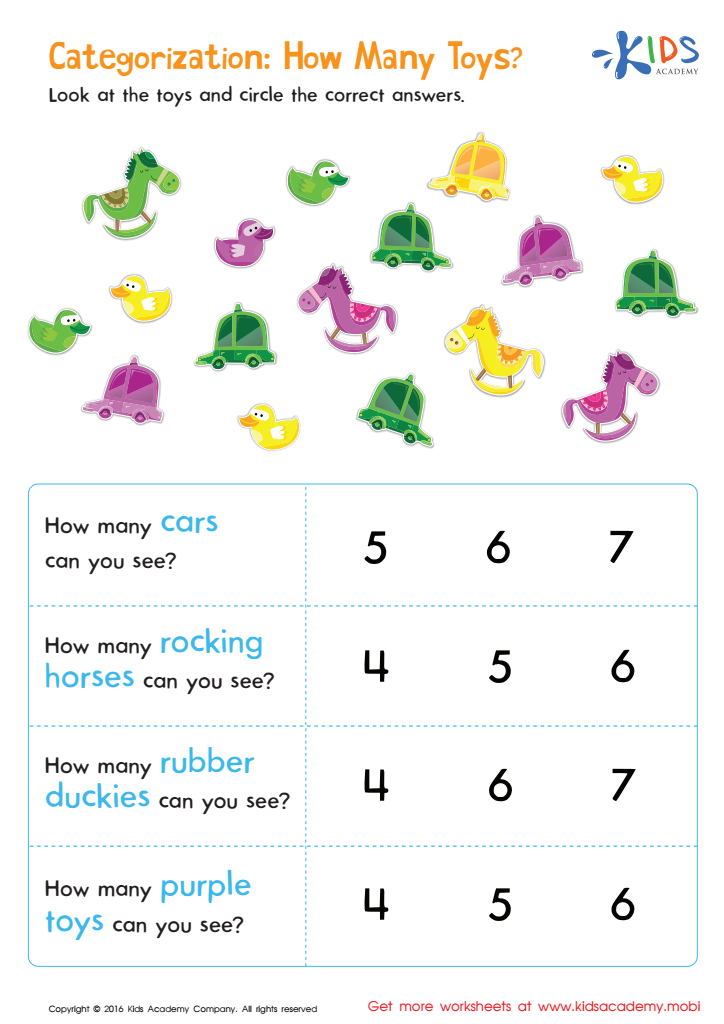
Classifying Toys by Type and Color Sorting Worksheet
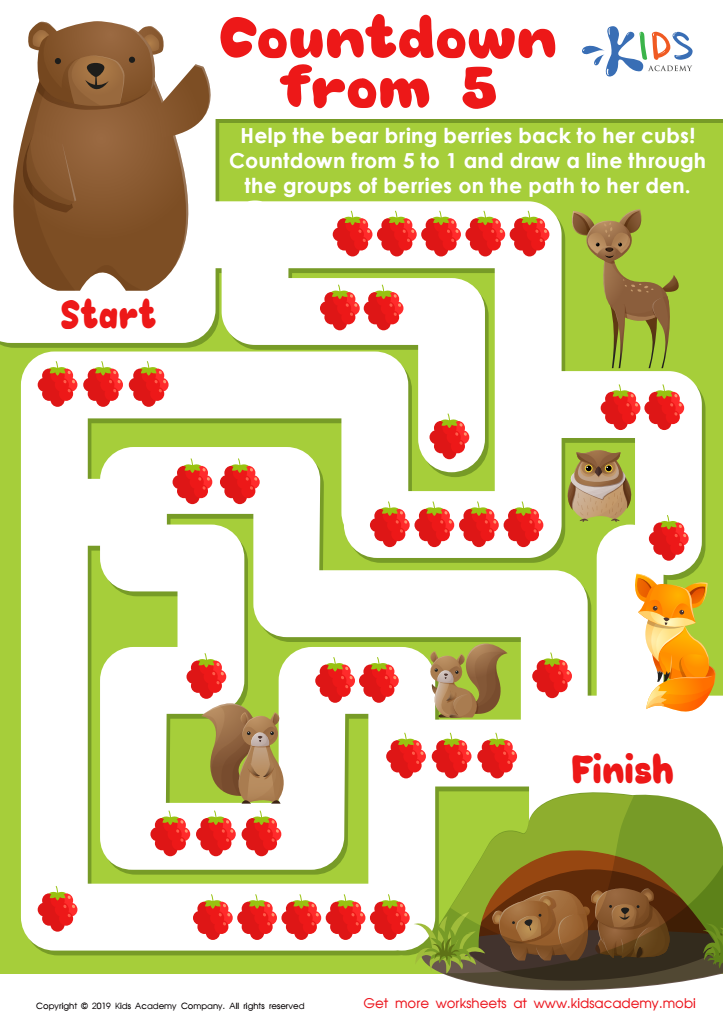
Countdown from 5 Worksheet
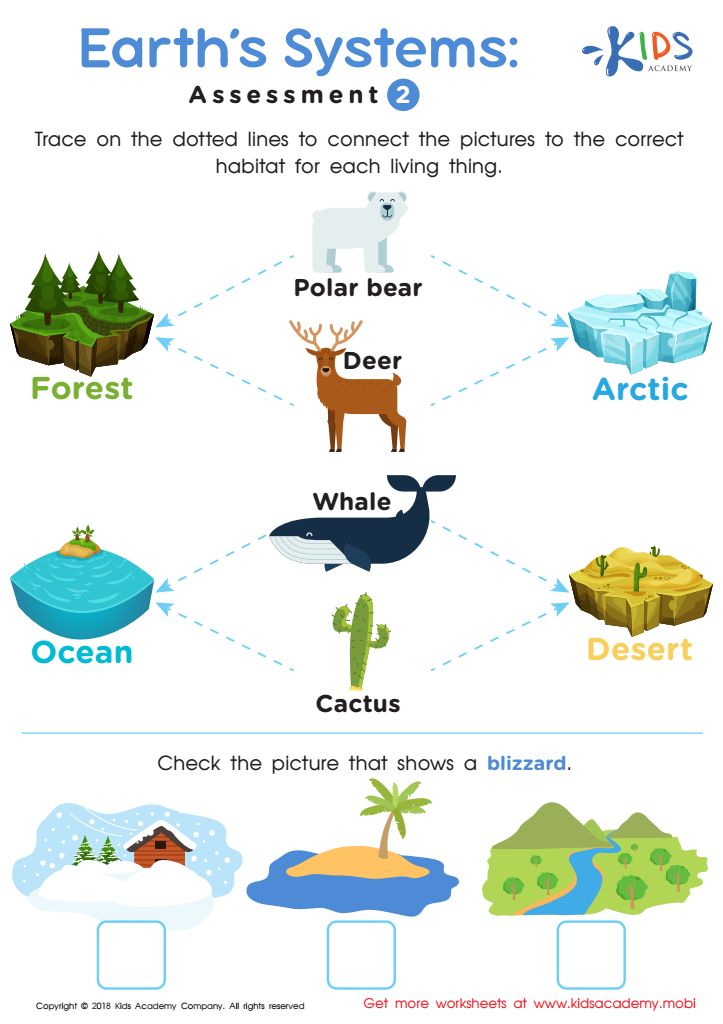
Earth's Systems: Assessment 2
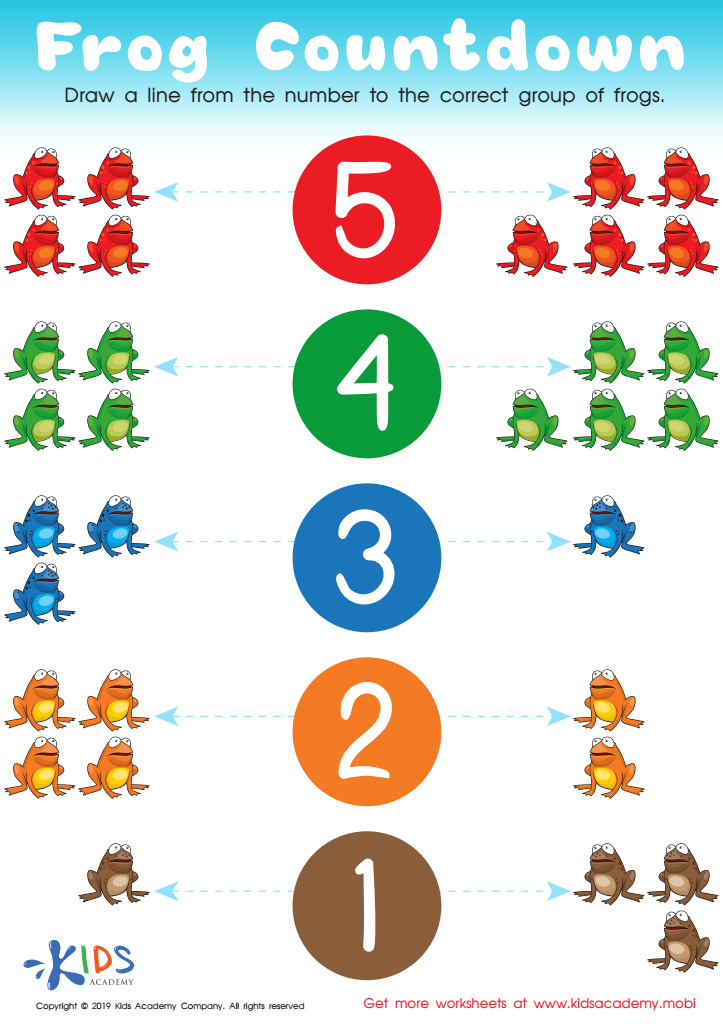
Frog Countdown Worksheet
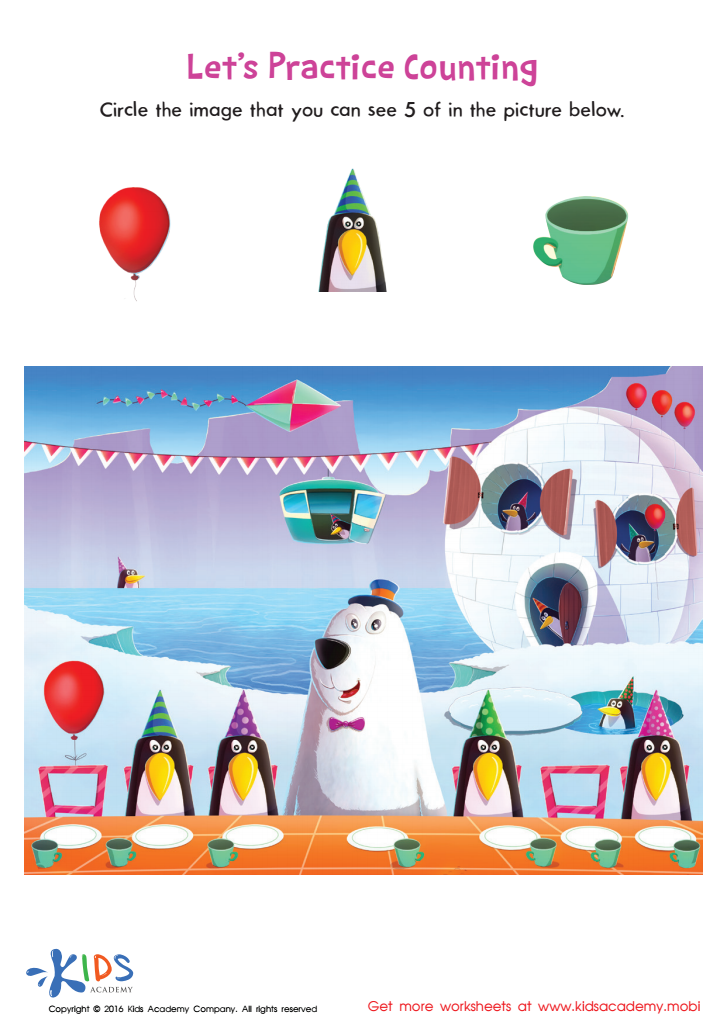
Counting Worksheet: Let's Practice Counting
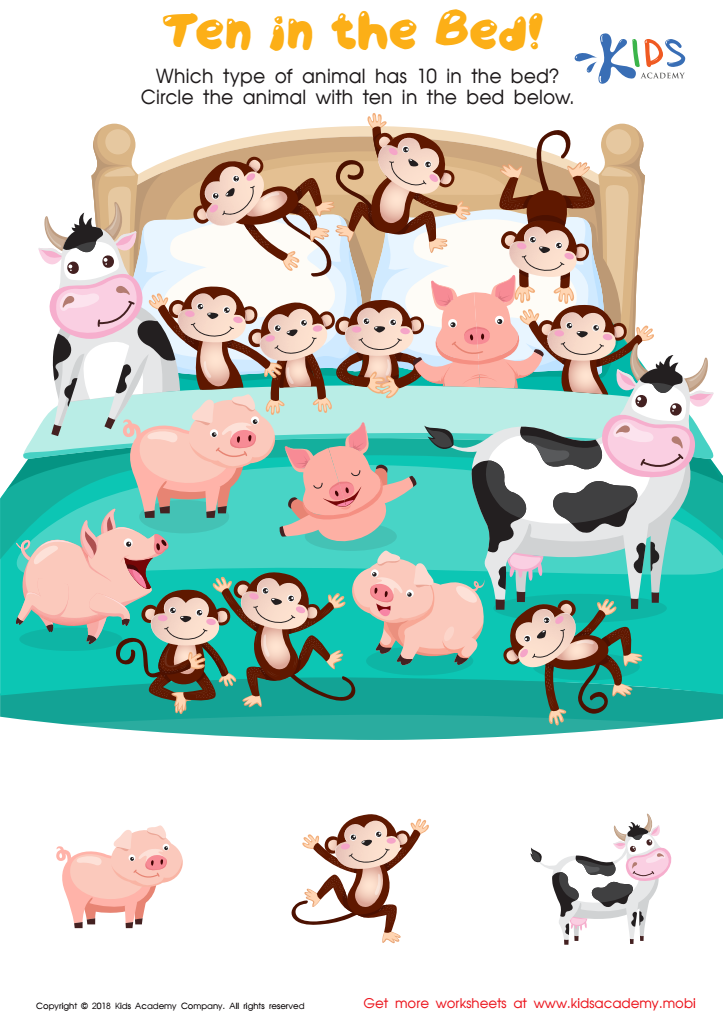
Ten in the Bed Worksheet
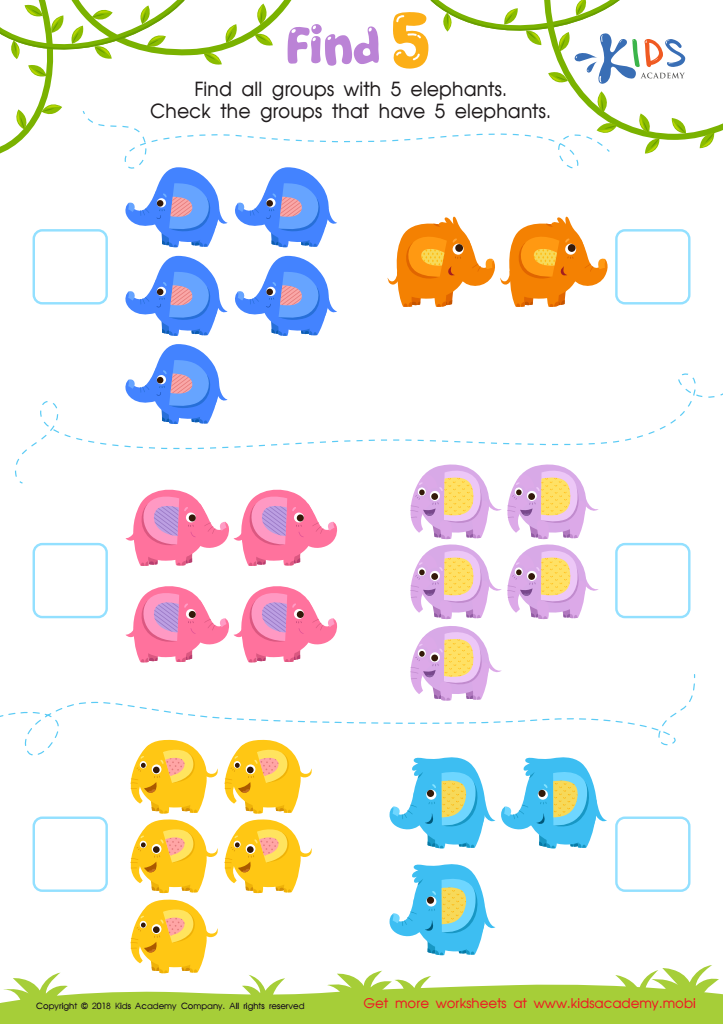
Find 5 Worksheet
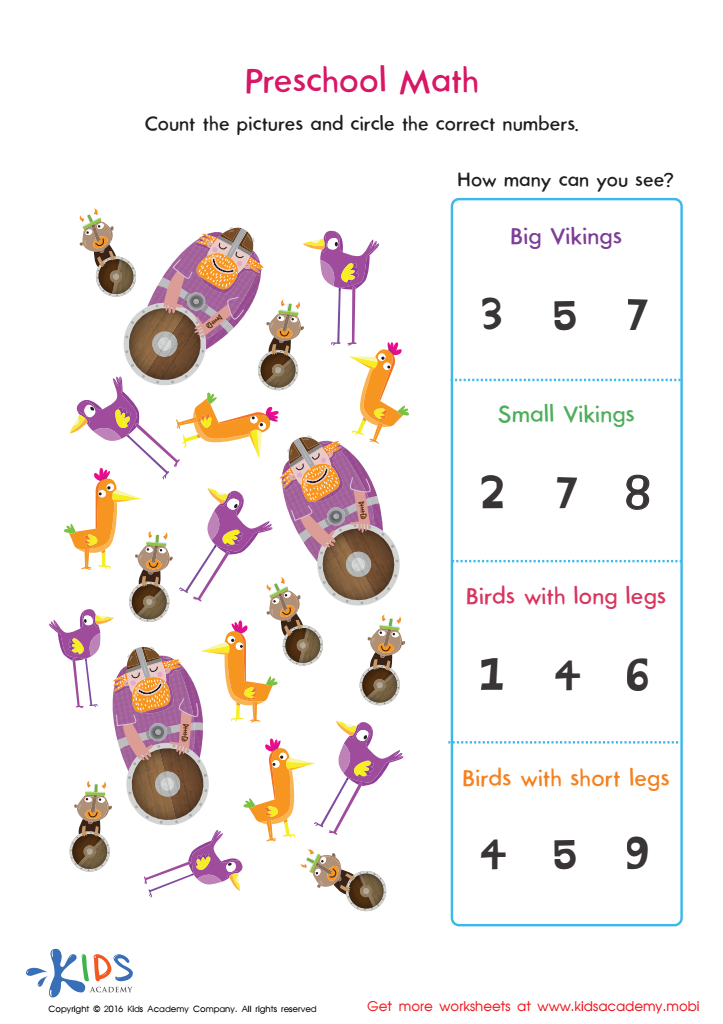




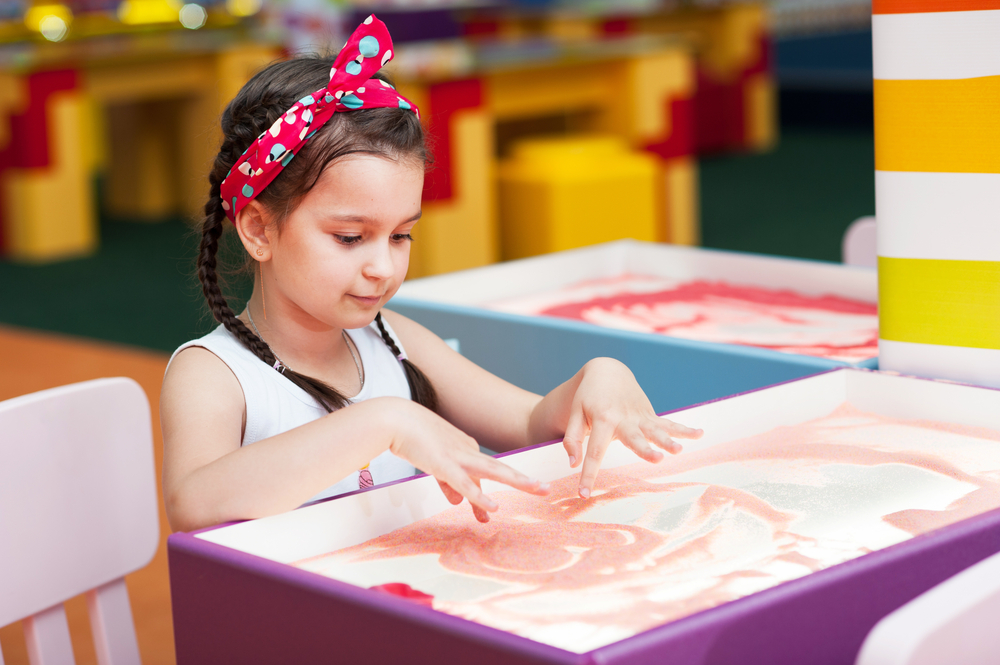

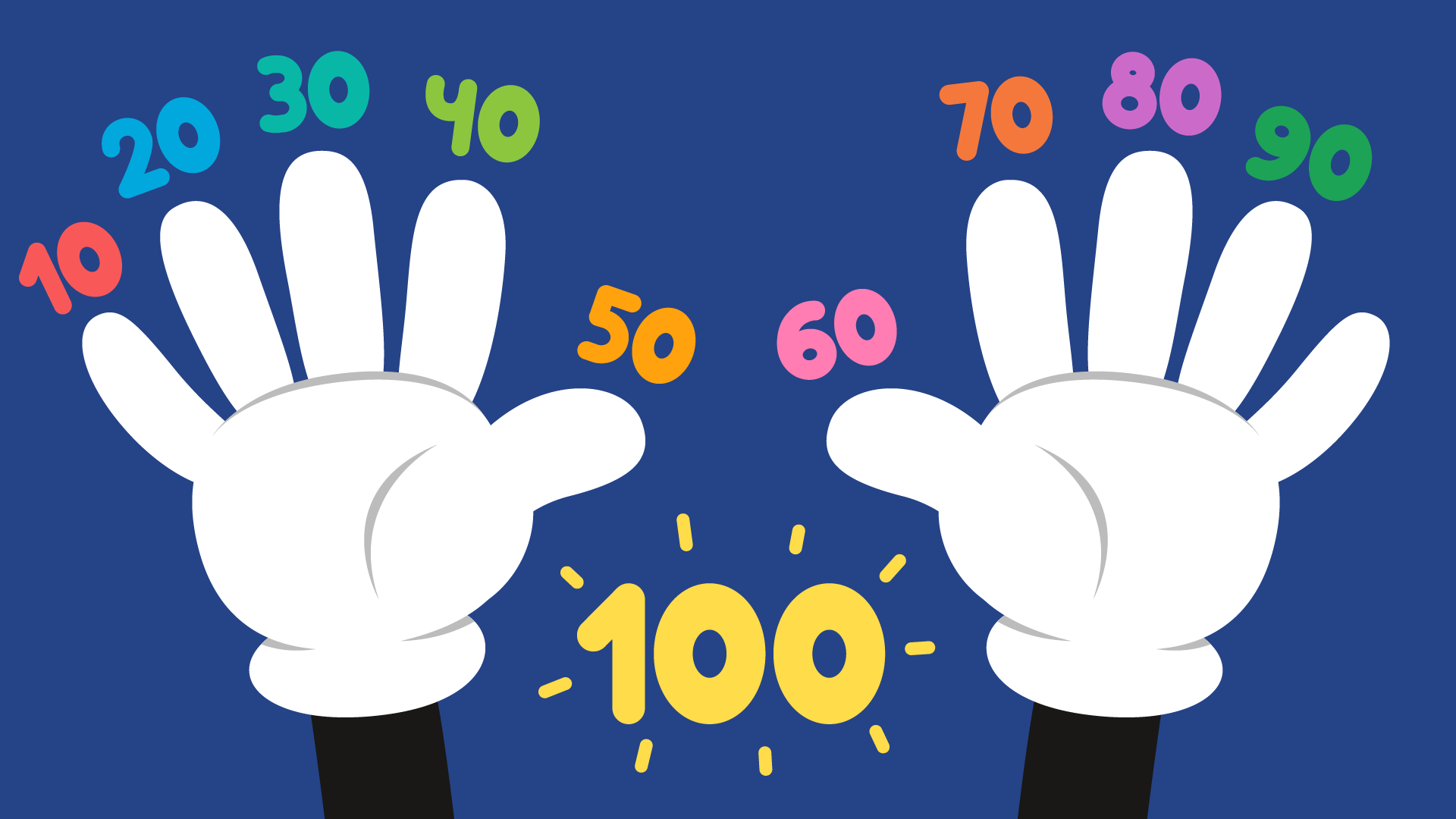

Counting skills and number matching for children ages 3-6 are foundational elements of early mathematics education that have significant implications for a child’s cognitive development. First and foremost, these skills help children understand the concept of numbers, which is essential for everyday problem-solving. Engaging in counting and matching activities promotes number recognition and fosters a child’s ability to compare quantities, an important skill in both academic and real-life situations.
Moreover, counting and matching games employ playful methods to reinforce learning, making math enjoyable and interactive. This can enhance a child's motivation and confidence in handling numbers, which is crucial as they progress in their education. Additionally, these early experiences often lay the groundwork for more complex mathematical ideas introduced later, such as addition and subtraction.
From a developmental perspective, sequencing and recognizing patterns contribute to cognitive growth, increasing attention span and logical reasoning skills. By prioritizing these skills, parents and teachers nurture a child’s lifelong learning habits, encourage curiosity, and support social interactions through shared activities.
In essence, counting and matching are not just basic educational skills; they are building blocks that contribute to overall personal and academic success in children.








