Matching skills Matching Worksheets for Ages 3-6
6 filtered results
-
From - To
Discover the joy of learning with our Matching Skills Worksheets designed for children ages 3-6. These engaging and interactive worksheets help young learners develop essential matching skills, encouraging cognitive growth through fun activities. Featuring vibrant illustrations and relatable themes, our worksheets promote critical thinking and visual recognition. Each activity boosts memory retention while fostering independent learning. Perfect for use at home or in the classroom, these resources will captivate young minds and inspire a love for learning. Whether your child is a budding scholar or just starting their educational journey, our matching worksheets provide an enjoyable way to build foundational skills.
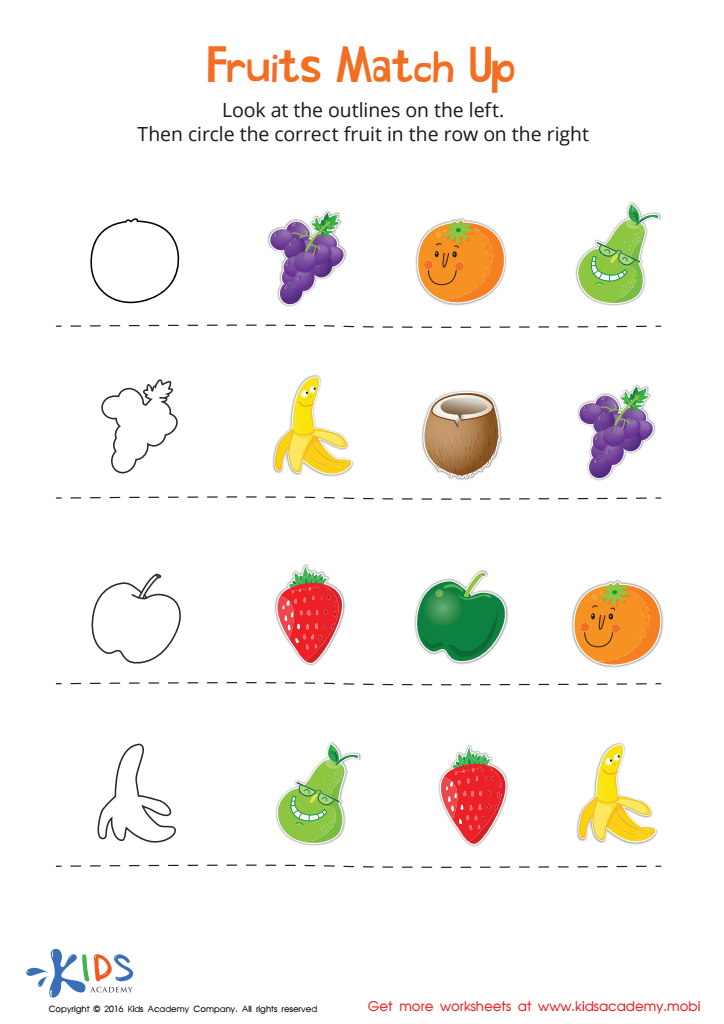
Fruits Match Up Worksheet
 Assign to My Students
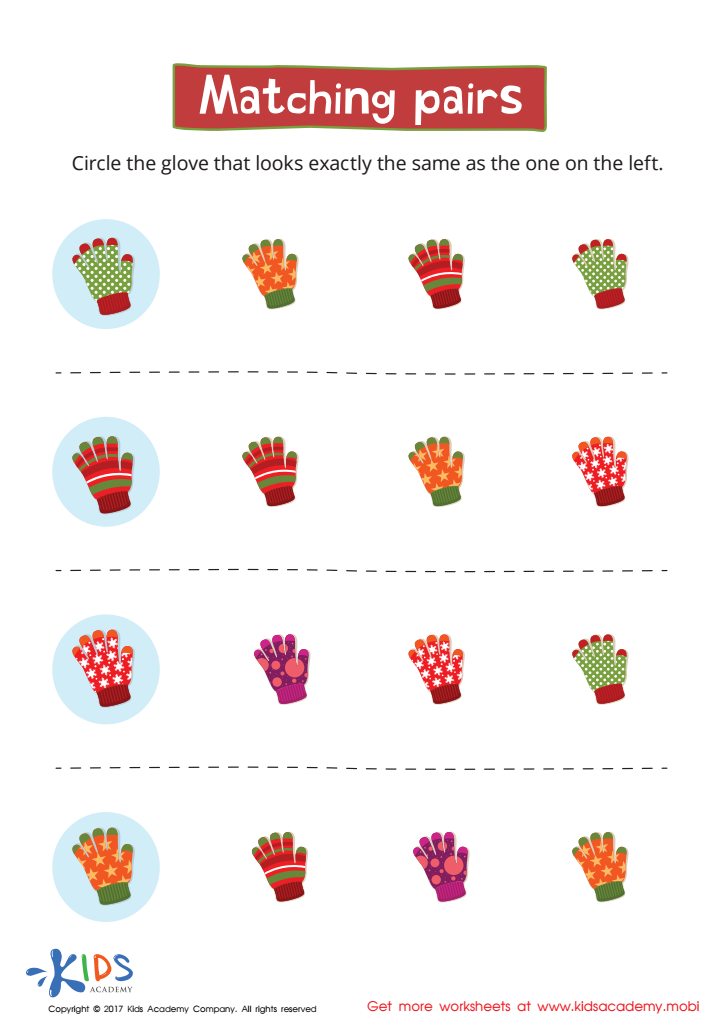
Matching: Matching Pairs Worksheet
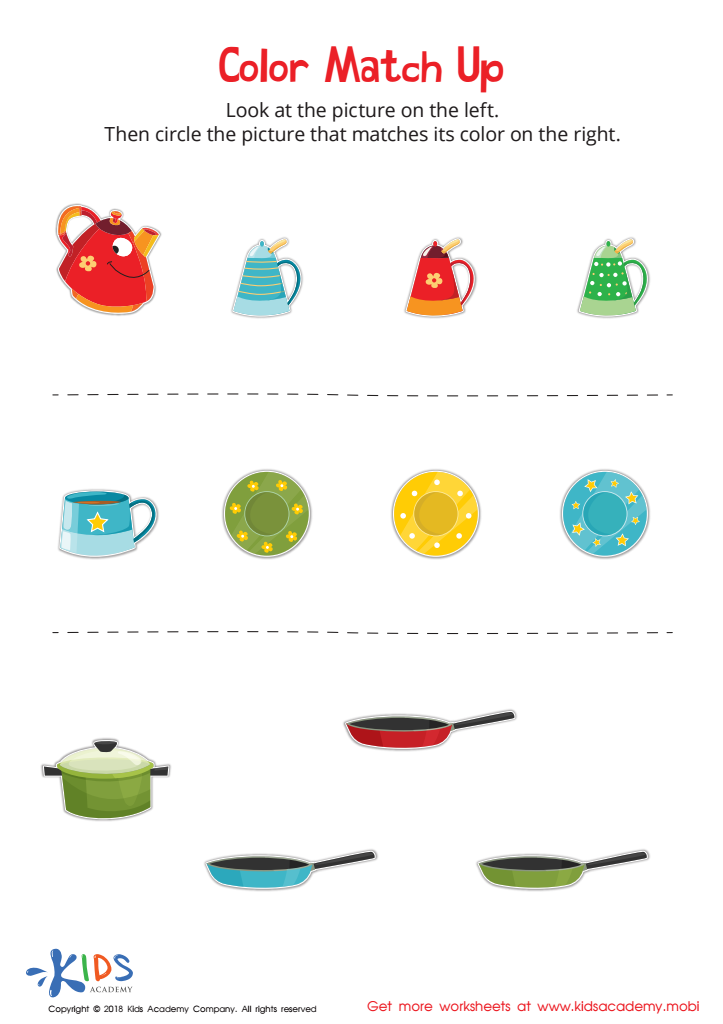
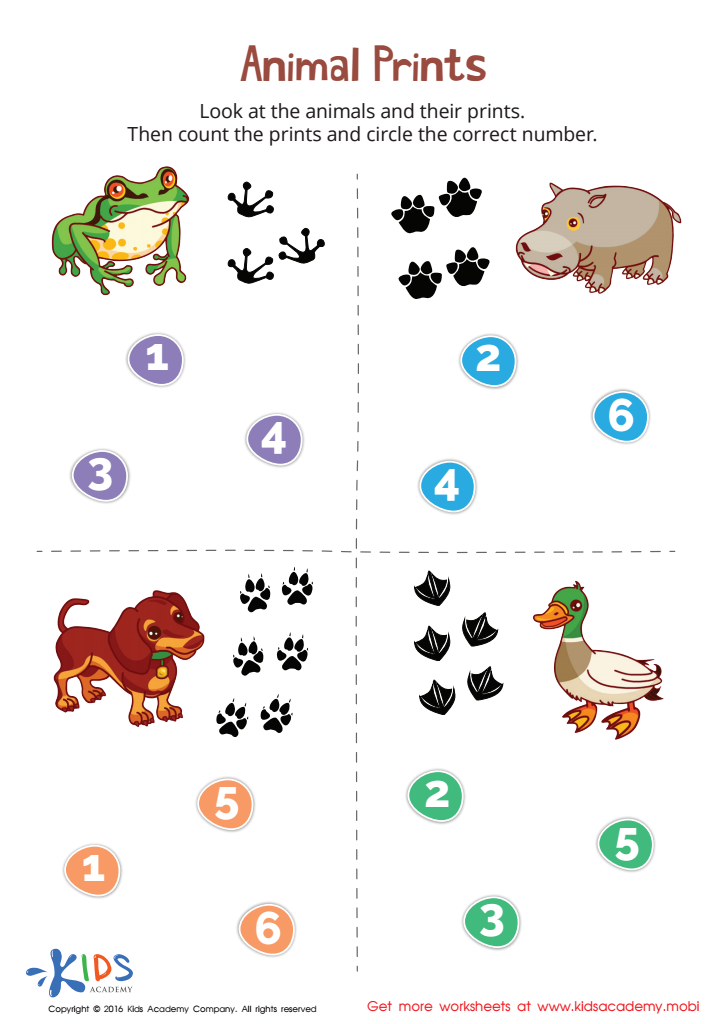
Animal Prints Match-Up Worksheet
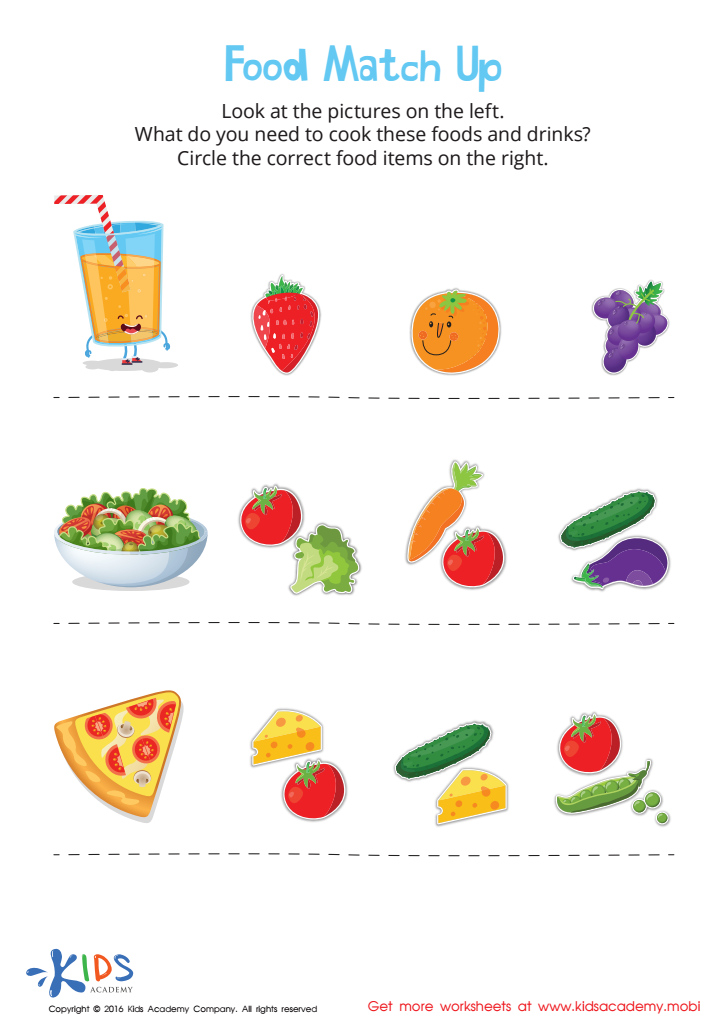
Food Match Up Worksheet
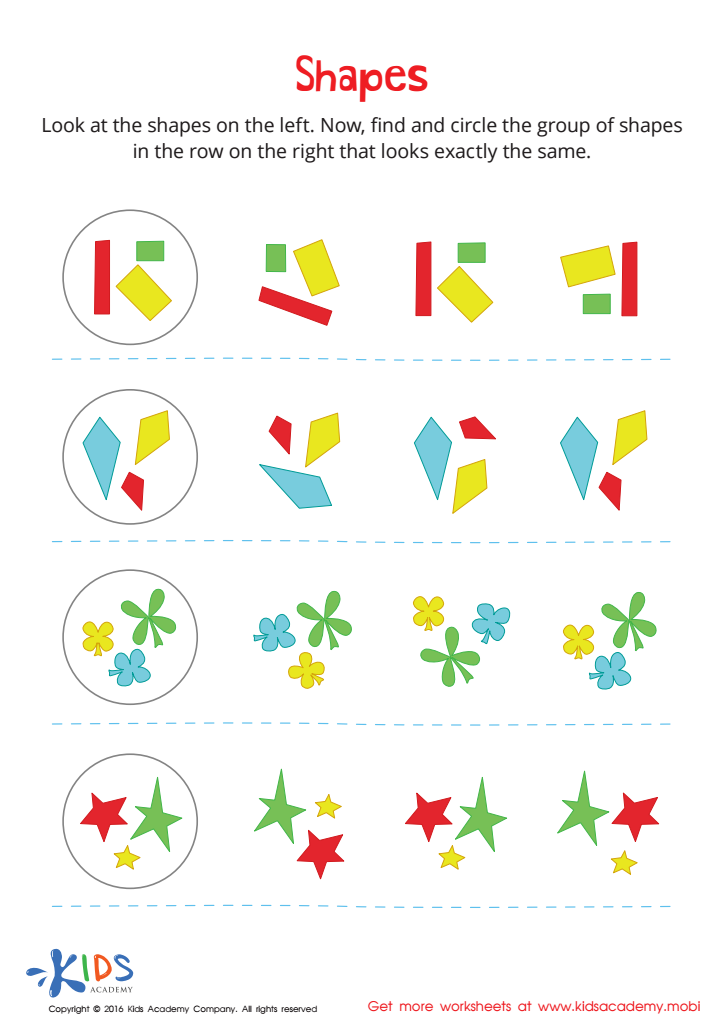
Shapes Worksheet








Matching skills are an essential developmental milestone for children aged 3-6, and both parents and teachers should prioritize these skills for several reasons. First, matching helps enhance cognitive development by encouraging children to recognize patterns, categorize objects, and make connections between similar items. This foundational understanding fosters early math skills, such as sorting and counting.
Moreover, matching activities support language development, as children learn to identify and articulate the characteristics of the items they are matching. This expands their vocabulary and communication skills. Socially, participating in matching games encourages collaboration, turn-taking, and sharing, paving the way for essential interpersonal skills.
Additionally, matching activities promote fine motor skills as children manipulate pieces or cards, improving both hand-eye coordination and dexterity. Finally, engaging in matching exercises can boost confidence as children successfully complete tasks, reinforcing a sense of accomplishment.
In summary, fostering matching skills in young children provides a well-rounded intellectual, social, and emotional development experience. Thus, parents and teachers should actively incorporate matching activities into play and learning environments to support holistic growth in these essential early years.








