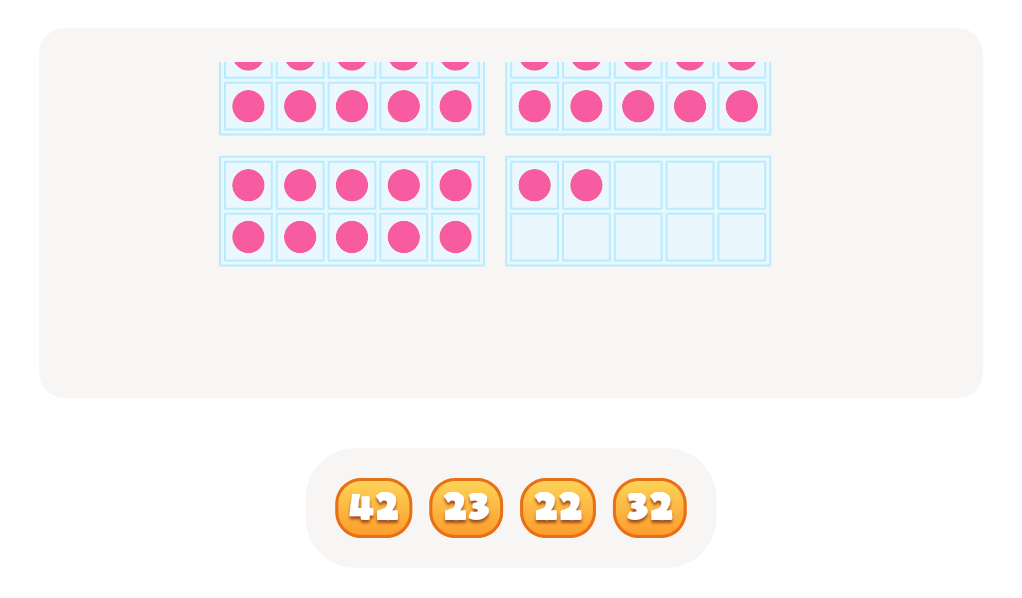
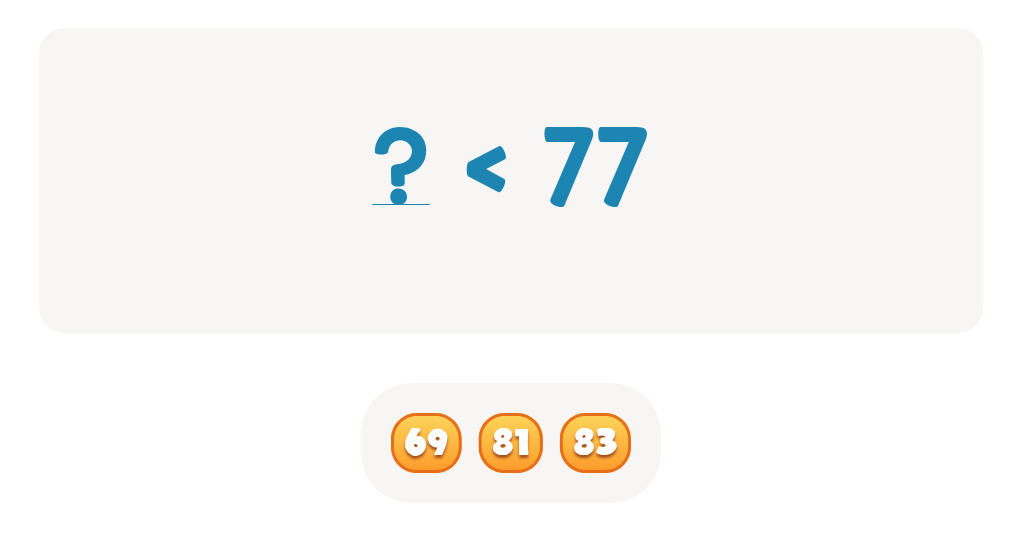
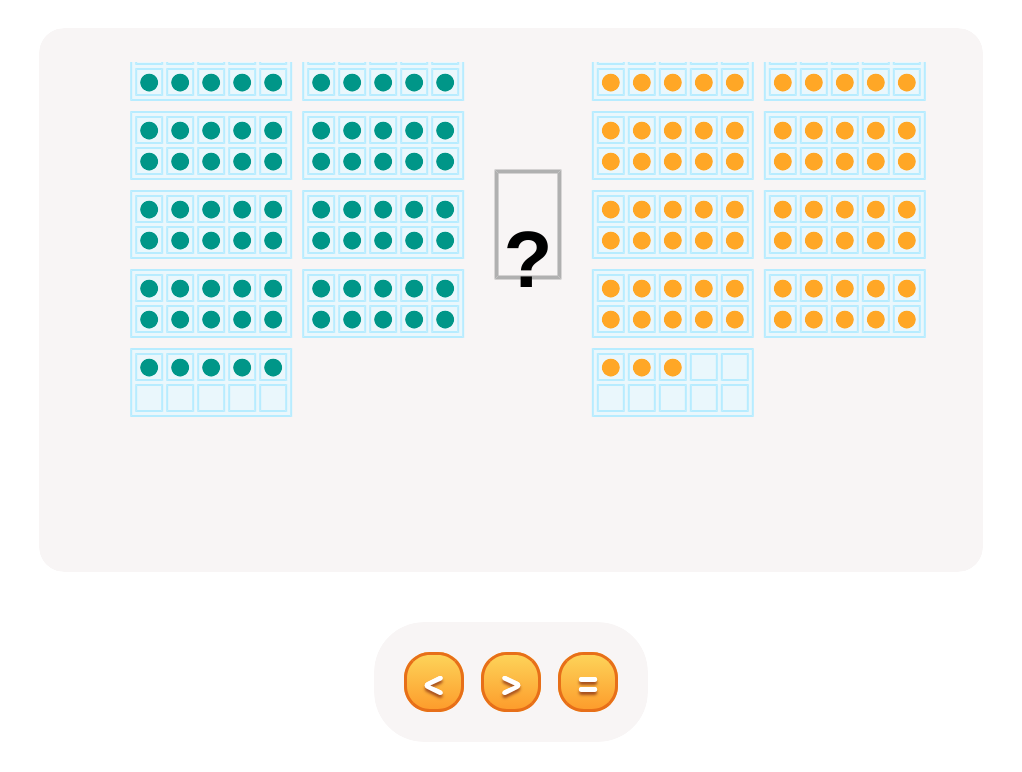
Welcome to our "Understanding Place Value" page, designed specifically for children ages 3-6! This resource offers engaging and interactive worksheets to help young learners grasp the concept of place value. Through colorful visuals and hands-on activities, kids will explore the relationship between digits and their positions, developing essential math skills. These worksheets promote early number recognition, reinforce counting practices, and encourage independent learning. With our carefully crafted materials, educators and parents can create a fun and effective learning environment that nurtures a strong foundation in mathematics. Dive in and start building essential skills in place value today!

Check out this FREE Trial Lesson on Place Value for age 3-6!

Adding with Base 10 blocks (regrouping) - Part 2

Favorites
With answer key
Interactive
  • 3-6
  • Understanding place value
  • Place Value
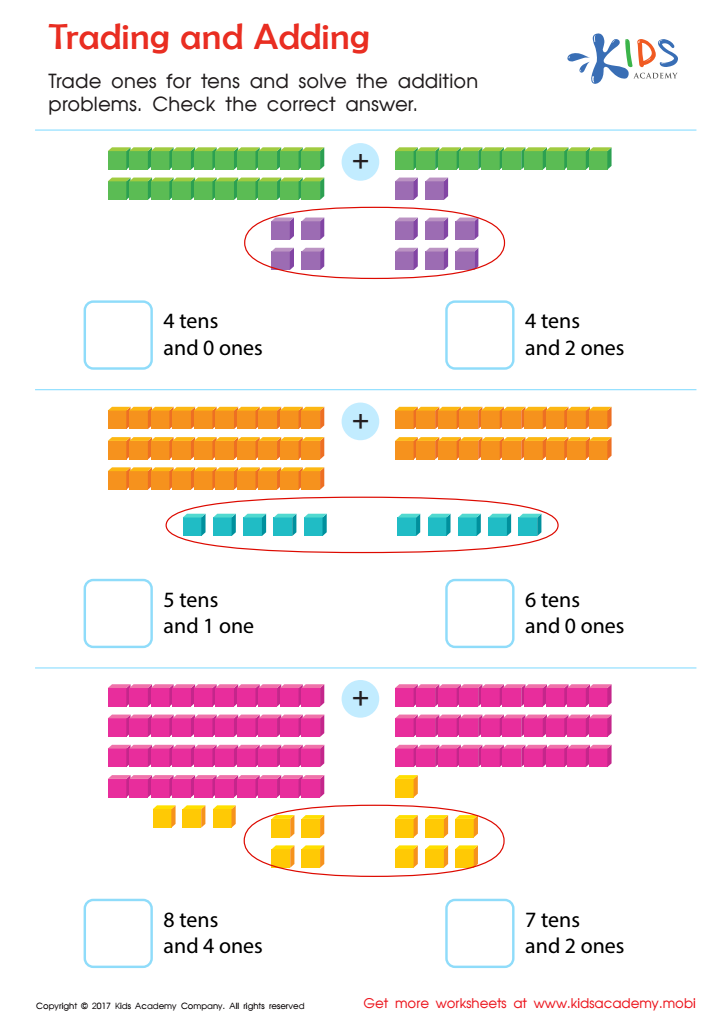
Trading and Adding Worksheet

Trading and Adding Worksheet

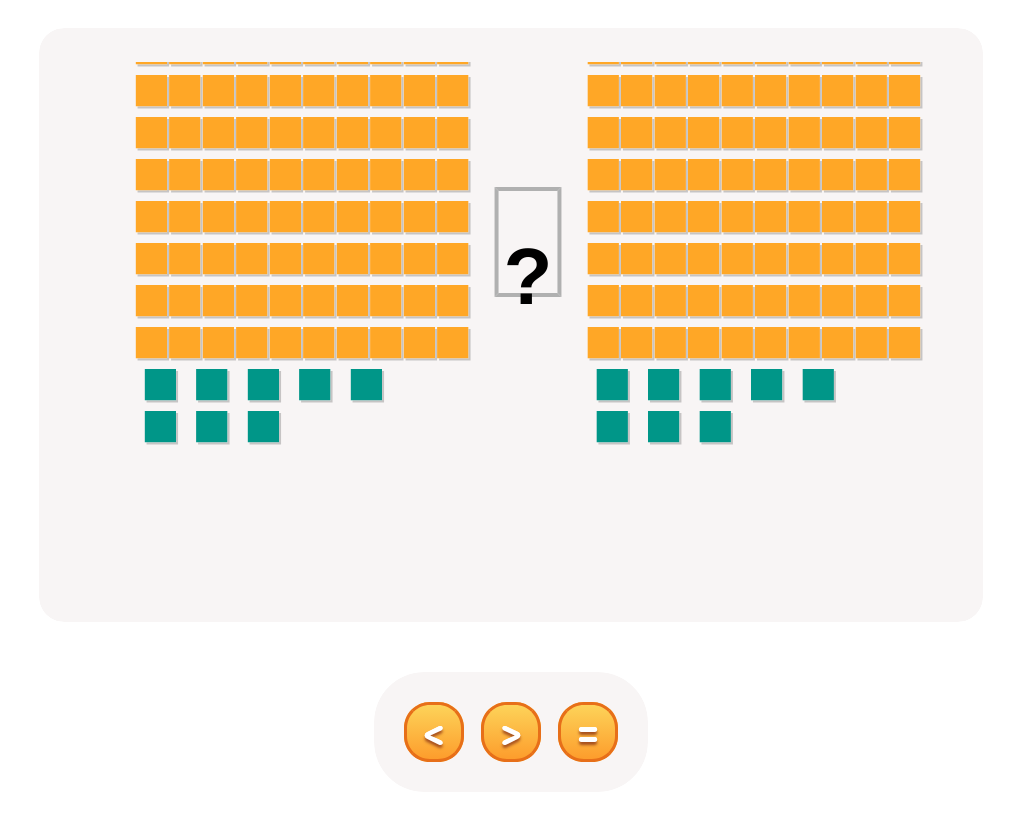
Help your child learn place value and addition with this free worksheet! Colorful base blocks let them understand the concept of trading ones for tens. Count the blocks on either side of the equation, add, and if there are ten or more ones, regroup them to make tens. Check the answer to complete the page and take your child's learning to the next level!
Trading and Adding Worksheet
Worksheet
Place Values with Ten Frames Worksheet

Place Values with Ten Frames Worksheet

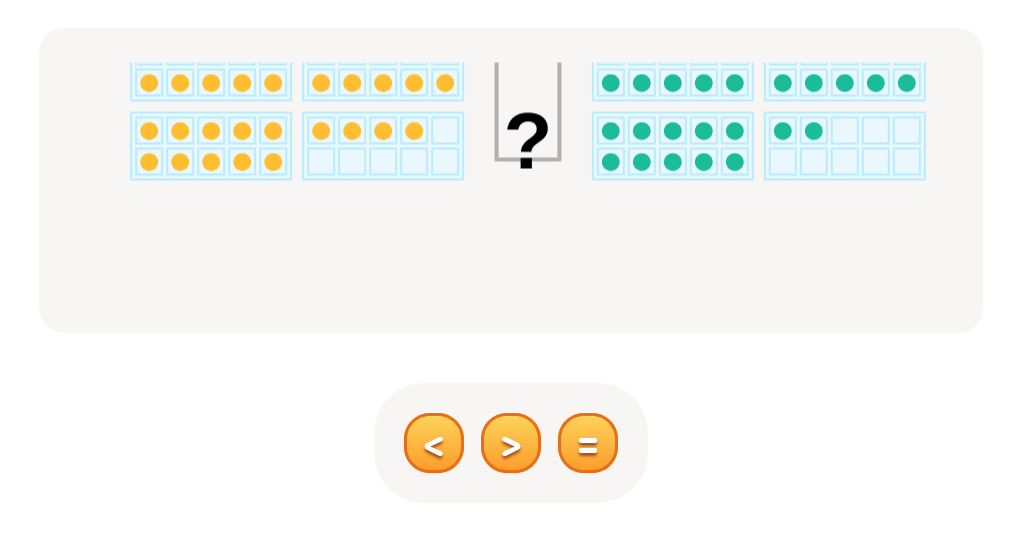
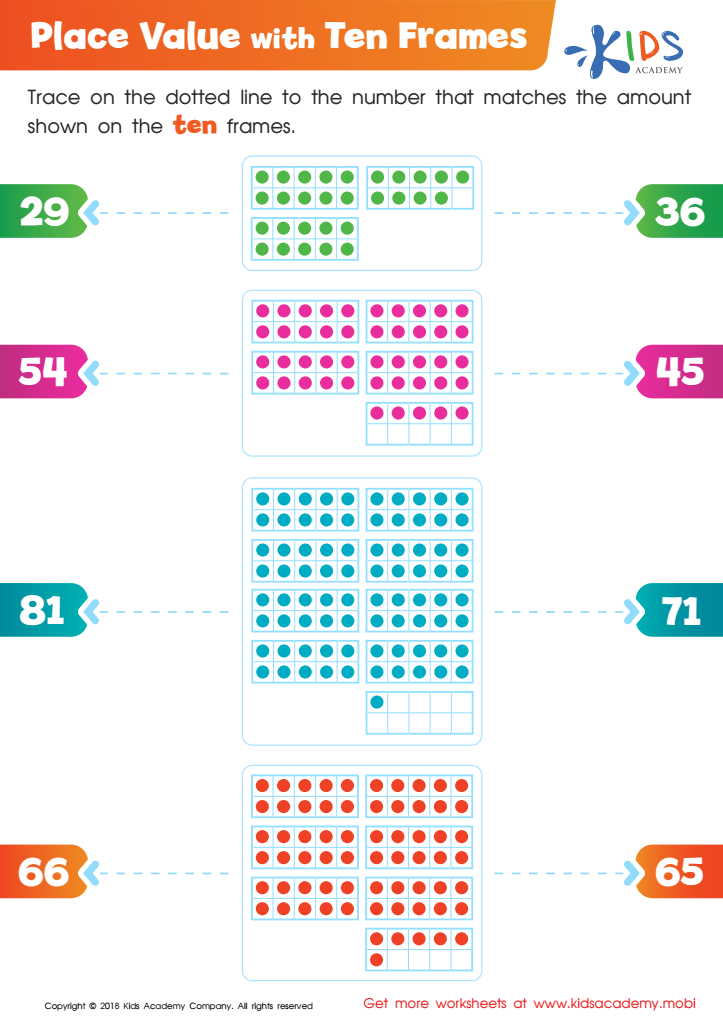
Assist your child in counting the dots in each of the framed numbers. Then, guide them as they trace the dotted lines to the number that matches the amount shown. This worksheet will help them learn more about mathematics, as well as how to count numbers.
Place Values with Ten Frames Worksheet
Worksheet
Trading Ones for Tens Worksheet

Trading Ones for Tens Worksheet

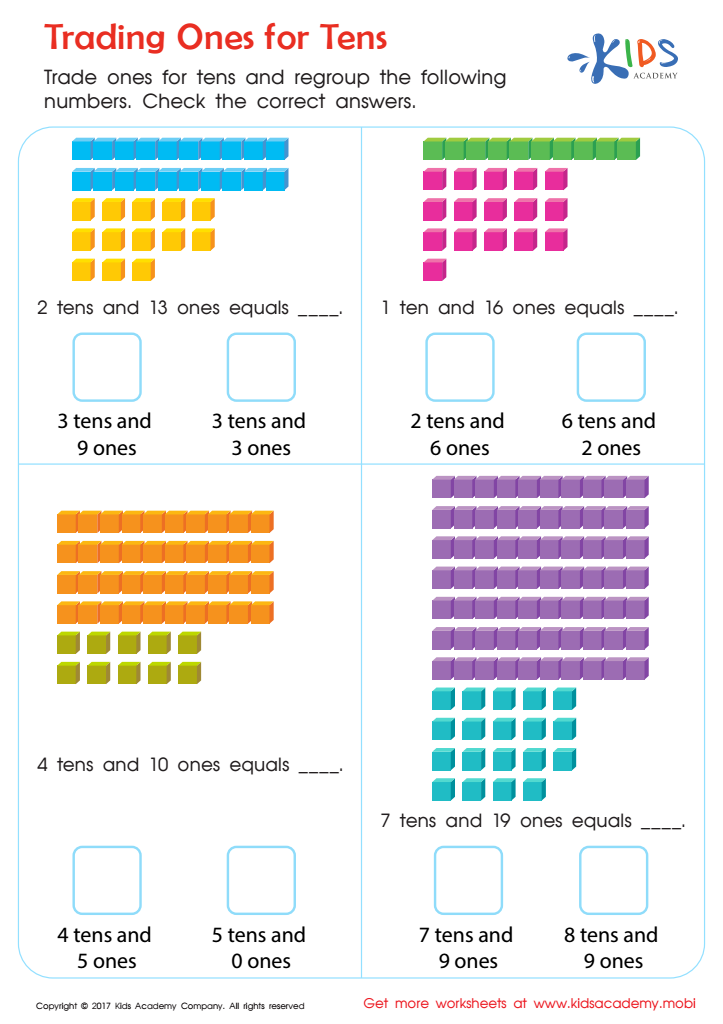
Kids Academy asserts that mastering place value is essential for developing math capabilities, like addition and subtraction. Using base ten blocks to regroup numbers aids kids in becoming numerate, plus it prepares them for further math operations. We have an illustrative worksheet that plus provides the cubes needed to understand the process of trading ones for tens.
Trading Ones for Tens Worksheet
Worksheet
Trading Tens Worksheet
Trading Tens Worksheet

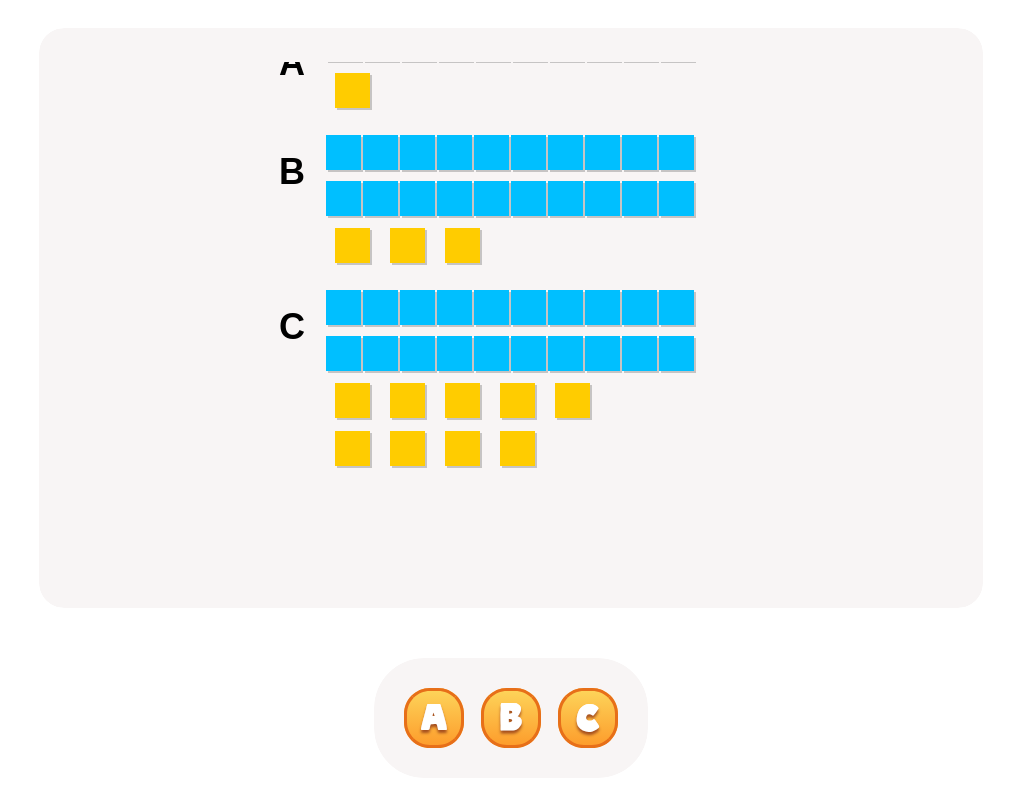
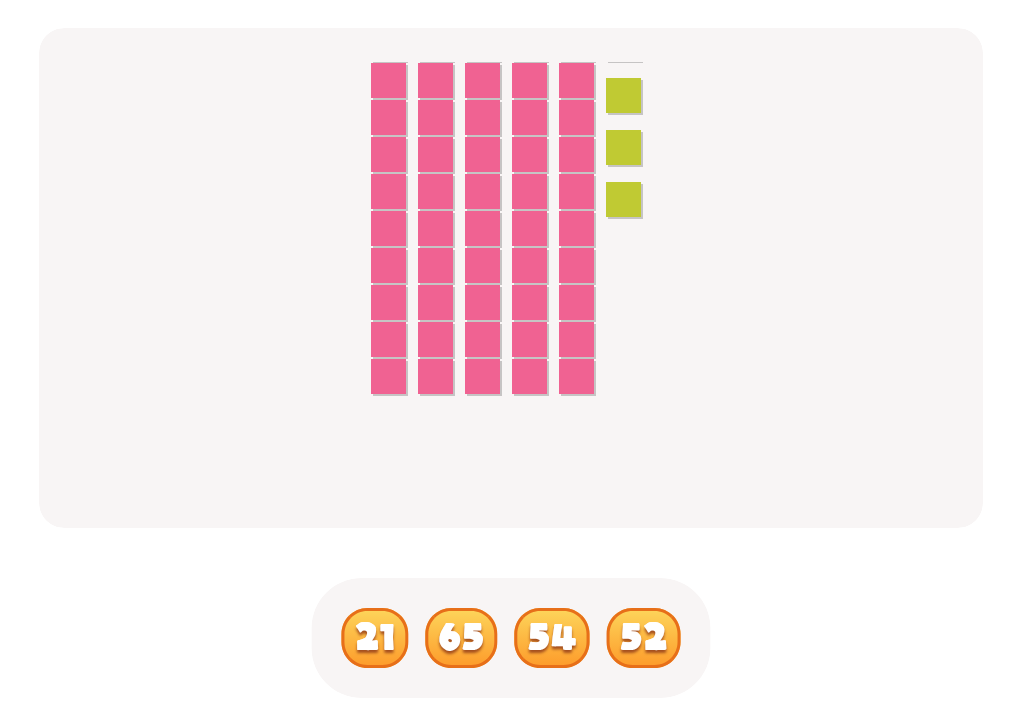
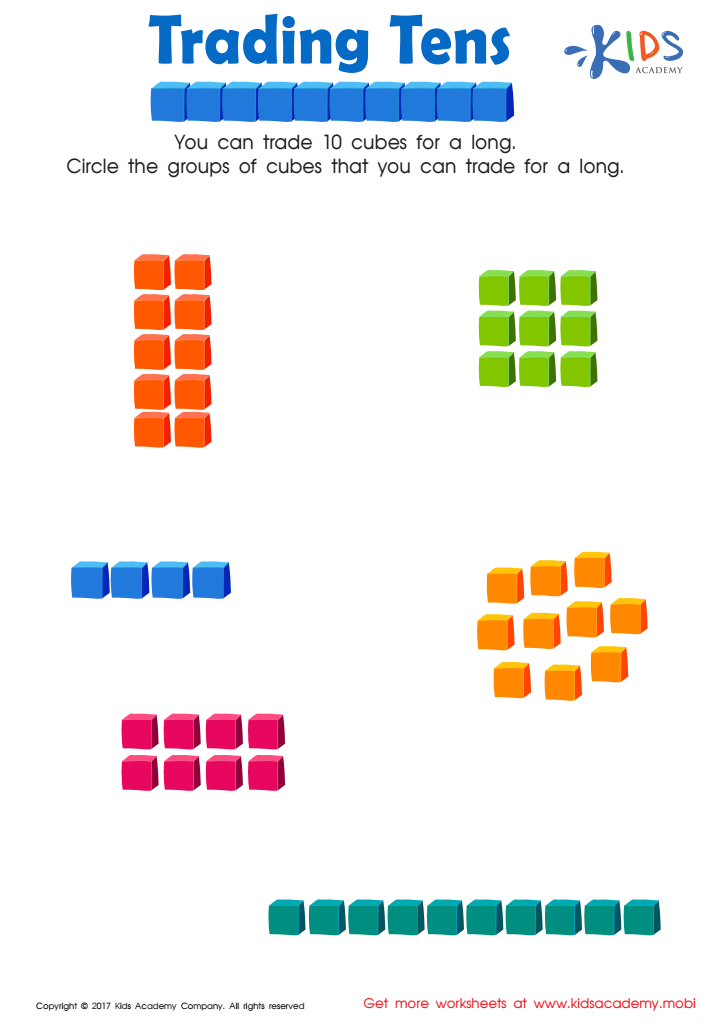
Students will hone their counting skills with this worksheet. They must identify groups of 10 cubes to trade for a long. The cubes are arranged in different ways, so students must rely on individual counting. Completing this printable pdf will help 1st graders develop problem-solving abilities and a better understanding of counting.
Trading Tens Worksheet
Worksheet
Practice Place Value Worksheet

Practice Place Value Printable
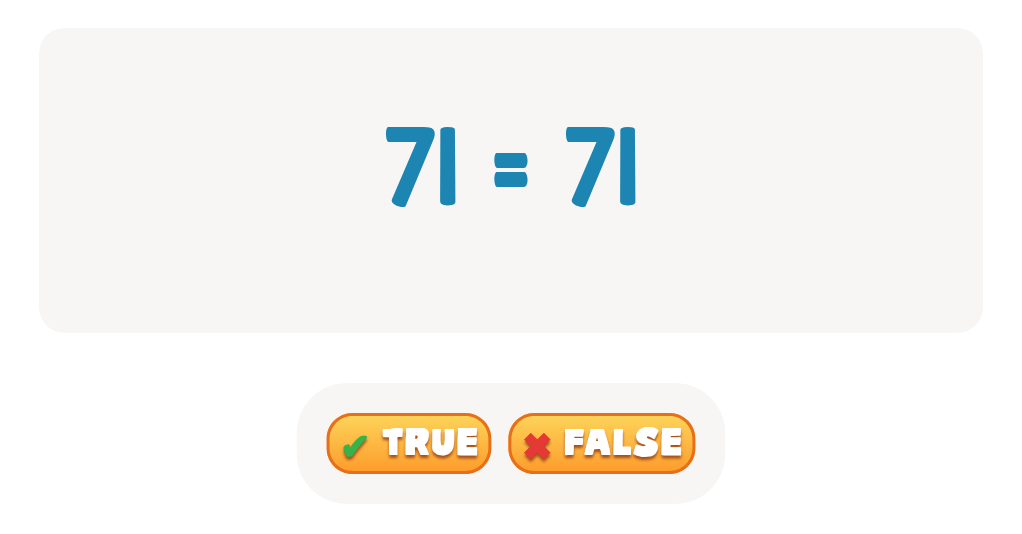
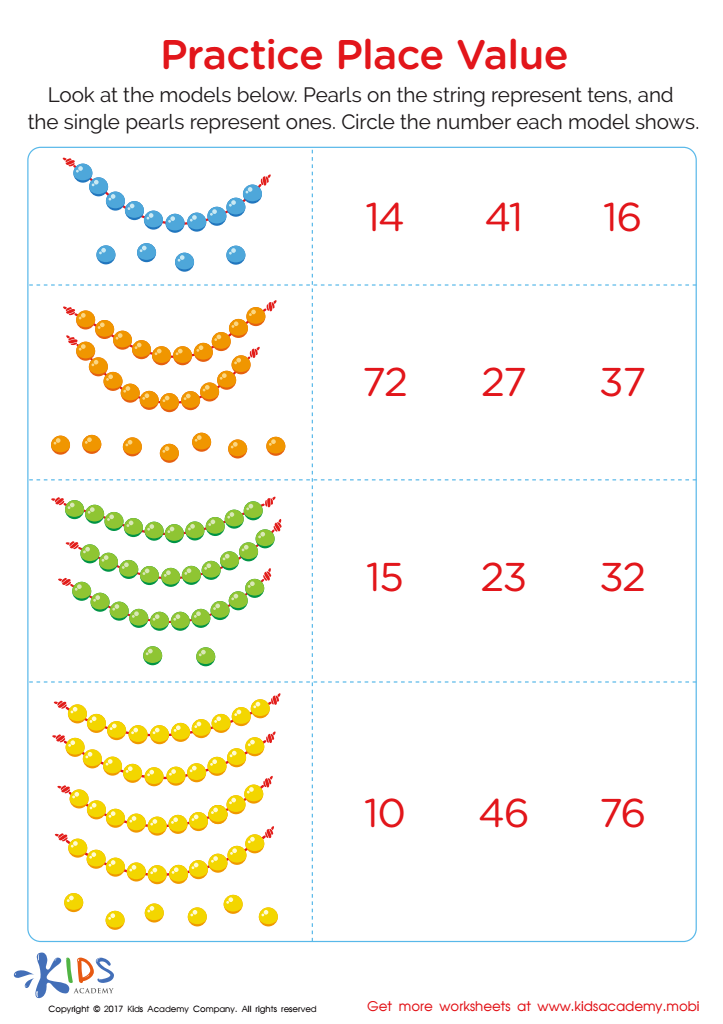
This worksheet is ideal for honing your child's place value and mental math skills. It encourages them to learn by looking at models and performing calculations based on instructions. Build your child's number sense with this handy tool!
Practice Place Value Printable
Worksheet
Trading Ones for Tens Worksheet: Part 2


Trading Ones for Tens Worksheet: Part 2

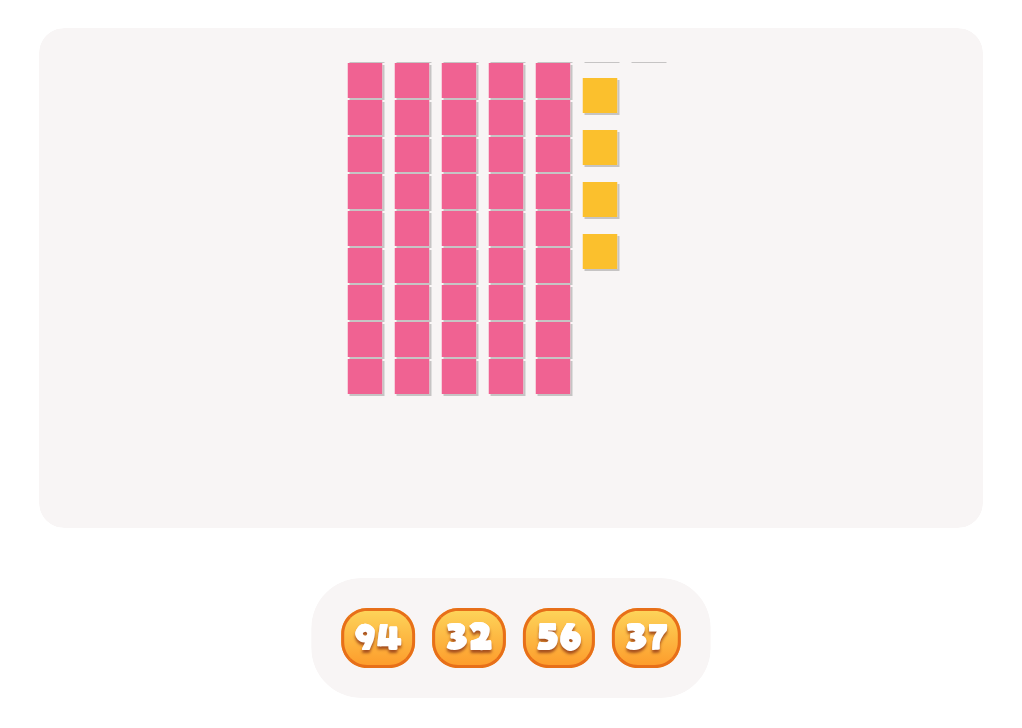
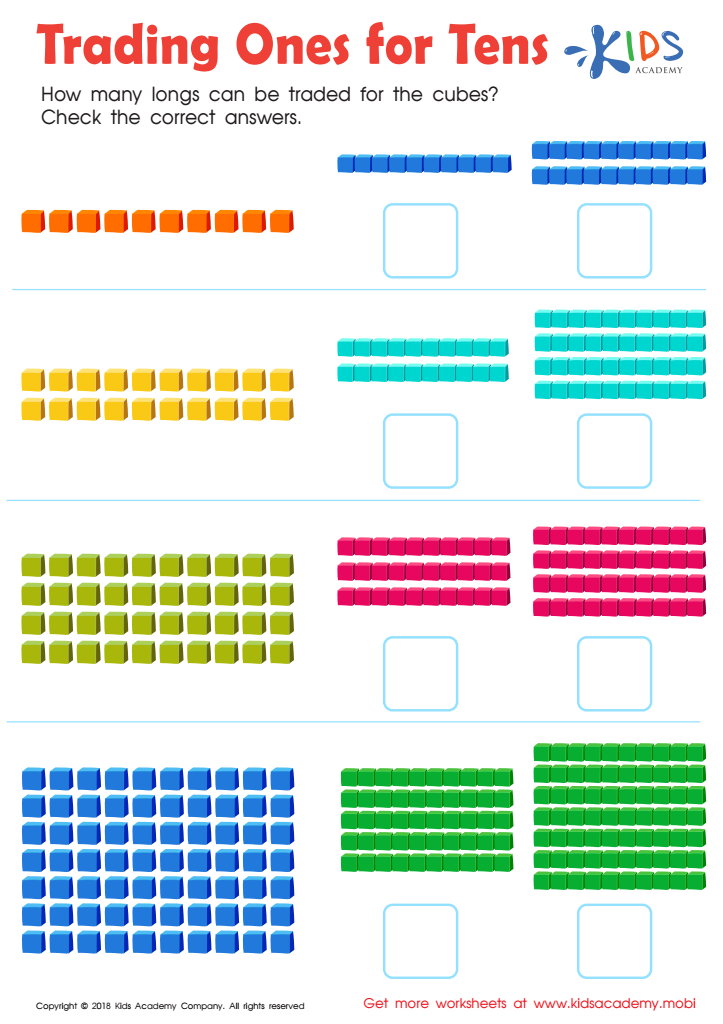
Introduce your early learners to regrouping numbers! Catch their attention with this brightly colored worksheet. See how many 10s can be created from the cubes. Then, check the box with the correct answer to complete the sheet! Download now and get started!
Trading Ones for Tens Worksheet: Part 2
Worksheet


Understanding place value is fundamental for young children, particularly for those aged 3-6, as it serves as the cornerstone for future mathematical learning. At this age, children are developing their number sense, and grasping the concept of place value helps them comprehend how numbers function—specifically, that the position of a digit affects its value. This understanding aids in differentiating between numbers like 21 and 12, fostering a deeper mathematical reasoning.

Parents and teachers play a vital role in cultivating this comprehension. By engaging children in playful activities that emphasize place value—such as using blocks, counters, or games—they can make learning interactive and fun. This not only encourages a positive attitude towards math but also enhances critical thinking skills. Knowing place value sets the stage for addition, subtraction, and eventually more complex operations like multiplication and division.

Moreover, a solid grasp of place value lays the groundwork for grasping fractions and decimals later on in their education. By prioritizing place value from an early age, caregivers ensure that children build a strong mathematical foundation, ultimately leading to greater success in later grades and encouraging a lifelong love of learning.