Letter recognition Building Vocabulary Worksheets for Ages 3-6
8 filtered results
-
From - To
Enhance your child's literacy skills with our Letter Recognition Building Vocabulary Worksheets, designed specifically for children aged 3-6. These engaging worksheets provide interactive activities that foster letter recognition while enriching vocabulary. Each printable resource incorporates fun visuals and educational exercises that help young learners identify letters, associate them with words, and develop phonemic awareness. Ideal for homeschoolers or classroom use, our worksheets promote a love for reading and learning at an early age. Support your child's language development journey and lay a strong foundation for future literacy skills with our delightful and effective letter recognition resources.
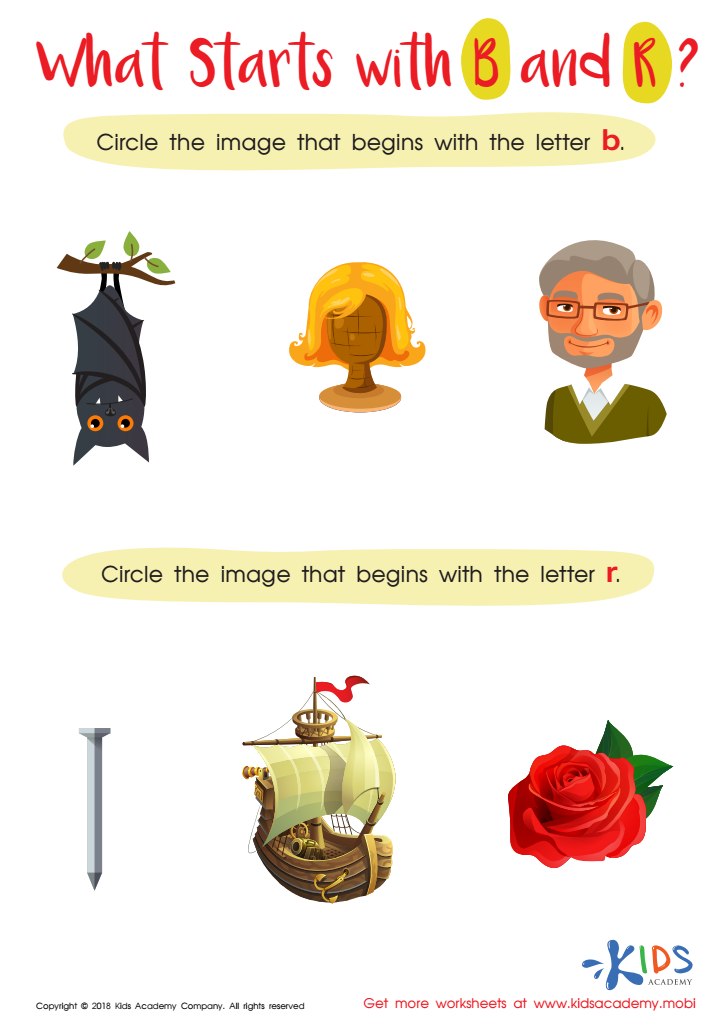
What Starts with B and R? Worksheet
 Assign to My Students











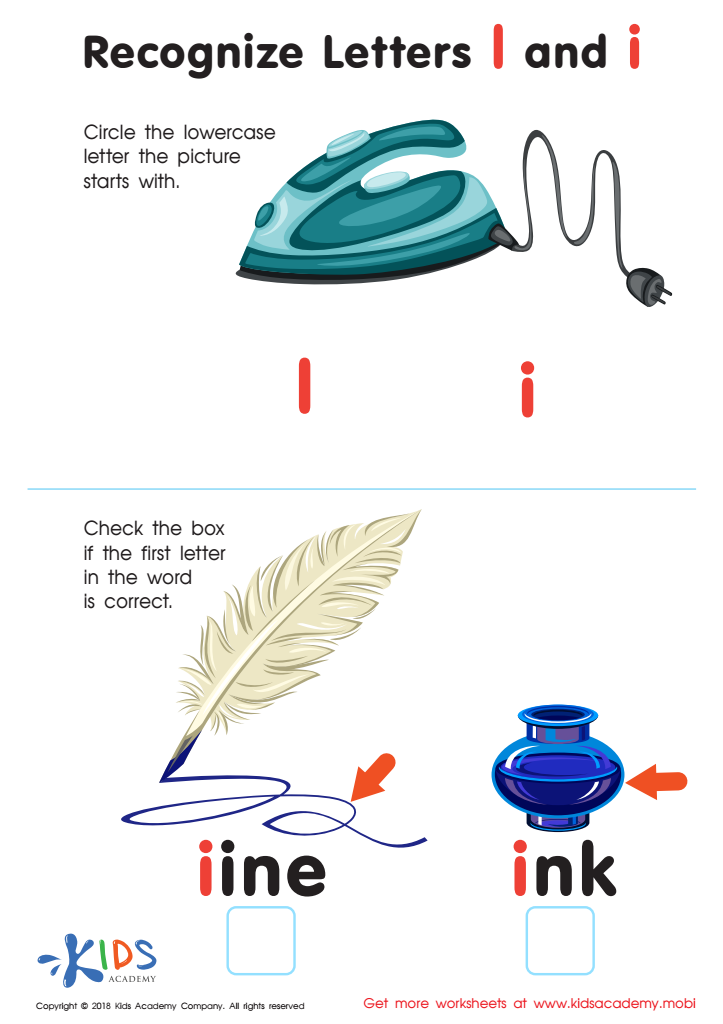
Recognize Letters l and i Worksheet
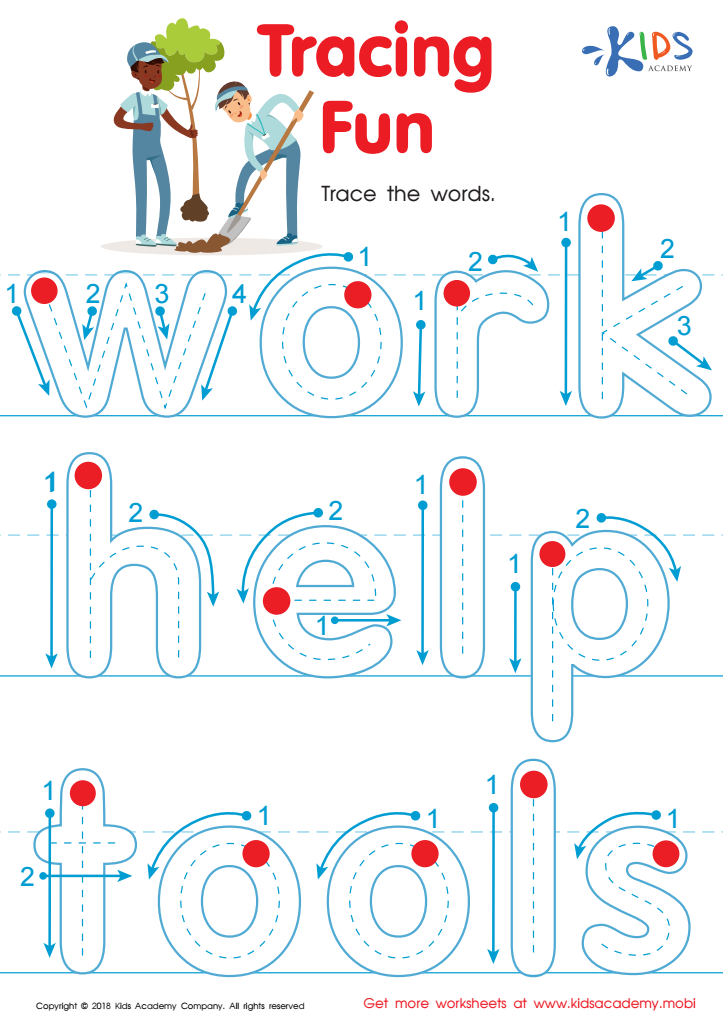
Tracing Fun Worksheet
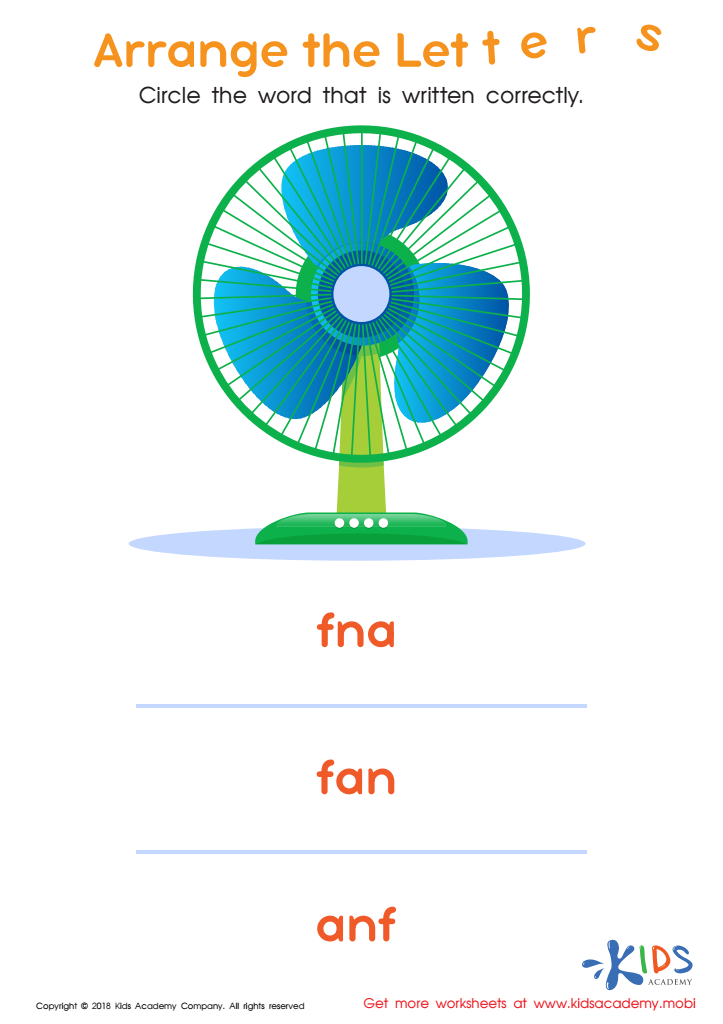
Arrange the Letters Worksheet
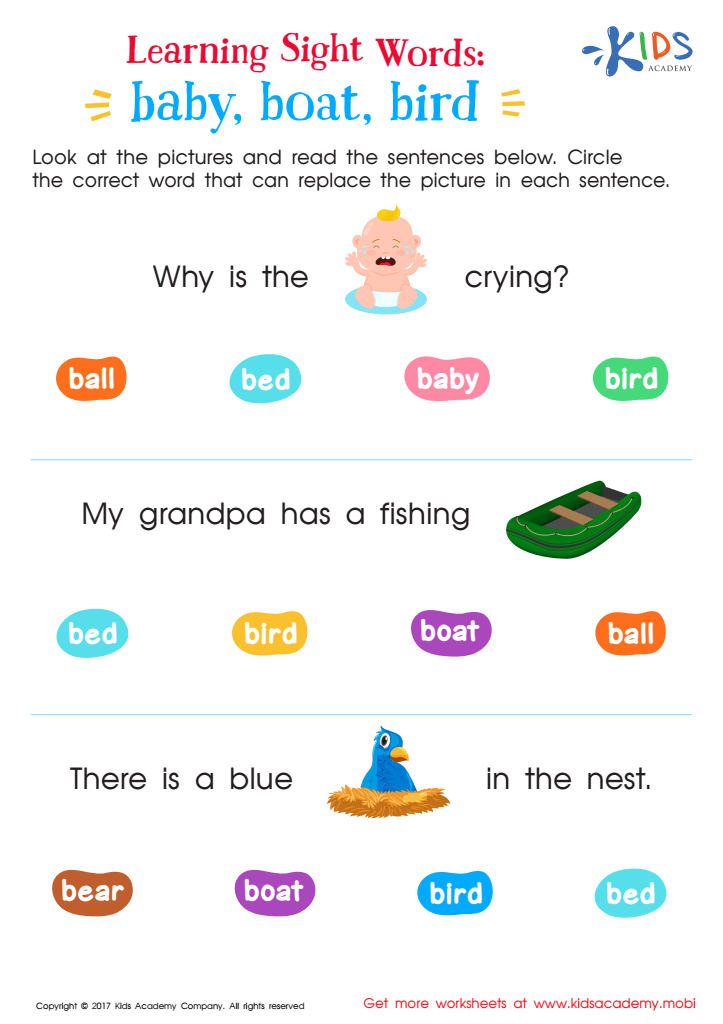
Baby, Boat, Bird Worksheet Sight Words Worksheet
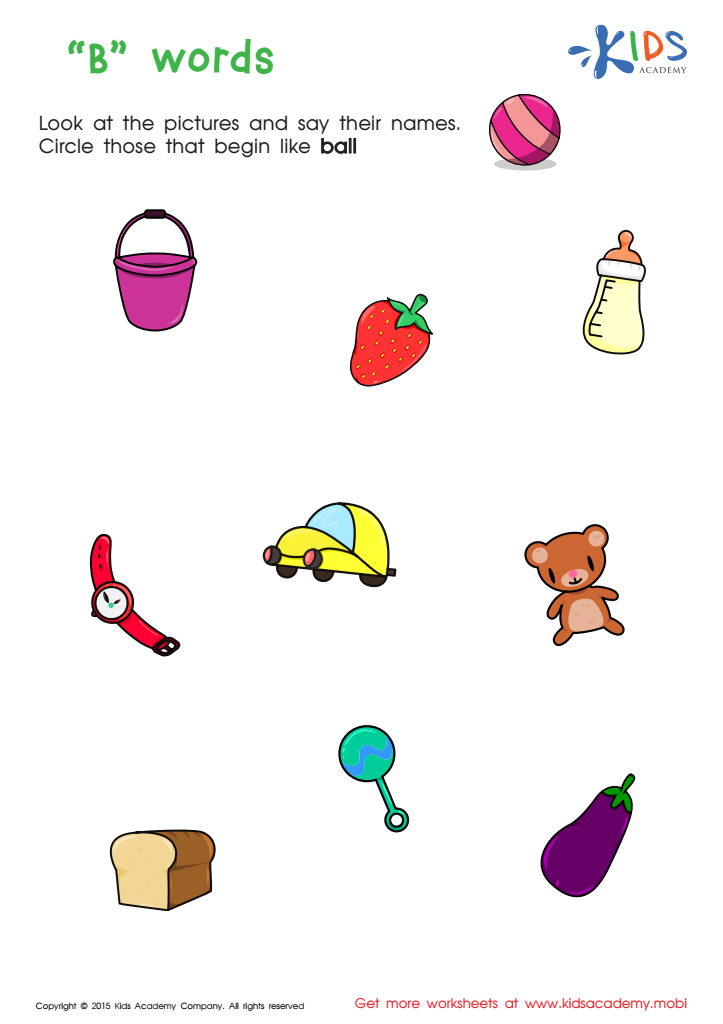
First Words Worksheet
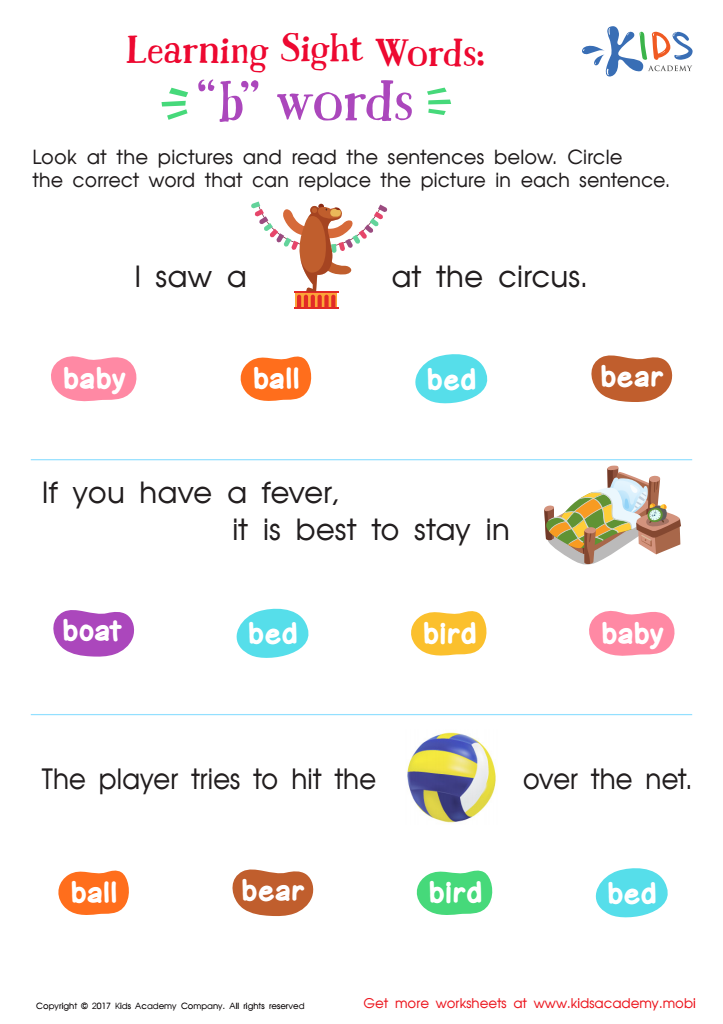
"B" Words Printable Sight Words Worksheet
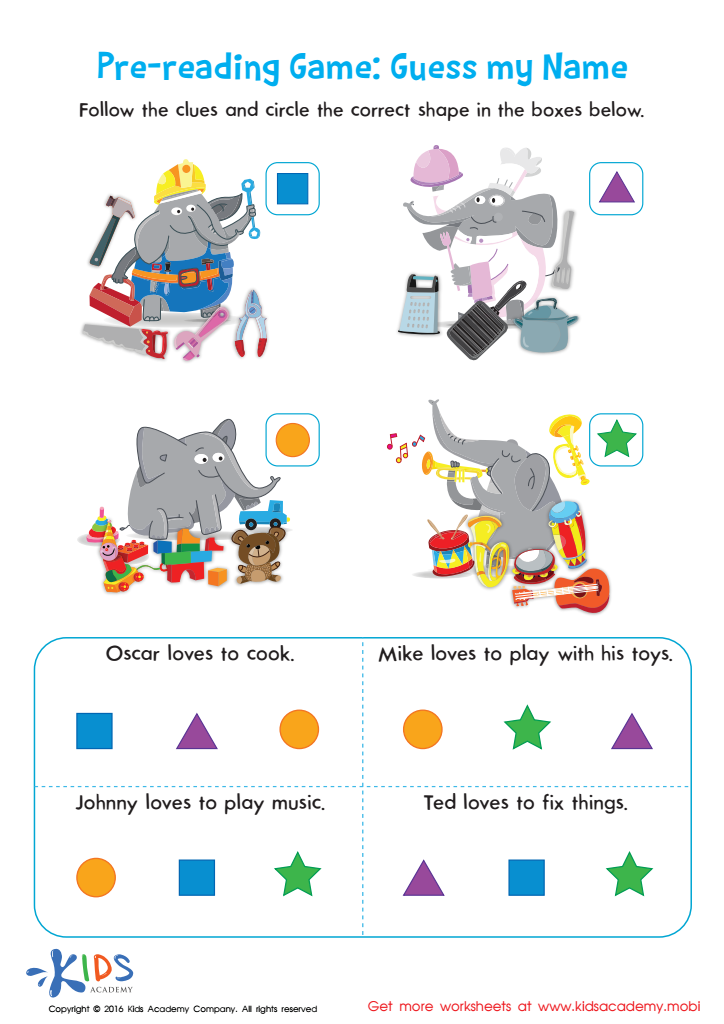
Pre Reading Worksheet Guess My Name



.jpg)




Letter recognition and vocabulary building are crucial components of early literacy that greatly influence a child's language development and academic success. For children ages 3-6, recognizing letters is foundational; it helps them understand that letters are symbols representing sounds, which is essential for reading. Early mastery of letters lays the groundwork for phonemic awareness, essential for decoding words and fostering a love for literature.
Vocabulary building, on the other hand, enriches children's communication skills. A robust vocabulary enables them to express thoughts, emotions, and ideas more vividly, which is vital for social interactions and academic competence. When educators and parents prioritize these skills through engaging activities—like alphabet games, storytelling, and singing—children develop a richer language experience.
Additionally, emphasizing letter recognition and vocabulary cultivates cognitive development. Research indicates that children who are exposed to diverse language inputs are better equipped for critical thinking and problem-solving later in life. By focusing on these areas, parents and teachers equip children with the tools they need to navigate the world of reading, enhancing their confidence and fostering a lifelong love of learning. Neglecting these early skills can hinder a child's future educational opportunities and self-expression.








