Filters

20 filtered results

Clear all filters
Favorites
With answer key
Interactive

20 filtered results

Difficulty Level

Grade


Our Number Recognition Building Vocabulary Worksheets for Ages 3-6 are thoughtfully designed to combine early numeracy skills with essential vocabulary development. These engaging, age-appropriate worksheets facilitate young learners in recognizing numbers, counting objects, and expanding their descriptive vocabulary through fun activities. Each worksheet provides colorful illustrations and hands-on exercises that make learning both effective and enjoyable. Perfect for classrooms, homeschooling, or additional practice, these worksheets help children develop a solid foundation in math and language skills, ensuring they are well-prepared for more advanced educational milestones. Start enhancing your child’s educational journey today with our dynamic resources!

Check out this FREE Trial Lesson on Building Vocabulary for age 3-6!

Distinguish Between Similarly Spelled Words

Favorites
With answer key
Interactive
  • 3-6
  • Number Recognition
  • Building Vocabulary
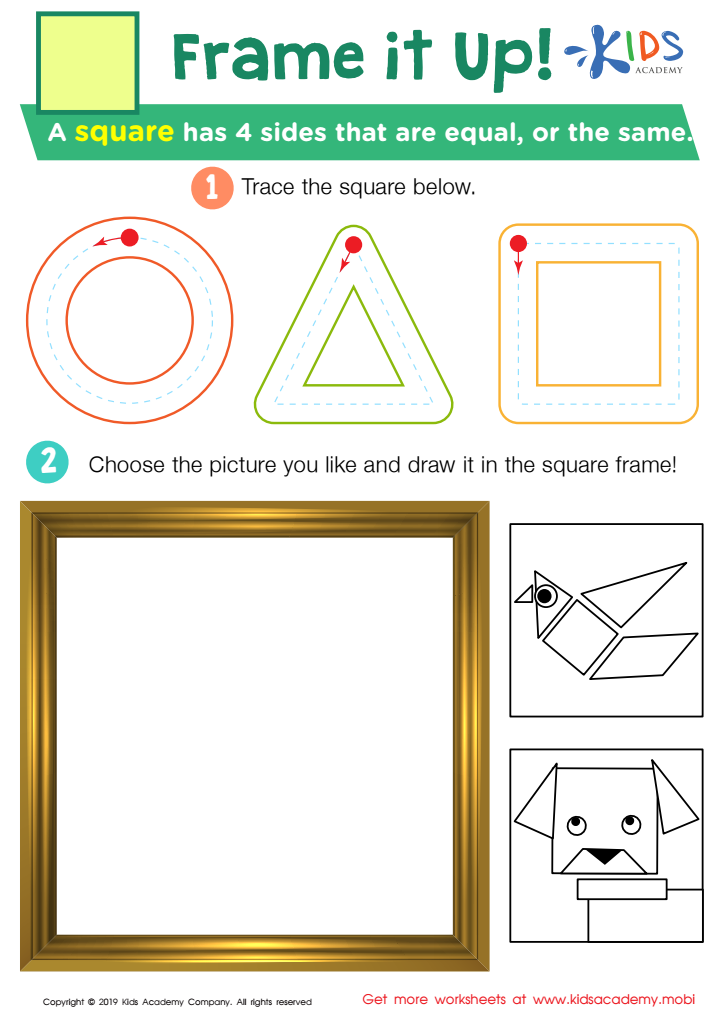
Frame it Up Worksheet

Frame it Up Worksheet

This worksheet helps kids learn the difference between squares and other shapes. It guides them to trace a square and draw a picture inside it. Examples of shapes-based drawings are included. Kids will have fun and clear up any confusion about squares.
Frame it Up Worksheet
Worksheet
Ten in the Bed: Vocabulary Worksheet

Ten in the Bed: Vocabulary Worksheet

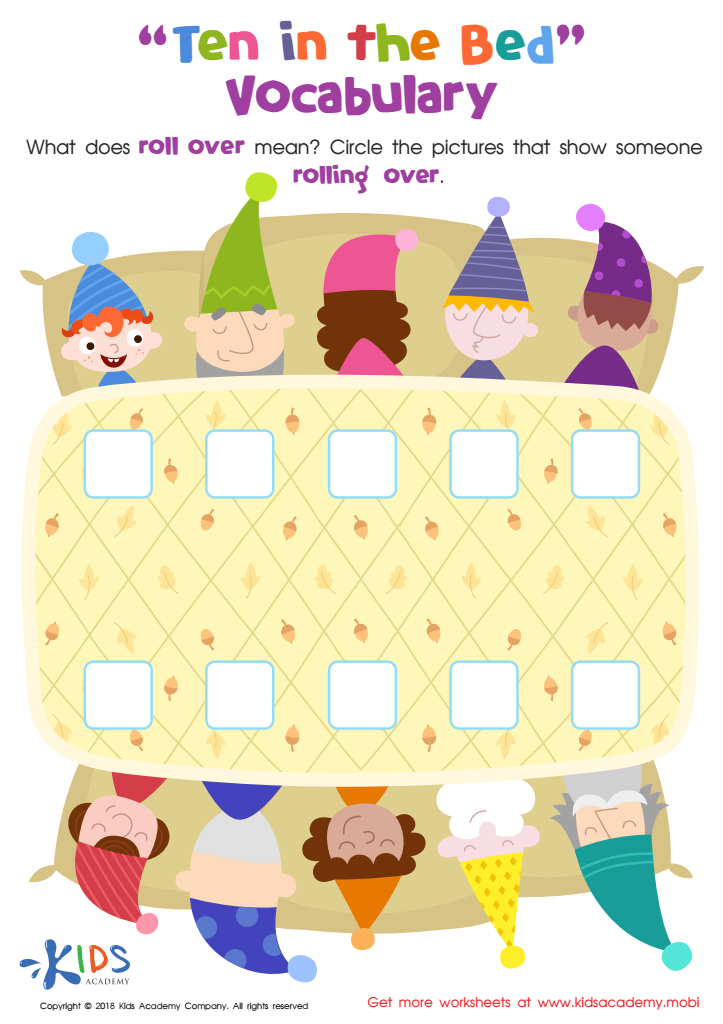
It's essential for emerging readers to be proficient in positional and directional words. This worksheet uses cheerful faces to help students identify who has "rolled over". Knowing these words is an essential part of reading and writing for pre-K and Kindergarteners. It also helps them to follow directions and use precise language.
Ten in the Bed: Vocabulary Worksheet
Worksheet
Fish Worksheet
Fish Worksheet

Fish Worksheet

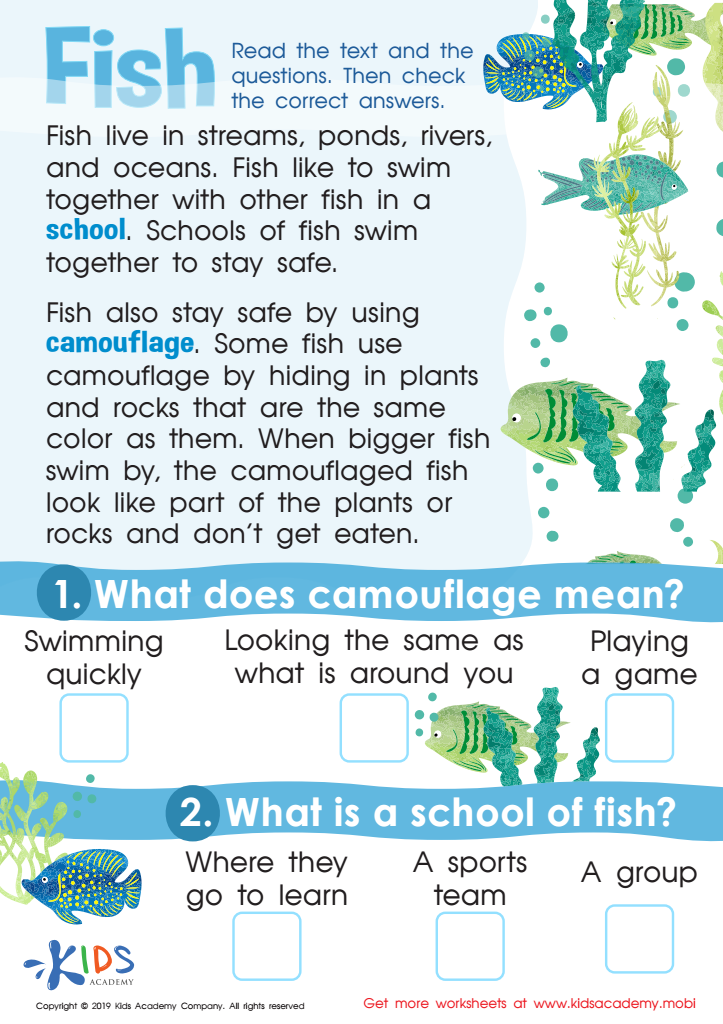
Kids love learning about the creatures that live in water! This free PDF worksheet covers fish, teaching kids larger vocabulary and contextual reading comprehension. Questions prompt them to choose the right answer from multiple choices, just like in a classroom. It's a fun way to boost their reading skills and comprehension without them even realizing it!
Fish Worksheet
Worksheet
Pair Pears Worksheet
Pair Pears Worksheet
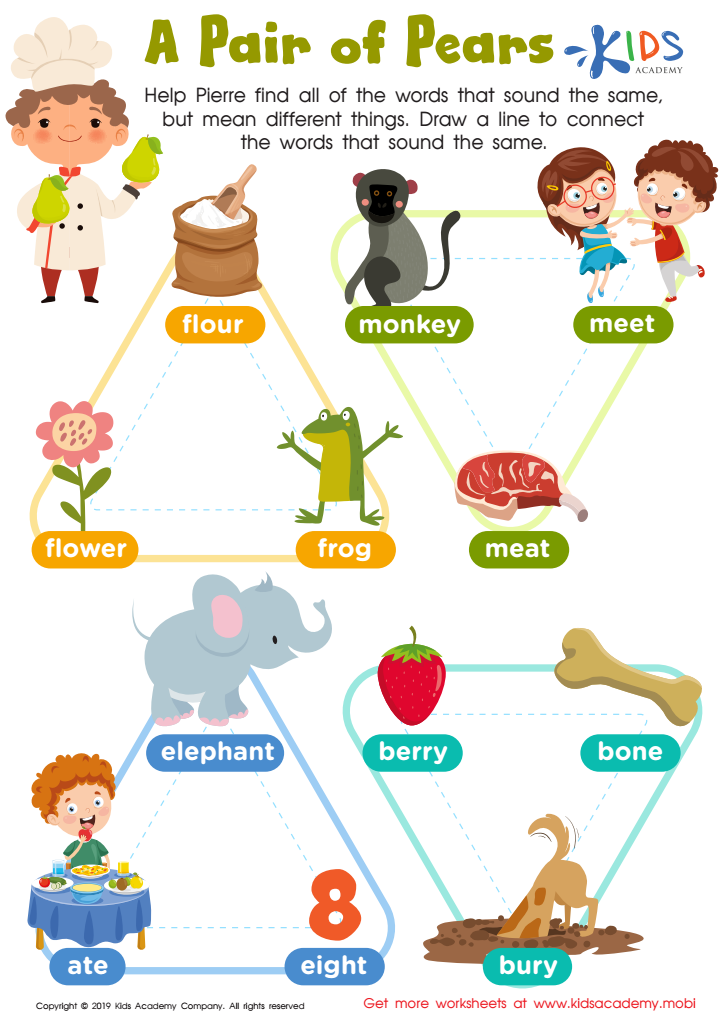
Young readers can have difficulty knowing when to use the right homophone. This free worksheet helps them use familiar imagery to understand better by connecting words that sound similar but are spelled and mean different things. Students will trace the lines to form a picture and have a reference image to differentiate between the different homophones.
Pair Pears Worksheet

Worksheet
Kindergarten Sight Words: Did

Kindergarten Sight Words: Did

Kindergarten Sight Words: Did
Worksheet
Preschool Sight Words: Red

Preschool Sight Words: Red

Preschool Sight Words: Red
Worksheet
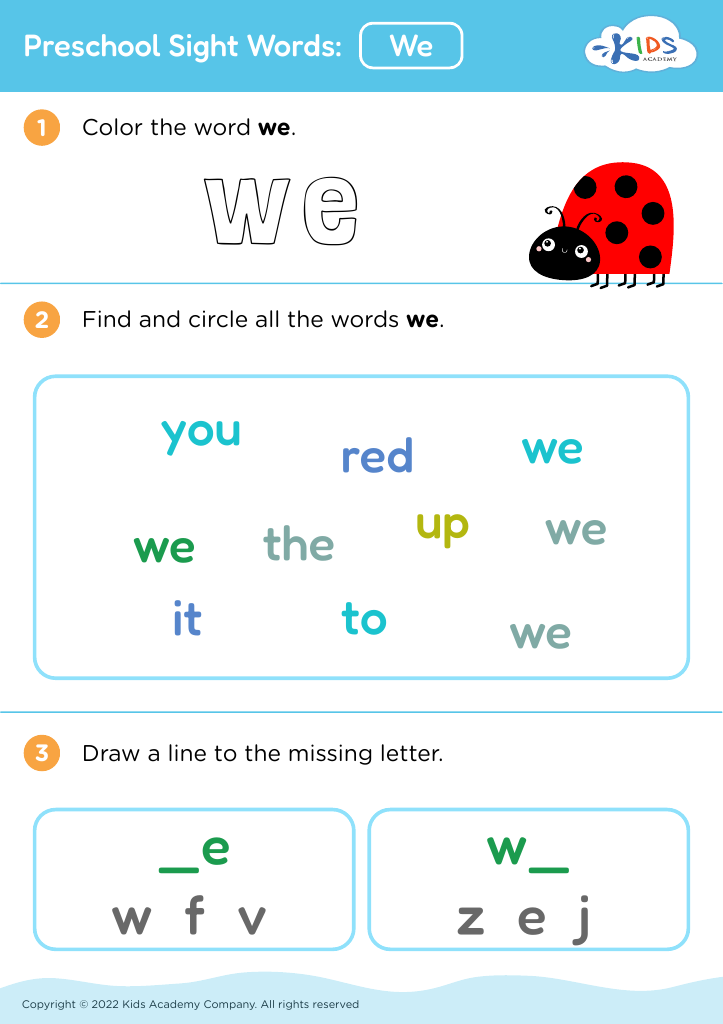
Preschool Sight Words: We

Preschool Sight Words: We

Preschool Sight Words: We
Worksheet
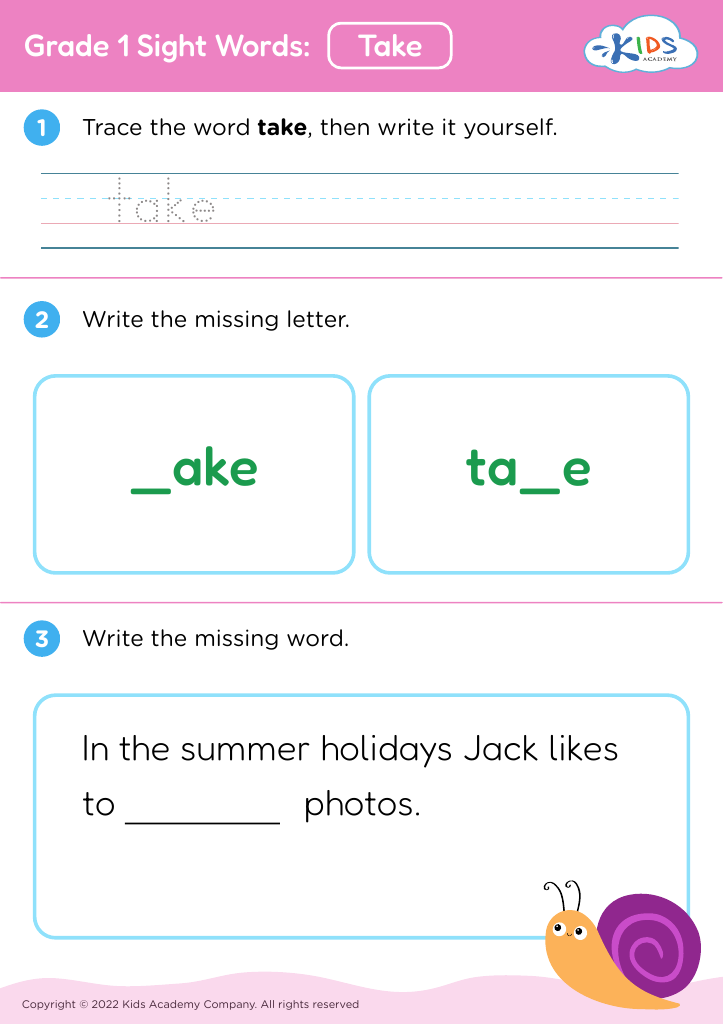
Grade 1 Sight Words: Take

Grade 1 Sight Words: Take

Grade 1 Sight Words: Take
Worksheet
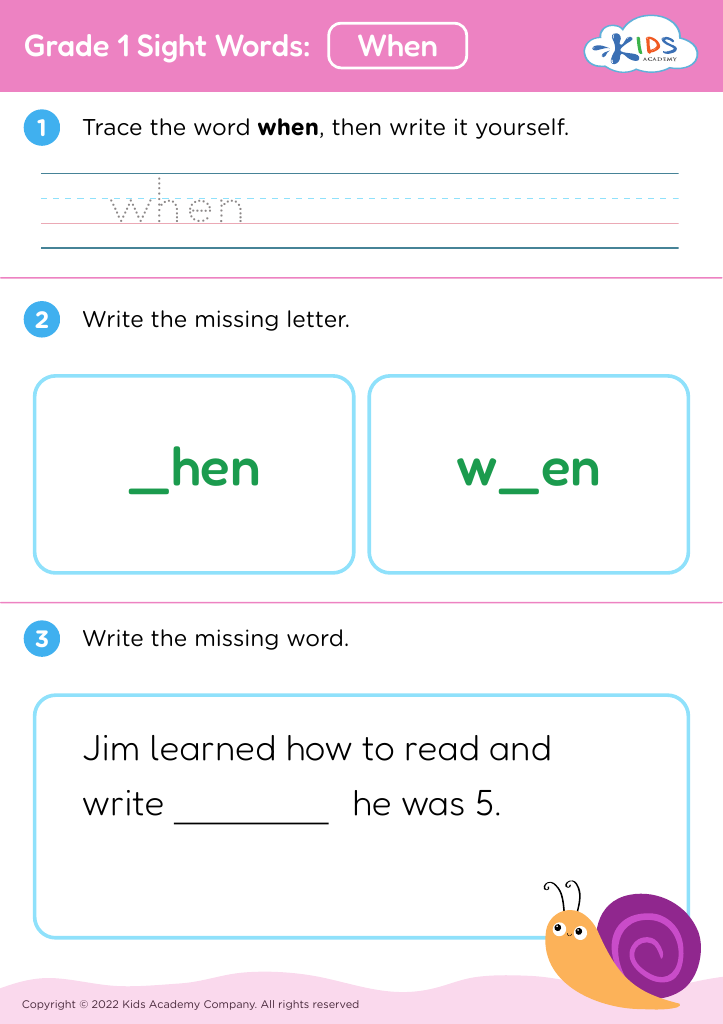
Grade 1 Sight Words: When

Grade 1 Sight Words: When

Grade 1 Sight Words: When
Worksheet
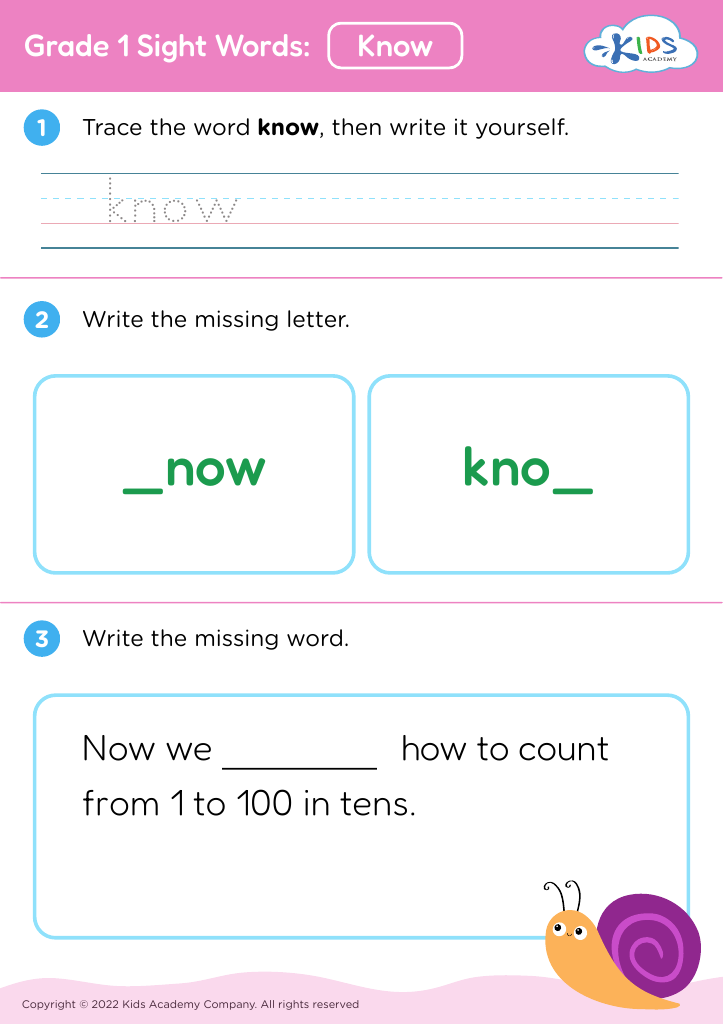
Grade 1 Sight Words: Know

Grade 1 Sight Words: Know

Grade 1 Sight Words: Know
Worksheet
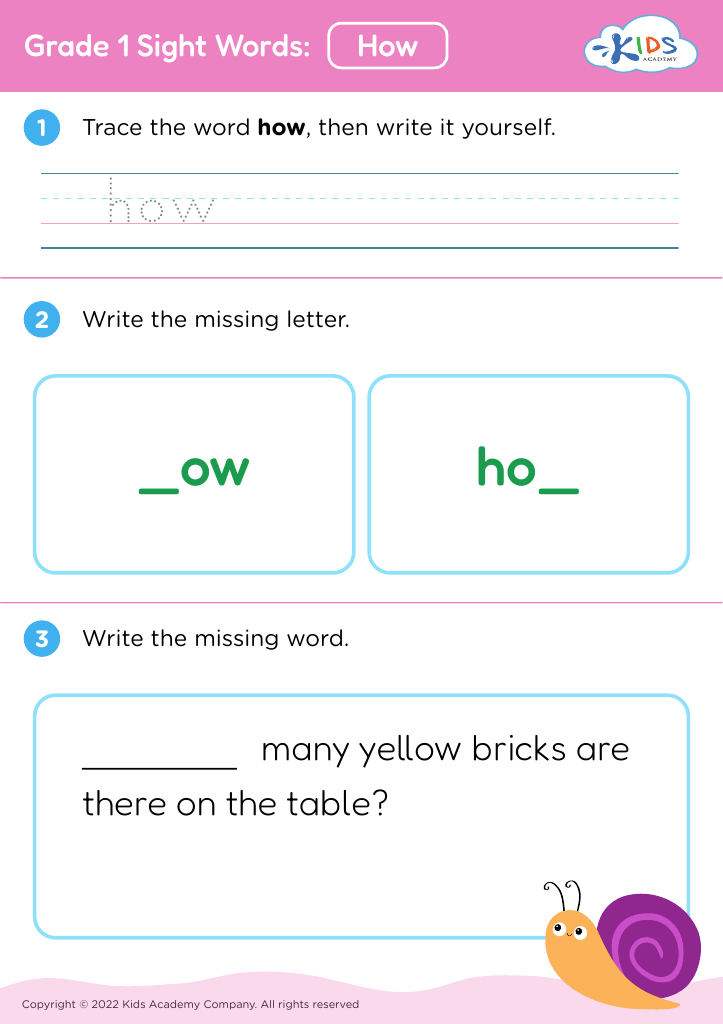
Grade 1 Sight Words: How

Grade 1 Sight Words: How

Grade 1 Sight Words: How
Worksheet
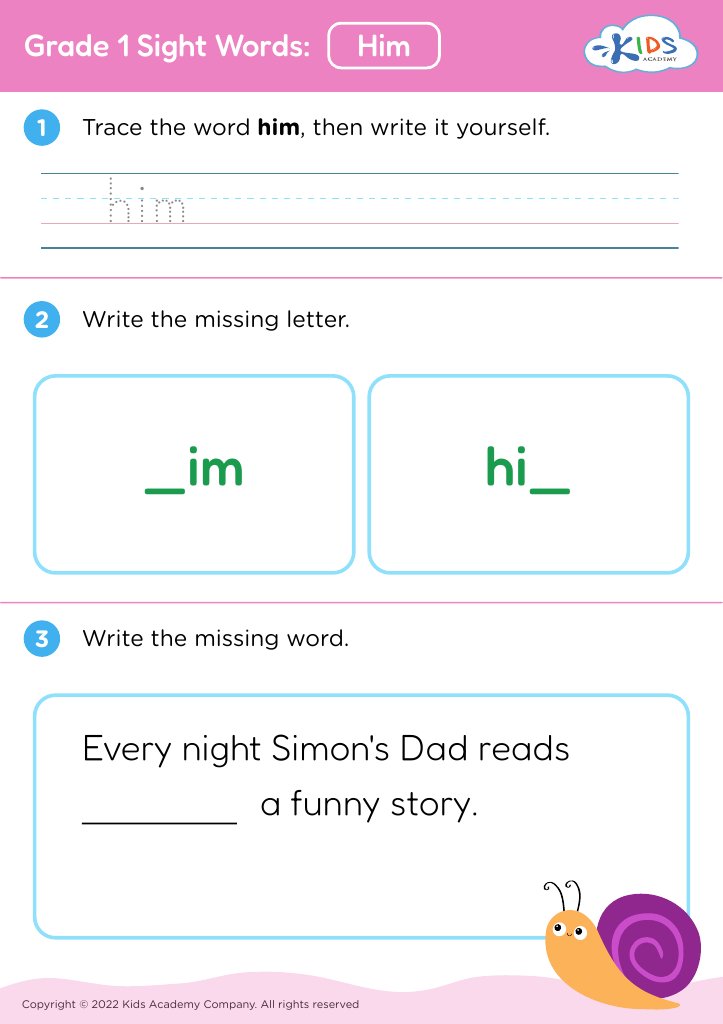
Grade 1 Sight Words: Him

Grade 1 Sight Words: Him

Grade 1 Sight Words: Him
Worksheet
Preschool Sight Words: Funny

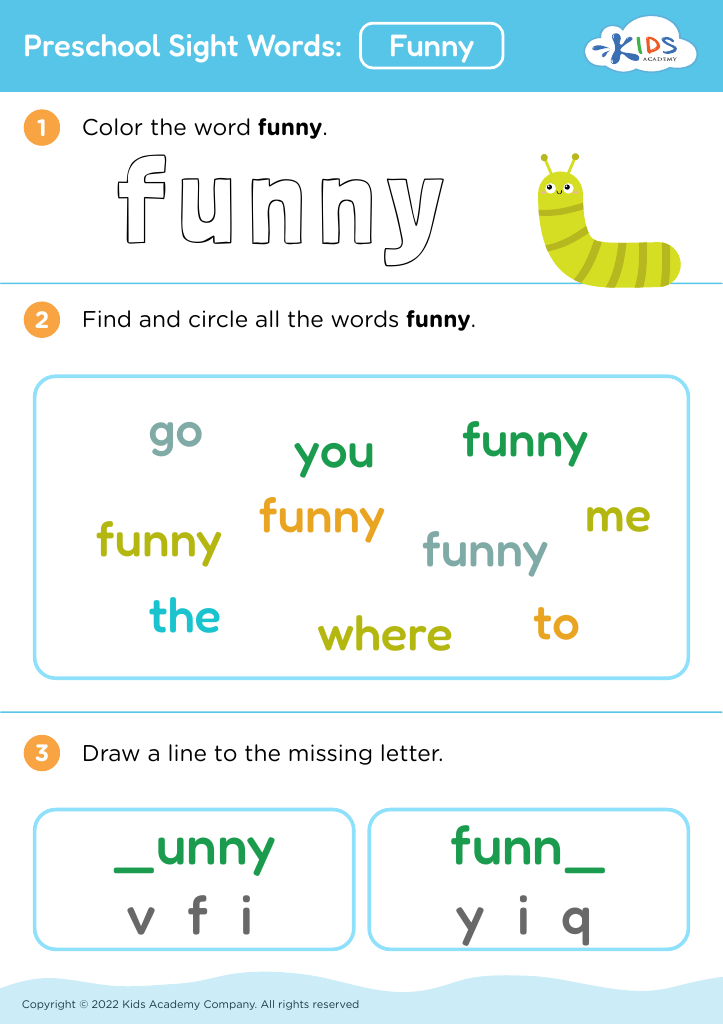
Preschool Sight Words: Funny

Preschool Sight Words: Funny
Worksheet
Preschool Sight Words: Away

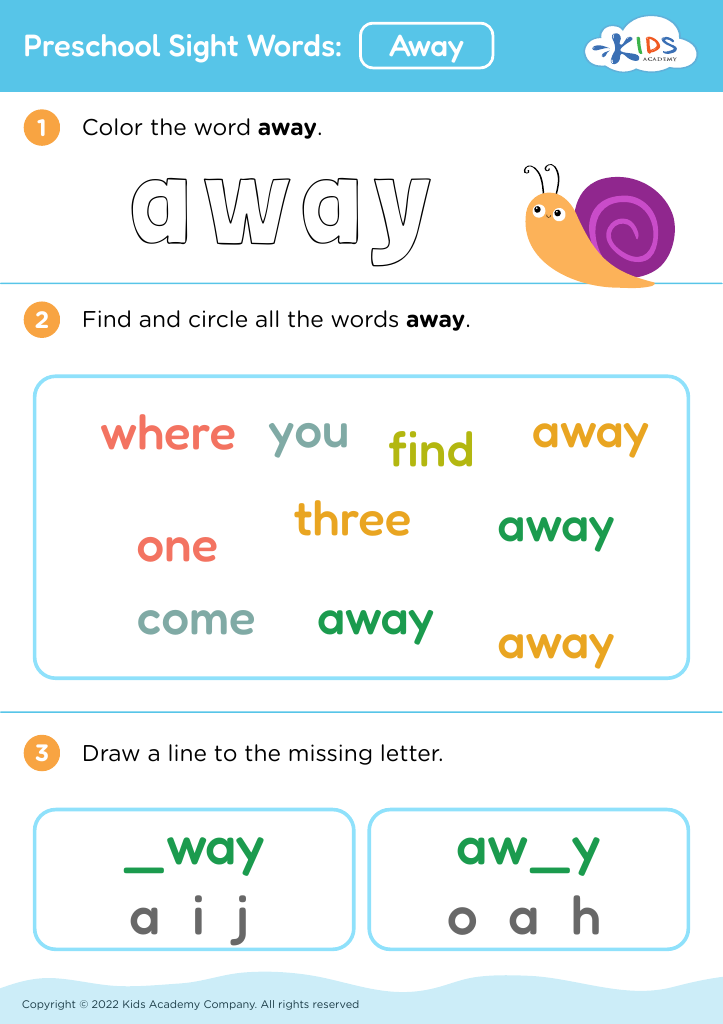
Preschool Sight Words: Away

Preschool Sight Words: Away
Worksheet
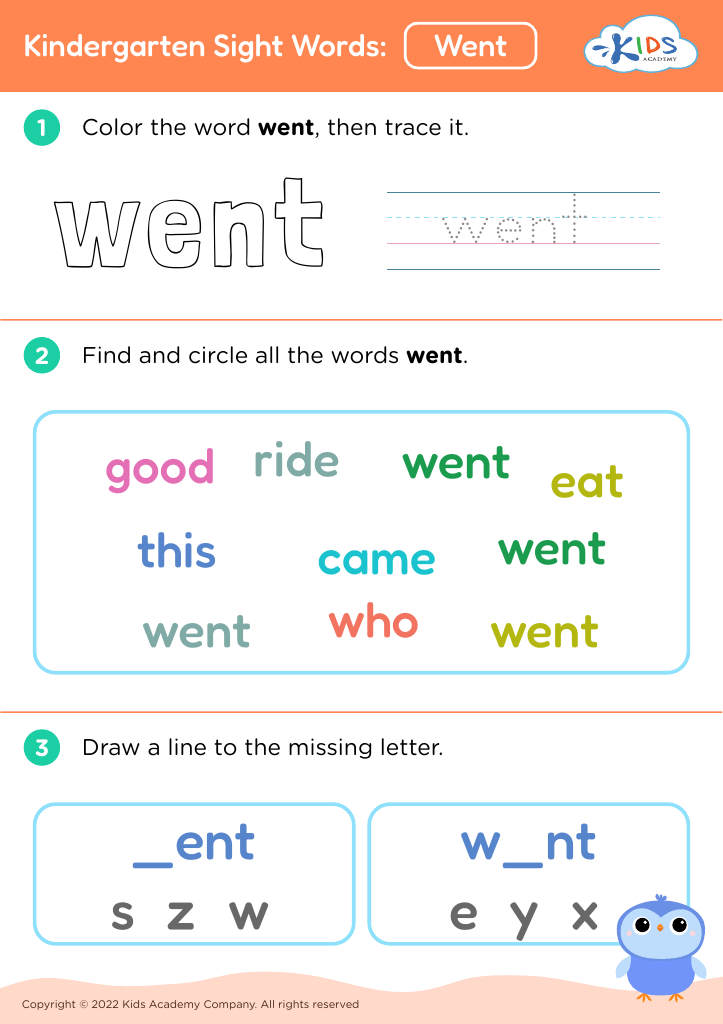
Kindergarten Sight Words: Went

Kindergarten Sight Words: Went

Kindergarten Sight Words: Went
Worksheet
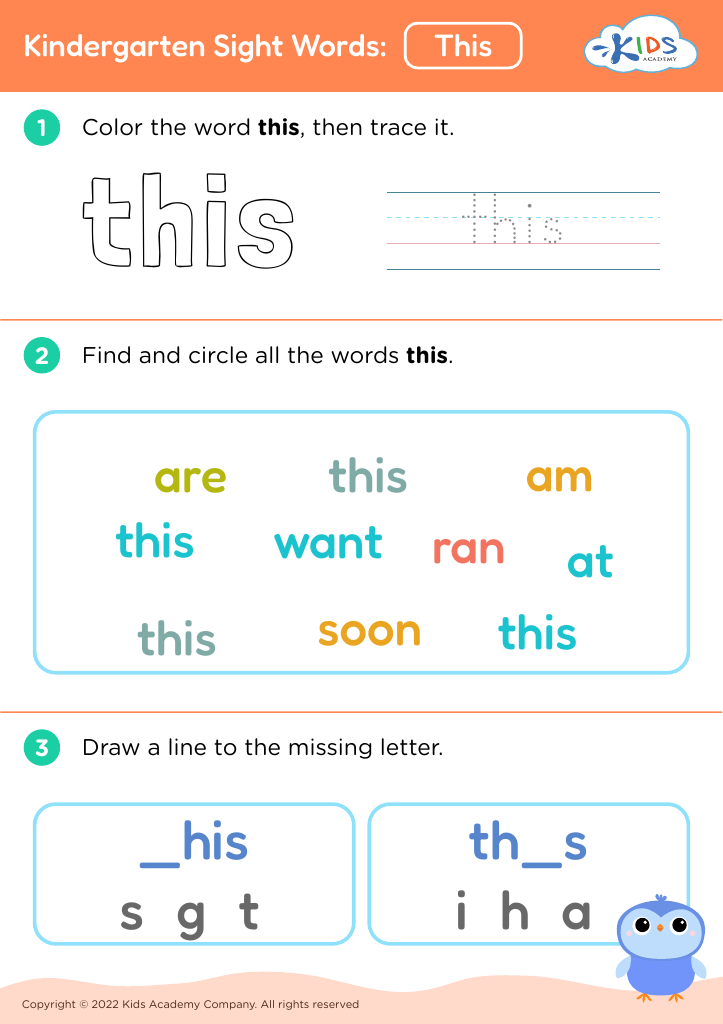
Kindergarten Sight Words: This

Kindergarten Sight Words: This

Kindergarten Sight Words: This
Worksheet
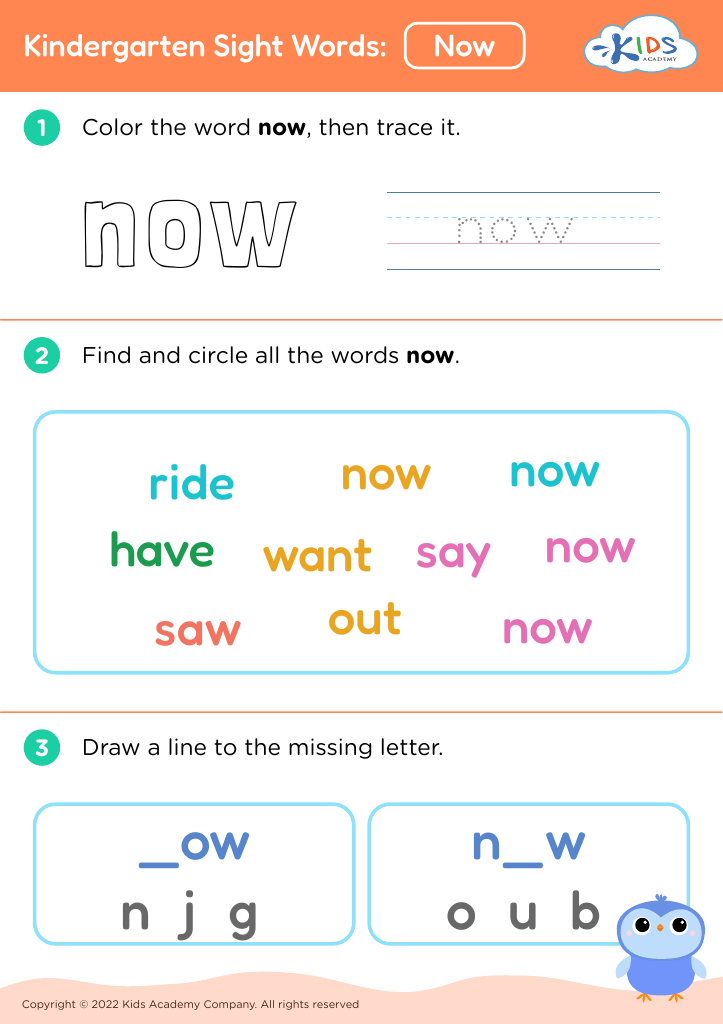
Kindergarten Sight Words: Now

Kindergarten Sight Words: Now

Kindergarten Sight Words: Now
Worksheet
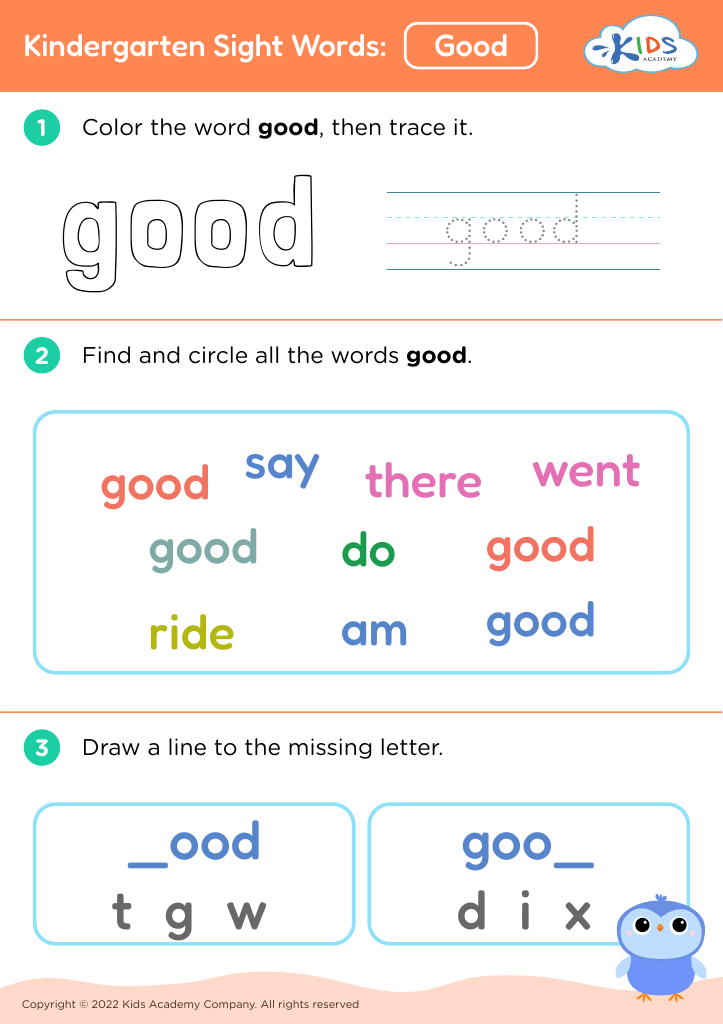
Kindergarten Sight Words: Good

Kindergarten Sight Words: Good

Kindergarten Sight Words: Good
Worksheet
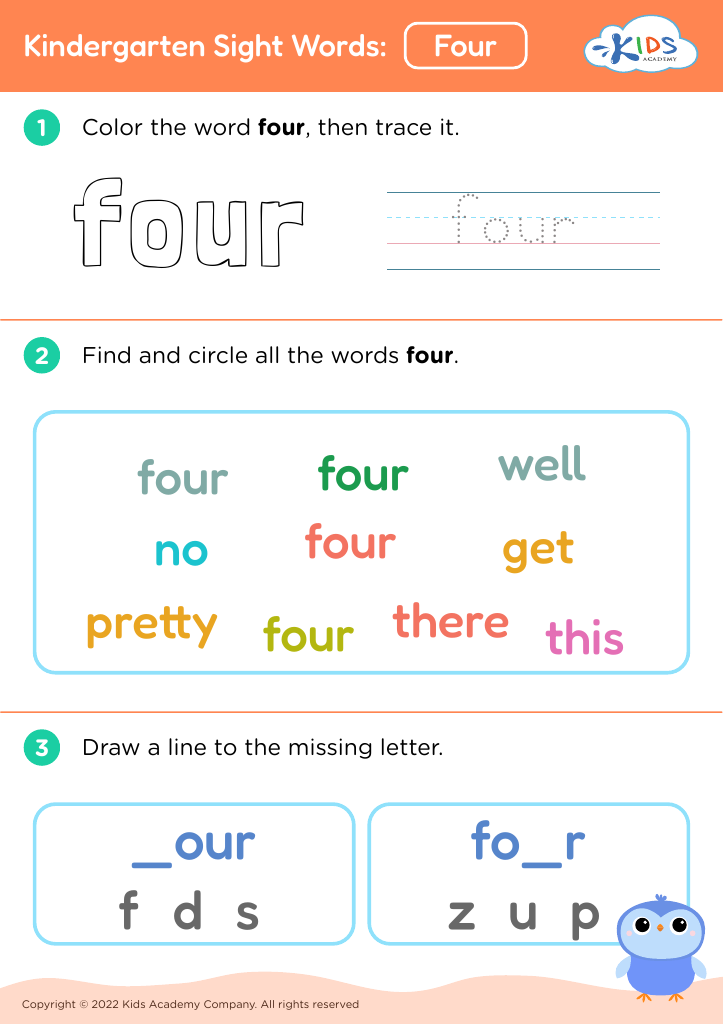
Kindergarten Sight Words: Four

Kindergarten Sight Words: Four

Kindergarten Sight Words: Four
Worksheet
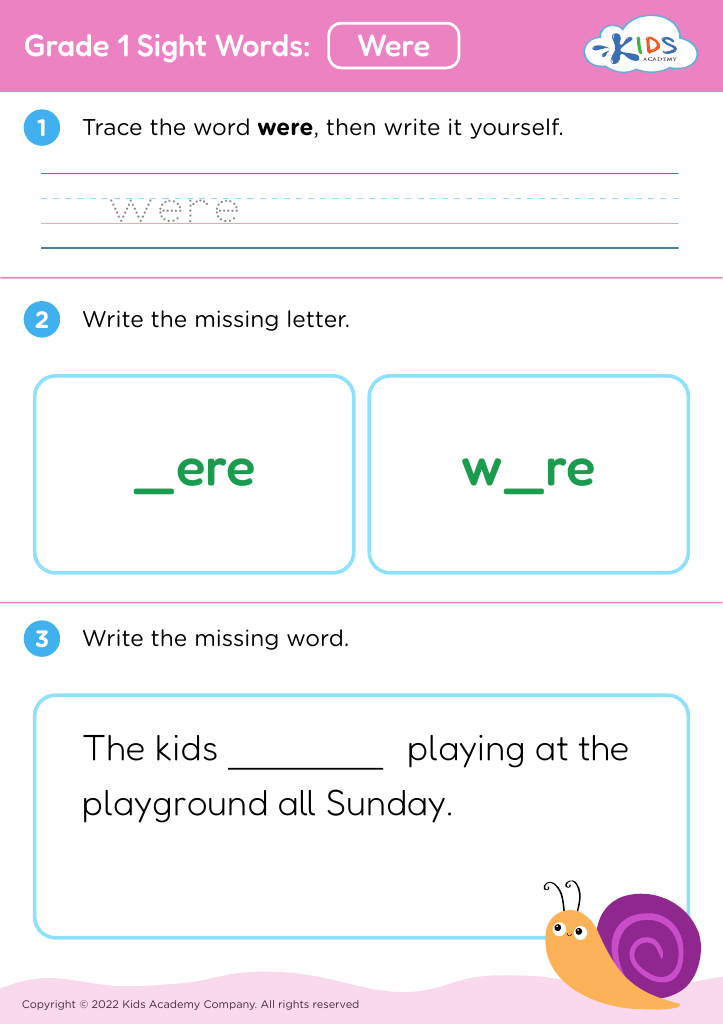
Grade 1 Sight Words: Were

Grade 1 Sight Words: Were

Grade 1 Sight Words: Were
Worksheet


Number recognition and building vocabulary are critical components of early childhood education for children ages 3-6. These foundational skills pave the way for future academic success and cognitive development.

Firstly, number recognition goes beyond merely identifying numerals; it lays the groundwork for mathematical understanding. When children recognize numbers, they begin to grasp essential concepts such as counting, basic arithmetic, and number patterns. This forms the bedrock for more complex math skills they will encounter in later grades.

Secondly, early vocabulary building is crucial for language development. A robust vocabulary enhances reading comprehension, communication skills, and overall cognitive development. It enables children to express themselves more clearly and understand instructions better, which is vital for their academic and social success.

Parents and teachers should care about these skills because they contribute significantly to a child’s confidence and eagerness to learn. Early success in recognizing numbers and understanding words creates a positive feedback loop, encouraging children to engage more actively in learning activities. This early engagement sets a precedent for lifelong learning and curiosity.

By fostering environments rich in numerical and vocabulary development, parents and teachers help equip children with the essential tools they need to navigate more complex academic challenges ahead, thus laying a strong foundation for their future education.