
Critical thinking skills Reading Worksheets for Ages 3-6
4 filtered results
Difficulty Level
Grade
Age
-
From - To
Subject
Activity
Standards
Enhance your child's cognitive abilities with our Critical Thinking Skills Reading Worksheets designed for ages 3-6. These engaging and educational resources seamlessly blend fun activities with crucial thinking exercises to stimulate young minds. Through captivating stories and vibrant illustrations, our worksheets encourage children to analyze, question, and make connections while developing reading comprehension and problem-solving skills. Ideal for fostering a love of learning, this comprehensive collection from Kids Academy equips preschoolers and early learners with the foundational critical thinking tools they need for future academic success. Join us in nurturing intelligent, curious, and independent thinkers!
Favorites
With answer key
Interactive
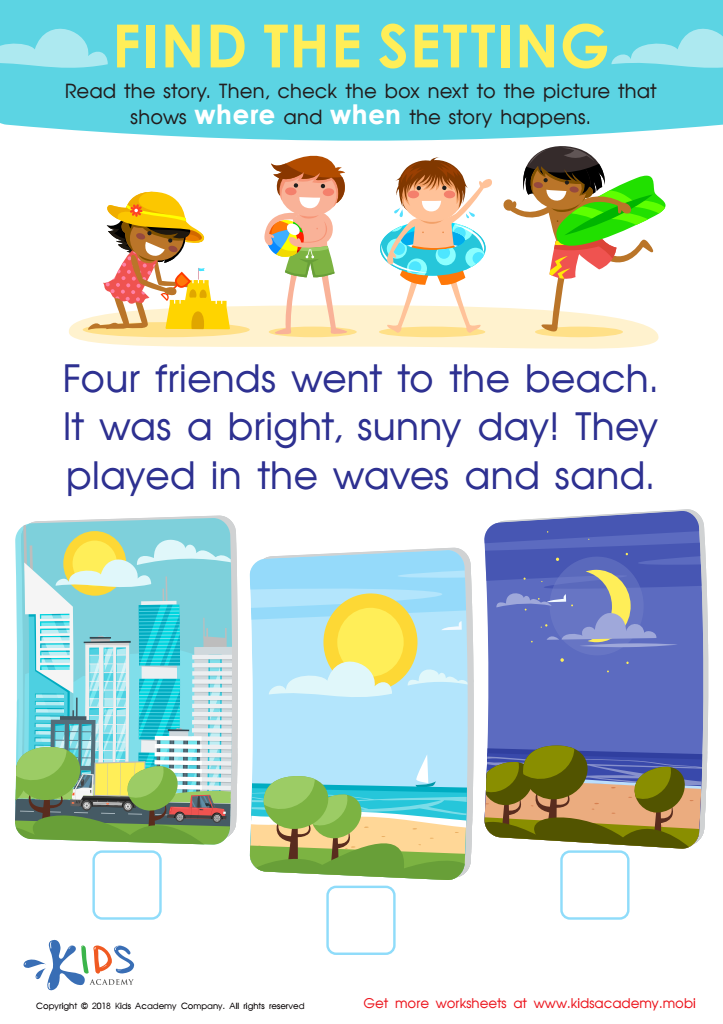
Find the Setting Worksheet
Writing a good story requires decisions about theme, plot, characters, and setting. Setting is the place and time where events occur. Read the story in this fun worksheet with your children and ensure they are paying attention. Guide them to check the box next to the picture that shows the story's setting. 80 words.
 Assign to My Students
Find the Setting Worksheet
Worksheet
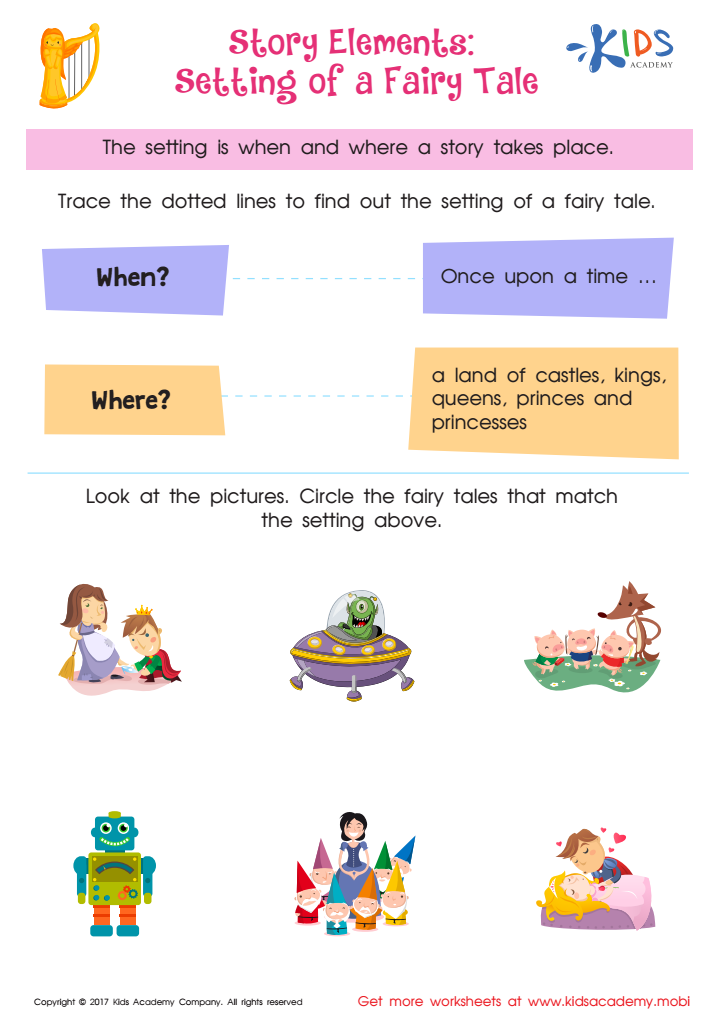
Story Elements: Setting of a Fairy Tale Printable
Help your child learn to analyze stories starting with setting. Use Story Elements worksheet to break down setting into two parts. This will help your child recognize setting quickly and understand its importance in the plot.
Story Elements: Setting of a Fairy Tale Printable
Worksheet
Join Kids Academy for Free
Who is primarily going to use this learning content?


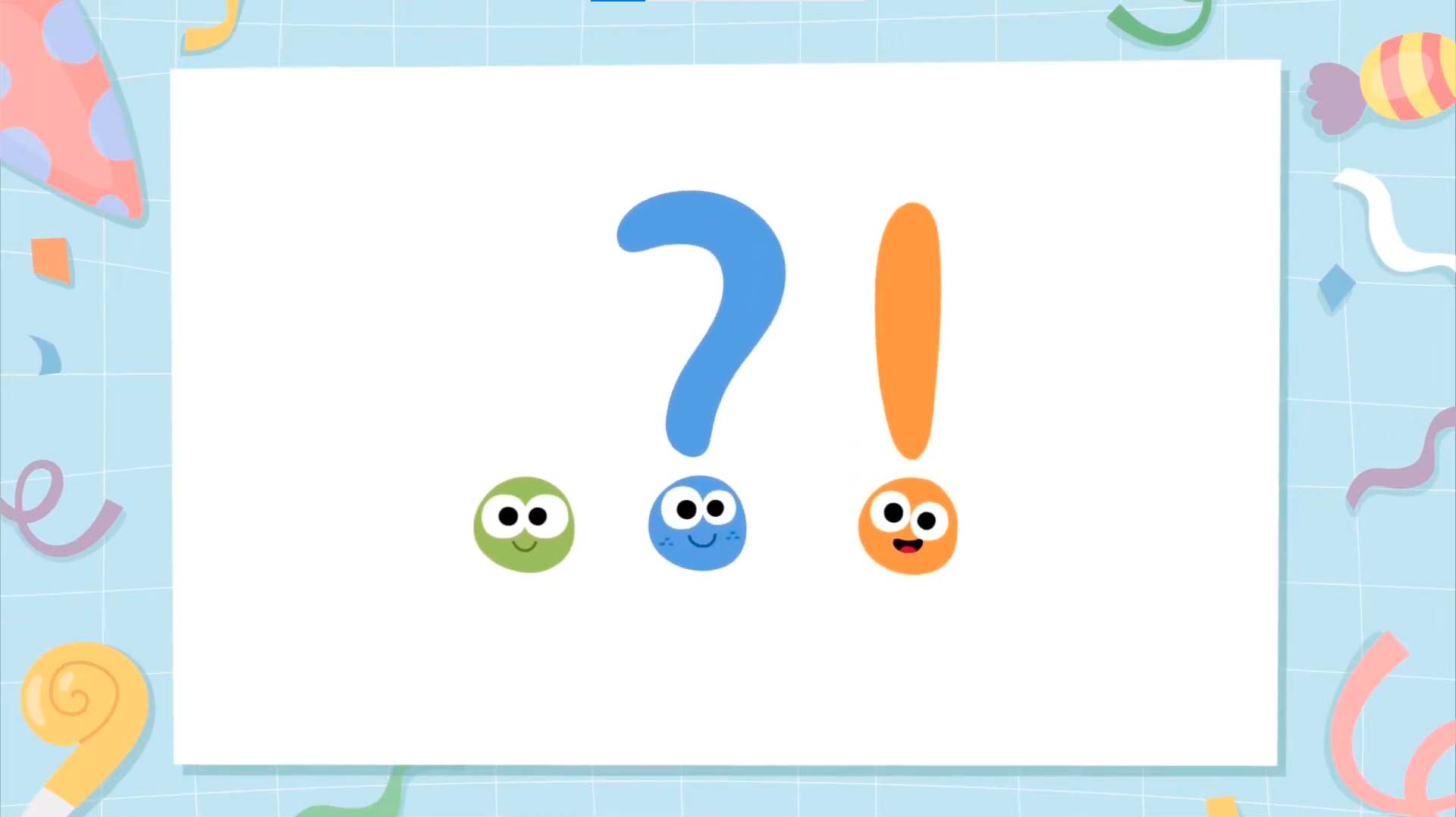





Critical thinking skills are vital for young children, especially in the early reading stage, which typically ranges from ages 3-6. At this formative age, children's minds are highly receptive and malleable, making it an ideal time to introduce complex concepts in a simplified manner. Developing critical thinking through reading not only boosts cognitive abilities but also enhances their ability to understand and engage with the world around them.
When parents and teachers prioritize critical thinking, they encourage children to ask questions, seek answers, and develop a deeper comprehension of stories and information. This approach promotes active learning rather than passive reception, helping children to become more than just readers—they become thinkers and problem-solvers. Critical thinking skills support academic success across all subject areas, as they foster abilities like analysis, evaluation, and creativity.
Furthermore, early development of these skills lays a foundation for lifelong learning. It equips children with the tools to navigate complex issues, make informed decisions, and approach challenges with a well-rounded perspective. By cultivating a robust critical thinking framework at a young age, parents and teachers not only enhance academic performance but also contribute to the overall emotional and social development of children, preparing them for future success.








