Fine Motor Skills Reading Worksheets for Ages 3-6
42 filtered results
-
From - To
Boost your child’s early development with our Fine Motor Skills Reading Worksheets for ages 3-6. Carefully crafted to enhance dexterity, control, and hand-eye coordination, these engaging activities help young learners master essential skills. Each worksheet integrates fun reading tasks with hands-on exercises like tracing, cutting, and coloring. Perfect for at-home practice or classroom use, our resources build a strong foundation for preschool and kindergarten success. Make learning enjoyable and effective with Kids Academy - your partner in nurturing fine motor skills and early literacy. Download now and watch your child thrive!
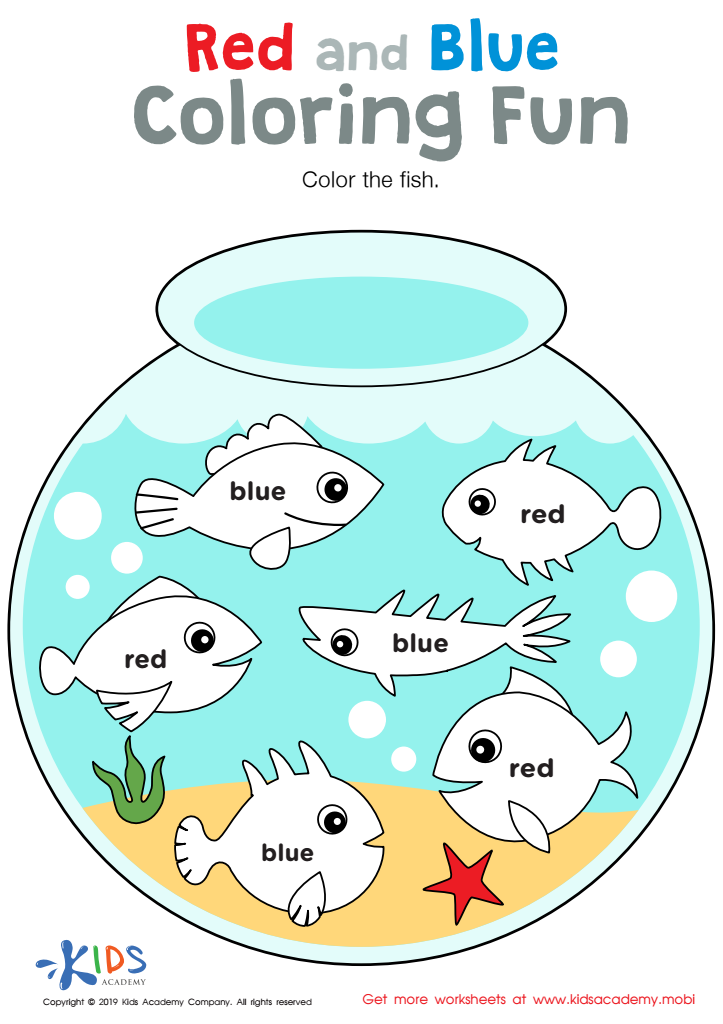
Red and Blue Coloring Fun Worksheet
 Assign to My Students
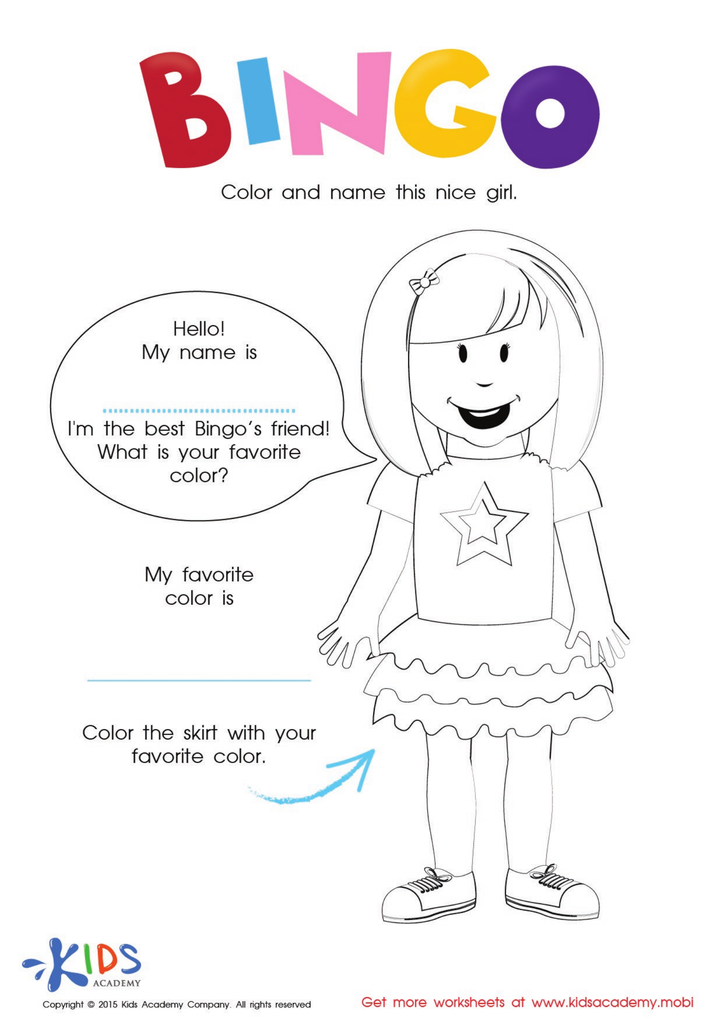
The Bingo Song: Coloring The Girl Worksheet

Yellow and Green Coloring Fun Worksheet
Assign to My Students

Baa Baa Black Sheep Printable
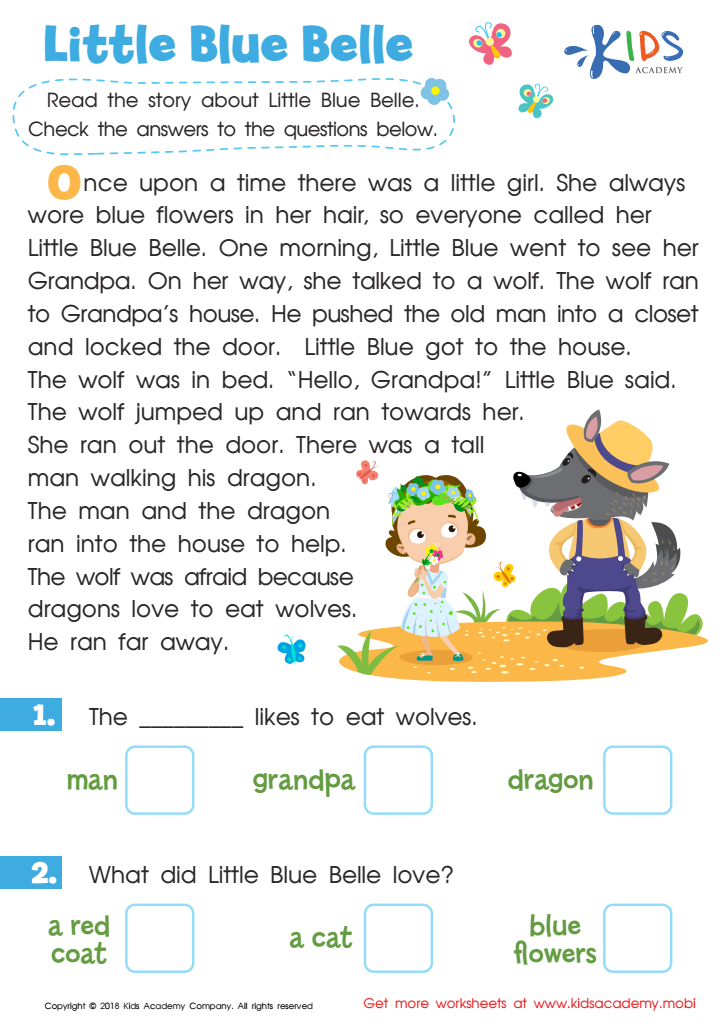
Little Blue Belle Worksheet
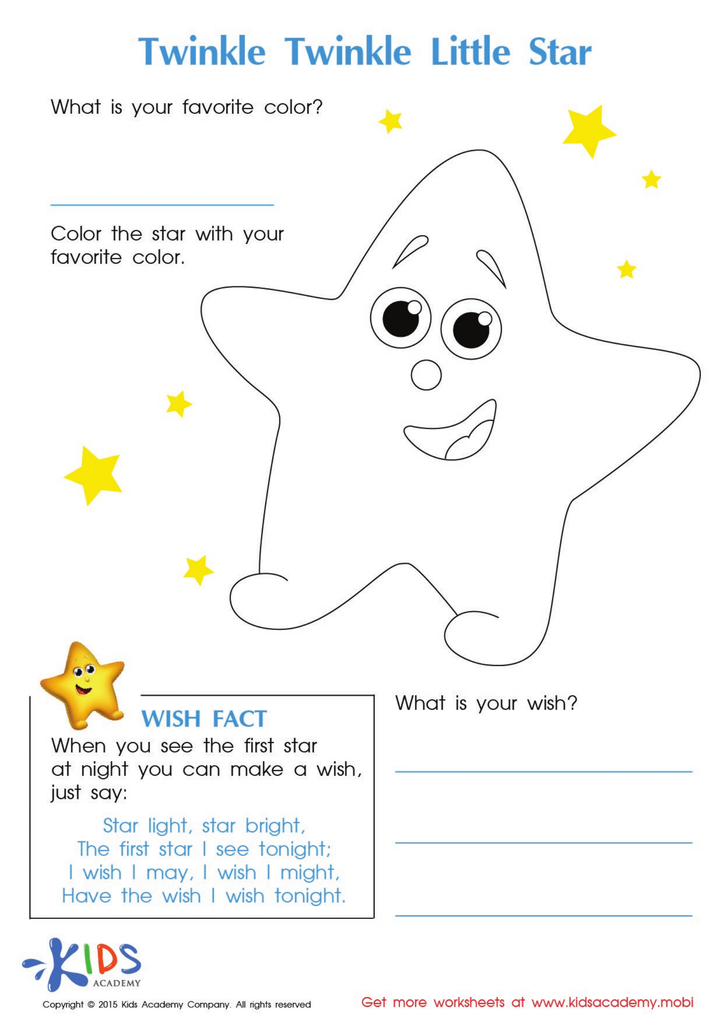
Twinkle Little Star Coloring Worksheet
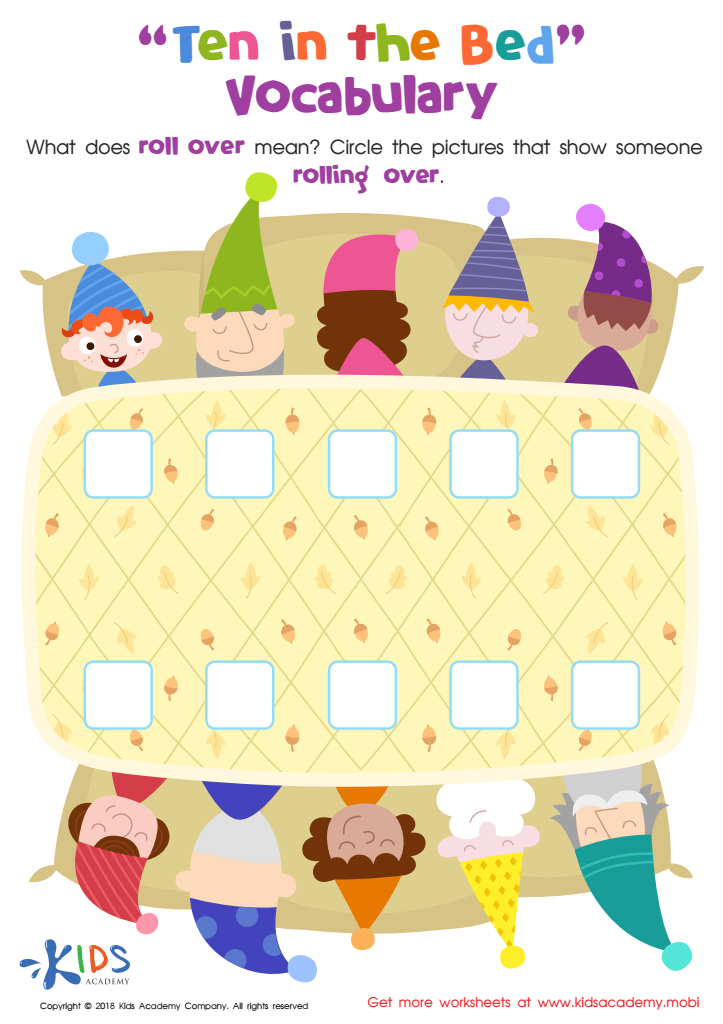
Ten in the Bed: Vocabulary Worksheet
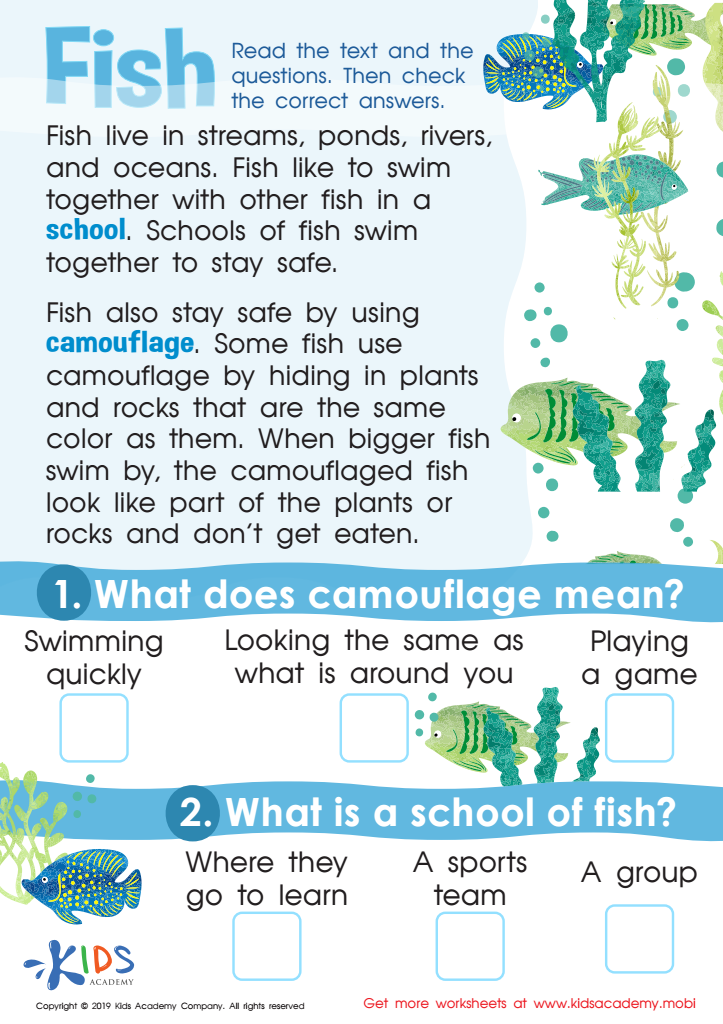
Fish Worksheet

Twinkle Twinkle Little Star Coloring Page
Assign to My Students

Black and Brown Coloring Fun Worksheet
Assign to My Students
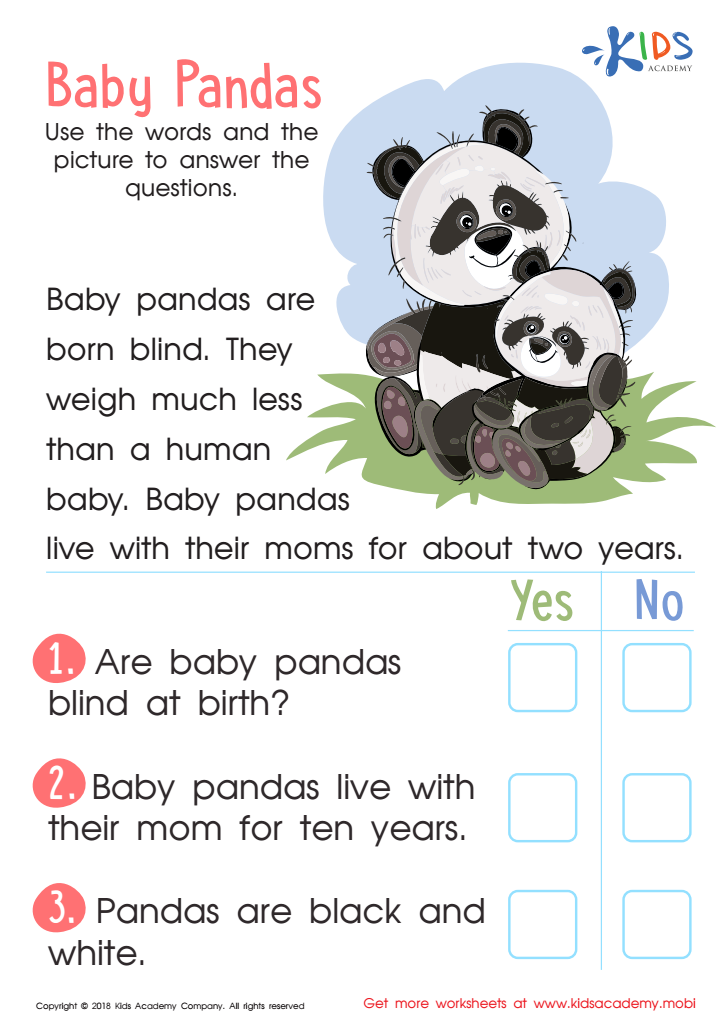
Baby Pandas Worksheet
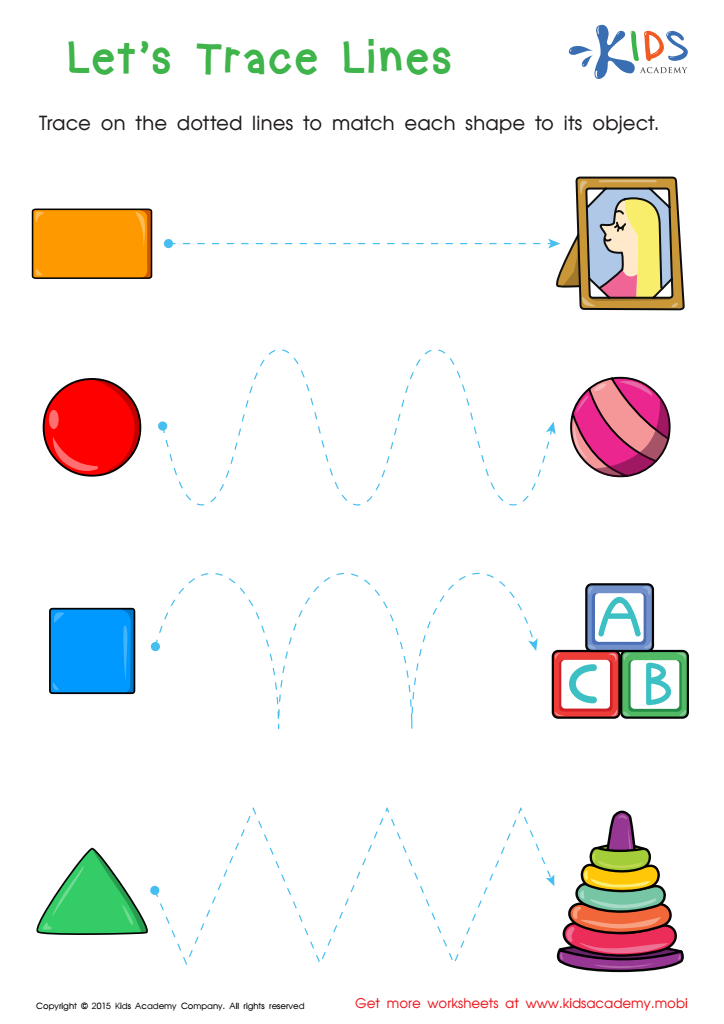
First Words: Let's Trace Lines Worksheet
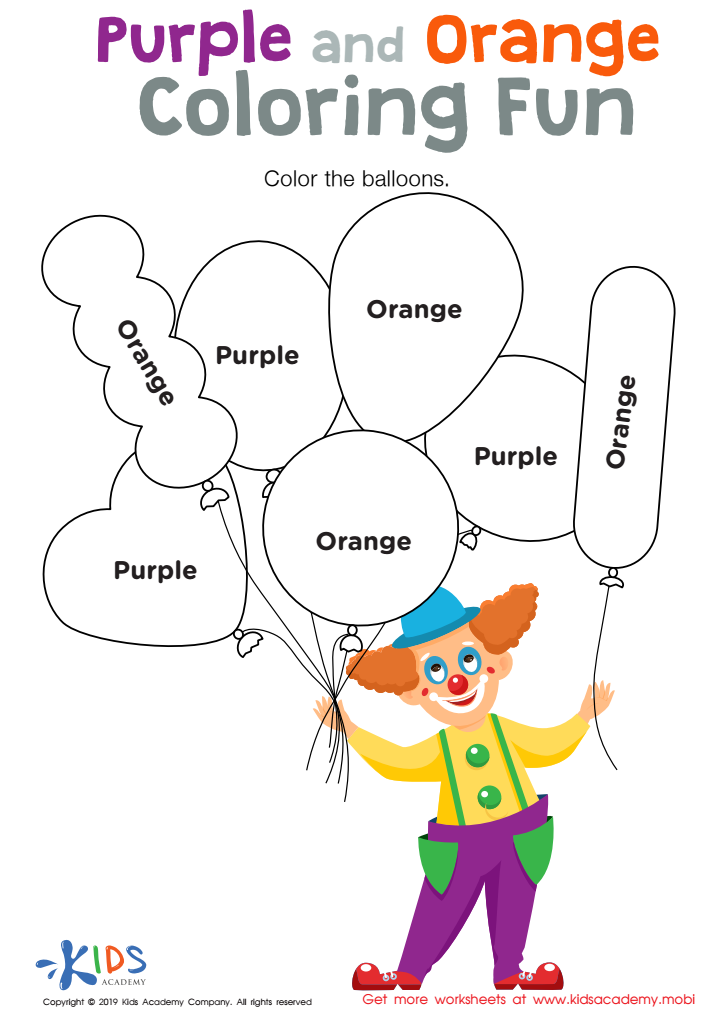
Purple and Orange Coloring Fun Worksheet
Assign to My Students
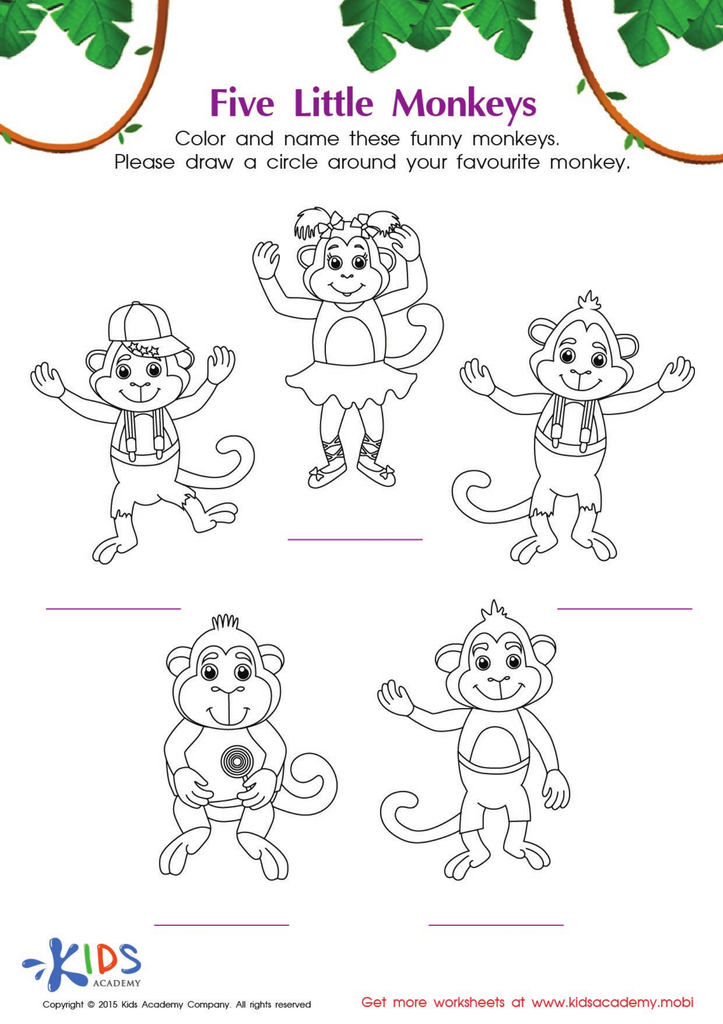
The Five Little Monkeys Coloring Worksheet
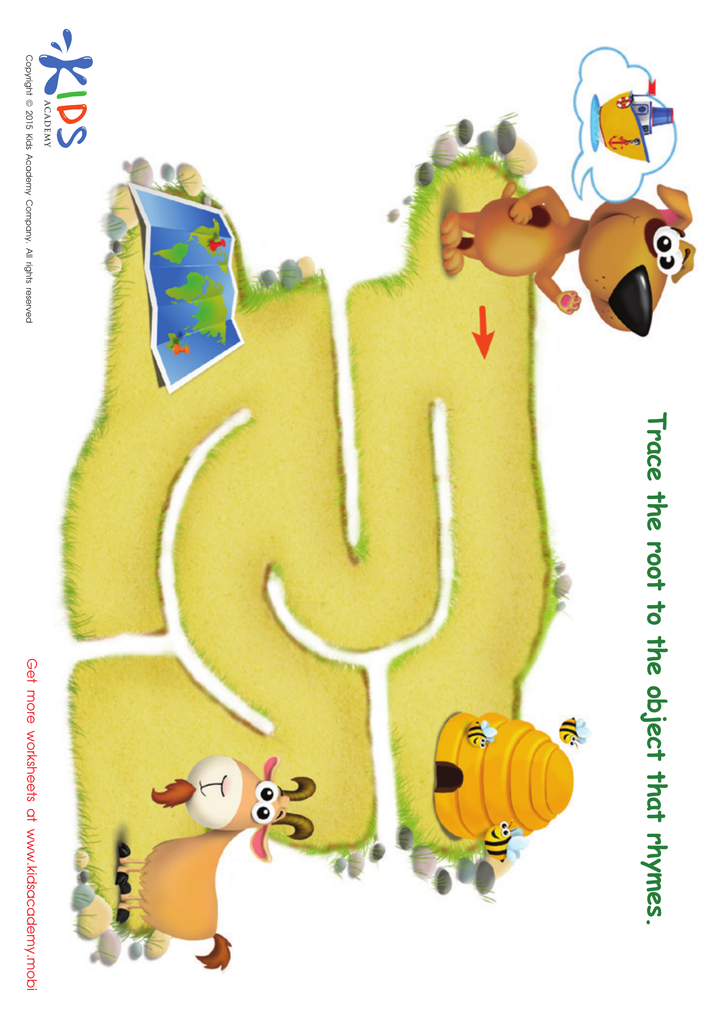
Boat Rhyming Words Worksheet
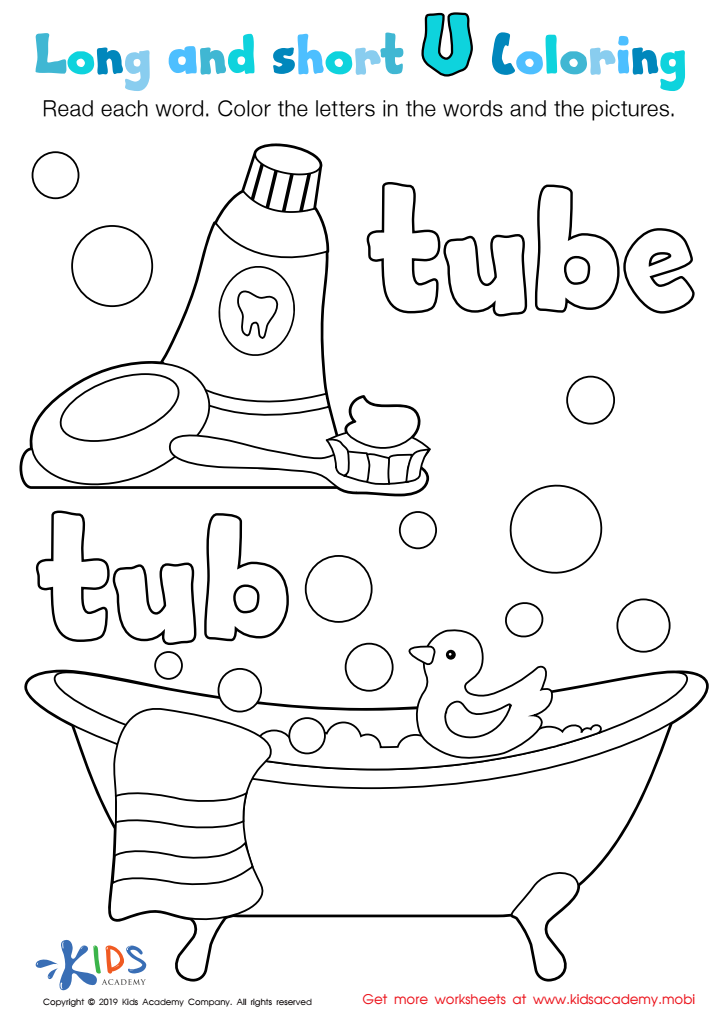
Long and Short U Worksheet
Assign to My Students
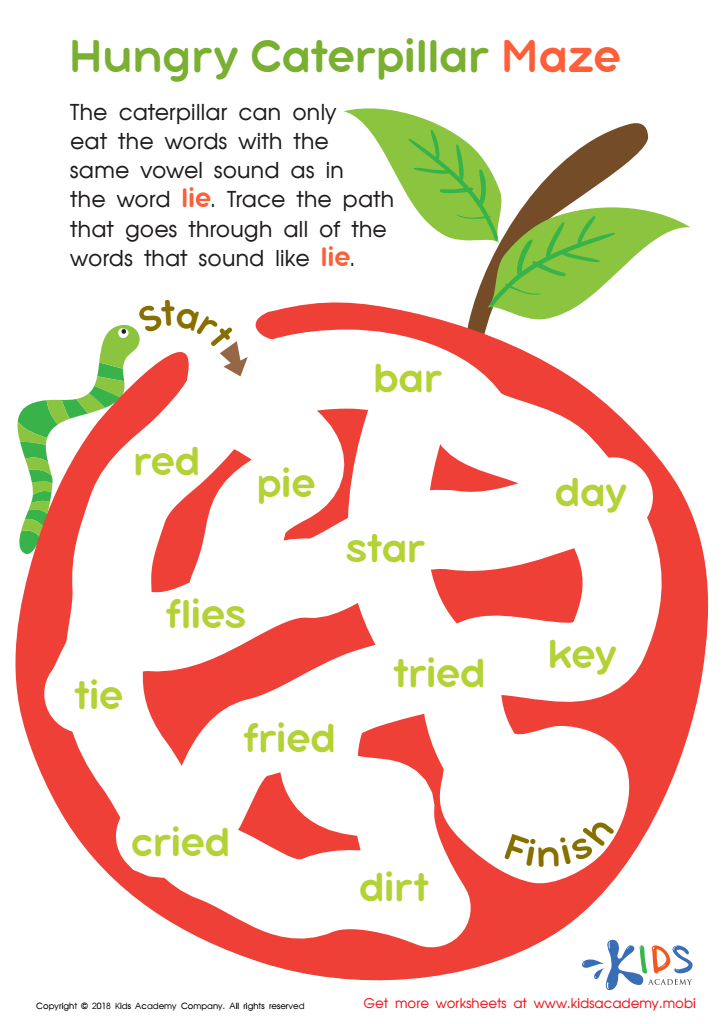
Hungry Caterpillar Maze Worksheet
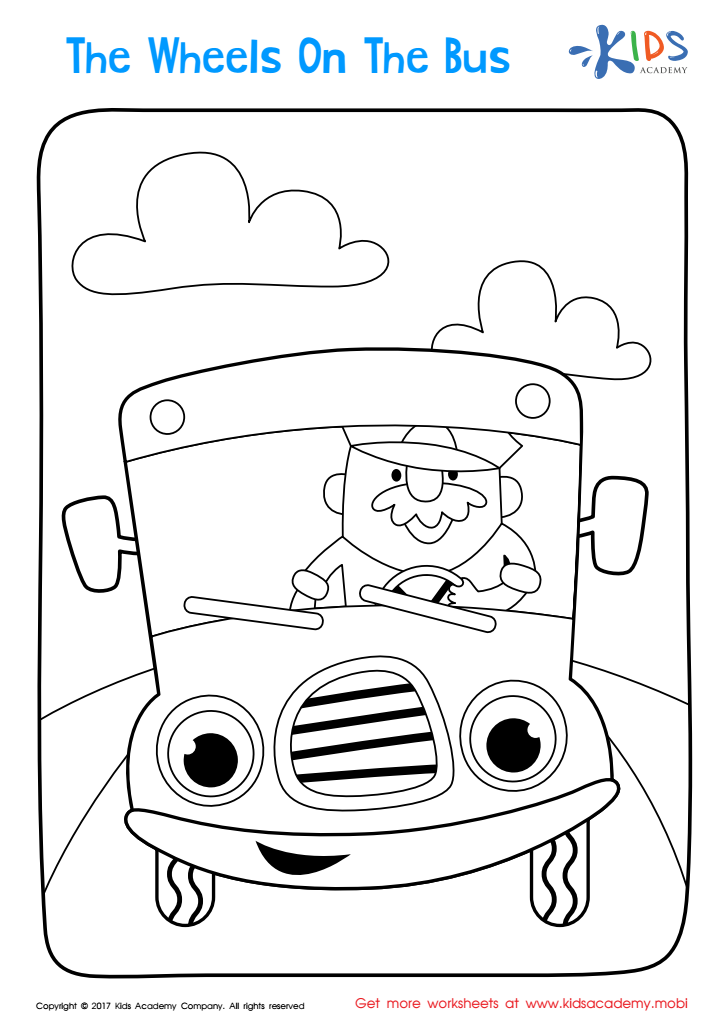
The Wheels on the Bus Coloring Page
Assign to My Students
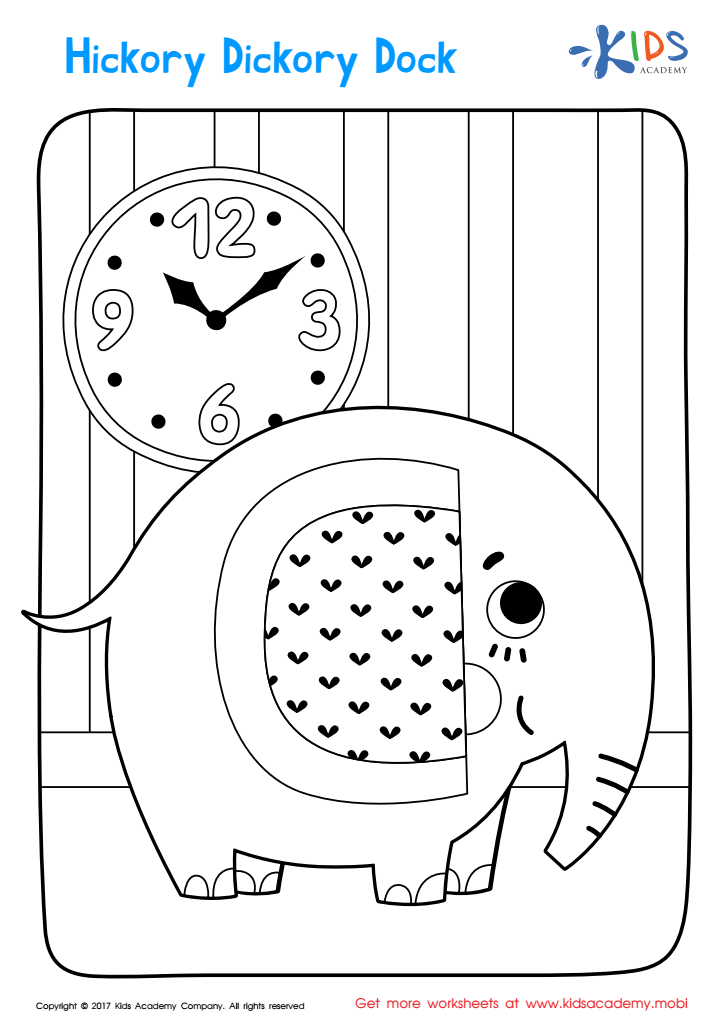
Hickory Dickory Dock Coloring Page
Assign to My Students
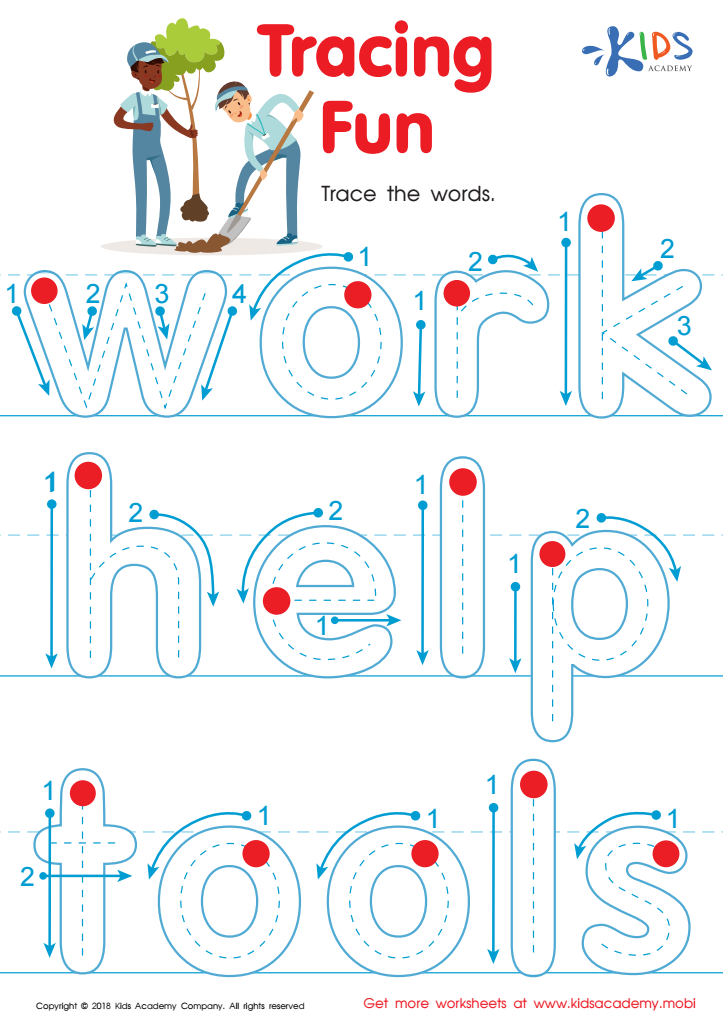
Tracing Fun Worksheet

Red Riding Hood Coloring Page
Assign to My Students
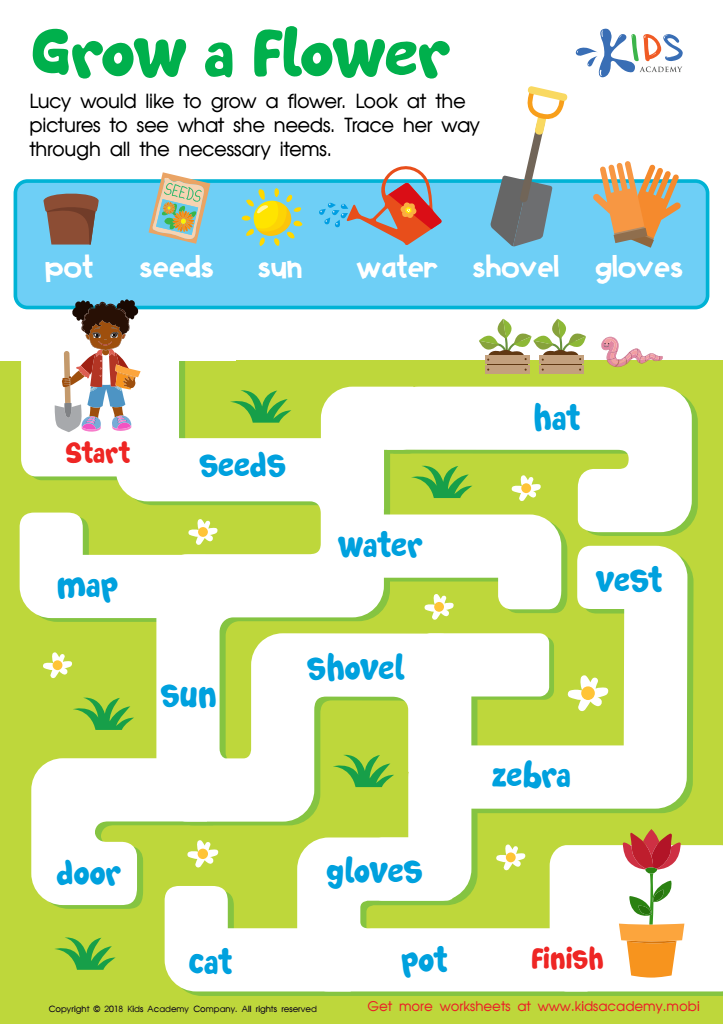
Grow a Flower Worksheet
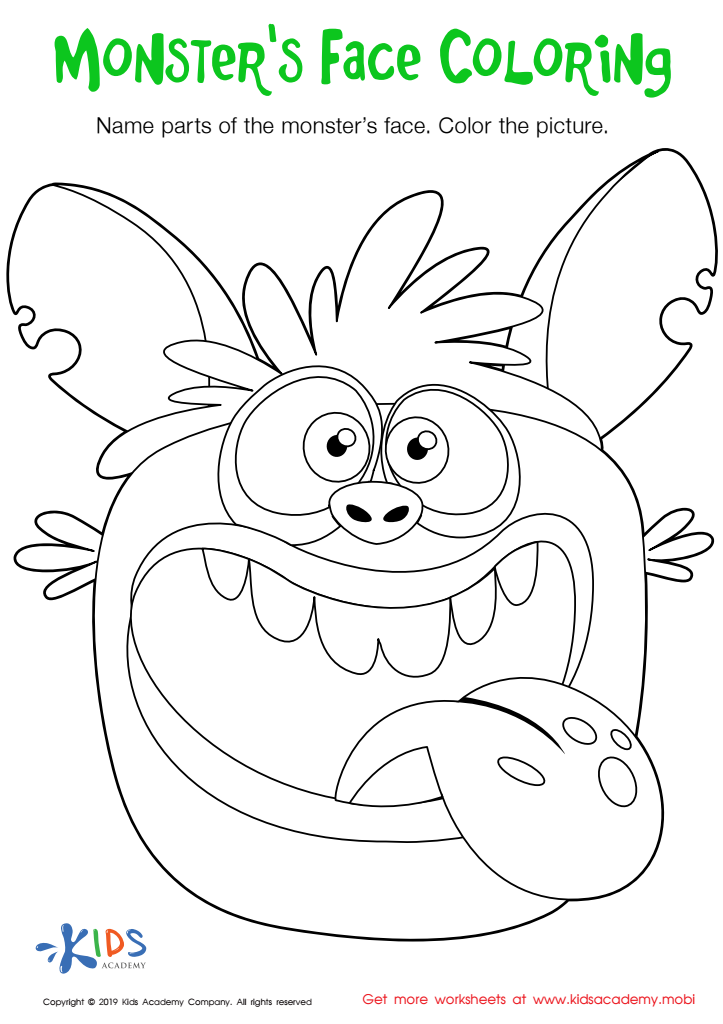
Monster's Face Coloring Worksheet
Assign to My Students
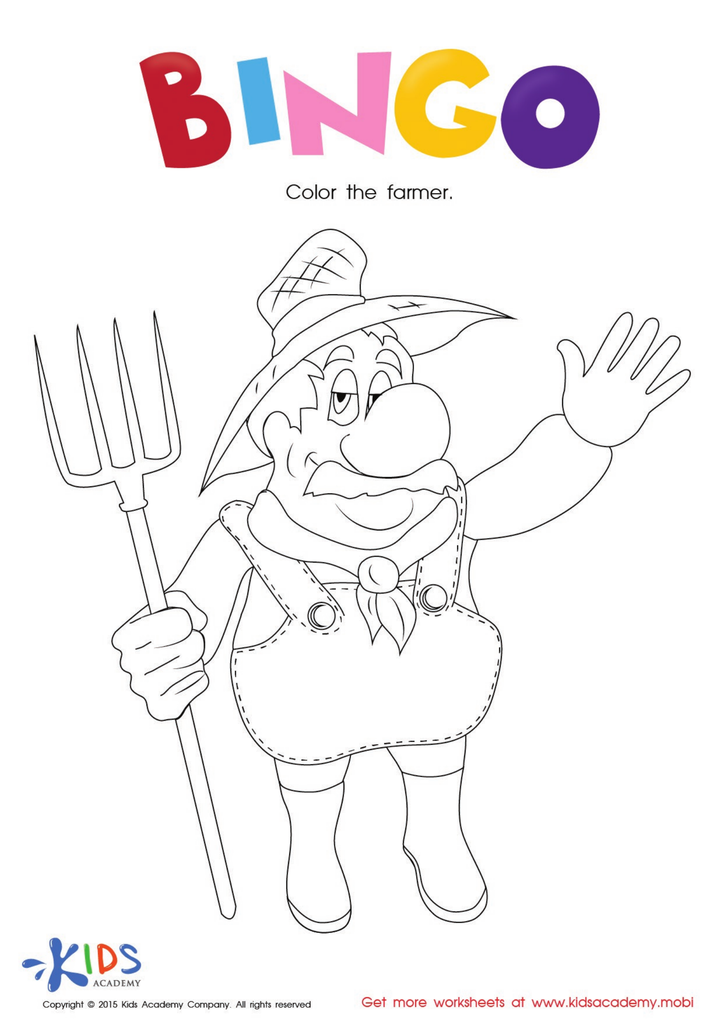
The Bingo Song: Coloring The Farmer Worksheet








Fine motor skills play a critical role in the developmental milestones for children aged 3-6, impacting not only their ability to perform everyday tasks but also their academic growth, specifically in reading. For parents and teachers, fostering these skills is essential for enabling children to effectively manipulate small objects, use pencils and scissors, and eventually, write legibly.
When children engage in activities that develop fine motor skills—such as threading beads, stacking blocks, or cutting paper—they are strengthening the muscles and coordination in their hands and fingers. This foundational ability is vital for holding a book, turning pages, and pointing to words while learning to read, processes that require dexterity and precision.
As children improve in these physical skills, they also enhance critical cognitive functions. Fine motor activities involve organizing, planning, and executing complex sequences, which translate into better focus and problem-solving capabilities. This cognitive boost is beneficial for young readers as it helps with recognizing letters, tracking text from left to right, and comprehending stories.
Overall, parents and teachers should prioritize fine motor skill development as it not only supports basic daily functions but also grossly benefits early reading experiences, setting a strong foundation for future academic success and personal independence. Engaging children in diverse, skill-building activities enriches their learning landscape, making reading and writing more accessible and enjoyable.








